5-A-Side League Essentials: Kits, Pitches, Refs and Keeping Everyone Happy in 2026

Running a 5-a-side league that people actually want to play in every week is a juggling act. You’ve got to sort kits that don’t fall apart, pitches that don’t cost a fortune, refs who turn up sober, and players who still like each other at the end of the season. Here’s everything we’ve learned from organisers who’ve kept their leagues running smoothly for years – no theory, just the stuff that works in real life.

Table of Contents

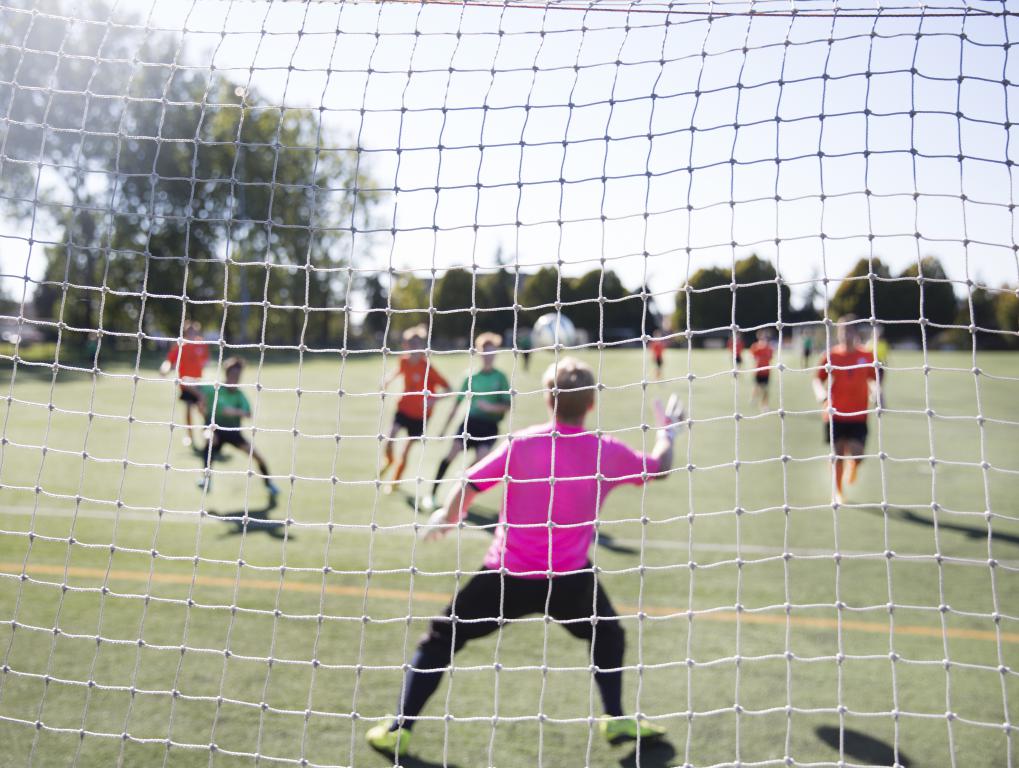
Several players chase the ball during a fast break

Choosing the right venue (and the hidden costs nobody talks about)

The pitch is 80 % of whether your league thrives or dies in six weeks. Powerleague and Goals are easy, but they’re expensive once you add floodlights, VAT and the “admin fee”. Smaller leisure centres or school 3G cages are usually half the price if you book the same slot every week for 40 weeks – ask for the “block booking” rate and you can knock another 15–25 % off.

Check the surface before you commit. Some “new” 3G is already bald in the goalmouths by October. Turn up unannounced one evening and watch a game – if the ball bobbles like crazy, walk away.

Indoor wooden floors are faster and kinder on knees, but condensation turns it into an ice rink after ten minutes – only book if they’ve got proper ventilation or dehumidifiers.

Hidden costs that bite:

  • Changing rooms – some places charge extra or lock them at 9 pm sharp

  • Parking – £2 a car soon adds up when you’ve got 80 players

  • Cancellation policy – outdoor cages can cancel with two hours’ notice and still charge you

Always get everything in writing before you pay a deposit.

Kit that lasts longer than three weeks

Cheap sublimated shirts look great on week one and fade to grey by Christmas. If you want kit that survives a full season:

  • Go for 140–160 gsm polyester with reinforced stitching round the arms. Avoid white if you play outdoors – one slide tackle on a wet pitch and it’s ruined forever.

  • Buy one size up on shorts – nobody wants to squeeze into mediums after the Christmas break.

  • Print numbers on the back and initials on the front – stops the “that-shirt’s-mine” arguments.

  • Get two sets if you can afford it (light and dark). Makes colour clashes impossible and you can rotate them so one set is always clean.

  • Wash at 30 °C inside out and air-dry – tell players in the welcome pack or they’ll shrink everything in the first month.

One league we know buys second-hand pro shirts off eBay in bulk – £3 each, look class, and nobody cares when they get ripped.

Finding and keeping decent referees

Good refs are gold dust and bad ones kill leagues.

  • Start with your local county FA referee development officer – they’ll have a list of new refs looking for games. Offer £30–£35 cash on the night and they’ll come back.

  • Have a backup plan – train one or two reliable players to ref in emergencies. Pay them the same rate so they don’t mind doing it.

  • Create a simple ref feedback form (three questions on Google Forms) and send it after every game. The good ones love the praise, the bad ones improve or stop getting booked.

  • Pay on the night, every night – no “we’ll do it monthly”. Refs who wait three weeks for £90 suddenly find an 11-a-side game that pays the same night.

  • If someone books a ref who’s also playing in the league, pay them double for the game they ref – keeps everyone sweet.

A forward takes a shot while defenders close the space.

Scheduling that doesn’t make everyone hate you

The fixture list is the single biggest cause of drop-outs.

  • Use a free tool like LeagueRepublic or FixturesLive – upload teams once and it does the rest. Takes 20 minutes instead of three evenings with a spreadsheet.

  • Rotate kick-off times fairly – nobody wants 9.30 pm every week.

  • Leave one week off at Christmas and one in summer for holidays – players stay committed if they know they get a break.

  • Put the fixtures out before the season starts and stick to them. Last-minute changes are the fastest way to lose teams.

  • Have a clear policy on postponements – most leagues allow two free ones per season, then points deduction. Publish it on day one so nobody moans later.

Fair play rules that actually get followed

A league with no discipline turns into a war zone by week four.

  • Simple sin-bin rule works best: two-minute cooling off for dissent or reckless tackles. Players hate sitting out more than they hate yellow cards.

  • Three yellows = one-week ban, automatic. Track it on a shared sheet and email the player and captain – no arguments.

  • Captains mark opposition out of 10 for respect after every game. Bottom two teams at Christmas donate £20 to the ref charity pot. Works better than fines.

  • Ban slide tackles outright if you’re on astroturf – saves knees and arguments.

  • Publish a one-page code of conduct and get every player to tick a box agreeing to it when they sign up. Makes it much harder for them to kick off when they break it.

Dealing with the usual headaches (no-shows, arguments, weather)

  • No-shows: charge the full pitch fee to the team that doesn’t turn up, split between the team that did and the ref. Word spreads fast and it stops happening.

  • Arguments: have a “cooling-off” rule – any team that walks off forfeits 5–0 and pays the pitch. Never been used once it’s written down.

  • Weather: if the centre cancels, automatically move everyone one week forward and add a week at the end. No one loses money, no one loses points.

  • Late payments: teams can’t play until the previous week’s fee is paid. Sounds harsh, works instantly.

Young players practise simple drills during a training session.

Budgeting for surprises

Stuff always goes wrong – the lights fail, the pitch floods, a team drops out on January 3rd. The leagues that survive have a small buffer.

Easiest way: add £1–£2 per player to the weekly fee and call it “league fund”. By week 20 you’ve got £300–£600 sitting there. Use it for emergency pitch hire, replacement trophies, or to cover a no-show team’s fee so the opposition still get their game.

One organiser we know keeps it in a separate Monzo pot – transparent, instant access, and no one minds the extra quid when they see it saves the season.

Keeping the social side alive without it turning into chaos

A league people enjoy coming to keeps teams signing up year after year.

  • End-of-season presentation night at the local social club – £10 a head, trophy, buffet, silly awards (“most own goals”, “best haircut”). Costs £300, makes £600 on tickets, everyone remembers it.

  • WhatsApp group with two rules: no politics, no tagging everyone. One league has a “meme only” side channel – keeps the main one usable.

  • Player of the month voucher from the local sports shop – £20 voucher costs you £15 with discount, feels massive to the winner.

  • Randomised team draw for cup games so mates don’t always play mates – keeps it fresh.

Two players challenge each other while the ball rolls between them.

Frequently Asked Questions

How many teams is the sweet spot?

8–12 teams for one night. More than that and you’re into 10 pm kick-offs.

What time works best for turnout?

7–9 pm slots. Earlier than 7 pm and people are stuck in traffic; later than 9 pm and Thursday turnout dies.

Should we charge a deposit?

Yes – £50 per team, refunded at the end if they finish the season. Cuts no-shows by 90 %.

Astro or indoor?

Astro is cheaper and weather-proof; indoor is faster and kinder on joints. Offer both if you can – players vote with their feet.

How do we stop the same team winning every year?

Handicap system first five games based on last season, or split into two divisions after Christmas.

How do we grow from 6 to 12 teams without losing control?

Put the word out in local pubs, workplaces and Facebook groups in October/November. Offer the first two new teams a 20 % discount for the first season – it pays for itself once the league fills. Keep the same night and venue so the original teams aren’t inconvenienced, and use the waiting list as a reserve pool for no-shows.

What if we can’t get refs one week?

Have two trusted players ready to step in (pay them the ref fee). Better a neutral player ref than no game.

A group plays a match on a grass pitch.

Further Reading And Helpful Resources

A Few Tools That Save Your Sanity

  • LeagueRepublic (free tier) – fixtures, results, tables in ten minutes.

  • Pitchbooking – shows every available pitch within 20 miles with real prices.

  • TeamSnap or Spond – free for basic league use, handles availability and reminders.

Running a 5-a-side league is hard work, but get the basics right and it runs itself. Players turn up, pay on time, and keep coming back season after season.

If you’re setting up or tidying up a league and want something simple for player registration, have a look at our Football Club Membership ID Cards - pefect for clubs just like yours!

VAT: 453 2087 06