Spotting Asthma in Young Children: Symptoms, When to See the GP, and Getting a Diagnosis
January 19, 2026
As a parent, it's natural to worry when your young child has a persistent cough or seems out of breath during play. In the UK, asthma affects about 1 in 11 children, making it one of the most common long-term conditions in kids under 5. If you've searched for "childhood asthma symptoms UK" or "spotting asthma in toddlers," you're not alone—many parents face this concern. This guide explains the early signs of asthma in kids, how to tell it apart from everyday illnesses, when to contact your GP, what to expect during appointments, and why getting a diagnosis isn't always quick. We'll also cover practical tips like keeping a symptom diary to help track patterns. Remember, this isn't medical advice—always talk to your child's doctor if you're concerned.
Table of Contents
Early Signs of Asthma in Young Children
Asthma in young children usually shows itself through breathing problems that come and go, rather than being there all the time. The four main symptoms doctors look for are coughing, wheezing, breathlessness, and a tight feeling in the chest. In toddlers and children under 5, these signs can be subtle at first, and your child might not be able to tell you exactly what’s wrong.
Here’s what these early signs often look like in everyday life:
-
Persistent or recurring cough
A dry cough that keeps coming back, especially if it lasts more than a week or two after a cold has gone. It’s often worse at night, early in the morning, or after running around, laughing, or crying. Many parents notice their child coughs a lot when lying down to sleep or wakes up coughing several times a night.
-
Wheezing
A high-pitched whistling or squeaky sound, usually when breathing out. You might only hear it when your child has a cold, but if wheezing happens with most colds or takes a long time to clear, it’s worth mentioning to the GP. Some children wheeze without a cold, especially in cold weather or after exercise.
-
Being short of breath
Your child may tire quickly during play, need to stop and rest when other children keep going, or breathe faster than usual. Very young children sometimes show this by flaring their nostrils, using their tummy muscles to breathe, or the skin sucking in around the ribs or neck (sometimes called “working hard to breathe”).
-
Chest tightness
Toddlers rarely say “my chest feels tight.” Instead, they might say their “tummy hurts,” rub their chest, or seem generally uncomfortable or restless when breathing feels difficult.
These signs can vary a lot from child to child—some may only have one or two symptoms, while others have several. Things like cold air, exercise, pollen, dust, pet hair, or even strong smells can make symptoms worse. If your child has a family history of asthma, eczema, hay fever, or allergies, or if they were born prematurely, the chance of asthma is a bit higher.
Keep an eye on patterns over a few weeks. If you notice any of these signs happening repeatedly, especially if they’re affecting your child’s sleep, play, or general wellbeing, it’s helpful to mention them to your GP.
How Asthma Differs from Normal Childhood Illnesses
It’s completely normal for young children to catch lots of coughs and colds – most get between 8 and 12 infections a year, especially when they start nursery or mix with other children. These usually clear up within 1–2 weeks. Asthma is different because it’s a long-term condition where the airways become inflamed and extra-sensitive, causing breathing symptoms to come and go over months or years, even when there’s no obvious infection.
Here are the key ways to tell the difference:
-
How long symptoms last and how often they come back
A normal cold might leave your child with a cough or mild wheeze for a week or two, then it’s gone. With asthma, the same symptoms – especially a persistent dry cough or wheezing – tend to return again and again. You might notice your child gets wheezy or coughs every time they have a cold, or the cough hangs around for weeks after the runny nose has gone.
-
Timing and patterns
Everyday viruses don’t usually cause repeated night-time waking or make breathing harder during active play. Asthma symptoms often follow clear patterns: worse at night or early morning, after running around, laughing, crying, or when the weather turns cold. If symptoms keep happening at the same times of day or in the same situations, that’s more typical of asthma than a one-off bug.
-
Triggers that aren’t infections
Colds and flu spread from person to person and often come with fever, sore throat, or runny nose. Asthma symptoms can flare up without any sign of infection – triggered instead by things like cold air, exercise, dust, pet hair, strong smells, or tobacco smoke. For example, if your child is fine outside in fresh air but starts coughing or wheezing indoors, or if symptoms appear with no fever at all, asthma is more likely.
-
Other clues like allergies or family history
Children with asthma frequently have other allergic conditions such as eczema, hay fever, or food allergies. A family history of asthma, eczema, or allergies also makes asthma more likely. In contrast, infections like croup (which causes a barking cough and hoarse voice) or bronchiolitis (common in babies under 1) usually have very specific features and tend to happen just once or twice, not repeatedly.
If your child’s symptoms don’t follow the usual pattern of a short-lived cold, if they keep coming back, or if simple remedies don’t seem to make much difference, it’s sensible to speak to your GP. Breathing difficulties in little ones are always worth checking – you’re doing the right thing by keeping an eye on it.
When to See the GP
It’s always better to get things checked early when it comes to your young child’s breathing – catching asthma sooner means better management and fewer worries for both of you. You know your child best, so trust your instincts if something doesn’t feel right.
Contact your GP (or book an appointment) if you notice any of these:
-
A cough or wheeze that lasts more than a week or two, particularly if it’s dry, keeps coming back, or gets worse at night or in the early hours.
-
Your child seems short of breath or tires very quickly during normal play, running around, or even just walking – or if these breathing difficulties keep happening after every cold.
-
There’s a family history of asthma, eczema, hay fever, or allergies, and your child’s symptoms match some of the early signs we’ve talked about.
-
Symptoms are affecting daily life – for example, if they’re waking up coughing several times a night, struggling to settle, or not joining in with play as much as usual.
These are all good reasons to speak to your GP. They’ll be used to seeing young children with these concerns and can help work out what’s going on.
When to get urgent help
If your child’s breathing becomes more difficult, call NHS 111 for advice straight away. Signs to watch for include:
-
Breathing that’s much faster than normal
-
Using extra effort to breathe (nostrils flaring, tummy sucking in under the ribs, or skin pulling in around the neck)
-
Being too breathless to talk, feed, or play normally
In a true emergency – if your child’s lips or tongue turn blue, they become very drowsy, floppy, or seem exhausted and unable to stay awake – call 999 immediately. This could be a serious asthma attack and needs urgent medical help.
Even if things settle down after a bad episode, it’s important to see your GP within the next day or two (within 48 hours if possible). They can check your child over, discuss what happened, and start putting together a plan to help prevent it happening again. You’re doing the right thing by staying on top of this – most children with asthma go on to lead very active, happy lives once things are under control.
What Happens at the Doctor’s Appointment
Taking your child to the GP about possible asthma is a positive step – most appointments are calm, straightforward, and focused on understanding what’s going on with your little one. The doctor will want to hear your concerns in detail because you know your child best. Here’s what usually happens during the visit:
Questions about your child’s symptoms
The GP will ask questions to build a clear picture. They’ll want to know:
-
When the symptoms started and how often they happen
-
What makes them better or worse (for example, cold air, exercise, night-time, or after a cold)
-
Any patterns you’ve noticed, like waking up coughing or getting breathless during play
-
Family history of asthma, allergies, eczema, or hay fever
-
Whether your child was born prematurely or had breathing problems as a baby
-
Any other health conditions, like frequent colds or skin issues
Feel free to bring notes or your symptom diary – it really helps the doctor see the full story.
Physical examination
The doctor will examine your child, usually by:
-
Listening carefully to their chest and back with a stethoscope to check for wheezing or other breathing sounds
-
Watching how they breathe (looking for any extra effort, like using tummy muscles or flared nostrils)
-
Checking their general health – for example, looking at their skin for signs of eczema, checking their growth, or measuring oxygen levels with a small clip on the finger (this is painless and quick)
Young children often find this part interesting or ticklish rather than scary.
Tests – what to expect
For children under 5, special breathing tests can be difficult because they need good cooperation, so the doctor usually relies on your description of symptoms, the examination, and how your child responds to treatment.
If your child is 5 or older, the GP might suggest:
-
A peak flow test – your child blows into a small handheld tube as hard and fast as they can. It measures how strongly air comes out of the lungs and is easy for most children to do after a quick demo.
-
Spirometry – a slightly more detailed breathing test done in some GP surgeries or at a hospital clinic.
Other tests are less common but might include a simple blood test to check for allergies or to rule out other causes, or giving you a peak flow meter to use at home for a couple of weeks to track patterns.
Trying treatment to see what helps
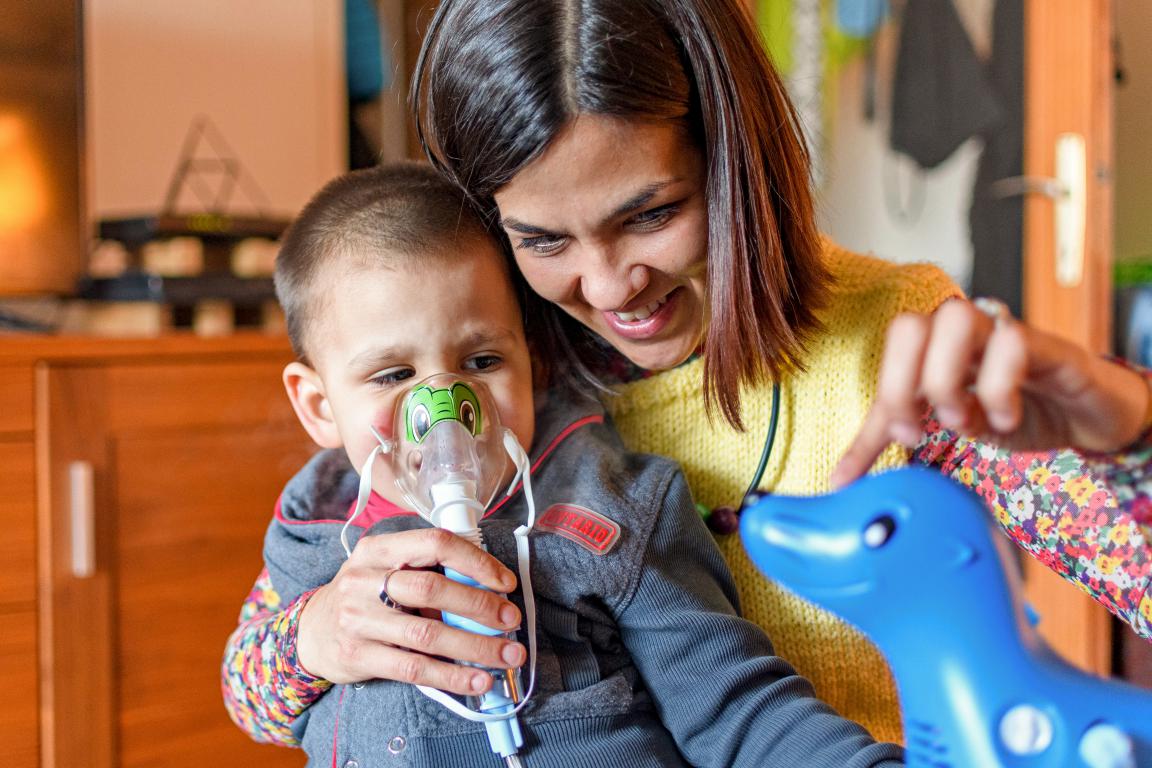
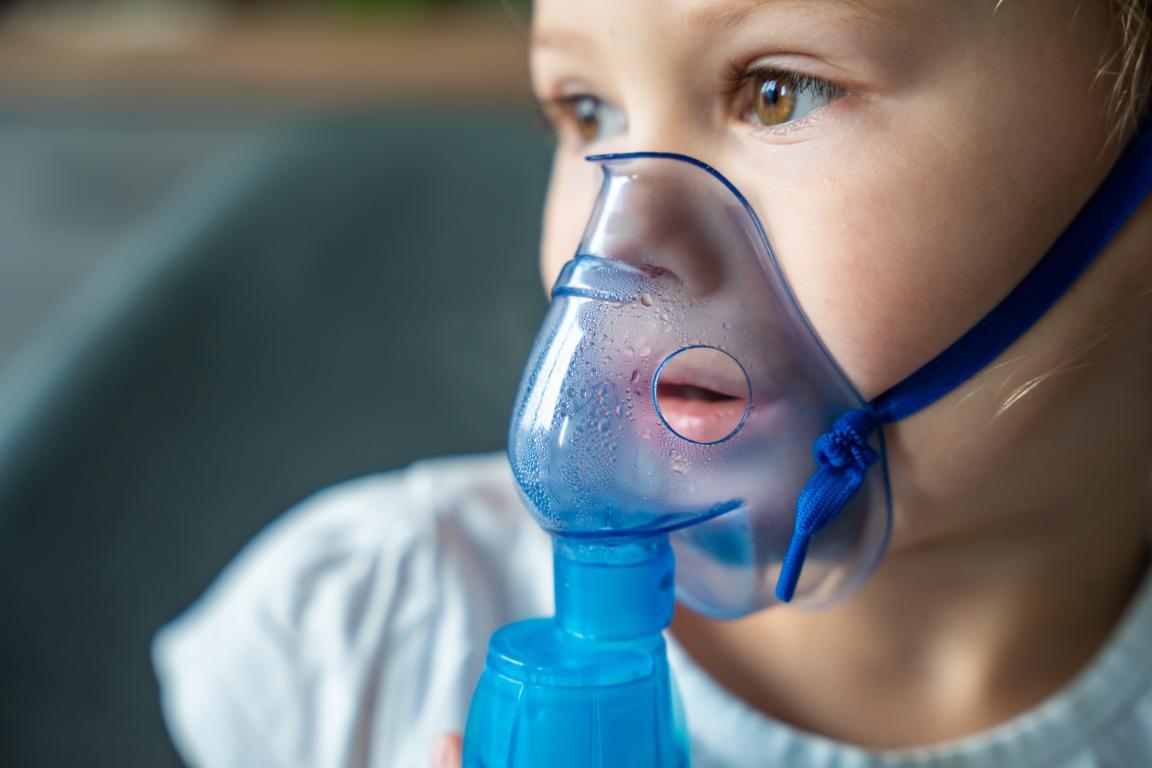
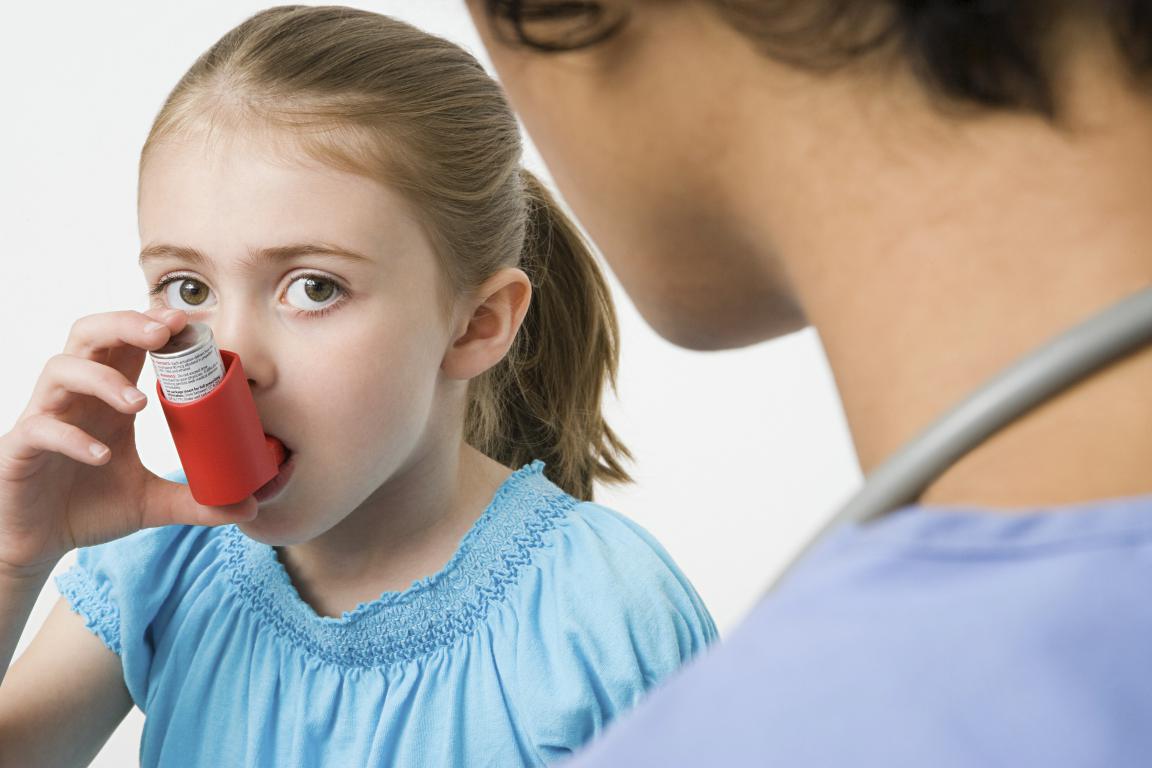
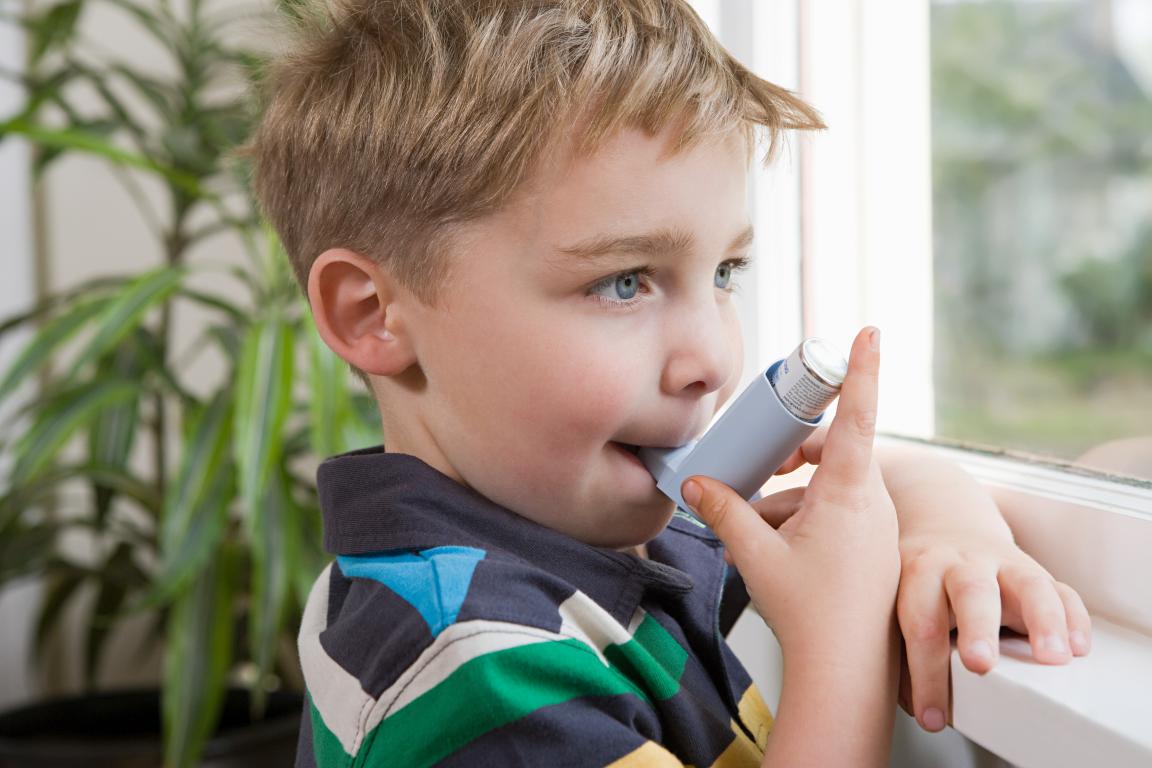
If asthma seems the most likely explanation, the GP often starts with a trial of medication. This usually means prescribing a reliever inhaler (such as salbutamol, often blue) to use when symptoms appear. You’ll be shown how to use it with a spacer and mask (or mouthpiece if your child is older). If symptoms improve noticeably after using it, that’s strong evidence pointing towards asthma.
Next steps
The doctor will talk through everything they’ve found and what they think is happening. If things are clear, they’ll often start a basic asthma action plan – a simple written guide that tells you:
-
What daily treatment (if any) to use
-
How to spot when symptoms are getting worse
-
What to do in an emergency
If symptoms are more complicated, severe, or not responding as expected, the GP may refer you to a children’s asthma specialist (paediatrician) or an asthma nurse for extra support.
The whole appointment is usually relaxed and designed to make you both feel listened to and supported. You’ll leave with clear next steps and the reassurance that you’re on the right path to helping your child breathe more easily. If you have any questions during or after the appointment, don’t hesitate to ask – that’s exactly what the team is there for.
Why Diagnosis Can Take Time
Getting a clear diagnosis of asthma in young children, especially those under 5, often takes longer than parents expect – and that’s completely normal. It’s not because doctors aren’t sure what they’re looking for, but because young children’s symptoms can be tricky to pin down. Here’s why the process usually needs time:
-
Symptoms come and go, and they overlap with other common things
Young children get frequent colds, viruses, and chest infections, all of which can cause coughing and wheezing. It’s hard to tell straight away whether it’s just another bug or the start of asthma. Doctors need to see a pattern over several weeks or months – for example, repeated episodes of wheezing with colds, symptoms that keep coming back even when there’s no infection, or breathing difficulties triggered by things like exercise or cold air.
-
Breathing tests aren’t always possible or reliable in little ones
Tests like spirometry (the detailed lung function test) or peak flow measurements work best when a child is old enough to follow instructions properly – usually around 5 or 6 years old. Toddlers and preschoolers often can’t blow into the tube in the right way, so the results aren’t accurate enough to rely on. That means doctors have to base their thinking mainly on the history you describe, what they see during the examination, and how your child responds to treatment.
-
Other possible causes need to be considered
To be thorough, the GP has to rule out other reasons for breathing problems. These might include things like repeated infections, allergies (such as to dust mites or pets), reflux, or very occasionally something less common like a heart or airway issue. Checking these takes time, especially if extra tests or specialist opinions are needed.
-
A trial of treatment is often part of the process
In many cases, especially for children under 5, the doctor will suggest a trial of asthma medication (usually a reliever inhaler with a spacer) to see if it makes a clear difference. If symptoms improve noticeably and consistently when using the inhaler, and come back when it’s stopped, that’s strong support for an asthma diagnosis. But seeing a good response – and confirming it’s not just a coincidence – can take a few weeks.
In the UK, NICE and other guidelines encourage using objective tests where possible, but they recognise that for toddlers and preschoolers, the diagnosis is often described as “suspected asthma” or “probable asthma” at first. This label doesn’t mean the doctor doubts what’s happening – it just means they’re building more evidence over time to be as sure as possible.
The good news is that you don’t have to wait for a final label to start helping your child. Many GPs will begin simple management steps early – like showing you how to use an inhaler properly or suggesting ways to reduce triggers – so your child can feel more comfortable while the picture becomes clearer. Most children do get a firm diagnosis eventually, and once it’s in place, things usually become much easier to manage. You’re doing a great job by watching closely and following up – that patience and persistence really makes a difference.
Tips on Keeping a Symptom Diary
Keeping a simple symptom diary is one of the most helpful things you can do when you’re worried about your child’s breathing. It gives your GP a clear, day-to-day picture that’s much easier to understand than trying to remember everything during a short appointment. Patterns that might be hard to spot in the moment often stand out when written down over a few weeks.
You don’t need anything fancy – a small notebook, the notes app on your phone, or a free asthma diary template from the Asthma + Lung UK website all work well. The key is to make it quick and easy so you actually keep it up.
Here’s what to record each day:
Daily symptoms
Write down what you notice: coughing, wheezing, shortness of breath, or any sign your child is finding breathing harder. For each symptom, note:
-
The time of day (e.g., 2 a.m., after breakfast, during play)
-
How bad it was (you can use a simple scale like mild / moderate / severe, or just words like “a bit wheezy” or “really struggling”)
-
How long it lasted
Possible triggers and what was happening
Jot down anything that came before or during the symptoms, such as:
-
A recent cold or virus
-
Being outside in cold or windy weather
-
Running around, laughing, or getting excited
-
Being near pets, dust, strong smells, or smoke
-
Changes in the home (e.g., new bedding, hoovering)
Impact on daily life
Note how symptoms affect your child:
-
Did they wake up coughing or struggling to breathe at night? How many times?
-
Were they too breathless to keep playing, or did they need to stop and rest?
-
Did it make eating, drinking, or settling to bed harder?
Medicines and how well they worked
If your child has been prescribed a reliever inhaler (or any other treatment):
-
Record the date, time, and dose
-
Note whether it helped – and if so, how quickly (e.g., “wheezing eased after 10 minutes”)
-
Mention if you needed it more often than expected
Other useful details
Add anything that might be relevant, like:
-
The weather that day (cold, damp, very dry)
-
High pollen days (if you follow pollen forecasts)
-
If anyone else in the house was unwell
Try to fill it in at the end of each day or when something noticeable happens – it only takes a minute or two. At the end of each week, have a quick look through to see if any patterns jump out (for example, symptoms always worse at night, or every time after nursery).
Bring the diary (or print/screenshot it) to every GP appointment. It helps the doctor see quickly whether symptoms are coming and going in a way that fits asthma, how often they happen, and what seems to set them off. This can speed up decisions about tests, treatments, or referrals.
You’re helping your child by doing this – it shows the doctor the full story in a way that words alone sometimes can’t. Most parents find it reassuring to have everything written down too. Keep going – even a couple of weeks of notes can make a real difference.
Additional Advice for Managing Symptoms
While you’re waiting for a diagnosis or even once it’s confirmed, there are practical steps you can take at home to help your child feel more comfortable and reduce flare-ups. These won’t replace medical advice, but they can make a real difference in day-to-day life. The goal is to minimise triggers, support your child’s breathing, and keep things as normal as possible.
Avoid smoke and poor air quality
Second-hand smoke is one of the biggest irritants for young lungs, so keep your home completely smoke-free – that includes vaping and any visitors smoking outside near open windows. Check daily air quality on apps like the UK Met Office or BreezoMeter, especially in London where pollution can spike. On high-pollution days, limit time outdoors and keep windows closed during rush hour.
Reduce common household triggers
Dust mites, pet dander, and mould are frequent culprits. Simple changes include:
-
Using allergen-proof covers on pillows, duvets, and mattresses (available cheaply at pharmacies or online)
-
Washing bedding weekly in hot water (at least 60°C)
-
Keeping soft toys out of the bedroom or washing them regularly
-
Vacuuming with a HEPA-filter model and damp-dusting to avoid stirring up dust
-
Banning pets from your child’s bedroom and wiping them down after walks
For pollen (especially relevant in the UK spring/summer), follow Met Office forecasts and keep windows shut on high days; a quick rinse after outdoor play can help too.
Support activity and play
It might seem counterintuitive if exercise brings on wheezing, but staying active is important for building stronger lungs and overall health. Encourage regular play, but start gently – a slow warm-up walk before running helps prevent sudden symptoms. If your child tires quickly, break activities into shorter bursts with rest breaks. Most kids with asthma can still join in football, swimming, or park play once managed well; swimming in indoor pools is often particularly good as the warm, humid air can ease breathing.
Stay up to date with vaccinations
Viruses like flu or RSV make asthma symptoms much worse, so ensure your child gets their annual flu jab (available from age 2 via GP or pharmacy) and any routine childhood vaccines. If they’re under 2, ask about the RSV monoclonal antibody (nirsevimab) if eligible – it’s a one-off jab that protects against severe chest infections in the first RSV season.
Master inhaler technique if prescribed
If your GP gives a reliever inhaler (like salbutamol), using it correctly is key – especially for toddlers. Always pair it with a spacer device and face mask (not a mouthpiece for under 5s); this gets more medicine into the lungs without your child needing to breathe in deeply. Practice regularly with water (shake the inhaler, spray into the spacer, let your child breathe normally for 5–10 breaths). Asthma + Lung UK has free videos and trainers to borrow. Track usage in your diary – if it’s needed more than twice a week, mention it at the next appointment.
Even if symptoms are mild or well-controlled, book annual asthma reviews with your GP or practice nurse. They’ll check growth, inhaler technique, update the action plan, and adjust treatments as your child grows. In the UK, these are free on the NHS and help catch any changes early.
These steps give your child the best chance to breathe easily and enjoy being a kid. You’re already doing a great job noticing and acting – small changes like these add up to big improvements. If symptoms suddenly worsen despite this, head back to your GP or call 111 for advice.
Conclusion and Resources: Helping Your Child Breathe Easier
Spotting the signs of asthma early in young children really can make a positive difference. It means your little one can get the support they need sooner, helping them sleep better, play more freely, and grow up feeling stronger and more confident. If you’ve noticed a persistent cough, wheezing that keeps coming back, or breathlessness that doesn’t fit with a normal cold, trust your instincts as a parent – you know your child best. Speaking to your GP is the right next step, and most families find the process reassuring once they start getting answers and practical help.
The vast majority of children with asthma go on to lead very active, happy, and healthy lives. With good management – whether that’s simple changes at home, the right inhaler technique, or an up-to-date asthma action plan – symptoms can usually be kept well under control.
You’re already doing an important job by reading this guide, keeping an eye on patterns, and thinking about what might help. Don’t hesitate to reach out for more information or support whenever you need it.
Helpful Resources in the UK
Here are some trusted places to find reliable advice, videos, templates, and extra support:
-
NHS website
– Clear, up-to-date information on symptoms, diagnosis in young children, treatments, and when to seek help.
-
Asthma + Lung UK
– The UK’s leading charity for asthma and lung conditions, with dedicated sections for children. They offer:
-
Free downloadable symptom diaries, child asthma action plans, and guides for parents/carers
-
Step-by-step videos on inhaler and spacer use
-
Helpline: 0300 222 5800 (Monday–Friday, 9am–5pm)
-
Parent and Carer Support Network (online groups for sharing experiences)
-
Specific advice on managing asthma in children under 5, spotting signs, and daily life tips
-
Beat Asthma
– A child- and family-focused website with information to help children understand asthma, recognise symptoms, and manage it. Includes resources specifically for families and young people.
-
NHS 111
– For non-emergency advice when you’re worried about breathing difficulties (call 111 or visit the linked website).
These resources are widely used and recommended by healthcare professionals across the UK. They complement the information in this guide and can provide extra tools like downloadable plans or community support. If symptoms change or you need further guidance, help is always close by.
© 2024 The Card Project Uk Ltd
VAT: 453 2087 06
|