Blood Type Compatibility: Who Can Donate to Whom?
Published: 2 February 2026
Your blood type is one of those things you probably only think about when someone mentions donating blood or if you find yourself needing a transfusion. But in a medical emergency, it is one of the most important pieces of information a doctor can have. Getting the match wrong can cause serious health problems, which is why the NHS follows very strict rules to keep every transfusion safe.
At its simplest, there are eight main blood types used in the UK: A+, A-, B+, B-, AB+, AB-, O+ and O-. These categories dictate who can safely give red blood cells—the most frequently donated part of the blood—to someone else. This guide breaks down the science into plain English, explaining the main rules of compatibility and how the standard NHS matching system works.
Table of Contents
What Are the Main Blood Types?
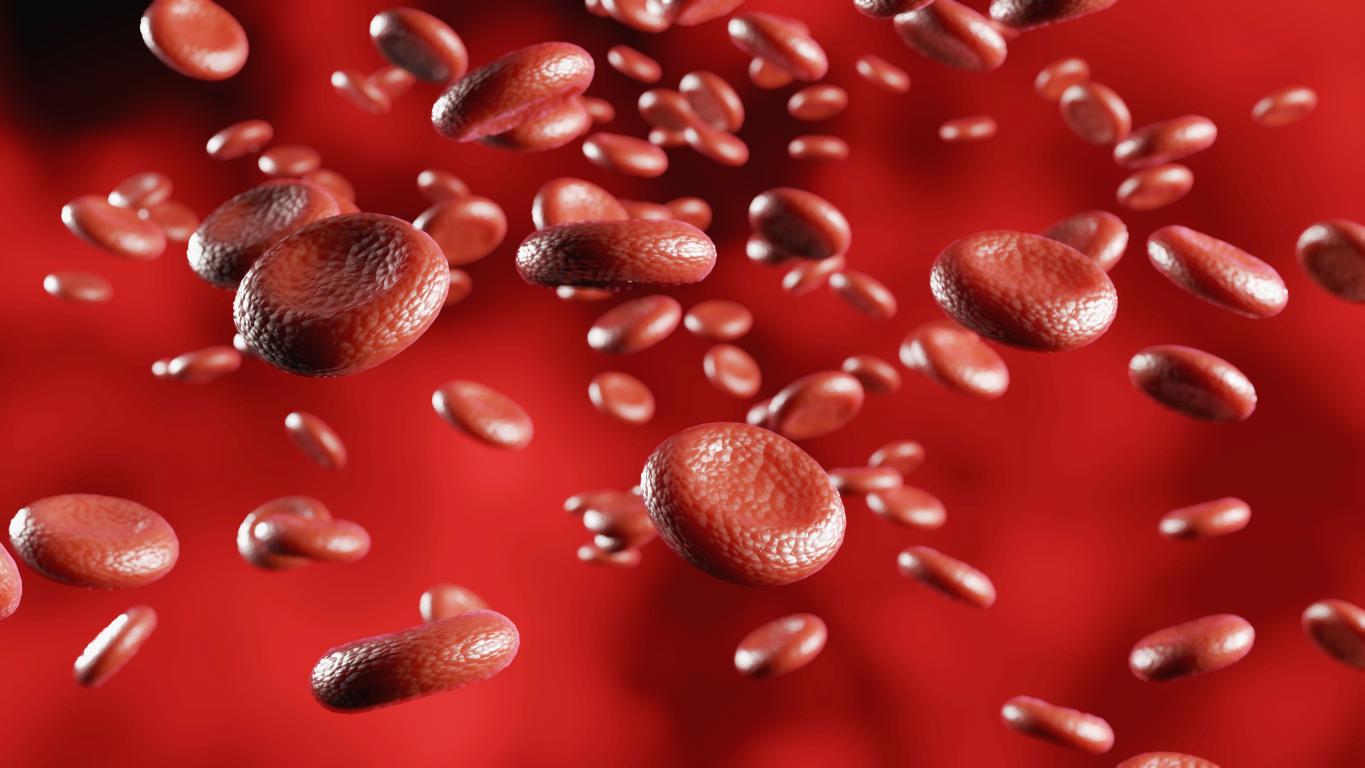
To understand how blood donation works, you first have to look at what is actually floating in your veins. While blood looks like a simple red liquid, it is actually a complex mixture. For the purposes of donation and transfusions, we focus almost entirely on the red blood cells.
On the surface of these red blood cells are microscopic markers called antigens. You can think of these antigens as a biological "ID badge." Your immune system is the security guard; it constantly scans your blood to make sure everything in there belongs to you. If you receive blood with markers that your body doesn't recognize, your immune system treats those new cells like a virus or a bacteria and tries to destroy them. This reaction is what makes an incompatible transfusion so dangerous.
In the UK, and across most of the world, we use two specific systems to identify these ID badges. The first is the ABO system, which gives you the letter of your blood type (A, B, AB, or O). The second is the Rh system, which determines if you are "positive" or "negative."
When you put those two systems together, you end up with the eight main blood groups:
-
A Positive and A Negative
-
B Positive and B Negative
-
AB Positive and AB Negative
-
O Positive and O Negative
Everyone fits into one of these eight categories. In the UK, O positive is the most common type, while AB negative is the rarest. However, "rare" doesn't necessarily mean "most important." Because the NHS needs to match donors to patients every single day, every blood type is constantly in demand to ensure that a person in an emergency gets exactly what their body can accept.
The ABO Bit – A, B, AB and O
The ABO system is the most important classification when it comes to blood transfusions. It’s based on the presence (or absence) of two specific antigens—let’s call them "A" and "B"—on the surface of your red blood cells.
Your genetics determine which of these markers you have. If you have the A marker, you are type A. If you have the B marker, you are type B. If you have both, you are type AB. If you have neither, you are type O.
However, the "ABO bit" isn't just about what is on your red blood cells; it’s also about what is in your plasma (the liquid part of your blood). Your plasma contains antibodies, which act as your body’s natural scouts. These antibodies are programmed to recognize and attack whichever markers you don’t have.
-
Type A: You have A markers on your cells, so your plasma contains Anti-B antibodies. If B blood enters your system, your scouts will attack it.
-
Type B: You have B markers on your cells, so your plasma contains Anti-A antibodies.
-
Type AB: You have both A and B markers. Because your body recognizes both, your plasma has no antibodies against them. This is why AB types can often receive blood from almost anyone.
-
Type O: You have neither A nor B markers. Because these markers are "foreign" to your system, your plasma contains both Anti-A and Anti-B antibodies.
This is the fundamental reason why Type O is so significant in the NHS. Because Type O red blood cells have no A or B markers on the outside, there is nothing for a recipient's antibodies to "grab" onto. This makes Type O—specifically O Negative—the "universal" donor in emergencies when a patient's blood type isn't yet known.
The + or - Part – Rh Factor
Once we know your ABO type, we have to look at the second most important marker: the Rh factor (originally named after the Rhesus macaque monkeys used in early research). This is what determines whether your blood type ends in a "positive" or a "negative."
The Rh factor is actually a group of proteins, but the one we care about most is called Antigen D. This is a simple "yes or no" situation:
In the UK, the vast majority of people—about 85%—are Rh positive.
Why the Rh Factor Matters in Donation
The rules for the Rh factor are a bit like a one-way street. People who are Rh positive can safely receive blood from both positive and negative donors. Their bodies already "know" the D antigen, so it doesn't cause an alarm.
However, for people who are Rh negative, it is much stricter. If you are Rh negative, your immune system will see the D antigen as a foreign invader. If you are given Rh positive blood, your body will begin producing antibodies to destroy it. While a first-time "mistake" might only cause a mild reaction, it "sensitizes" the body. This means that if an Rh-negative person is exposed to Rh-positive blood a second time, the immune response can be incredibly fast and severe.
The "Special Case" of O Negative
This is where the famous O Negative blood type comes into play. Because O Negative blood has no A markers, no B markers, and no Rh (D) markers, it is essentially "invisible" to the recipient's immune system.
The NHS relies heavily on O Negative donors because their blood can be given to anyone in a life-threatening emergency—such as a major car accident or a massive internal bleed—where there isn't enough time to test the patient's own blood type.
Who Can Donate Red Blood Cells to Whom?
This is where the science of antigens and antibodies meets the real-world work of the NHS. When a patient needs a transfusion, the goal is to give them blood that their immune system won't recognize as an "invader."
The rules for compatibility are based on a simple logic: You cannot receive blood that contains markers (antigens) your own body doesn't already have.
The Universal Donor and Recipient
To make sense of the eight types, it helps to look at the two ends of the spectrum:
-
The Universal Donor (O Negative): Because O Negative blood has no A, B, or Rh markers, it is essentially "stealth" blood. Anyone, regardless of their blood type, can safely receive O Negative red blood cells. This is why it’s the most valuable type for emergency helicopters and A&E departments.
-
The Universal Recipient (AB Positive): People with AB Positive blood have all the markers (A, B, and Rh). Because their immune system is already familiar with every possible marker, they can safely receive red blood cells from any of the eight blood types.
The General Rules of Matching
For everyone else, the rules follow a consistent pattern:
-
If you are Rh Positive: You can receive both positive and negative blood (of a compatible ABO letter). For example, if you are A Positive, you can receive A+, A-, O+, or O- blood.
-
If you are Rh Negative: You can only receive negative blood. If you are A Negative, you can only receive A- or O- blood. Giving positive blood to a negative patient is avoided because it triggers the immune response we discussed earlier.
-
The "O" Rule: Because Type O blood has no A or B markers, it can be given to people with A, B, or AB blood. This makes O Positive the most used blood type in the UK, as it can be given to anyone who is also Rh Positive—which is about 76% of the population.
Why Every Type Matters
You might think that if O Negative is "universal," the NHS only needs that type. However, O Negative is rare (only about 8% of the population). If the NHS used it for everyone, the supply would vanish in hours.
Instead, hospitals always try to give a patient their exact match first. This preserves the "universal" stock
The Key Things to Remember
Understanding blood compatibility doesn't have to be a headache. If you take away just a few core facts from this guide, you’ll have a better grasp of how the NHS manages our national blood supply than most people.
-
It’s all about the "ID badges": Your blood type is determined by antigens (markers) on your red blood cells. Your immune system will attack any blood that has markers it doesn't recognize.
-
O Negative is the "Emergency" blood: Because it has no A, B, or Rh markers, it can be given to anyone. It is the first thing doctors reach for when they don't have time to test a patient's blood.
-
O Positive is the "Workhorse": As the most common blood type in the UK, it is the most in-demand. Since it can be given to anyone with a "positive" blood type, it helps the vast majority of patients.
-
AB Positive is the "Universal Receiver": People with this type are in a lucky position for transfusions—they can safely accept red blood cells from any of the eight blood groups.
-
Every donor is vital: While some types are "universal," the NHS always aims to give a patient their own specific type first. This keeps the supply balanced and ensures that everyone, from the most common type to the rarest, has the blood they need waiting for them.
If you aren't sure what your blood type is, the easiest way to find out is to register as a donor. After your first donation, the NHS will test your blood and send you a donor card with your type on it. It’s a simple way to learn something fascinating about your own body while potentially saving three lives.
© 2024 The Card Project Uk Ltd
VAT: 453 2087 06
|