Young Children and Diabetes: Everything Parents Need to Know
January 20, 2026
If you’re reading this, it’s likely because your young child has been diagnosed with diabetes, or you’ve noticed some changes that have you wondering if diabetes could be the reason. That news – or even the suspicion of it – can feel like a lot to take in all at once. It’s completely normal to have questions, feel uncertain, or wonder how life is going to look from here. The good news is that you’re not alone, and in the UK you have strong, practical support available right from the beginning.
The NHS provides specialist paediatric diabetes teams made up of consultant paediatricians, children’s diabetes specialist nurses, dietitians, and often psychologists who work closely with families. Diabetes UK offers free, reliable information, a helpline that’s open every day, online resources, and the chance to connect with other parents who have been through the same thing. National guidelines from NICE ensure that the care your child receives is consistent, evidence-based, and centred on helping young children live as full and normal a life as possible.
This information guide is written in clear, everyday language to help you understand what’s happening and what to expect. It answers the questions most parents ask when their child is diagnosed with type 1 diabetes – the form that almost always affects young children. We’ll cover what diabetes is, how it’s recognised and diagnosed, what starting treatment involves, how to manage day-to-day care at home, what to do when blood glucose levels are too high or too low, how to look after everyone’s wellbeing (including your own), how nursery, school, and playtime work with diabetes, and what longer-term care and newer tools might look like.
At its core, type 1 diabetes in young children means the body no longer makes insulin, so insulin needs to be given every day. With the right insulin, balanced meals and snacks, regular monitoring, and good support, children can do all the things other children do – play, learn, run around, make friends, and grow up feeling confident and capable. Many parents find that after the first few months, diabetes becomes something the family manages together rather than the main focus of every day.
This guide is here to give you straightforward, trustworthy information so you can feel more prepared and less alone. Let’s start with the basics and build from there.
Type 1 diabetes is the form that almost always affects young children in the UK. It happens when the body’s immune system mistakenly attacks the cells in the pancreas that make insulin – the hormone needed to turn the food we eat into energy that the body can use. Without enough insulin, blood glucose (sugar) levels rise too high, and the body can’t function properly.
This is an autoimmune condition, which means it’s not caused by anything you or your child did – not by diet, lack of exercise, or parenting choices. It can start at any age, even in babies and toddlers, and it’s not preventable at present. Genetics play a role: having a close family member with type 1 diabetes increases the chance slightly, but most children who develop it don’t have a strong family history. Certain viruses or other environmental factors may act as a trigger in children who are already genetically at risk, but we can’t predict exactly when or why it will happen.
Around 42,000 children and young people under 20 in the UK are currently living with type 1 diabetes, and the numbers have been rising slowly over recent years, according to the International Diabetes Federation. The encouraging part is that with today’s care, children grow up healthy, active, and doing all the things other children do.
How diabetes works in a young child’s body
When food is digested, it turns into glucose that enters the bloodstream. Normally, insulin acts like a key, letting glucose into cells to be used for energy or stored. In type 1 diabetes the pancreas stops producing insulin, so glucose builds up in the blood instead. That’s why insulin needs to be given every day – usually through injections or an insulin pump – to do the job the pancreas can no longer do.
Blood glucose targets for young children
In the UK, blood glucose is measured in mmol/L. The aim is to keep levels in a safe range most of the time so your child feels well and grows properly. NICE guidelines (NG18, last reviewed December 2025) recommend:
Before meals: 4–7 mmol/L
After meals: under 9 mmol/L (often aiming for 5–9 mmol/L depending on the child’s age and activity)
A longer-term measure called HbA1c (which shows average blood glucose over 2–3 months) of 48 mmol/mol or lower where possible, while making sure lows don’t happen too often.
Staying close to these targets helps avoid short-term symptoms such as tiredness, thirst, extra wees, mood swings, or bedwetting, and protects against longer-term complications affecting the eyes, kidneys, nerves, or growth. The focus is always on balance – good control without making daily life too difficult or risky.
What about type 2 diabetes in young children?
Type 2 diabetes is very rare in children under 10. When it does occur, it’s usually linked to being overweight and having a strong family history of type 2. It’s managed differently, often starting with changes to food and activity, and sometimes tablets or other treatments. Your child’s diabetes team will have confirmed the type through blood tests, so if you’re ever unsure, just ask them.
New developments in early detection
The British Society for Paediatric Endocrinology and Diabetes (BSPED) updated its best practice guidance in 2025 to include more support for children who are found to have early signs of type 1 diabetes – sometimes called pre-stage 3 or early-stage. This is when blood tests show autoantibodies (signs that the immune attack has begun) but the child isn’t yet producing very high blood glucose or needing insulin. If there’s a family history, some families are offered antibody screening and closer monitoring. This approach can help prepare families gradually, reduce the chance of a sudden or severe diagnosis, and give everyone more time to learn and adjust. If your team mentions antibody testing or early monitoring, it’s a positive step worth discussing.
The bottom line for parents
Type 1 diabetes is lifelong, but it doesn’t have to define your child’s childhood. With daily insulin, sensible meal planning, regular checks, and good support from your paediatric diabetes team, most children stay well, grow normally, play, learn, and build confidence just like their friends. Management gets easier over time as technology improves and you gain experience. The goal is to help your child feel capable and in control, so diabetes becomes something the family handles together rather than the main thing anyone notices.800msFast
Recognising Signs and Getting a Diagnosis
Knowing what to look out for in your young child can make a real difference in catching type 1 diabetes early, which helps avoid more serious issues like diabetic ketoacidosis (DKA) – a situation where the body builds up acids because it doesn't have enough insulin. The signs can sometimes seem like everyday childhood things, such as a bug or teething, but when a few come together, it's worth paying attention and acting quickly.
The main signs to watch for
Parents often remember the 'four Ts' as a helpful way to spot potential diabetes:
Thirsty: your child might start drinking much more than usual, perhaps asking for drinks all the time or even waking up at night desperate for water, and this can happen even if the weather isn't hot.
Toilet: more frequent trips to the loo, including accidents or bedwetting if they've been dry before, or in babies and toddlers, nappies that seem heavier and need changing more often.
Tired: unusual levels of fatigue where your child seems worn out, irritable, or less interested in playing or doing their usual activities, even after a good night's sleep.
Thinner: losing weight without trying, sometimes despite eating more than normal or seeming hungrier.
In very young children like babies and toddlers, other things to notice could include constant hunger that doesn't seem satisfied, signs of dehydration such as sunken eyes or a dry mouth, a sweet or fruity smell on their breath, or repeated infections like thrush in the nappy area. You might also see blurred vision (if they're old enough to tell you), slow-healing cuts or spots, or tummy upsets with nausea or vomiting if the condition has progressed further. These signs often appear after a recent illness like a cold or virus, which can sometimes trigger the onset in children who are prone to it.
What to do if you spot these signs
If several of these are happening at once, it's important not to wait and see – get in touch with your GP straight away for an urgent appointment, or if it's out of hours or your child seems really unwell, go to A&E or call 111 for advice. In the UK, NICE guidelines make it clear that quick testing is key: this usually starts with a simple finger-prick blood glucose check right there in the surgery or hospital. A random reading over 11.1 mmol/L points strongly to diabetes, or if it's a fasting test (after not eating overnight), over 7 mmol/L does the same. Depending on the results, they might follow up with an oral glucose tolerance test where your child drinks a sugary solution and has blood checks before and after, or antibody tests to confirm it's type 1.
Catching it early means fewer children end up in DKA at diagnosis – sadly, around a third to half are diagnosed this way, which involves hospital treatment with fluids and insulin to get things stable. But with awareness, that number can drop, and your child can start feeling better sooner.
What happens at diagnosis
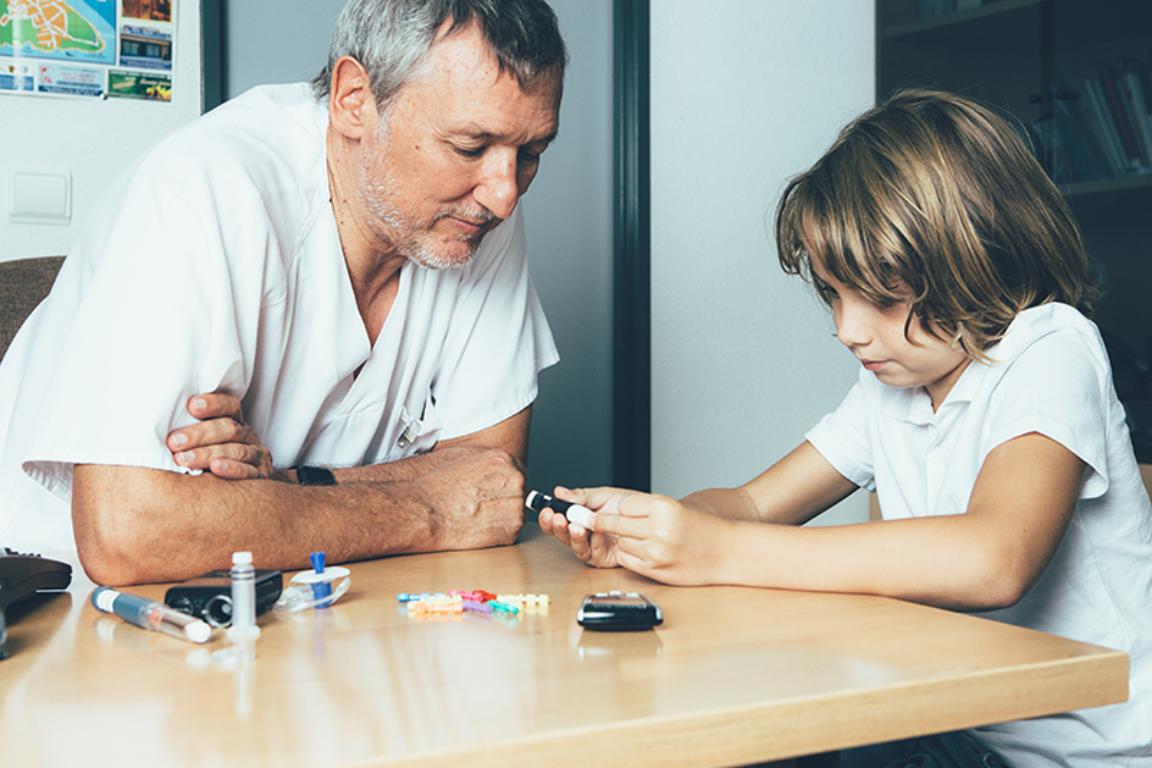
Most children are admitted to hospital for a few days to get everything under control, or a bit longer if DKA is involved. Insulin treatment begins right away to bring blood glucose levels down safely, and you'll be introduced to your paediatric diabetes specialist team (often called the PDST). This includes a consultant paediatric endocrinologist who oversees care, children's diabetes specialist nurses who provide hands-on teaching, a dietitian to help with meal ideas, and sometimes a psychologist to support the emotional side for the whole family. They'll explain everything in straightforward ways, often using pictures or toys to help little ones understand, and make sure you feel comfortable asking questions.
It's common for parents to feel a rush of emotions – shock, sadness, or even wondering if something could have been done differently – but remember, type 1 diabetes isn't caused by anything you did, and it often comes on quite suddenly. The team will also check for other related conditions that sometimes go hand-in-hand with type 1, like thyroid issues or coeliac disease, through simple blood tests.
Early screening if you're in a higher-risk group
If there's a family history of type 1 diabetes or if tests come back borderline, it's worth talking to your doctor about early-stage screening based on the 2025 BSPED recommendations. This can include checking for antibodies in the blood that show the immune process has started, even before symptoms appear. If positive, your child might be monitored more closely with regular checks, giving you time to learn about diabetes gradually and prepare, rather than dealing with a sudden diagnosis. The NHS is rolling this out more widely, so ask if it might apply to your family.
After diagnosis: the next steps
Once your child is stable and ready to go home, follow-up support kicks in quickly – often with home visits from the diabetes nurse in the first week or two, then regular clinic appointments every few months. This is when you'll build on what you've learned, tweak insulin doses or meal plans as your child grows and changes, and get answers to any new questions that come up. The aim is to help you feel confident managing things day to day, so your family can get back to focusing on the fun parts of life with a young child.
Starting Treatment and Building Your Knowledge
The early days after diagnosis are focused on getting your child’s blood glucose levels stable and safe, while helping you learn the essentials of daily care. Treatment starts immediately in hospital, usually with a short stay of a few days, so the team can monitor things closely, adjust insulin doses, and give you hands-on teaching. This is a busy time, but it’s designed to set you up well for going home with confidence.
Insulin: the cornerstone of treatment
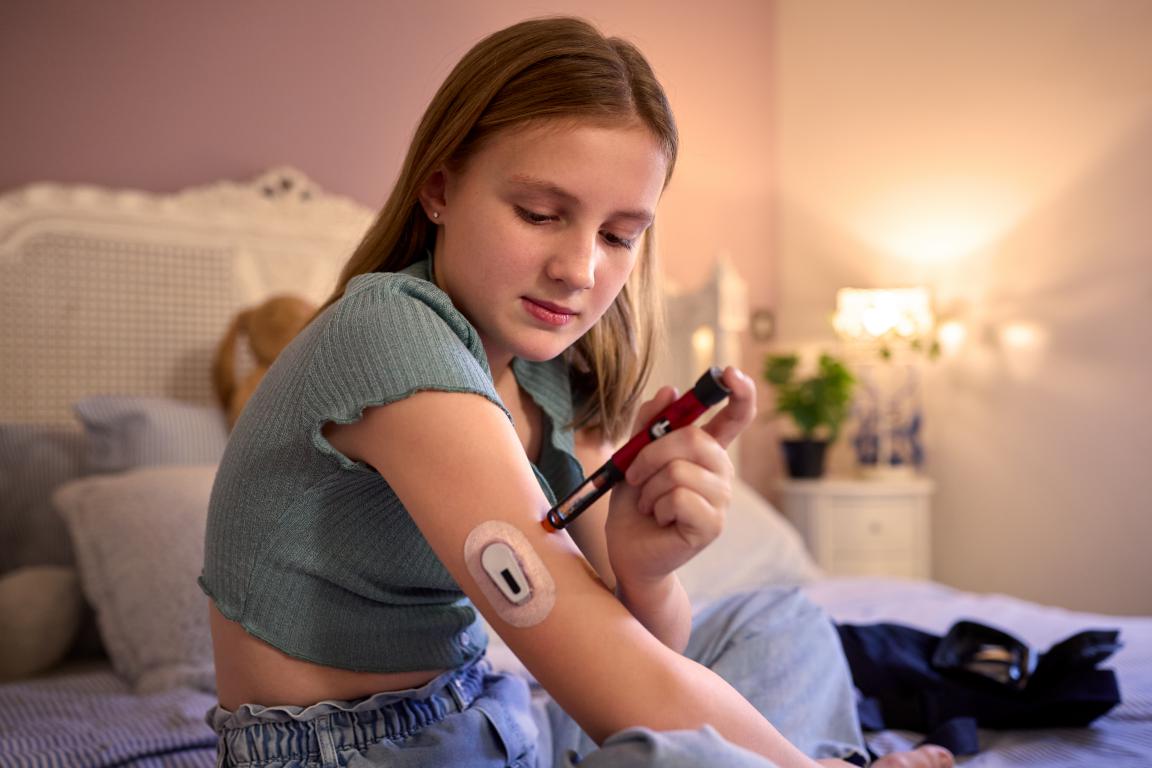
Since your child’s body no longer makes insulin, it has to be given every day. For most young children, this begins with multiple daily injections (MDI):
A long-acting (basal) insulin once or twice a day to provide steady background control.
Quick-acting (bolus) insulin before meals and snacks to cover the carbohydrates in food.
Injections use very fine needles that most children find quick and not too uncomfortable, especially with the right technique. Many families later switch to an insulin pump, which delivers small amounts of insulin continuously through a tiny cannula under the skin – this can be helpful for young children with unpredictable appetites or activity levels. NICE guidelines support starting with an intensive approach like MDI or pump therapy early on, as it helps achieve better control from the beginning.
Learning to check blood glucose
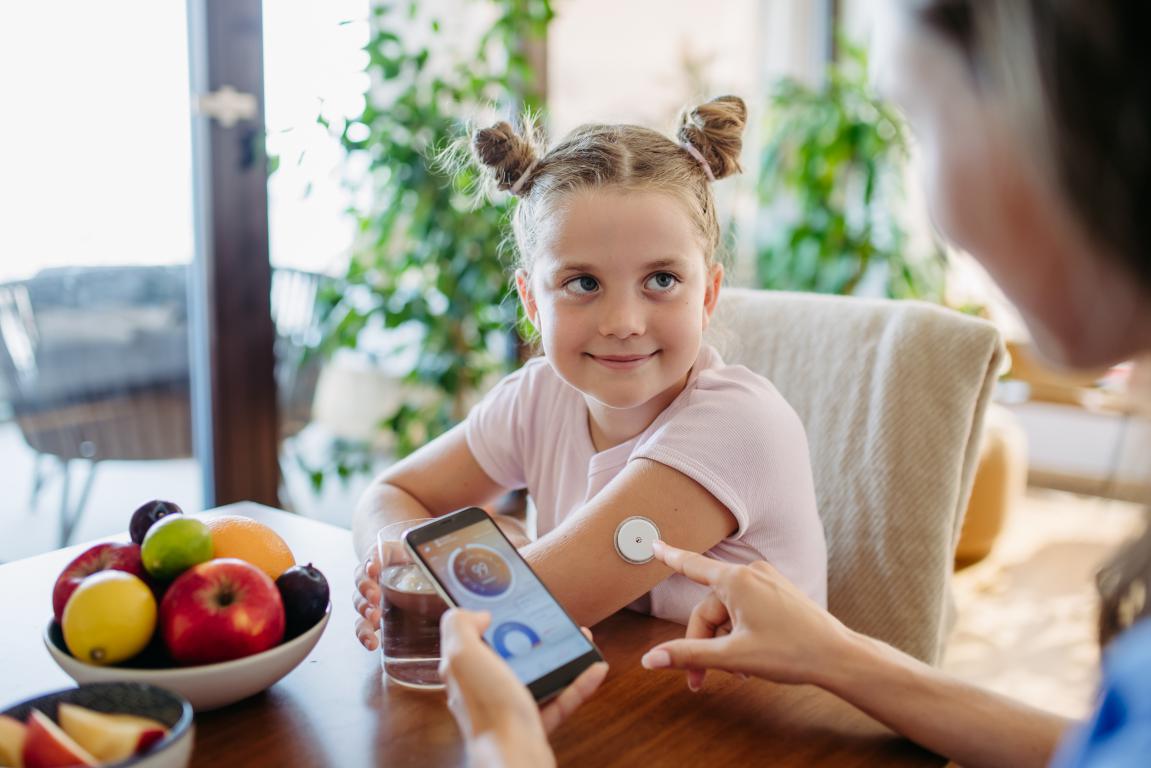
You’ll be shown how to use a finger-prick meter for spot checks, but increasingly, the NHS offers a continuous glucose monitor (CGM) – a small sensor worn on the arm that sends readings to a phone or receiver every few minutes. NICE recommends real-time CGM for all children with type 1 diabetes, as it reduces the number of finger pricks, alerts you to highs or lows early, and helps spot patterns over time. Your diabetes nurse will train you on how to insert the sensor (it’s usually painless) and interpret the data.
Carbohydrate counting and meal planning
Your dietitian will introduce carbohydrate counting at a simple level that works for young children – often starting with the basics of estimating carbs in everyday foods like bread, pasta, fruit, or milk. This lets you match insulin doses to the carbs eaten. There’s no need for a special ‘diabetic diet’ – the focus is on balanced, enjoyable meals with plenty of vegetables, proteins, whole grains, and room for treats in moderation. For fussy eaters or toddlers, it’s about building flexible routines rather than strict rules, and your dietitian will tailor advice to your child’s preferences and habits.
Encouraging physical activity
Activity is important for every child, and it’s encouraged from the start. Exercise helps overall health and can make blood glucose easier to manage, but you’ll learn to check levels before and after play, and keep fast-acting carbs (like fruit juice or glucose tabs) handy to treat or prevent lows. Your team will help you work out what works best for your child’s age and energy levels.
Support for the emotional side
Your paediatric diabetes team includes specialists who understand the feelings that come with a new diagnosis. They’ll help you think about how to explain things to your child in simple, positive ways – for example, saying “Your tummy needs some extra help with sugar, so we give it special medicine.” They’ll also talk about involving siblings, managing worries, and connecting you to peer support groups or parent networks. It’s normal to have questions or feel uncertain, and the team is there to answer them without judgment.
How knowledge builds over time
No one expects you to know everything right away – learning happens gradually through practical sessions, written plans, apps for tracking insulin and glucose, and regular contact with your diabetes nurse or clinic. Common questions like “What if we miss a dose?” or “How do we handle birthdays and parties?” get practical answers tailored to your family. Home visits or phone support in the first few weeks help reinforce what you’ve learned, and clinic appointments every few months allow for adjustments as your child grows. With time, most parents find they become the experts on their own child’s diabetes, feeling more in control and less anxious about daily life.
Daily Management at Home: Insulin, Meals, and Monitoring
With the hospital foundations in place, home life gradually finds its own steady rhythm. The daily tasks — checking levels, giving insulin, planning meals, and fitting in play — become familiar rather than overwhelming, much like any other aspect of caring for a young child.
Settled monitoring routines
Most families rely heavily on CGM for ongoing oversight, with alarms set to catch potential issues early. Finger-prick checks are used sparingly — perhaps just to calibrate the sensor or double-check unusual readings. Overnight, the focus is on keeping levels safely above the low threshold; many parents keep the receiver or phone volume on low nearby so alarms can be heard without fully waking everyone. Patterns often emerge over weeks (for example, mornings consistently higher after a late bedtime snack), and noting these helps fine-tune things at clinic reviews.
Practical insulin use at home
Doses are adjusted based on what you see day to day. For MDI users, bolus timing becomes second nature — quick-acting insulin given just before (or sometimes during) meals once your child is seated and eating reliably. Ratios and correction factors get tweaked by your team as appetite or growth changes. Pump users input carbs directly into the device, which handles much of the maths; corrections are often automatic when using hybrid closed-loop features. Site rotation stays important — a quick daily check of tummy, thighs, bottom, and arms prevents irritation and keeps absorption consistent. If a site looks red or lumpy, switch sooner and mention it at the next nurse contact.
Real-life meals and snacks
Food choices centre on what your child enjoys while keeping nutrition balanced and carbs predictable where possible. Typical family-friendly examples include:
Breakfast: cereal with milk and chopped fruit, or toast with spread and banana.
Mid-morning snack: cheese portion with crackers or a small yogurt pot.
Lunch: sandwiches, wraps, or pasta salad with added veg and protein.
Afternoon snack: fresh fruit with nut butter, carrot sticks with dip, or a milk-based drink.
Dinner: familiar favourites like fish fingers with peas and potatoes, or homemade pizza with vegetable toppings.
For days when eating is unpredictable (teething, illness, or just a fussy phase), have go-to flexible options: smaller portions more often, or a plan to give part of the bolus upfront and the rest once the plate is finished. Water remains the main drink; juice or squash is reserved for treating lows.
Activity and play in everyday life
Nursery sessions, park time, soft play, or dancing at home all count as normal activity. A quick pre-play check helps — if levels are trending down, a small carb snack first avoids interruptions. After active periods, a carb-protein combo (yogurt drink, milk and a biscuit, or cheese on toast) often prevents delayed drops a few hours later. With CGM trends visible, you can often anticipate these shifts and adjust snacks or basal rates in consultation with your team.
Building your child's involvement gently
As they grow, small steps help them feel part of things without pressure: letting them pick a snack from two choices, choose an injection site, or press the button on the CGM reader. These moments build familiarity and confidence over time.
Keeping track and staying in touch with the team
A simple log — whether paper notes, a phone app, or the CGM software itself — captures readings, doses, meals, activity, and anything unusual (extra play, a cold starting, or a birthday treat). Share this data ahead of three-monthly clinic appointments, where HbA1c is reviewed and small changes made for things like growth spurts, starting nursery, or seasonal activity differences. Between appointments, your diabetes nurse is usually a quick call or message away for questions that come up.
The aim is for diabetes care to feel calm and integrated — not the centre of every day — so your child can focus on being a young child, and you can focus on enjoying family life together.
Handling Emergencies: Lows, Highs, and Sick Days
Emergencies can feel scary when your child is young, but knowing exactly what to do – and having practised it – makes them far less frightening. Your paediatric diabetes team will give you a clear, written plan tailored to your child, and they'll go through scenarios with you so the steps become familiar. The key things to remember are: act quickly, stay calm, and contact your team or emergency services when needed. Here's a straightforward guide to the main situations.
Low blood sugar (hypoglycaemia or 'hypo')
A hypo happens when blood glucose drops below 4 mmol/L (or your team's specific target). It can come from too much insulin, skipping or delaying a snack, more activity than expected, or sometimes for no obvious reason. In young children the signs are often subtle at first and can be easy to miss or mistake for ordinary tiredness or moodiness, so you gradually learn to recognise your child's own early warning signals. These might include:
Shakiness or trembling (usually starting in the hands or legs, making them seem unsteady even when sitting)
Sweating or feeling clammy (their skin might feel unexpectedly damp or cool to the touch, even in a normal room temperature)
Looking pale (a sudden loss of colour in the face, cheeks or lips that makes them appear washed out)
Sudden grumpiness, irritability or tearfulness (they may become unusually cranky, cry over small things or seem frustrated without clear cause)
Confusion, clumsiness or staring blankly (they might bump into things, drop toys, have trouble focusing or simply gaze off without responding as normal)
In severe cases, seizures, drowsiness or loss of consciousness (rare if treated promptly, but can involve jerking movements or becoming unresponsive)
How to treat a hypo
Act straight away – even mild signs need quick action because young children can drop fast and feel very unwell very quickly. Start with 10–15g of fast-acting carbohydrate (something sugary that works quickly and is easy for your child to take):
100–150 ml of sugary drink (full-sugar squash diluted with water, Lucozade, or regular cola – never diet versions, as they contain no sugar to raise levels; choose one your child likes so they'll accept it without fuss)
3–5 glucose tablets (these are small, dissolve quickly in the mouth and are made specifically for hypos; most families keep a tube in every bag or pocket)
A small handful of jelly babies or sweets like mini marshmallows (soft, sweet and quick to eat; ideal for toddlers who might refuse tablets or liquids)
Wait 15 minutes and recheck blood glucose (or watch CGM trends closely). If still below 4 mmol/L, repeat the fast carbs – most mild hypos resolve after one or two doses, but keep going every 15 minutes until the level is safely up. Once above 4 mmol/L and your child feels better (usually within 10–20 minutes), give a longer-acting snack if the next meal isn't soon (for example, a biscuit with cheese, toast with peanut butter, or yogurt with some fruit) – this adds slower-release carbs plus protein or fat to stabilise levels and prevent another drop soon after.
For a severe hypo (unconscious, having a seizure, or unable to swallow safely)
Give glucagon immediately – your team will have trained you on either the nasal spray (Baqsimi, which you simply place in one nostril and press) or the injection kit (mixing the powder and liquid then injecting into the thigh, bottom or arm)
Call 999 right away (or ask someone else to call while you give glucagon)
Stay with your child, place them in the recovery position if unconscious, and don't try to give anything by mouth (this protects their airway and prevents choking)
Most hypos are mild and resolve quickly with fast carbs, but always treat them seriously to avoid escalation.
High blood sugar (hyperglycaemia)
Highs (often above 10–14 mmol/L, or whatever your team sets as a correction threshold) can cause thirst, lots of weeing, tiredness, tummy ache, or feeling sick. They often happen after meals, if insulin is missed, during illness, or with stress.
What to do
Give a correction dose of quick-acting insulin as your team has advised (usually based on current reading and carbs already eaten – this is often a written sliding scale or formula you can follow easily)
Encourage water to help flush excess glucose (plain water or sugar-free squash helps keep your child hydrated while the insulin takes effect)
Recheck after 1–2 hours to see if the correction has brought the level down; if not, you may need another dose or to contact the team
If levels stay high (especially over 14–17 mmol/L for several hours) and you see ketones (tested with blood ketone strips or urine strips), this can lead to diabetic ketoacidosis (DKA) if not addressed. Ketones mean the body is breaking down fat for energy because insulin is too low.
When to act urgently
Contact your diabetes team straight away (or out-of-hours advice line) if:
Ketones are moderate or high (blood ketones above 1.5–3.0 mmol/L, depending on guidance) – this shows the body is under stress and needs prompt help
Your child is vomiting, has tummy pain, is breathing fast/deep, or seems drowsy – these are classic signs that DKA may be developing
High glucose with ketones persists despite correction doses – don't wait if things aren't improving after following the plan
In these cases, hospital treatment with fluids and insulin may be needed. Early contact often prevents a full DKA admission.
Sick days
Illnesses like colds, tummy bugs, ear infections, or teething can push blood glucose up (even if eating less) because stress hormones raise levels. Never stop or reduce insulin – your child still needs it, and often more.
Follow your sick-day rules (your team will provide a written plan):
Test blood glucose more often – every 2–4 hours, or use CGM trends closely to catch changes early
Check for ketones at least twice a day, or more if levels are high – blood ketone testing is preferred because it's more accurate than urine strips
Keep giving basal insulin (and boluses as needed) – never skip the background insulin
Offer extra correction doses for highs – follow your team's correction scale or advice to bring levels down safely
Encourage fluids: sugary drinks if low, sugar-free or water if high. Small, frequent sips help prevent dehydration
For low appetite, give insulin for smaller carb amounts or use glucagon if very unwell (your team will advise)
Seek help promptly if:
Persistent vomiting (more than a couple of times) – this can lead to dehydration very quickly in young children
High ketones that don't come down – even with extra insulin, this needs professional assessment
Signs of dehydration (dry mouth, sunken eyes, fewer wet nappies, lethargy) – these are serious in little ones and need urgent care
Your child seems unusually unwell or drowsy – trust your instincts; if something feels wrong, get help
In these situations, go to A&E or call 999 – better to be checked early.
Your emergency kit
Keep a grab-and-go bag or box handy at home and in the car/buggy:
Blood glucose meter (with spare batteries) and/or CGM supplies – always have a backup if the main device fails
Ketone test strips – blood strips are ideal; keep them in date
Insulin pens/vials/pump supplies – extra pens, cartridges, cannulas, and reservoirs for pumps
Fast-acting hypo treatments (glucose tabs, jelly babies, sugary drink) – have a variety so there's something your child will accept
Glucagon kit – check expiry dates regularly and replace if needed
Spare batteries or charger for devices – CGM receivers, pumps, and phones all need power
Medical ID bracelet or card for your child – useful if you're not with them or if paramedics are called
Copy of sick-day plan and team contact numbers – include the out-of-hours number prominently
Practise using the kit and running through hypo/high/sick scenarios with your diabetes nurse – it builds confidence so that if something happens, your response feels automatic. With preparation, most 'emergencies' are handled at home quickly, and serious ones are caught early. Your team is always there to support you through any tricky moments.
Family Life, Emotions, and Support Networks
Diabetes doesn't just affect your child – it ripples through the whole family, touching parents, siblings, grandparents, and everyday routines. Looking after everyone's emotional wellbeing alongside the physical side helps everyone feel more secure and connected. It's normal for the early months to feel intense, and many families find that with time and support, things settle into a new balance where diabetes is managed without overshadowing family life.
Supporting your child emotionally
Young children often pick up on parents' feelings, so using simple, positive words helps them feel safe and capable. Phrases like “Your body needs a little extra help with sugar, so we give it special medicine” or “We're a team that looks after your tummy together” keep things factual and reassuring without blame or fear.
For toddlers and preschoolers:
Make checks and injections part of a calm routine with small rewards – a sticker chart for brave moments, or a favourite song during a finger prick
Let them have small choices where possible, like picking which arm for the CGM sensor or choosing a snack from two options – this builds a sense of control
Watch for signs they might be struggling: more clinginess than usual, changes in sleep or eating, becoming withdrawn, or sudden fears about doctors or needles. If you notice these persisting, talk to your diabetes nurse or the team psychologist early – they can suggest gentle ways to help, like play therapy or simple stories about diabetes.
Supporting siblings
Brothers and sisters can sometimes feel left out when diabetes takes extra time and attention. They might worry about their sibling, feel jealous of the 'special' focus, or resent changes to family plans. Simple steps make a difference:
Involve them in easy, age-appropriate ways – holding the glucose tabs ready, helping pick a site for an injection, or being the 'helper' during a hypo treat
Carve out one-to-one time with each sibling – even 10 minutes of undivided attention for reading or playing can help them feel valued
Answer their questions honestly but gently: “Your brother/sister has diabetes, which means we help with sugar levels, but it doesn't change how much we love everyone the same”
Keeping family traditions going – Sunday dinners, park visits, bedtime stories – as much as possible reassures everyone that life still has its familiar shape.
Looking after yourselves as parents
Parental burnout is common when managing a young child's diabetes – the constant vigilance, night checks, and worry can wear you down. It's okay to admit when you're tired or overwhelmed. Practical ways to ease the load:
Share tasks with your partner, family members, or trusted friends where you can – one person handles evening insulin, another does morning checks
Take short breaks when possible – even a walk alone or a coffee with a friend helps recharge
Prioritise sleep, healthy eating, and exercise for yourself – you're better able to care for your child when you're not running on empty
If feelings of anxiety, low mood, or exhaustion linger, speak to your GP or the team psychologist – support is available for parents too, including counselling if needed.
Financial and practical help
In the UK, you may be eligible for Disability Living Allowance (DLA) for children under 16 if diabetes affects daily life and requires extra care or supervision compared to other children the same age. This can help with extra costs like travel to clinic, hypo supplies, or replacement clothes after accidents. Your diabetes nurse or Diabetes UK can guide you through the application process.
Connecting with other families
Talking to people who truly understand makes a huge difference. Diabetes UK provides:
An online forum where parents share real experiences, tips, and encouragement
Local parent support groups (in-person or virtual) for meeting others nearby
A helpline open every day (0345 123 2399) for practical advice or just to talk things through
Hearing other parents' stories – the good days, the tricky ones, and how they handle holidays or nursery – helps normalise the ups and downs and reminds you that you're not the only one navigating this.
Holidays, celebrations, and special days
Birthdays, Christmas, family trips, and nursery events can all go ahead with a bit of forward planning:
Pack extra hypo treatments, glucagon, spare CGM sensors or insulin, and a copy of your child's care plan
Inform hosts, babysitters, or nursery staff about diabetes basics and hypo signs/treatment
Plan for more frequent checks during travel or busy days, and have a backup for if tech fails (like spare batteries or a meter)
Many families find that with preparation, these occasions become positive memories rather than sources of stress.
Building long-term resilience
Focus on small wins – a steady week of levels, a brave injection, or a fun family outing where diabetes stayed in the background. Encourage your child to join in normal activities – playdates, swimming, dancing class – so they grow up seeing themselves as a child who happens to have diabetes, not defined by it.
Remind the whole family that diabetes is part of life, but not the whole of it. With open conversations, shared responsibilities, and good support around you, families grow stronger and more connected through the experience. Your diabetes team, Diabetes UK, and other parents are there to walk alongside you every step.
Diabetes at Nursery, School, and Playtime
When your young child starts nursery, school or playdates after a diabetes diagnosis, it's normal to feel a mix of excitement for them and worry about how things will work without you there. The reality is that with thoughtful preparation and good communication, children with type 1 diabetes usually settle in well and take part in everything their friends do. In the UK, the Equality Act 2010 requires settings to make reasonable adjustments so your child isn't excluded, and your paediatric diabetes team can support you every step – from drafting plans to training staff or answering questions. This helps diabetes stay in the background while your child focuses on playing, learning and growing.
Preparing for nursery or childminders
Nursery or a childminder is often the first real time away from home, so starting with a solid plan makes a big difference. The Individual Healthcare Plan (IHCP or Diabetes Medical Management Plan) is the main tool – a short document you create with your diabetes specialist nurse and the setting's staff. It includes your child's specific targets for blood glucose, how to use their CGM or meter, insulin timing if needed during the day, hypo and high signs with treatment steps, glucagon use in emergencies, and all the contacts (you, the team, out-of-hours line).
Your nurse can visit to give staff hands-on training, covering how to read CGM alerts, recognise early hypo signs (like sudden tearfulness or shakiness), give fast carbs safely, and use glucagon if ever required. You supply a labelled box with:
Spare CGM sensors, meter strips and lancets so checks are quick and painless
Insulin pens, pump supplies or cartridges if doses fall during the session
Hypo treatments like glucose tablets, jelly babies or pre-measured sugary squash
A glucagon kit with clear instructions and staff trained on it
Spare clothes for any wee accidents from highs or spills from hypos
Quick snacks (cheese sticks, fruit pouches, crackers) to bridge gaps between meals
Many parents add a laminated card with a photo of their child and notes on their usual behaviours or early signs. This setup helps staff feel confident, and your child gets the same care as at home.
Moving to school
School routines are more structured, so the IHCP is reviewed and expanded each year to cover the full day. It details morning arrival checks, lunchtime carb counting and insulin, PE sessions, school trips, and how to handle busy or stressful days. Schools must support full participation under the Equality Act – your child can join sports day, swimming lessons, residentials and after-school clubs without restriction.
Your diabetes team can attend planning meetings if you'd like, and many schools appoint a named staff member (often a teaching assistant or school nurse) as the main contact. Practical arrangements include:
Hypo kits kept in the classroom or with the teacher for easy access
Pre-PE glucose checks and fast carbs ready to prevent lows during active play
Extra supplies packed for trips, with a trained adult responsible for glucagon
Simple info sheets for supply teachers or lunchtime staff
As your child gets older, schools encourage small steps towards independence, like reading their CGM screen or picking a hypo treat, while staff remain in charge of safety.
Playdates, parties and sleepovers
These social experiences are important for confidence and friendships, so don't avoid them – start with short visits and build up. Share a one-page info sheet with the host parent covering:
Your child's typical hypo signs (shakiness, grumpiness, paleness) and high signs (thirst, frequent toilet trips)
Exact hypo treatment steps (e.g., 100–150ml full-sugar squash, wait 15 minutes, recheck, follow with a snack)
Your mobile number and the diabetes team's contact for any concerns
A note that it's okay to call you anytime – most parents are happy to help
Leave a small supply bag with hypo treatments, spare snacks, glucagon and any insulin if the visit includes a meal. For sleepovers, discuss overnight – CGM alarms can alert the host, or you might do a quick bedtime text to check levels. With clear information, other families usually feel supported and your child enjoys the fun without issues.
Sports and clubs
Activity is beneficial for health and often helps stabilise blood glucose long-term, so encourage your child to try any club they fancy. Planning ahead makes it smooth:
Check levels before and after sessions to catch potential lows early
Have fast carbs on hand and follow your team's advice on adjustments (e.g., a small snack post-activity or reduced basal on pump days)
Share basic info with coaches – many are understanding and happy to keep a hypo kit nearby
Diabetes UK offers family activity camps and holiday schemes where trained staff supervise everything, giving children a chance to try sports safely and parents a reassuring break.
Addressing questions, teasing or bullying
It's common for other children to notice differences like checks, extra snacks or injections and ask questions or make comments. Most of the time it's curiosity, not unkindness, but if teasing or bullying happens, address it promptly with the teacher or headteacher. Schools have anti-bullying policies and can handle it sensitively – for example, through a class discussion about differences, one-to-one support for your child, or involving a learning mentor.
Your diabetes nurse can provide resources to help explain diabetes to classmates, such as simple picture books, short videos or puppet stories that show diabetes as just one part of a child. Many parents find that once classmates understand (e.g., "Their body needs extra help with sugar, like some kids need glasses"), friends become protective and inclusive. Talking openly with your child about how to respond to questions can also help them feel more in control – simple phrases like "I have diabetes, so I check my sugar and take medicine" often satisfy curiosity without making a big deal of it.
Transitions between settings
Changing from nursery to Reception, or moving schools, can feel like a fresh start but also a lot to handle. Your diabetes team usually offers extra support during these transitions: reviewing and updating the IHCP, arranging meetings with new staff, providing training sessions, and helping your child practise age-appropriate ways to explain their diabetes if they want to.
This is also a good time to reinforce skills gradually – letting your child choose a site for a sensor or pick a hypo treat – so they build confidence. Transitions are normal for all children, and with preparation, they become opportunities for your child to feel capable and ready for the next stage.
With these plans in place, nursery, school and playtime become positive, ordinary parts of childhood where your child feels included, supported and free to be themselves. Diabetes stays managed in the background, and your child gets to focus on the fun of being little.
Long-Term Care, Technology, and Resources
As your child grows up with type 1 diabetes, the focus shifts gradually from day-to-day management to protecting their long-term health while helping them live a full, active life. The good news is that with consistent care, most children reach adulthood with very few complications and go on to do everything they want to do – university, careers, travel, families of their own. The key is keeping blood glucose as stable as possible over the years, which greatly reduces risks to eyes, kidneys, nerves and heart. Your paediatric diabetes team will be with you through all the stages, adjusting care as your child develops and technology improves.
Protecting long-term health
The single biggest factor in staying well is keeping average blood glucose low over time, measured by HbA1c (a simple blood test done every 3 months). NICE guidelines aim for an HbA1c of 48 mmol/mol or lower where possible, while balancing this with avoiding too many hypos. Good control from early childhood protects against complications that can appear in adulthood if levels stay high for many years – things like retinopathy (eye changes), nephropathy (kidney changes), neuropathy (nerve changes) and higher heart risks.
From around age 12, annual specialist screening starts for these areas:
Eyes: a retinal photograph or eye exam to check the back of the eyes.
Kidneys: a urine test for microalbumin (early sign of changes) and blood pressure check.
Nerves: questions about tingling or numbness, plus foot checks.
Heart: blood pressure, cholesterol and weight monitoring.
From diagnosis, your team also checks regularly for related autoimmune conditions like thyroid problems (usually every year with a blood test) and coeliac disease (initially at diagnosis and then as needed if symptoms appear). These are common alongside type 1 diabetes but treatable, and catching them early keeps everything straightforward.
Growth, puberty and development
Diabetes doesn't stop normal growth or puberty, but stable blood glucose supports it best. Your team monitors height, weight and pubertal development closely, especially during growth spurts when insulin needs often increase. Good control helps avoid delays or irregularities, and most children hit all their milestones on time. If puberty brings mood swings or irregular eating, your diabetes nurse and dietitian can help adjust plans to keep levels steady without extra stress.
Technology that makes life easier
Technology has changed diabetes care dramatically in recent years, and it continues to improve. Continuous glucose monitoring (CGM) is now standard for most children in the UK – a small sensor that tracks levels every few minutes, reduces finger pricks and gives alarms for highs or lows. Many families then move to hybrid closed-loop systems (sometimes called 'artificial pancreas' systems), where the CGM talks to an insulin pump and automatically adjusts basal insulin based on trends. This means less manual work, better overnight control and fewer hypos overall.
NICE recommends these systems for children and young people, and your team will discuss upgrades when your child is ready – often starting with CGM, then pump if not already on one, then closed-loop. Discuss any changes at clinic appointments; the NHS funds them when criteria are met. These tools don't replace your care, but they make daily life smoother and give more freedom.
Resources and support to help along the way
You don't have to figure everything out alone – there are lots of places to turn for practical help, emotional support and the latest information. Here's where to go when you need it:
Diabetes UK (diabetes.org.uk): Their website is full of parent guides, downloadable fact sheets, online forums to chat with other families, local support groups, and events like family weekends or activity days. The helpline (0345 123 2399) is open every day for advice or just to talk things through.
NHS apps and online records: Many trusts provide apps linked to your child's clinic records, so you can view HbA1c results, appointment letters and care plans anytime.
Recommended apps for everyday use: Your team may recommend apps for carb counting (like Carbs and Cals, which is widely used and supported by UK dietitians and Diabetes UK) or tracking (like MySugr for logging and motivation.) Both are available on the Apple App Store and Google Play Store
Books and stories: Look for "Raising a Child with Diabetes" by Linda Siminerio for parents, or simple picture books like "A Sweet Life" or "My Sister Has Diabetes" to help explain things gently to your child or siblings.
Your paediatric diabetes specialist team (PDST): This is your main ongoing support – they handle updates to plans, tweaks for growth or technology, referrals, and keep you informed about new research, guidelines or NHS funding changes.
Stay in regular touch with your team – they are your first point of call for any questions or changes. You're doing an incredible job navigating this – the love, patience and attention you give every day make a huge difference to your child's health and happiness. Reach out to your team, Diabetes UK or other parents whenever you need support. Your child's future really is bright, full of the same possibilities as any other child's, and with the care available in the UK, they have every chance to thrive.