Colostomy Bag Care and Management
Disclaimer
This guide is for informational purposes only and is not a substitute for professional medical advice, diagnosis, or treatment. Always consult a qualified healthcare provider, such as your GP or stoma care nurse, for any personal concerns or questions about your health. The information provided here is based on general established medical knowledge and guidelines from reputable sources like the NHS and Colostomy UK. It is accurate as of December 2025.
Table of Contents
Understanding Your Colostomy
It's completely understandable to feel a mix of emotions—shock, worry, or even grief—when you first learn you'll be living with a colostomy. Many people fear it will disrupt everything from work to family time, but the reality is often much more positive. With the right information, practical adjustments, and support from your stoma care team, most people adapt well and get back to doing the things they love.
What Exactly is a Colostomy?
A colostomy is a surgical procedure that creates an opening, known as a stoma, on your abdomen. This allows waste from your large bowel (the colon) to pass out of your body into a special bag that adheres to your skin.
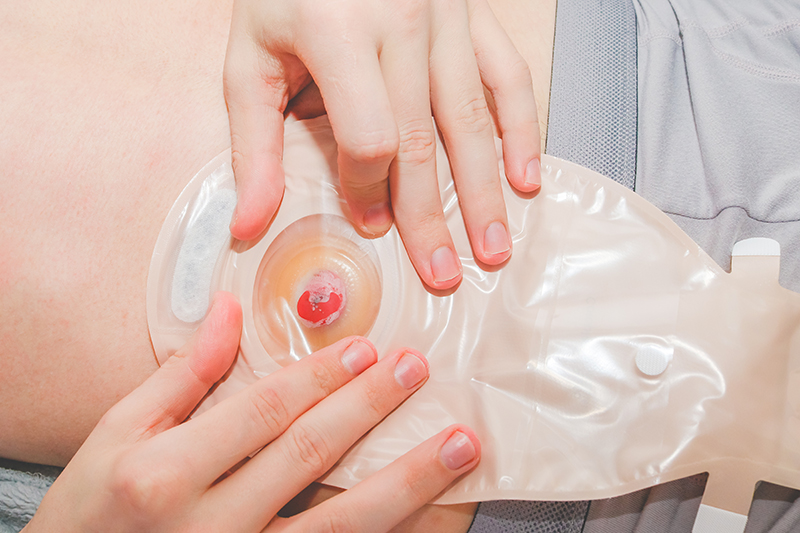
The stoma is formed from the lining of your bowel, which is why it looks pink or red and stays moist, much like the inside of your mouth. Importantly, it has no nerve endings, so touching or cleaning it won't cause pain. A small amount of bleeding if it's rubbed is common and usually nothing to worry about—it stops quickly on its own.
Colostomies come in different types depending on the surgery: an end colostomy (often permanent, where one end of the colon is brought out) or a loop colostomy (usually temporary, where a loop of bowel is pulled through and opened). Your surgeon will explain which type you've had based on your specific situation.
The procedure might be needed for reasons such as bowel cancer, diverticular disease, Crohn's disease, inflammatory bowel conditions, injury, or even to protect healing after other bowel surgery.
Temporary or Permanent?
Many colostomies are temporary, giving your lower bowel time to heal or recover from treatment. In these cases, reversal surgery can often close the stoma later—sometimes after a few months, or even years if further treatments like chemotherapy are involved. Permanent colostomies are more common when part of the bowel has been removed. Your medical team will discuss this clearly with you from the start.
What to Expect from Your Stoma in the Early Days
Right after surgery, your stoma will likely appear swollen and larger than its final size. This is normal as healing takes place over the first 6–12 weeks.
-
During this period, the shape and size can change, so your stoma care nurse will check it regularly and adjust your bag fittings to prevent leaks or skin issues.
-
Output (the stool passing through) is usually formed or semi-formed because the large bowel still absorbs water from waste, just as it did before. However, it might be looser at first due to swelling or medications.
-
Patterns vary: some people empty after meals (a natural reflex), while others find it more unpredictable initially. Over time, as your body adjusts, many develop a reliable routine that's easy to manage.
Living a Full Life with a Colostomy
Thousands of people across the UK live active, fulfilling lives with a colostomy—holding down jobs, playing sports, travelling, and enjoying relationships. Recovery typically takes around 8 weeks before you feel ready for most usual activities, and many report feeling better overall because symptoms like pain or urgency are gone.
Your specialist stoma care nurse is there to guide you every step of the way, from hospital discharge to home. Organisations like Colostomy UK provide free helplines, booklets, and online forums where you can connect with others who've been through the same thing.
Adjustment doesn't happen overnight, and it's fine to take it at your own pace. Reach out for help whenever you need it—whether practical tips or just someone to listen. You're not alone in this, and with time, managing your colostomy will become second nature.
Types of Colostomy Bags and Supplies
It's normal to feel a bit overwhelmed when you're first introduced to the different colostomy bags and supplies available. Choosing the right ones can really boost your day-to-day comfort and confidence, and the good news is that there's no one "best" option—it's about what fits your body, output, and lifestyle. Your stoma care nurse will work closely with you, offering samples from various brands so you can try them at home and find what feels most secure and discreet.
The Two Main Systems: One-Piece and Two-Piece Bags
Colostomy bags generally come in two systems, each with its own practical advantages.
-
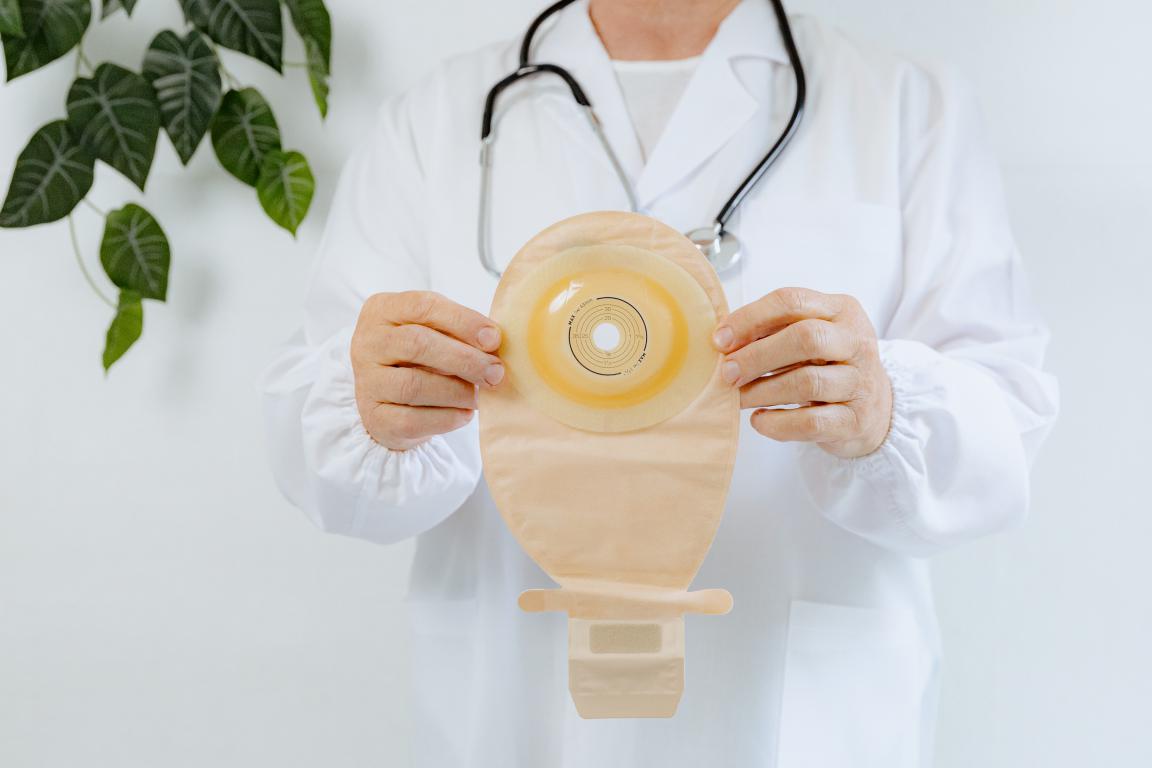
One-piece bags have the pouch and the adhesive baseplate (also called the flange or wafer) joined together as a single unit. This design creates a lower profile against your skin, making it feel more discreet under clothing and often quieter when you move. Many people find them simpler and quicker to apply, especially if dexterity is a concern, and they're a popular starting point for those with a predictable routine who change the whole bag 1–3 times a day.
-
Two-piece bags keep the adhesive baseplate separate from the pouch, which clicks or sticks on securely. The baseplate can stay on your skin for several days (usually 2–4, depending on your skin and output), while you swap just the pouch as needed. This reduces how often you remove adhesive from your skin, which can be gentler if you have sensitive areas or need to empty more frequently. It also gives flexibility—you can rotate the pouch for comfort or switch to a different size without a full change.
Your nurse will help you weigh these up based on things like your stoma shape, skin type, and daily activities.
Closed Bags Versus Drainable Bags
For colostomies, where output is typically formed or semi-formed, the choice often comes down to how you prefer to manage emptying.
-
Closed bags are sealed at the bottom and designed for single use—you remove and dispose of the whole bag when it's about half to two-thirds full, usually 1–3 times a day. They're straightforward, with no closure to fiddle with, and many people like them for their simplicity and because they feel cleaner. Closed bags are especially handy if your output is predictable and solid, or for occasions when you want something very discreet, like swimming or intimacy.
-
Drainable bags have an opening at the bottom (often with a Velcro, clip, or integrated closure) that lets you empty the contents into the toilet several times before changing the bag. They're reusable for a day or more and can be useful if your output is occasionally looser—perhaps due to diet, medication, or an upset stomach—or if you prefer not to change the full system as often. Some people with colostomies choose drainable for overnight use or travel.
Many switch between the two depending on the day, and modern closures make drainable bags secure and easy to handle.
Sizes, Features, and Modern Design Improvements
Today's colostomy bags are much more advanced than older versions, focusing on comfort and discretion. Bags come in a range of sizes to suit different needs:
-
Mini or small bags for lower output or when you want maximum discretion under fitted clothes.
-
Midi or standard sizes for everyday use.
-
Larger bags for higher output, overnight, or longer periods between changes.
Most include a built-in charcoal filter that lets gas escape gradually while neutralising odour—preventing the bag from ballooning and keeping things fresh. Materials are soft, rustle-free fabrics in neutral skin tones (or even black or patterned options from some brands), and many have soft coverings for added comfort against your skin.
Helpful Accessories Available on Prescription
A few extra items can make management easier and protect your skin—these are all available free on NHS prescription.
-
Adhesive remover sprays or wipes gently lift the bag without tugging, reducing irritation during changes. They're especially useful if your skin feels sore or if adhesive builds up.
-
Barrier films, creams, or wipes create a protective layer on the skin around your stoma, helping prevent soreness from output or frequent changes.
-
Seals, rings, or paste fill any creases or uneven areas for a tighter, leak-resistant fit—particularly helpful if your stoma is near a dip or fold.
-
Pouch deodorants or lubricants (drops or sprays added inside the bag) neutralise odour further or prevent "pancaking" (when output sticks near the top and blocks the filter).
-
Disposal bags make throwing away used bags hygienic and discreet.
Your stoma care nurse will assess what you need and add them to your prescription.
Getting Your Supplies in the UK
All colostomy bags and prescribed accessories are provided free on NHS prescription, no matter where you live in the UK. If you're in England and under 60 with a permanent stoma, you'll need a medical exemption certificate (your GP can help with form FP92A) to avoid charges.
You can collect from a pharmacy or use a specialist home delivery service (many are free and discreet). These services often handle your repeat prescriptions directly with your GP, deliver to your door in plain packaging, and offer advice over the phone. Start with what your hospital team recommends, request samples through your nurse, and adjust over time—most people settle on a reliable combination after a few trials.
Remember, it's trial and error at first, but with support, you'll soon find products that let you get on with life feeling secure and comfortable.
Step-by-Step Guide to Changing Your Colostomy Bag
It's completely normal to feel a bit nervous or clumsy when you first start changing your colostomy bag. Many people worry it will be messy or time-consuming, but with a little practice, it really does become straightforward—most find they can do it in 5–10 minutes, often while standing in front of a mirror or sitting comfortably.
Your stoma care nurse will teach you hands-on before you leave hospital and support you until you're confident. The key is finding a routine that suits you, and remember: a good fit prevents leaks and keeps your skin healthy.
When to Change Your Bag
-
Aim to change when the bag is about one-third to half full—this reduces weight on the adhesive and lowers the risk of leaks.
-
If you notice itching, burning, or wetness around the stoma, it could mean output has seeped under the flange—change straight away to protect your skin.
-
Many people with colostomies change 1–3 times a day, often after a bowel movement or at a convenient time like morning or evening.
-
Avoid changing too often, as it can irritate your skin; if you're unsure about your routine, chat to your nurse.
Preparing for a Change
Good preparation makes everything smoother and less stressful. Choose a private, well-lit spot like your bathroom, where you can stand, sit, or use a mirror to see clearly.
Gather everything you'll need and lay it out beforehand so you don't have to hunt mid-change:
-
A new bag (and baseplate if two-piece).
-
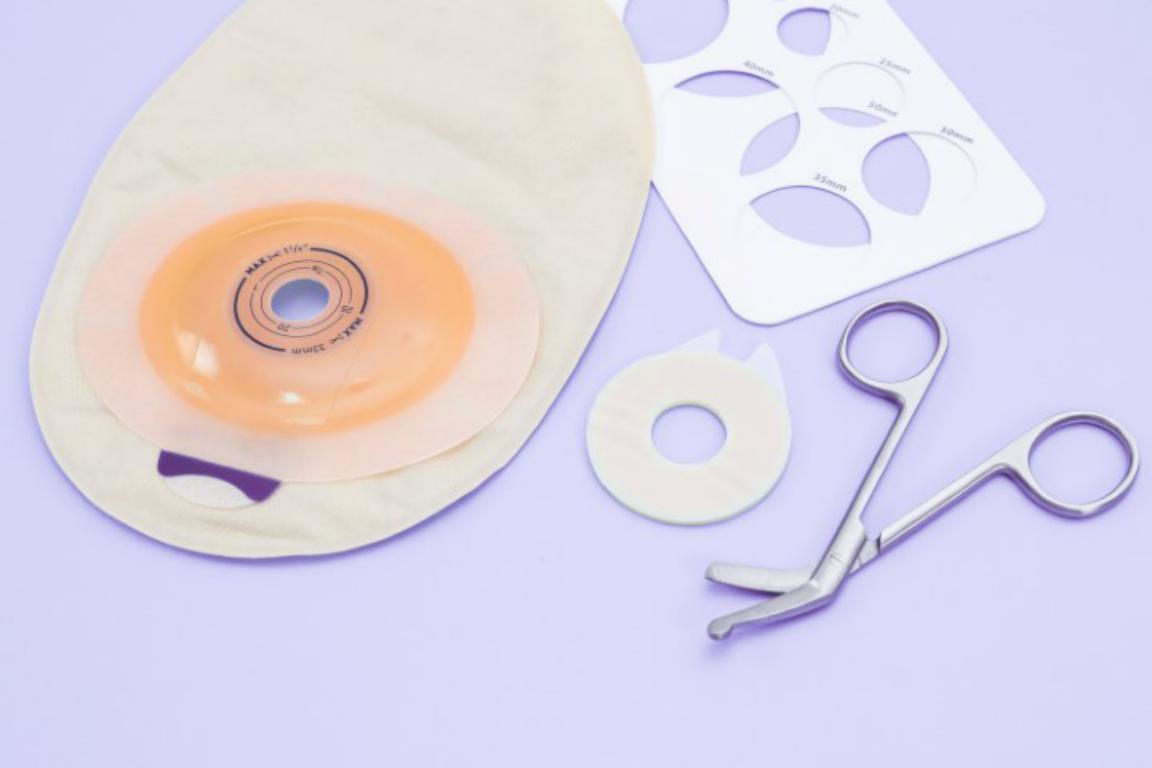
Stoma measuring guide or template (especially important in the first few months as your stoma settles).
-
Sharp scissors if cutting is needed (many suppliers offer pre-cut options).
-
Warm water in a jug or bowl, plus soft dry wipes or a clean cloth.
-
Adhesive remover spray or wipes.
-
Any accessories like barrier film, seals, or paste for uneven skin.
-
Disposal bags (opaque ones help with discretion).
-
A plastic bag or bin liner for rubbish.
Wash your hands thoroughly with soap and water first. Some people find it helpful to warm the new bag slightly (hold against your skin or under your arm) to make the adhesive stick better.
Removing the Old Bag
Take your time here—gentle is best to avoid sore skin.
-
If your bag has contents, empty them into the toilet first (for closed bags, you can skip or carefully snip the bottom if preferred).
-
Start peeling the flange from the top downwards, pushing your skin away with one hand while lifting the adhesive with the other—this supports the skin and reduces pulling.
-
Use adhesive remover spray or wipes to ease it off without tugging; let it soak in for a few seconds if the bag sticks firmly. This is much kinder to your skin over time.
Once off, fold the used bag sticky-side inwards and pop it into a disposal bag.
Cleaning and Drying the Skin Around Your Stoma
Keeping this area clean and dry is crucial for a secure seal and healthy skin.
-
Use plain warm water and soft dry wipes or a gentle cloth to wash around the stoma—no need for soap, as it can leave residue that affects adhesion. Fragrance-free, mild soap is okay if you prefer, but rinse well.
-
Gently pat (don't rub) the skin and stoma dry with fresh dry wipes. Make sure it's completely dry—any moisture stops the new bag sticking properly.
-
Check your skin: it might look slightly pink after removal, but this should fade quickly. If it's red, sore, or broken, contact your stoma nurse for advice.
The stoma itself doesn't need soap; water is enough, and it might bleed a tiny bit if touched—that's normal.
Measuring and Preparing the New Bag
A perfect fit is everything—too tight causes discomfort, too loose risks leaks. Your stoma often shrinks in the first 6–12 weeks after surgery, so measure weekly at first using the card guide provided by your nurse.
-
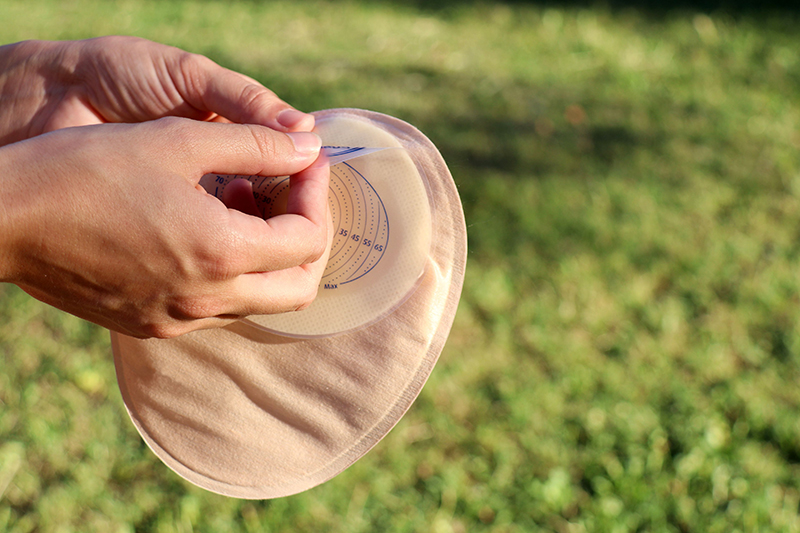
Place the measuring guide over your stoma and choose the hole that leaves just 1–2mm of skin visible all around (no stoma touching the guide, no big gaps).
-
Trace this onto the backing paper of your new flange or use a reusable template. If cutting, aim for a snug but not tight fit—round for round stomas, oval if needed.
-
Many home delivery services can pre-cut bags to your exact template for free—just send it in once you're settled.
-
If your abdomen has creases or dips, apply seals, rings, or a little paste to level things out for a better seal.
Applying the New Bag
Now for the satisfying part—getting it on securely.
-
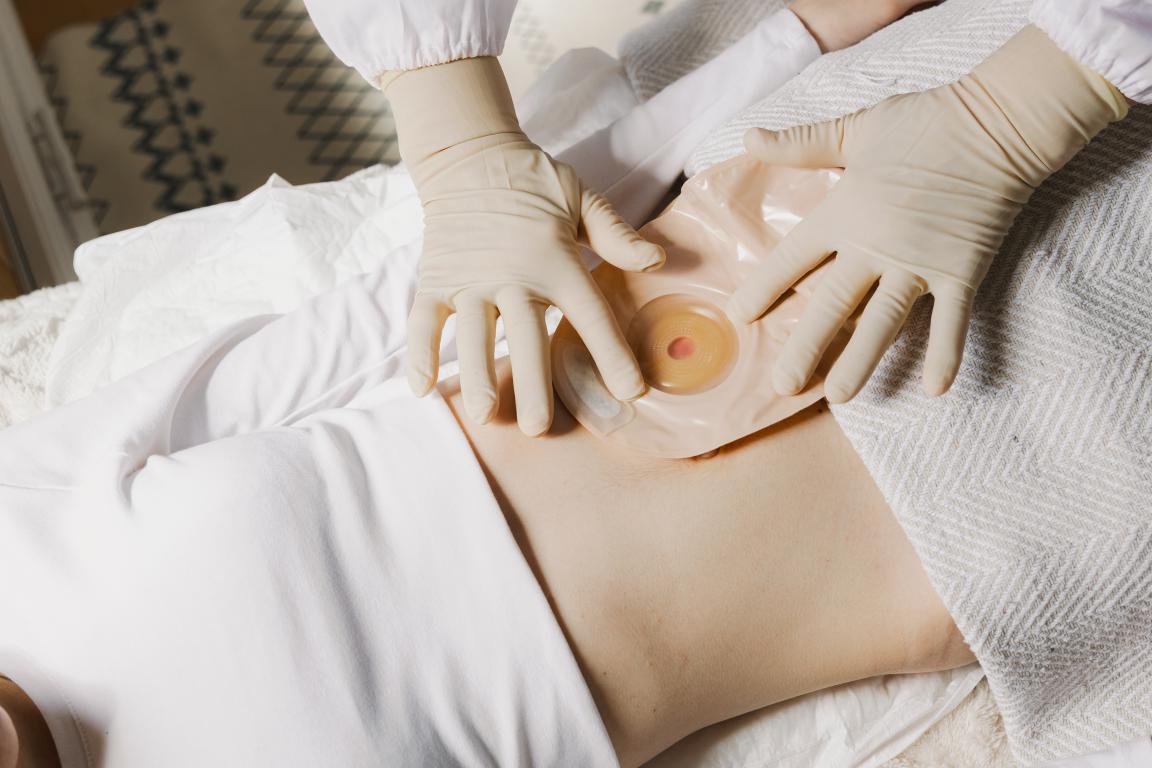
Remove the backing paper from the flange.
-
For one-piece bags: Start at the bottom, align the hole over your stoma, and smooth upwards, pressing firmly to remove creases or air bubbles.
-
For two-piece: Apply the baseplate the same way, then click or stick the pouch on (you can rotate it for comfort).
-
Press around the edges with warm hands for 30–60 seconds—the heat helps the adhesive bond to your skin.
-
Smooth everything flat and check for wrinkles that could cause leaks.
-
Stand up, move around a bit, and give it a gentle tug to confirm it's secure.
Disposal and Final Steps
-
In the UK, used colostomy bags go in normal household waste—there's no need for special clinical collection unless your council offers it.
-
Seal the used bag (and any wipes) in an opaque disposal bag to contain odour and keep things hygienic.
-
Tie it securely and place in your regular bin. Double-bagging or adding a deodoriser helps if you're concerned about smells.
-
Wash your hands again thoroughly.
Building Confidence Over Time
If you get a leak or sore skin occasionally, don't worry—it's common at the start and usually down to fit or technique. Your stoma nurse can troubleshoot, suggest different products, or arrange more samples.
Many people try a few changes with supervision before going solo, and soon it feels as routine as any daily task. You're learning a new skill that gives you control, and with support from your nurse or groups like Colostomy UK, you'll get there at your own pace. If anything doesn't feel right, reach out—they're there to help.
Daily Skin Care and Hygiene
It's understandable to worry about keeping the skin around your stoma (called peristomal skin) healthy—after all, it's exposed to output, adhesives, and frequent changes. The good news is that most people manage this well with simple routines, and healthy peristomal skin looks just like the rest of your abdomen: intact, smooth, and free from redness or soreness. A secure fit on your bag is the foundation, as it prevents leaks that can irritate the skin.
Why Peristomal Skin Health Matters
Problems often start when stool comes into contact with the skin, even briefly, because it can break down the natural barrier. This leads to irritation, but catching issues early makes them easier to fix.
-
Common signs to watch for include redness that doesn't fade quickly after removing the bag, itching, burning, weeping, or broken areas. Slight pinkness right after removal is normal and should settle within minutes.
-
If your skin feels sore or looks different from the surrounding areas, note when it happens—during changes, after leaks, or with certain activities—and mention it to your stoma care nurse.
-
Many skin issues resolve quickly once the cause (like a poor fit or leakage) is addressed, and your nurse can guide you on adjustments.
Everyday Cleaning Routine
Gentle cleaning during bag changes or daily if needed keeps things fresh without stripping natural oils.
-
Use plain warm water and a soft cloth or dry wipes—soap isn't necessary and can leave residue that affects how well the bag sticks. If you like soap, choose a mild, fragrance-free, pH-balanced one and rinse thoroughly.
-
Pat the area dry gently (no rubbing) with a soft towel; you can use a hairdryer on a cool, low setting if it helps, holding it a safe distance away.
-
Avoid perfumed products, baby wipes, or anything with alcohol, as they can dry out or irritate the skin over time.
This simple approach works for most people and helps maintain the skin's natural protection.
Protecting Your Peristomal Skin
A few accessories can add an extra layer of defence, especially if your skin is sensitive or your abdomen has creases.
-
Barrier wipes, films, or sprays form a thin, invisible shield after cleaning and drying, helping guard against moisture and output. They're applied before the new bag and available on prescription—many use them routinely for peace of mind.
-
If your stoma sits flush or slightly below skin level, or if there are dips around it, your nurse might suggest a convex bag (curved gently outward) to improve the seal and direct output into the pouch.
-
For minor irritation, stoma powder (hydrocolloid-based) can absorb moisture and promote healing—dust lightly, rub in, and brush off excess before applying the bag.
Your stoma care nurse will assess your skin and recommend what suits you best; start simple and add products only as needed.
Showering, Bathing, and Swimming
Water won't harm your stoma—it's designed to handle moisture—and many enjoy the freedom of getting wet.
-
You can shower or bath with the bag on or off, whichever feels more comfortable. If off, choose a quiet time when your colostomy is less active (often first thing in the morning).
-
Soap and water run over the area naturally; just pat dry afterwards. Avoid oily bath products, as they might affect adhesion.
-
Once healed (usually 6–8 weeks post-surgery), swimming is fine—use a secure, well-fitting bag, and consider a smaller or supportive one for discretion. Empty beforehand, and dry the area well after.
Many people find showering bag-free refreshing, letting the skin "breathe," but always have supplies ready for a quick change.
Managing Odour
A little odour when emptying or changing is normal, but modern bags handle it well day-to-day.
-
Built-in charcoal filters release gas quietly while neutralising smells—avoid getting output on the filter, as it can block it.
-
Pouch deodorants (drops, sprays, or lubricants) added inside the bag help further; some also prevent pancaking. Foods like natural yoghurt, buttermilk, or parsley may reduce odour for some, while others find certain items increase it—track what works for you.
-
If odour persists outside of emptying, check for small leaks; a quick spray of household air freshener in the room usually suffices.
When to Seek Help
Don't hesitate to contact your stoma care nurse if skin problems don't improve quickly or if you're unsure—they're experts at spotting causes like fit issues, allergies to products, or rarer concerns.
Most peristomal skin stays healthy with consistent care, giving you confidence to carry on with daily life. Your nurse is there for ongoing support, and organisations like Colostomy UK have helplines and resources too. Take it step by step—you'll soon find a routine that feels straightforward and reliable.
Diet, Hydration, and Managing Output
It's completely understandable to feel concerned about how a colostomy might change what you eat and drink—many people imagine strict limits or constant adjustments. In reality, for most with a colostomy, the diet stays much like before surgery because the large bowel still forms stool by absorbing water. With some simple tweaks and time to experiment, you'll likely enjoy a varied, balanced diet that keeps your output manageable and your energy up.
Getting Started with Eating After Surgery
Right after your operation, your medical team will guide you on starting solids gradually, often beginning with lighter foods to let your bowel settle. This phase usually lasts a few weeks, during which output might be looser due to swelling or medications.
-
Aim for regular, smaller meals throughout the day rather than large ones—this helps maintain a steady output pattern and reduces the chance of discomfort or blockages.
-
Chew food thoroughly to break everything down properly and prevent undigested bits from causing issues in the stoma.
-
Incorporate a mix of proteins, carbs, and vegetables from the start to help your body readjust smoothly.
-
Sit upright when eating, relax, and take your time; this habit can cut down on swallowed air, which might otherwise lead to more wind.
-
If feeling nauseous or bloated early on, stick to bland options like toast or boiled potatoes until appetite returns.
-
Keep a simple food diary for the first month to track what works best.
Your stoma nurse or a dietitian can offer personalised tips, especially if you have other health needs.
Staying Hydrated the Right Way
Good hydration is essential for everyone, but with a colostomy, it helps keep output at a comfortable consistency and prevents constipation or dehydration.
-
Drink at least 1.5–2 litres of fluid daily, spread throughout the day. Increase if it's hot, you're active, or feeling unwell. Suitable options include water, tea, coffee, milk, or diluted juices.
-
For higher output (more liquid than usual), focus on fluids that replace salts and electrolytes, like oral rehydration solutions or sports drinks. Sip slowly rather than gulping.
-
Avoid excessive very cold or caffeinated drinks to prevent looser output. Herbal teas like peppermint can be soothing.
-
Signs of dehydration: thirst, dry mouth, dark urine, or tiredness—catch these early by upping intake. Check with your GP if you have heart or kidney conditions.
Most people find hydration routines become second nature, supporting overall wellbeing.
Incorporating Fibre and Balanced Nutrition
Fibre plays a big role in keeping things regular, but introduce it gradually if your output was unpredictable right after surgery.
-
Include wholegrains (brown bread, oats), fruits (apples, pears with skin), and vegetables (carrots, broccoli).
-
Start with soluble fibres (porridge, bananas) which are gentler and can thicken output. Introduce insoluble fibres gradually to avoid wind or loose stools.
-
Pair fibre with protein (nuts, yoghurt) for balanced energy.
-
A balanced plate: half vegetables or fruits, a quarter protein (meat, fish, eggs, beans), a quarter carbs.
-
Vegetarian or dietary preferences can be managed with swaps (lentils for iron, fortified cereals for vitamins). Regular blood tests via GP help monitor nutrients.
No blanket restrictions needed; many enjoy a wide variety of foods once settled.
Foods That Might Influence Your Output
Certain foods can thicken, loosen, or add wind to output—effects vary individually. Test small amounts and note responses.
-
Thickening foods: bananas, white rice, pasta, cheese, marshmallows. Useful for loose stools or proactive management before outings.
-
Loosening foods: spicy dishes, beer, prunes, leafy greens, caffeine, chocolate. Moderate intake and pair with thickeners if needed.
-
Gas-producing foods: onions, beans, cabbage, fizzy drinks. Eat slowly; herbal teas may help. Modern bags handle most gas.
-
Odour-influencing foods: fish, eggs, asparagus, garlic. Remedies: parsley, yoghurt, peppermint tea. Eat earlier in the day to reduce odour during output.
If problems persist, consult your GP or stoma nurse.
Handling Constipation or Loose Output
Occasional changes in output are common, often linked to diet, medication, or activity.
-
Constipation: increase fluids, fibre, and gentle movement like walking. Laxatives may be used short-term under medical advice.
-
Loose output/diarrhoea: use thickeners, avoid looseners, maintain hydration with electrolyte drinks. Seek GP advice if lasting more than a couple of days. Anti-diarrhoeal medication like loperamide may help.
-
Medications may require adjustment since the colon absorbs less; ask your pharmacist about liquid or dissolvable forms.
-
Activity and stress management positively influence digestion.
Making Diet Enjoyable Long-Term
Thousands manage colostomies while eating out, travelling, or celebrating. It's about gradual experimentation and listening to your body. If you have conditions like diabetes or allergies, a dietitian referral via your GP can provide personalised advice, including meal plans or tracking apps. Over time, food can feel enjoyable again rather than a concern, and many report improved eating habits overall.
Common Problems and Practical Solutions
It's completely understandable to feel anxious when you first encounter a problem with your colostomy—many people worry that something is going wrong or that they'll never get it under control. The reassuring reality is that most issues are common, temporary, and have straightforward solutions. Your stoma care nurse is there precisely for these moments, and reaching out early often sorts things quickly. Below, we'll look at the most frequent problems, why they happen, and practical steps you can take.
Leakage Under the Bag
Leakage—when output seeps under the flange—is one of the most reported issues, especially in the early months, but it usually improves with adjustments.
-
The most common causes are changes in stoma size (which naturally shrinks over time), a bag that's become too full and heavy, or uneven skin that prevents a complete seal. Remeasure your stoma every few weeks using the guide provided, and aim to change when the bag is about one-third full to reduce weight on the adhesive.
-
If your abdomen has creases, dips, or moves a lot (for example during exercise), convex bags (which curve gently outward) or seals/rings can create a tighter fit. Warm weather, sweating, or oily skin can also loosen adhesive—extended-wear products or a barrier ring often help. Your nurse can watch you apply a bag and suggest tweaks, such as pressing more firmly or trying a different brand.
-
Once the fit is right, leaks become rare, giving you much greater peace of mind for daily life.
Skin Irritation or Soreness (Peristomal Dermatitis)
Red, sore, or weeping skin around the stoma is usually caused by output contact, adhesive irritation, or frequent changes rather than infection.
-
Start by cleaning gently with plain warm water, patting dry thoroughly, and applying a barrier film or wipe before each new bag to protect the skin. Avoid perfumed soaps, alcohol wipes, or anything that leaves residue. Letting the skin air for 5–10 minutes between changes can help it recover.
-
For minor weeping or raw patches, stoma powder (a fine, absorbent powder) can dry the area and promote healing—apply lightly, rub in gently, then brush off excess before fitting the bag. If soreness persists, your nurse can check for product sensitivities and prescribe a suitable cream or suggest hypoallergenic alternatives.
-
Keeping a brief note of when soreness appears (e.g. after certain foods or activities) can help identify patterns. Most skin issues settle within a few days to a week with consistent care.
Pancaking of Output
Pancaking happens when stool sticks to the top of the bag instead of dropping down, sometimes creating a vacuum that pulls the bag away from the skin.
-
Adding a few drops of baby oil, olive oil, or a commercial lubricant inside the pouch before applying encourages output to slide down more easily. Gently venting the bag (opening it over the toilet to release pressure) can also prevent buildup.
-
If your output is thick and sticky (often from low fluid intake or certain foods), increasing hydration and incorporating thickening foods like white rice or bananas can make a noticeable difference. Adjusting your position when applying the bag—starting from the bottom and smoothing upwards—helps too.
-
Your nurse can recommend anti-pancaking accessories, such as specialised pouch liners or bags with better flow designs. Most people find one simple change stops it happening regularly.
Ballooning from Excess Gas
Wind buildup can make the bag inflate, but modern filter-equipped bags handle most gas effectively.
-
To release trapped gas, carefully open the bag over the toilet or use a vented pouch. Eating more slowly, chewing thoroughly, and avoiding large amounts of known gas-producers (such as fizzy drinks, beans, or brassicas) reduces how much air gets swallowed.
-
If filters become blocked by loose output, switching to a different bag style or adding deodorant drops inside can help. Some people find over-the-counter simethicone (available from pharmacies) or probiotic yoghurts ease wind over time.
-
Keeping a food diary for a week or two often reveals personal triggers, allowing you to enjoy a varied diet while minimising ballooning.
Unusual or Persistent Odour
A mild odour when emptying or changing is normal, but stronger or constant smells usually have a fixable cause.
-
Check that the bag seals properly all around the flange—small gaps let odour escape. Adding pouch deodorants, drops, or neutralisers inside the bag works well for many. Eating odour-reducing foods like parsley, natural yoghurt, or peppermint tea can help from the inside.
-
Emptying more frequently and ensuring the filter stays clear (avoid getting output on it) keeps smells minimal. If odour continues despite a good seal, it could indicate a small leak or dietary change—your nurse can assess and suggest odour-controlling bags or further investigation.
-
With time and refinement, most people find odour becomes barely noticeable to themselves or others.
Parastomal Hernia
A bulge or swelling around the stoma from weakened abdominal muscles is relatively common but often preventable or manageable.
-
In the first few months, avoid heavy lifting, straining, or high-impact activities. Support belts (available on prescription) provide gentle compression and reassurance during daily tasks or exercise.
-
Long-term, maintaining a healthy weight, stopping smoking (which weakens tissues), and doing gentle core-strengthening exercises (once cleared by your team) help strengthen the area. Signs include a soft lump that gets bigger when you cough or stand—report it to your GP or nurse.
-
Many hernias cause no major problems and are managed with belts and posture awareness. Surgery is an option if it affects bag fit or causes discomfort, but plenty of people continue active lives without needing it.
Stoma Retraction or Prolapse
Retraction (stoma sinking below skin level) or prolapse (stoma protruding further) can make bag fitting trickier but are usually manageable.
-
For retraction, convex bags or added seals help push the stoma forward and improve the seal. Your nurse will measure and adjust products to ensure a good fit and prevent leaks.
-
Prolapse can often be gently reduced by lying flat and supporting the stoma; supportive belts or specially designed bags provide ongoing stability. If it suddenly worsens, becomes painful, or changes colour, seek urgent medical advice.
-
Regular checks during routine appointments catch changes early, and most people find a product combination that works reliably.
Blockage (No Output)
A sudden lack of output for more than 24 hours, especially with tummy pain, swelling, or nausea, may indicate a blockage—often from undigested food or medication.
-
Try gentle abdominal massage around the stoma, drinking warm fluids, and walking to stimulate movement. Avoid eating solid food until output resumes.
-
If there's no improvement within a few hours, contact your stoma nurse or GP straight away—sometimes a hospital visit is needed for irrigation or further checks. Preventing blockages involves chewing well, introducing high-fibre foods slowly, and staying well hydrated.
-
Certain medications (like slow-release tablets) can contribute—your pharmacist can suggest alternatives if this happens repeatedly.
Living Well: Activity, Clothing, Intimacy, and Travel
It's completely normal to wonder how a colostomy might affect the things you enjoy most—work, exercise, relationships, or getting away on holiday. The encouraging truth is that thousands of people in the UK live full, active lives with a colostomy, doing everything from running marathons to travelling the world. With a few practical adjustments and some planning, most find they can return to their usual routines and even feel more confident over time. Your stoma care nurse can offer tailored advice as you rebuild your activities at your own pace.
Getting Back to Physical Activity and Exercise
Starting gently after surgery is important, but movement actually supports your recovery and helps regulate output. Once you're home, short walks are one of the best ways to begin—many notice that gentle activity encourages a more predictable pattern without straining the stoma site.
-
In the first 6–12 weeks, focus on light activities like walking, stretching, or swimming once wounds are fully healed. Avoid heavy lifting (nothing over 5–10 kg initially) or strenuous core work until your surgeon clears you, usually around 8 weeks. Gradually building up prevents setbacks and boosts overall energy.
-
As you heal, most sports become possible again: cycling, running, yoga, golf, and gym workouts are common. Contact or high-impact sports (like rugby or martial arts) can carry on with protection—a supportive belt or guard shields the stoma from knocks. Many athletes use low-profile bags and firm support wear for extra security.
-
Core-strengthening exercises, such as Pilates or gentle planks, help prevent parastomal hernias long-term. Start with specialist classes or online resources designed for stoma patients, and always check with your GP or physio first.
Support belts or high-waisted firm underwear (available on prescription or from specialist suppliers) give reassurance during activity, reducing any worry about bulging or movement. Over time, many people feel fitter than before because they're more mindful of their body.
Choosing Clothing for Comfort and Confidence
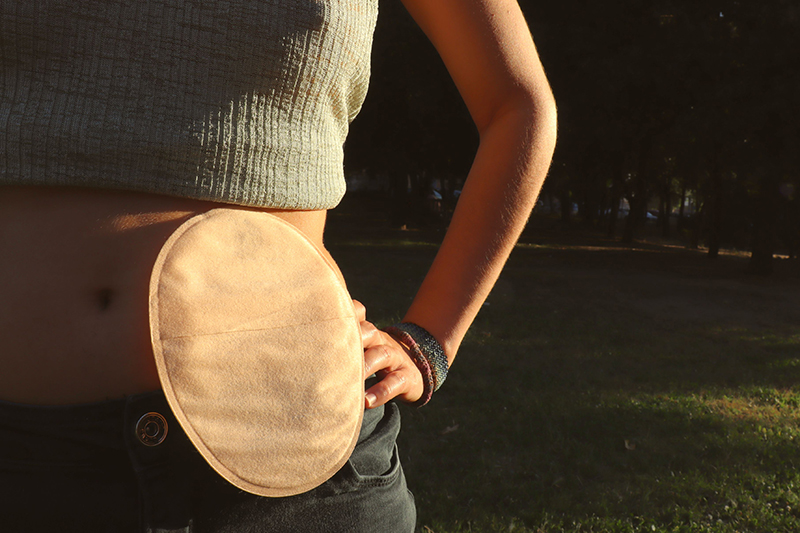
Modern colostomy bags are designed to be flat, quiet, and discreet, so they rarely show under everyday clothes. Most people wear exactly what they did before, but a few simple choices can add peace of mind.
-
Loose or flowing tops, patterned fabrics, or darker colours naturally camouflage any outline. High-waisted trousers, jeans, or skirts cover the bag area comfortably, while tucked-in shirts are fine with a smaller pouch. Layering or accessories like scarves can also help on days when you want extra discretion.
-
Specialised underwear, such as support briefs or ostomy wraps, holds everything securely in place—useful for fitted clothes or active days. Bag covers in soft fabrics or fun patterns (from brands like Vanilla Blush or Comfizz) make the pouch feel less clinical and more comfortable against skin.
-
For formal wear, swimwear, or lingerie, there are tailored options: hidden-pocket garments, one-piece swimsuits with lining, or sexy sets designed for stomas. Suppliers like Respond or Ostomy Secrets offer stylish ranges that look and feel like regular clothing.
Experimenting with what you already own often shows how little needs to change—many are surprised at how invisible their bag stays.
Intimacy and Relationships
Resuming intimacy is a common concern, but most people with a colostomy enjoy fulfilling sexual lives once they're ready. It's okay if it takes time—physical healing, body confidence, and emotional adjustment all play a part.
-
Emptying or changing the bag beforehand leaves you feeling fresh and secure. Small, closed, or mini bags are popular for intimacy, and decorative covers or cummerbund-style wraps add discretion and comfort. Some couples use soft lighting or playful accessories to shift focus positively.
-
Positions that avoid pressure on the stoma area often feel best—experimenting together helps. Open communication with your partner about what feels good (and any worries) builds closeness; many couples find this strengthens their relationship. If you're single, dating apps and communities for ostomates can connect you with understanding partners.
-
If surgery or treatment has affected libido, sensation, or function (for example, nerve changes or menopause symptoms), your GP or stoma nurse can discuss options like lubricants, medications, or counselling. Specialist sexual health advisors through the NHS or Colostomy UK offer confidential support tailored to ostomates.
Remember, attraction and intimacy go far beyond physical changes—most partners focus on connection, and sharing the journey often deepens trust.
Travelling with Confidence
Millions of people with colostomies travel successfully every year, from short breaks to long-haul adventures. A little forward planning removes most hurdles and lets you relax.
-
Pack double the supplies you'll need and split them between hand luggage and hold bags (in case one goes missing). Take your prescription list and a letter from your GP or stoma nurse explaining your medical needs—Colostomy UK provides a free travel certificate in multiple languages for airport security. This helps explain your supplies discreetly if questioned.
-
At security, you can request a private screening if preferred; discreetly show the certificate or say you have a medical device. Bags and accessories are allowed in hand luggage without limit in the UK and EU. Wearing a sunflower lanyard (for hidden disabilities) can also signal to staff that you might need assistance.
-
The RADAR key scheme gives access to thousands of disabled toilets across the UK (keys available cheaply online or from disability organisations). Apps like Flush or Great British Public Toilet Map help locate facilities abroad, and planning routes with accessible stops adds reassurance.
For longer trips:
-
Check travel insurance covers pre-existing conditions—specialist providers like All Clear, Insurancewith, or Staysure offer policies designed for ostomates without excessive premiums. Declaring your colostomy upfront ensures full protection.
-
Hydrate well on flights (dehydration thickens output), move around when possible, and watch sudden diet changes abroad that might loosen stools. Taking familiar snacks or thickeners helps settle things. If staying longer, home delivery services can sometimes arrange supplies at your destination.
-
Time zone changes or new routines might shift your output pattern temporarily—allow flexibility and carry spares for peace of mind.
With these steps, holidays become something to look forward to again—many people report their first trip after surgery as a real milestone in feeling "back to normal."
Living well with a colostomy is about discovering what works for you and building confidence step by step. Your healthcare team, plus charities like Colostomy UK, are there with practical tips and encouragement whenever you need them. Most people find that, over time, the stoma becomes just a small part of a much bigger, vibrant life.
Help and Further Resources
It's completely understandable to feel like you need a bit of extra support now and then—adjusting to life with a colostomy can bring questions or moments when talking to someone who's been through it makes all the difference. The good news is that help is readily available across the UK, from professional teams to friendly charities and peer communities. Reaching out is a sign of strength, and many people find these resources transform their experience.
Your Key Professional Support
Your specialist stoma care nurse is often the first and best point of contact—they know your history, can troubleshoot issues over the phone, and arrange home visits or clinic appointments as needed.
-
They can be reached directly using the details provided at discharge, or your GP can refer you back if it's been a while. NHS stoma care teams are free and ongoing, with many offering regular reviews, especially in the first year.
-
Don't hesitate to call, even for what feels like a small worry; they're there to help you feel confident.
Leading Charities and Organisations
Several trusted UK charities focus on stoma care and related conditions, offering free, reliable information and support.
-
Colostomy UK is a dedicated charity run by and for people with stomas. They provide a 24/7 helpline (0800 328 4257), free booklets and factsheets, a quarterly magazine called Tidings, online resources, and local support groups across the country. Their website includes practical guides, a "Stoma Friendly" directory for accessible venues, and a free travel certificate to ease airport security.
-
Crohn's And Colitis UK offers excellent support if your colostomy relates to inflammatory bowel disease, including helplines, information packs, and local networks.
-
Ileostomy And Internal Pouch Support is the sister charity for those with ileostomies or internal pouches, but many resources overlap and their community welcomes colostomates too.
These organisations are independent, evidence-based, and focused on improving quality of life.
Peer Support and Local Groups
Connecting with others who understand day-to-day realities can be incredibly reassuring.
-
Many areas have local stoma support groups run through Colostomy UK or hospitals—these meet regularly (in person or online) for coffee, chats, and guest speakers. Search for groups near you on the Colostomy UK website or ask your stoma nurse for details.
-
Online forums and closed Facebook groups linked to these charities let you ask questions anonymously and share tips at any time. Reading others' stories often helps put your own experience in perspective.
A Few Extra Practical Tools
For added peace of mind when you're out and about, many people with a colostomy find it helpful to carry a discreet medical alert card that briefly explains their condition in case of emergencies—options designed specifically for this are available on our website and can slip easily into a wallet.
-
The RADAR National Key Scheme (now known as the National Key Scheme or NKS) provides access to thousands of locked accessible toilets across the UK—official keys are inexpensive and available from Disability Rights UK or other authorised suppliers online.
-
Apps like the Great British Public Toilet Map or Flush Toilet Finder (available on your app store) can help locate facilities wherever you are.
-
Your GP practice can signpost local wellbeing services if you're feeling low or anxious—talking therapies are often available without long waits.
Remember, support is there for the long term, not just the early days. Whether you need practical advice, product samples, or simply someone to listen, these resources are ready to help. You're part of a large, supportive community—reaching out can make all the difference in feeling empowered and positive about life ahead.
Frequently Asked Questions
Many people have similar questions when starting out with a colostomy, and it's reassuring to know that most concerns have simple answers. This section covers some of the most common ones, drawing from experiences shared by others and guidance from sources like the NHS and Colostomy UK. Remember, everyone's situation is unique, so chat to your stoma care nurse for personalised advice.
How Often Should I Change My Colostomy Bag?
Changing frequency depends on your bag type, output, and what feels right for you, but most people develop a consistent routine within a few weeks. For closed bags, which are popular for formed or semi-formed output, aim to change 1–3 times a day when the bag is about one-third to half full—this prevents it from getting too heavy and reduces the chance of leaks or skin irritation. Drainable bags can be emptied several times daily into the toilet and typically only need a full change every 1–3 days, or sooner if the adhesive starts to loosen. If your output changes (perhaps due to diet or medication), adjust accordingly, and your nurse can help refine this until it becomes second nature.
Will People Notice My Bag?
One of the biggest initial worries is visibility, but modern colostomy bags are made to be as unobtrusive as possible. They lie flat against your skin, are silent (no crinkling sounds), and come in skin-toned or neutral shades that blend under clothing—most people find they're not noticeable at all, even in fitted outfits like jeans or dresses. Choosing loose tops, patterns, or darker fabrics can add extra discretion if needed, and over time, many forget the bag is there themselves. If you're concerned about specific activities like work or social events, trying different sizes or supportive underwear can boost your confidence.
Can I Shower or Bath with My Colostomy?
Absolutely, water won't harm your stoma or bag, and many find bathing a relaxing part of their routine. You can shower or bath with the bag on or off—without it, choose a time when output is quieter, like first thing in the morning, and simply let water run over the stoma. If using soap, opt for mild, fragrance-free types and rinse thoroughly to avoid residue affecting adhesion. Once healed, this becomes effortless, and it even gives your skin a chance to breathe if you remove the bag briefly.
What If I Get Diarrhoea?
Loose output can happen occasionally due to food, stress, or illness, but there are ways to manage it effectively. Increase thickening foods like bananas, white rice, cheese, or marshmallows to firm things up, while cutting back on looseners such as spicy meals, caffeine, or leafy greens—staying well hydrated with electrolyte drinks helps too. If it persists for more than a couple of days, feels severe, or comes with pain, contact your GP, as it might need anti-diarrhoeal medication like loperamide or further checks. Most episodes pass quickly with these adjustments, and tracking in a food diary can prevent repeats.
Is Swimming Allowed?
Yes, swimming is perfectly fine once your stoma and surgical site have healed, usually after 6–8 weeks—many people enjoy it as a low-impact way to stay active. Use a smaller, secure bag or add waterproof tape around the edges for extra hold, and empty beforehand to keep it light. Changing in a private cubicle afterwards is straightforward, and specialist swimwear with built-in support is available if you want more discretion. Thousands swim regularly without issues, from pools to the sea, and it often becomes a favourite activity again.
How Do I Manage Odour?
A little odour when emptying is normal, but day-to-day, it's rarely a problem with today's bags. Ensure a good seal around the flange to prevent escapes, and add deodorant drops or sprays inside the pouch for neutralisation—built-in filters also release gas quietly while controlling smells. Empty in a well-ventilated bathroom and use a household air freshener if needed, avoiding strong scents near the stoma. Diet tweaks like more yoghurt or parsley can help for some, and if odour seems unusual, your nurse can check for leaks or suggest better products.
Can I Still Eat My Favourite Foods?
The vast majority of foods are fine, and you don't need to cut out favourites permanently—it's more about balance and listening to your body. Introduce items gradually, chew thoroughly to aid digestion and avoid blockages, and keep a diary to track any reactions like wind or looseness. Over time, most people enjoy a normal, varied diet, from curries to chocolate, without restrictions. If certain foods consistently cause issues, your dietitian can suggest alternatives that keep meals enjoyable.
What About Flying?
Flying is straightforward for most with a colostomy, though a bit of preparation helps. Carry extra supplies in your hand luggage (double what you think you'll need) and get a travel certificate from Colostomy UK to explain your medical items at security—bags can go through scanners safely. Cabin pressure might cause slight ballooning from gas, so vent carefully over the toilet if needed. Hydrate well to keep output consistent, and many fly long-haul without problems, treating it like any other trip.
Will I Need Special Insurance for Travel?
Yes, it's important to declare your colostomy as a pre-existing condition to ensure full coverage. Standard policies might exclude related issues, so use specialist insurers recommended by Colostomy UK, like those offering tailored plans without high premiums. This covers potential medical needs abroad, such as supplies or care, giving peace of mind. Shop around via comparison sites, and always read the terms before buying.
When Should I Contact My Stoma Nurse?
Reach out whenever something doesn't feel right—better early than letting small issues grow. Common reasons include persistent leaks, sore skin that doesn't improve, sudden changes in output (like none for 24 hours or very loose), or general worries about fit or routine. They can assess over the phone, suggest product changes, or see you in person. It's their job to support you long-term, and most find these check-ins reassuring as they adjust.
Conclusion
It's completely understandable if the idea of living with a colostomy feels daunting at first—many people go through a period of adjustment, wondering how it will fit into their everyday lives. The encouraging reality, shared by thousands across the UK, is that it does become just a small part of daily routine for most, allowing you to focus on family, work, hobbies, and everything that matters to you.
Looking Back at the Key Points
A few practical habits make the biggest difference to comfort and confidence.
-
Prioritising a good bag fit—measuring regularly, changing at the right time, and using accessories when needed—keeps your skin healthy and prevents most leaks or irritation.
-
Eating a balanced, varied diet with plenty of fluids (aim for 1.5–2 litres a day) supports regular, manageable output, while gradual experimentation lets you enjoy favourite foods without worry.
-
Staying active in ways that feel good—starting gently and building up—helps both physically and emotionally, often leaving people feeling stronger overall.
Regular contact with your stoma care nurse, even for quick questions, catches any small issues early and gives you tailored solutions as your body settles.
The Bigger Picture
Experiences and research consistently show that the majority of people adapt well, returning to—or even expanding—their usual activities, from demanding jobs and sports to intimate relationships and travel abroad. Modern products are discreet and reliable, and complications, when they arise, are almost always straightforward to manage with the right support.
This guide is general information only—your situation is unique, and professional medical advice from your GP, stoma nurse, or specialist is essential for personalised guidance.
This information is accurate as of December 2025. Medical knowledge and products continue to evolve, so always consult a healthcare professional for the latest advice.
© 2024 The Card Project Uk Ltd
VAT: 453 2087 06
|