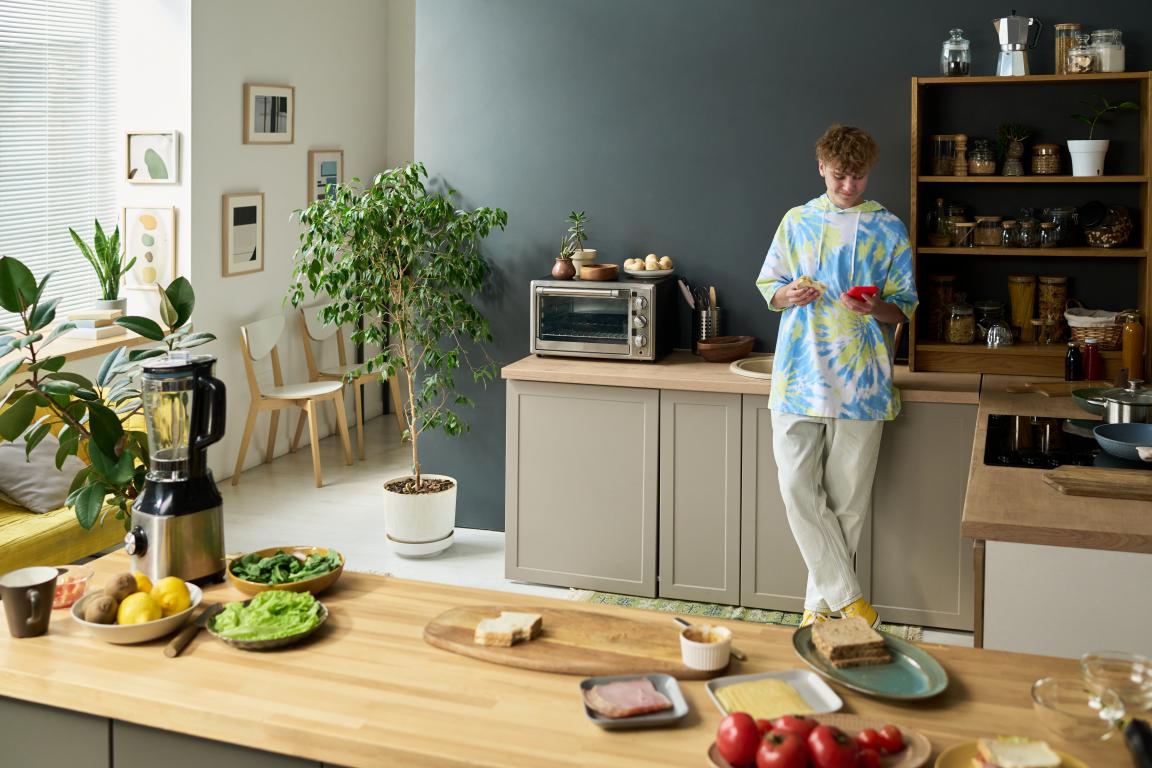
Creating a Stress-Free Home Environment After a Brain Injury
Coming home from the hospital or a rehabilitation center is a massive milestone. It is the moment every family looks forward to during the long weeks of recovery. But once the front door closes and the initial excitement settles, many families are surprised to find that being home brings a whole new wave of anxiety and stress.
Suddenly, the highly structured, quiet environment of the hospital is replaced by the chaotic reality of everyday life. The phone rings, the washing machine spins, clutter piles up on the kitchen counter, and visitors drop by. For a healing brain, this sudden shift can feel like a sensory assault.
Our homes should be our safe havens, but after a brain injury, a busy household can easily become a major source of confusion and frustration. This guide is here to show you how to make small, simple changes to your living space and your daily habits to create a calm, stress-free home where your loved one can heal and you can both breathe a little easier.
The Invisible Weight of "Visual Noise"
When we think of a stressful environment, we usually think of loud noises or hectic schedules. But for someone with a brain injury, what they see can be just as exhausting as what they hear. We call this "visual noise."
A healthy brain is incredibly good at filtering out background clutter. When you walk into a kitchen with mail piled on the counter, dishes in the sink, and fridge magnets everywhere, your brain registers the mess but doesn't get overwhelmed by it. It simply ignores the distractions so you can focus on making a cup of tea.
After a brain injury, that filtering system is often compromised. The brain tries to process every single object in its field of vision with the same level of importance. A cluttered room is not just untidy; to a healing brain, it is actively loud. It demands mental energy just to look at it, which can quickly lead to fatigue, irritability, and confusion.
You can help instantly by decluttering the spaces where your loved one spends the most time:
-
Clear the counters: Keep kitchen worktops and coffee tables as bare as possible. If things don’t need to be out, put them away in a cupboard.
-
Simplify the decor: Consider putting away busy patterns, loud artwork, or excessive knick-knacks for a while. Neutral, calm spaces are much easier for a recovering brain to rest in.
-
Keep paths clear: Make sure hallways and walkways are free of clutter, shoes, or bags. Not only does this reduce mental stress, but it also prevents trips and falls if their coordination or balance has been affected.
The Magic of Predictability and Routine
Imagine waking up every day and having absolutely no idea what is going to happen next, who is coming to visit, or where your things are. That level of uncertainty is incredibly anxiety-inducing, yet it is exactly how many brain injury survivors feel when their daily life lacks structure.
Because memory and processing speeds are often disrupted, surprises—even good ones—can feel very threatening to a healing brain. Creating a predictable daily routine is like giving your loved one a reassuring map of their day.
You don’t need to run your home like a military camp, but having a basic structure makes a world of difference:
-
Keep consistent timings: Try to keep wake-up times, mealtimes, and bedtime relatively consistent every day. This helps regulate their internal clock and manages energy levels.
-
Write down the daily rhythm: Use a simple, clear calendar or whiteboard in a central location (like the kitchen) to write down what is happening each day. If there is a doctor’s appointment or a family member visiting, put it on the board. This saves your loved one from having to constantly ask what is happening next, reducing their anxiety.
-
Give plenty of warning: If plans have to change, explain the change calmly and as early as possible. Give them time to process the new plan before it happens.
Creating a Designated "Quiet Zone"
No matter how hard you try to keep the house calm, there will be times when daily life gets noisy. Dinner needs to be cooked, children or grandchildren might visit, or the vacuum cleaner needs to run.
To make sure your loved one doesn't hit a sensory wall during these busy times, establish a dedicated "Quiet Zone" in the house. This should be a specific room—usually a bedroom—where they can retreat to escape all stimulation.
Make this room a sanctuary:
-
Block out the light: Use blackout curtains or blinds so they can make the room completely dark, even in the middle of the day.
-
Keep it screen-free: No televisions, tablets, or phones should be used in this space. True brain rest requires a break from the constant flicker of screens.
-
Set the ground rules: Make sure everyone in the house knows that when your loved one is in the Quiet Zone, they are not to be disturbed unless it is an emergency. This gives them the peace of mind to truly let their guard down and rest.
Simple Visual Prompts Around the House
When memory is a struggle, everyday tasks can feel like an embarrassing hurdle. Your loved one might forget which cupboard holds the mugs, where the clean towels live, or how to turn on the shower. Rather than asking for help every time—which can make them feel childish or dependent—they might simply avoid doing things altogether.
You can restore a huge amount of their independence by using simple, subtle visual prompts around the house:
-
Label the cupboards: Use neat, plain labels on the outside of kitchen or bathroom cabinets (e.g., "Mugs," "Plates," "Towels"). It might feel strange at first, but it instantly removes the frustration of searching through multiple doors.
-
Write down instructions: If there is a appliance that is tricky to use, like the washing machine or the microwave, write down a very simple, step-by-step guide on a post-it note and stick it nearby. Keep the steps short:
-
Press power.
-
Turn dial to Quick Wash.
-
Press Start.
-
The "Key Drop": Place a small bowl or tray right by the front door. Make it an absolute rule that keys, wallets, and glasses always live in this bowl. If these essential items have a permanent home, your loved one won’t have to waste precious mental energy hunting for them.
A Safety Net at Home: The Medical ID Card
While we focus a lot on how a medical ID card helps when your loved one is out in public, it is also an incredibly useful tool to have right at the center of your home setup.
When a brain injury affects memory or speech, emergencies at home can feel doubly frightening. If you are out of the house and a neighbor, a visiting carer, or an emergency service worker needs to assist your loved one, they need to know the facts immediately.
Keeping their medical ID card in a designated, easy-to-find spot—such as in the key bowl by the front door or stuck to the fridge—ensures that vital information is always at hand. If a paramedic or a new support worker comes into the home, the card does the talking for them. It explains their specific injury, lists emergency contact numbers, and notes any critical medical details. It takes the pressure off your loved one to explain themselves during a high-stress moment and gives you peace of mind knowing that their medical voice is always present, even when you aren't.
Healing Takes a Calm Space
Adapting to life after a brain injury is a long, winding journey, and the physical environment plays a massive role in how smoothly that journey goes. By reducing visual clutter, building a gentle daily routine, and making simple adjustments to how you organize your space, you aren't just tidying up—you are actively helping their brain heal.
Be patient with the process. You don’t have to change everything overnight. Start with one small area—like clearing a kitchen counter or setting up a whiteboard—and see how it affects the mood in your home. Over time, these small shifts will add up, transforming your home back into what it was always meant to be: a place of comfort, safety, and rest.