Diabetic Alert Dogs in the UK: Training Tips and Legal Advice
Table of Contents
This guide covers everything you need to know about diabetic alert dogs in the UK, from how they work and how to train them, to your legal rights and practical tips for everyday life. Whether you’re considering getting a dog or looking to improve your current companion’s skills, you’ll find clear advice and guidance throughout.
Introduction to Diabetic Alert Dogs
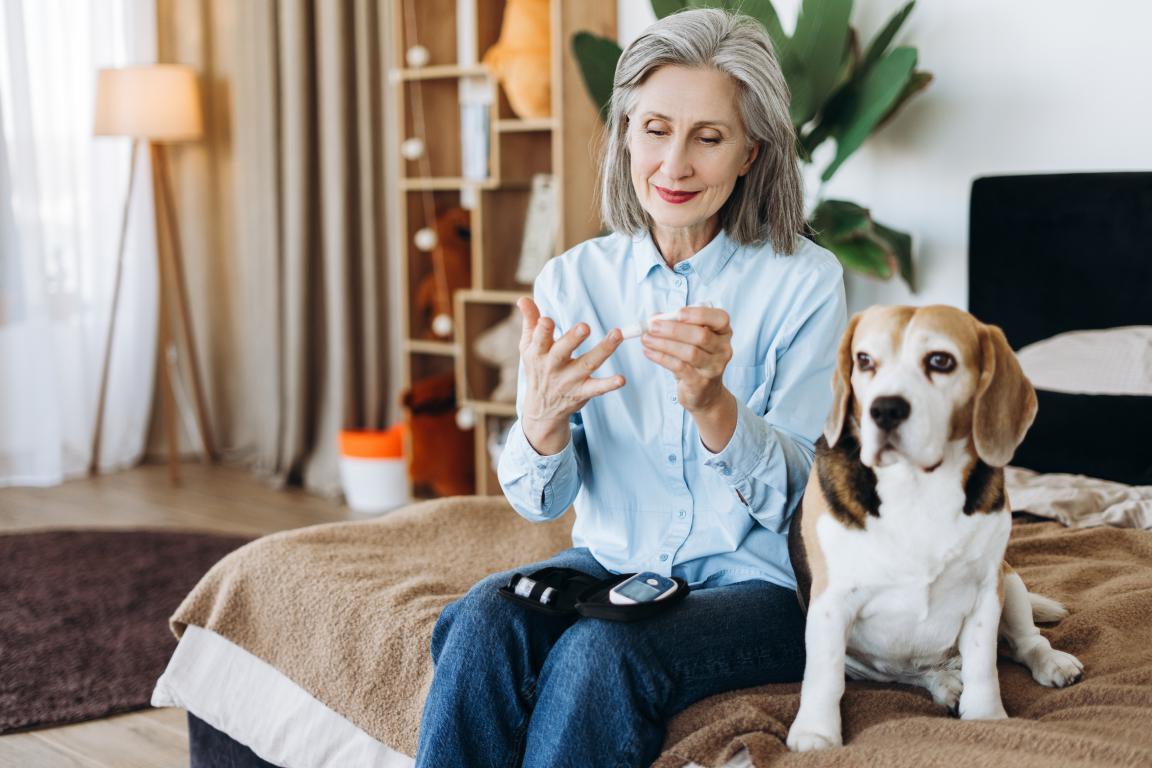
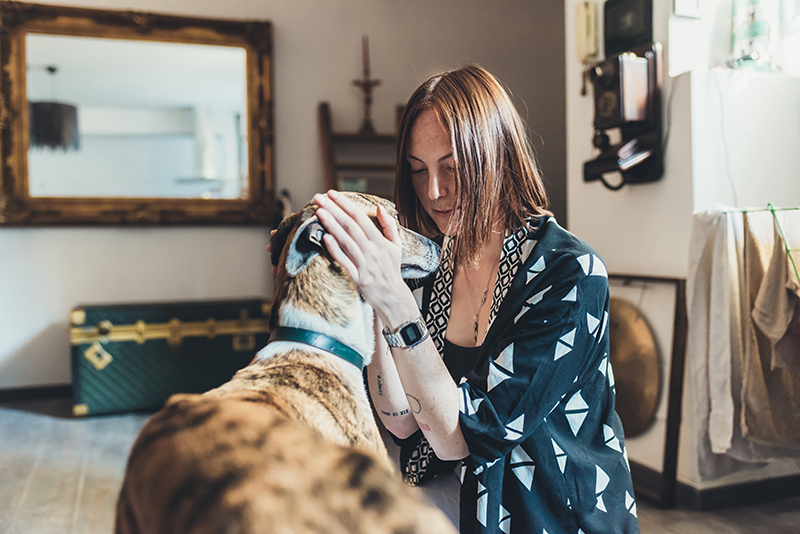
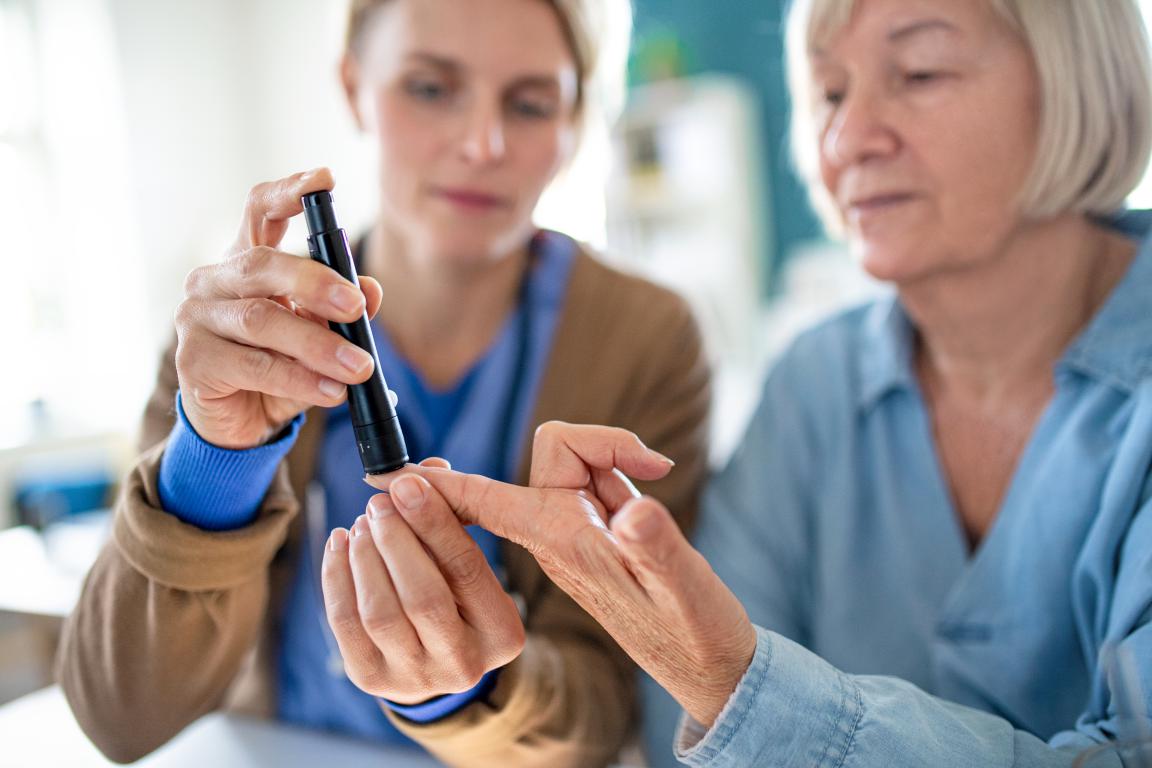
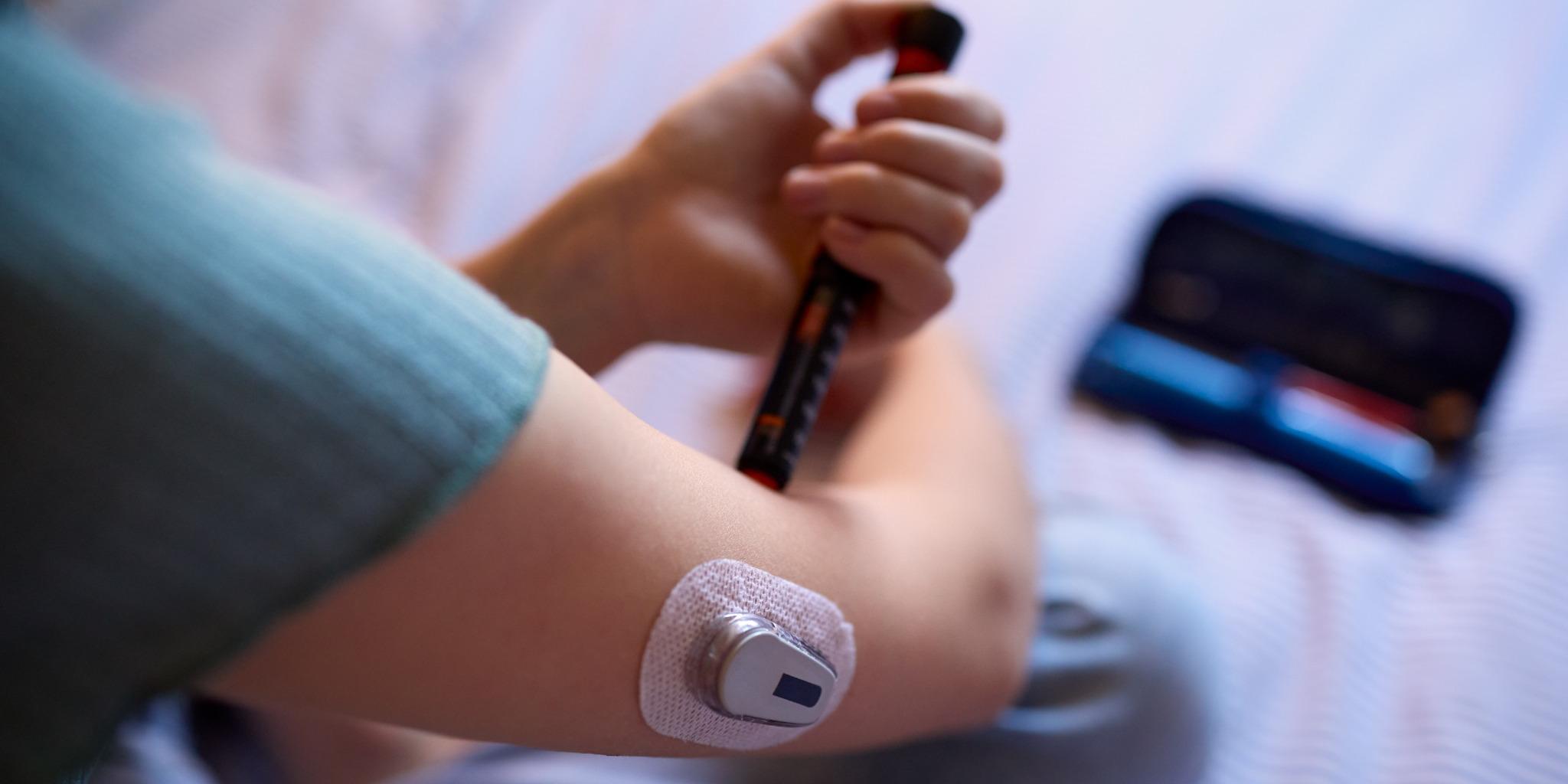
Managing diabetes, particularly type 1, often means dealing with unpredictable blood sugar levels. Sudden drops – known as hypos or hypoglycaemia – can happen without much warning, and this worry affects many families every day. This is where diabetic alert dogs can help. These are specially trained dogs that use their strong sense of smell to detect changes in blood glucose early, giving you time to check and act before a hypo becomes serious.
In the UK, diabetic alert dogs are increasingly seen as a helpful support for people with diabetes, especially those who have lost awareness of their hypos. Charities like Medical Detection Dogs and Hypo Hounds lead the way in training them. These dogs focus mainly on spotting low blood sugar, though some also alert to highs. They provide an extra layer of reassurance, particularly at night or during activities when technology alone might not be enough.
What Exactly Do These Dogs Do?
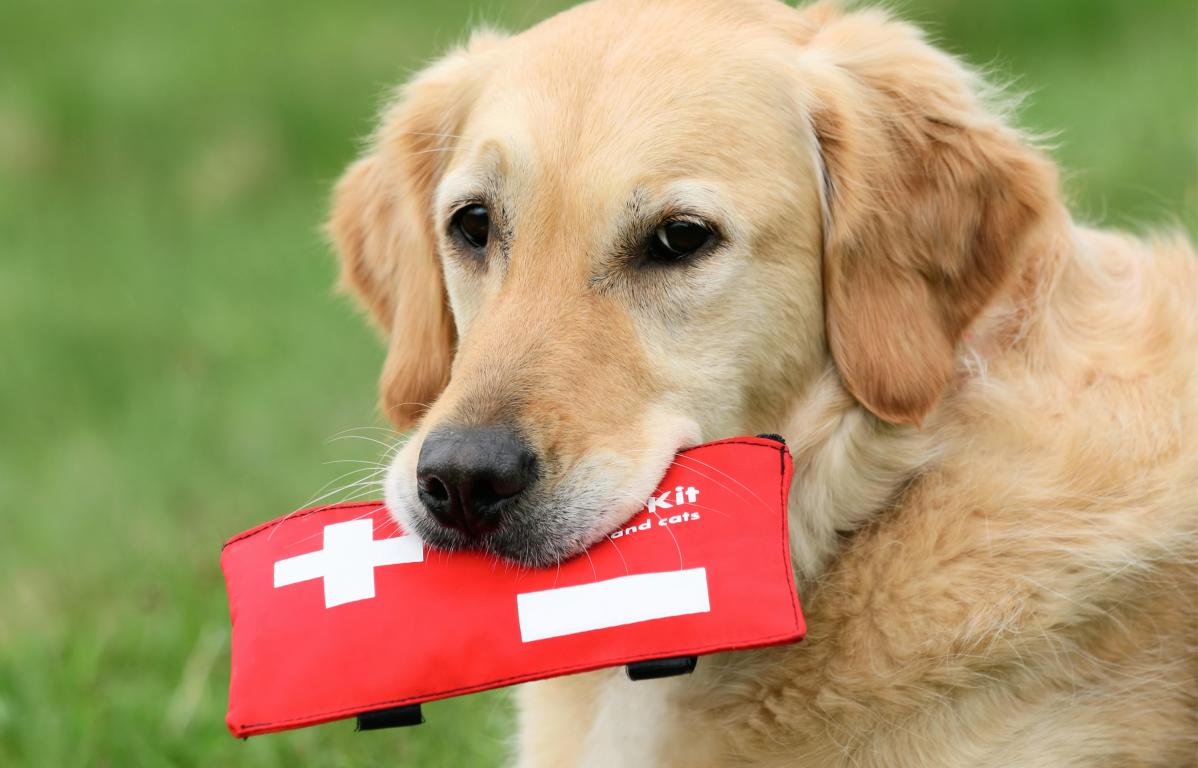
Diabetic alert dogs pick up on tiny chemical changes in your breath or sweat that happen when blood sugar levels shift out of range. This scent detection allows them to alert you – often by pawing, nudging, barking, or even fetching a testing kit – well before you feel symptoms. Many dogs give warnings 15 to 30 minutes in advance, which can be crucial for preventing severe hypos. They are trained to stay calm and focused in public, making them reliable companions in everyday situations.
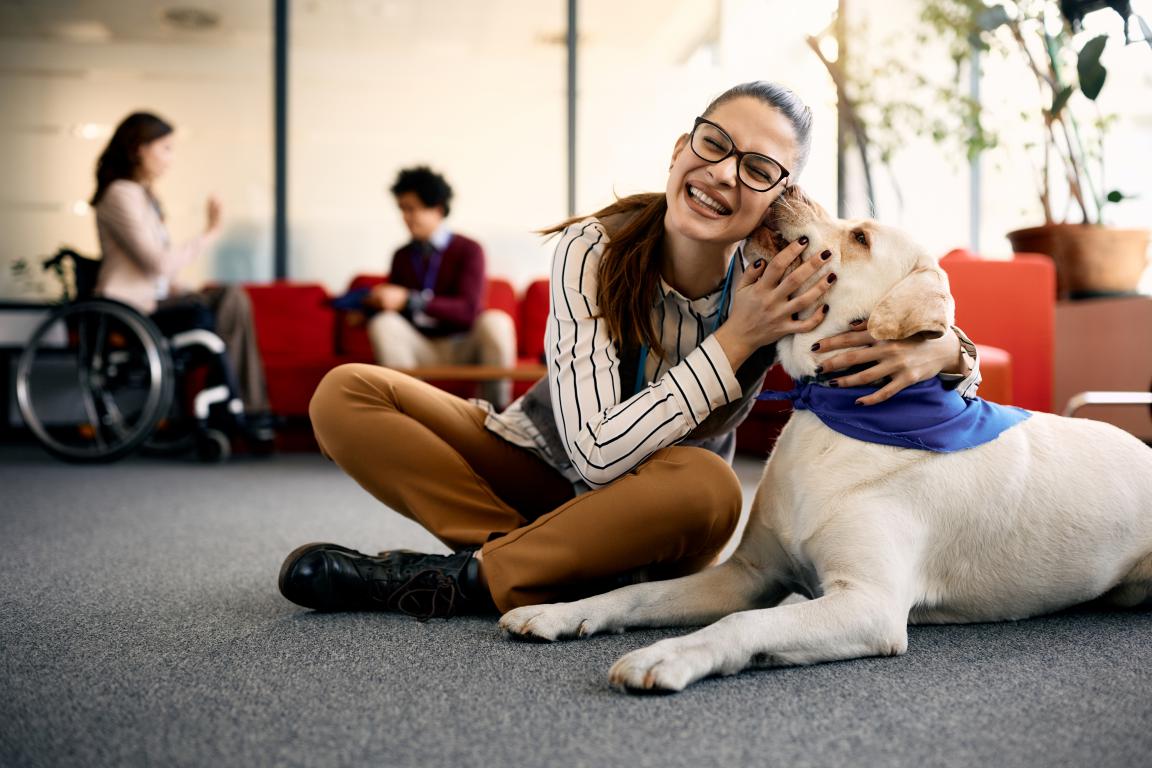
These dogs are classified as assistance dogs in the UK, which means they have legal rights to accompany you in most places, similar to guide dogs. However, they are not a cure or a standalone solution. They work best alongside regular blood testing, continuous glucose monitors (CGMs), or pumps. Owners still need to check levels and manage their diabetes as advised by their healthcare team.
Who Benefits Most from a Diabetic Alert Dog?
-
Children and families with type 1 diabetes: Many parents feel constant anxiety about night-time hypos or lows during school and play. A trained dog can wake you or alert quietly, reducing hospital visits and giving everyone more peace of mind. Charities often prioritise children who have little or no hypo awareness.
-
Adults with impaired hypo awareness: If you've had diabetes for years, you might not feel the usual signs of a low. A dog offers an independent alert that doesn't rely on batteries or signals.
-
People seeking extra independence: For those living alone or active lifestyles, the dog provides discreet support in public spaces, like shops or transport, without drawing attention.
Research from organisations like Medical Detection Dogs shows real improvements. In one study of trained dogs, owners reported fewer severe hypos, less need for paramedic call-outs, and greater confidence in daily life. Performance varies – some dogs detect out-of-range levels with high reliability in real-world settings, while results depend on training and individual factors.
The UK Picture Today
Charities such as Medical Detection Dogs (the only fully accredited by Assistance Dogs International in the UK) and Hypo Hounds train and place these dogs. They focus on scent-based alerts backed by science, and many partnerships have been life-changing. The NHS doesn't fund them directly, but they fit into broader diabetes support by potentially reducing emergency care needs.
Getting a diabetic alert dog involves applying to a charity, meeting criteria (like stable diabetes management), and committing to ongoing training. It's a big step, but for many families, the bond and security make it worthwhile. This guide will walk you through the details, from choosing a dog to legal rights, so you can decide if it's right for you.
How Diabetic Alert Dogs Work
Parents often worry about their child's blood sugar levels dropping too low without warning, especially at night or during school. Diabetic alert dogs help by using their incredible sense of smell to spot these changes early. Dogs have around 300 million scent receptors – far more than the six million in humans – which lets them pick up on very faint chemical shifts that happen when blood glucose goes out of range.
These shifts release tiny amounts of volatile organic compounds (VOCs) into breath, sweat, or skin. One compound linked to low blood sugar is isoprene, which rises during hypos. For highs, it might involve ketones or other changes. The dog learns to recognise the specific scent tied to your child's out-of-range levels and responds with a trained alert.
The Science Behind the Scent Detection
When blood sugar drops (hypoglycaemia) or rises too high (hyperglycaemia), the body produces subtle chemical changes. These VOCs are released naturally and can be detected in the air around a person. Charities like Medical Detection Dogs in the UK train dogs using scent samples collected from the individual – often sweat or breath taken during low or high episodes. This personalises the training so the dog focuses on that unique scent profile.
In practice, many UK-trained dogs prioritise alerting to lows, as these are often the most dangerous, especially for children with reduced hypo awareness. Some dogs also pick up on highs naturally during their partnership. The dog might alert 15 to 30 minutes before a device registers the change, giving time to test and treat.
Research supports this capability. Studies involving dogs from organisations like Medical Detection Dogs show they can detect out-of-range episodes with good reliability in real life, though performance varies by dog and situation.
Common Alert Behaviours
Dogs are taught clear ways to signal so you know exactly what they mean. The exact behaviour depends on the training programme and what suits the family, but here are some typical ones:
-
Pawing or nudging: The dog gently paws at your leg or arm, or nudges you persistently until you respond. This is discreet and works well in public or when the child is playing, providing a physical prompt to check blood sugar right away.
-
Fetching supplies: Many dogs learn to bring a testing kit, glucose tabs, or even a drink. For families, this means the dog can retrieve items quickly during a low, reducing panic and helping the child treat faster without needing to search.
-
Barking or staring: A short bark or intense stare might be used, especially at night to wake parents. Combined with jumping on the bed, this ensures someone notices even during sleep, offering peace of mind for night-time hypos.
-
Lying down or bowing: Some dogs perform a play bow or lie across your feet as their signal. This calm behaviour is useful in quiet settings like school, alerting without causing disruption while still being unmistakable to the handler.
These alerts are rewarded during training with treats or play, reinforcing the link between the scent and the action. Over time, the dog becomes highly motivated to alert reliably.
Setting Realistic Expectations
No dog alerts perfectly every single time, just as no glucose monitor is 100% accurate. Studies from the UK, including work with Medical Detection Dogs, report average sensitivity around 70-83% for lows in placed dogs, with some achieving higher. False alerts can happen – perhaps due to stress, diet changes, or environmental factors – but positive predictive values often reach 80% or more, meaning most alerts are genuine.
In the UK context, organisations like Medical Detection Dogs (the only fully accredited by Assistance Dogs International) and Hypo Hounds focus on evidence-based training. They emphasise that dogs complement, not replace, standard management like finger-prick tests or continuous glucose monitors (CGMs). Many families find the dog's independent alert invaluable as a backup, especially when tech fails or during sleep.
Owners play a key role too. Consistently rewarding correct alerts and recording them helps maintain the dog's skills. Factors like the child's activity level, household routine, or even weather can influence performance, but with ongoing support from the charity, most partnerships see real benefits in fewer severe hypos and greater confidence.
Understanding how these dogs work can help you decide if one fits your family. The next sections cover choosing and training a dog, so you'll know what's involved from the start.
Choosing the Right Dog for the Job
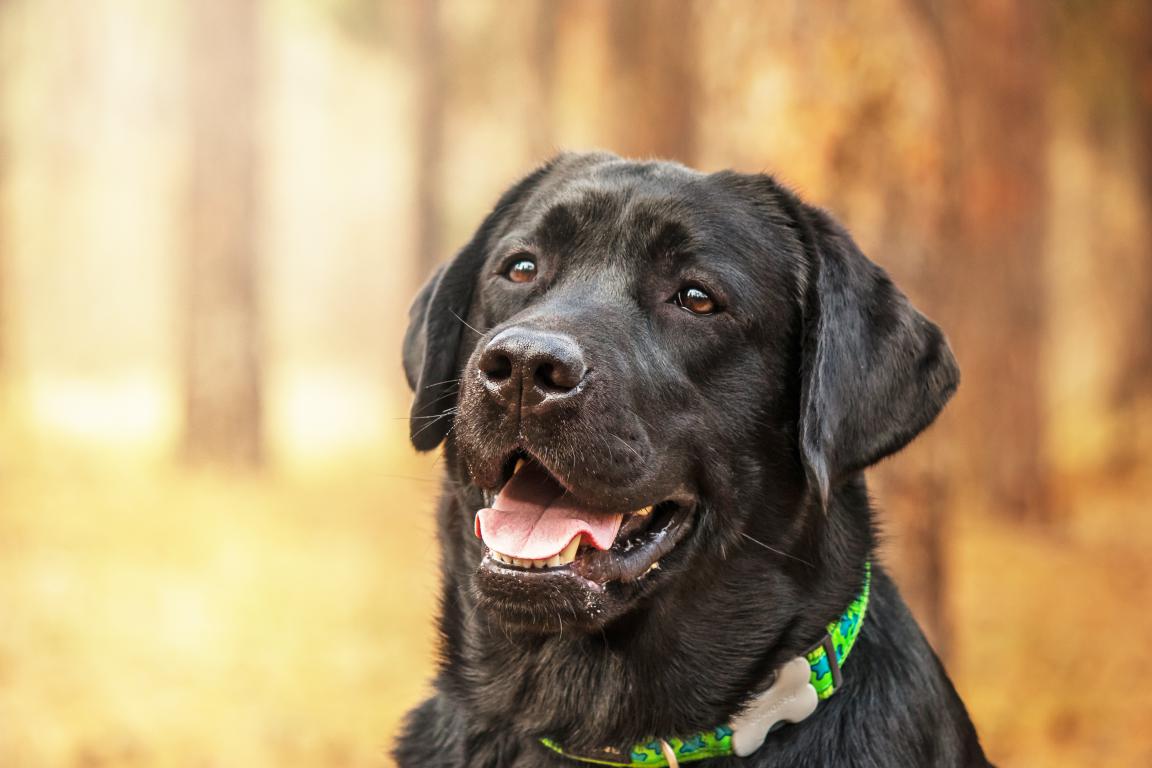
Many parents start by thinking about popular breeds when considering a diabetic alert dog, but the truth is that individual temperament and drive matter far more than breed alone. In the UK, organisations like Medical Detection Dogs and Hypo Hounds select and train dogs based on their natural abilities, health, and suitability for scent work rather than sticking to one type. That said, breeds with strong noses, intelligence, and a calm focus – such as Labradors, Golden Retrievers, Poodles, and various crosses – often do well because they tend to have the right mix of traits.
Charities handle most of the selection process themselves. They assess puppies or young dogs for key qualities like motivation, concentration, and a keen sense of smell. If you're applying through a UK charity, you usually won't choose the specific dog – they match one to your family after careful evaluation. This ensures the partnership has the best chance of success from the start.
Key Traits to Look For in a Potential Alert Dog
Professional trainers prioritise certain characteristics because they directly affect how reliably a dog can learn and perform scent detection. Here's what stands out:
-
High motivation and focus: The dog needs to love working for rewards, like food or play, and stay concentrated even with distractions around. This drive helps them consistently search for and respond to scent changes without losing interest during long days or in busy environments.
-
Strong sense of smell and curiosity: A natural interest in scents is essential for picking up the subtle chemical shifts linked to blood sugar changes. Trainers watch how a dog investigates new odours calmly and persistently, as this predicts how well they'll handle real-world alerting.
-
Calm and adaptable temperament: Alert dogs must handle public places, travel, and family life without stress or reactivity. A dog that's friendly, not easily startled, and quick to settle builds a trusting bond and avoids issues in schools, shops, or on public transport.
-
Good health and physical soundness: No history of joint problems, allergies, or conditions that could shorten their working life. Charities screen for hip and elbow scores, eye health, and overall fitness to ensure the dog can stay active for 8-10 years or more.
These traits come from expert assessments, not just breed stereotypes. Many successful alert dogs in the UK are Labradors or retriever crosses, but Poodles (often chosen for lower shedding) and other intelligent breeds succeed too.
Sources for Getting a Dog
In the UK, the most reliable route is through accredited charities, as self-training or buying a pre-trained dog carries risks and may not meet assistance dog standards.
-
Applying to a charity like Medical Detection Dogs or Hypo Hounds: These organisations breed or carefully source their own dogs, then train and match them to families. Medical Detection Dogs, the only UK charity fully accredited by Assistance Dogs International, selects dogs rigorously for scent potential and temperament. Hypo Hounds focuses on children and has its own breeding programme to produce suitable candidates. The charity handles early testing and socialisation, increasing the chances of a strong partnership.
-
Owner-trained or private options: Some families train their own pet dog if it shows early alerting signs, and Medical Detection Dogs can assess and accredit existing dogs in certain cases. Private trainers exist, but results vary widely, and the dog may not gain full public access rights without accreditation. Always check for proper health testing and ethical sourcing if going this way.
-
Puppies versus young adults: Charities often place dogs at around 18-24 months, after advanced training. Starting with a puppy gives more time to bond but requires full commitment to foundation work. Adult dogs from rescues can work if they pass temperament tests, though they're less common for this role due to the need for specific drive.
Matching the Dog to Your Family's Lifestyle
Think about how the dog will fit into your daily routine before applying. A good match reduces stress for everyone and helps the dog perform at their best.
-
For families with children, a medium-to-large dog that's gentle and tolerant of play works well, providing alerts during school or activities without being overwhelmed.
-
Urban living might suit a calmer dog comfortable on public transport, while rural homes could handle a more energetic one with space to exercise.
-
Energy levels need to align – an active family can manage a higher-drive dog, but one needing constant quiet might prefer a steadier type.
-
Allergies or shedding concerns often lead to Poodle crosses, as they're lower-shed and still excel at scent work.
The goal is a lifelong partner. Charities consider your home setup, other pets, and routine during matching to set you up for success. Choosing the right dog sets the foundation for effective training and a smoother life with diabetes management.
Basic Training Principles
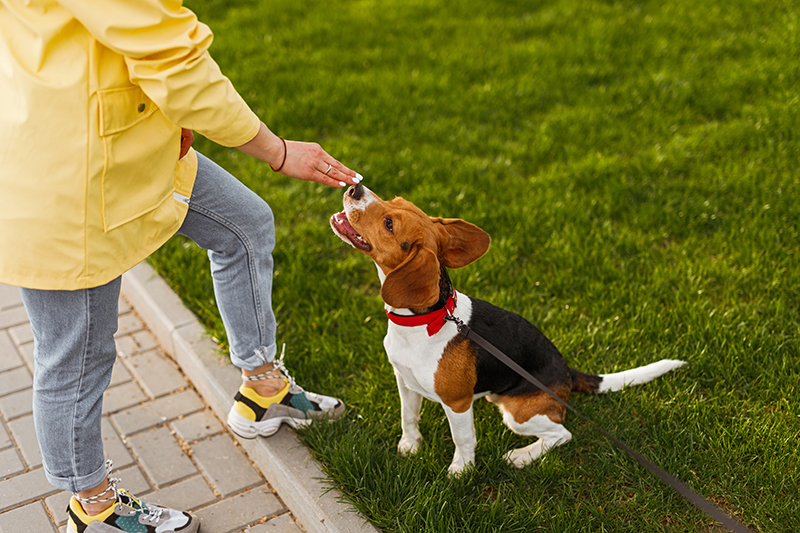
Training a diabetic alert dog starts with building a strong foundation that keeps the dog eager and reliable. In the UK, organisations like Medical Detection Dogs and Hypo Hounds use positive reinforcement as the core method. This means rewarding the dog with treats, praise, or play whenever they get something right, which motivates them and strengthens the bond without causing stress or fear.
Harsh corrections have no place here – they can make a dog anxious or reluctant to alert when it matters most. Instead, the focus is on making training enjoyable, so the dog associates scent detection and alerting with good things happening.
Why Positive Reinforcement Works Best
Positive reinforcement is backed by science and is the standard in accredited UK programmes. Dogs learn to link the scent of changing blood sugar with a reward, creating a strong, willing response.
-
It builds motivation and trust: When a dog alerts correctly and gets an immediate reward, they become keen to repeat the behaviour. This is crucial for real-life situations, where the dog needs to stay focused even with distractions around the house or in public. Families notice that dogs trained this way are happier and more consistent partners.
-
It avoids unwanted side effects: Punishment or force can lead to a dog shutting down or becoming fearful, which might mean missed alerts during a hypo. Positive methods keep the dog confident and engaged, helping them handle the demands of family life, like noisy children or busy routines.
-
It supports long-term reliability: Rewarding alerts consistently reinforces the skill over time. Charities emphasise that owners must continue this after placement, as the dog's performance depends on ongoing positive feedback tailored to the individual's scent profile.
Studies on dogs trained by Medical Detection Dogs show that this approach leads to better outcomes, with many dogs detecting lows reliably and reducing severe episodes for their owners.
Starting with Solid Obedience
Before scent work begins, every alert dog needs basic obedience to ensure safety and control. Commands like sit, stay, down, leave it, and a reliable recall form the groundwork.
These are taught in short, fun sessions using rewards. In UK charities, trainers start this early with puppies or young dogs, often in foster homes to expose them to real family environments.
This obedience isn't just about manners – it sets the stage for advanced tasks. A dog that responds quickly to "sit" or "stay" is easier to manage during public access training, which is required for assistance dog status.
The Importance of Consistency Across the Household
Everyone in the family must use the same commands, rewards, and rules. If one person lets the dog jump up while another corrects it, confusion sets in and progress slows.
-
Unified approach to rewards: Decide on specific treats or praise for alerts and obedience, and stick to it. This helps the dog understand exactly what earns a payoff, making them more dependable during blood sugar changes.
-
Daily routines matter: Feed, walk, and train at similar times where possible. Consistent handling reinforces learning and prevents mixed signals that could weaken alerting behaviours.
-
Involving children safely: For families, teach kids how to interact calmly and reward correctly under supervision. This builds the dog's tolerance and ensures they remain focused on the person with diabetes.
Charities provide ongoing support to help families stay consistent, including home visits and record-keeping advice.
Keeping Sessions Short and Effective
Training works best in brief bursts – typically 5 to 15 minutes, several times a day. This prevents fatigue and keeps the dog enthusiastic.
-
Start indoors in a quiet space, then gradually add distractions like family members or toys. In the UK, where weather can limit outdoor time, indoor practice is common before moving to parks or streets.
-
End each session on a high note, with the dog succeeding at something easy. This leaves them wanting more, which is key for scent work that requires sharp focus.
Tracking Progress with a Journal
Many trainers recommend keeping a simple log of sessions, alerts, and any issues. Note what went well, like quick responses to commands, or challenges, such as distractions affecting focus.
This helps spot patterns – perhaps the dog is sharper in the mornings or after exercise. Sharing the journal with a charity instructor allows adjustments, ensuring the training stays on track.
Over time, it shows how far you've come and highlights areas needing extra work.
Patience ties everything together. Some dogs grasp basics quickly, while others need months to build confidence. With positive, consistent effort, the result is a capable alert dog that fits seamlessly into your life.
Step-by-Step Training Tips
Once your dog has a solid grasp of basic obedience, you can move on to the specialised scent training that makes them an effective diabetic alert dog. In the UK, accredited charities like Medical Detection Dogs handle most of this process themselves, using personalised scent samples from the person with diabetes to teach the dog reliably. They rarely provide detailed public instructions for owner-training, as they prefer professional oversight to ensure safety and accreditation. However, some families work with private trainers or build on a pet dog's natural alerting, and Medical Detection Dogs can assess and accredit existing dogs in certain cases.
The key is starting with scent imprinting – linking the unique chemical changes from out-of-range blood sugar to a reward. Samples are typically collected from saliva, breath, or sweat during actual lows or highs, then frozen for use. Training builds gradually, always using positive reinforcement to keep the dog motivated.
Collecting and Handling Scent Samples
Safe, effective samples are the foundation of scent training. Charities collect them during real episodes to capture the exact volatile organic compounds released.
-
Gather during genuine episodes: Use clean cotton pads or gauze to swab saliva from the mouth, breath onto cloth, or collect sweat when blood sugar is confirmed low (usually below 3.5–4 mmol/L) or high. This personalises the scent to the individual, which is vital because everyone's chemical profile differs slightly due to diet, medication, or other factors. Label each sample with the date, glucose reading, and type (low or high) for tracking.
-
Store properly for freshness: Place samples in airtight glass jars or bags and freeze them immediately – they last up to a few weeks this way. Avoid plastic that might leach odours, and thaw only what you need for a session to prevent contamination. Fresh samples work best initially, as they give the strongest scent for the dog to learn from.
-
Prioritise lows at first: Most UK programmes focus on hypoglycaemia alerts, as these are more immediately dangerous, especially at night. Once reliable on lows, some dogs naturally extend to highs, or trainers add high samples later. Always test blood sugar frequently during collection to confirm the episode and reward accuracy.
Families partnering with charities often send regular glucose logs and samples to guide training.
Introducing Scent Detection
Begin in a distraction-free environment to help the dog associate the scent with rewards. Short sessions keep it fun and build confidence.
-
Start by presenting the thawed sample in a safe container, like a perforated tin or under a colander, so the dog can smell but not access it directly. Reward any interest – sniffing or pausing – with treats or play right away. This "imprinting" phase teaches the dog that this particular odour means good things, encouraging them to seek it out actively.
-
Pair the scent with a chosen alert behaviour from the start, such as a paw nudge or nose touch to your hand. Guide the dog gently if needed at first, then reward generously when they connect the dots independently. Over sessions, the dog learns to offer the alert on scent alone, without cues, making it reliable in real life.
Building Reliability with Distractions
As the dog consistently alerts to the sample at home, add real-world challenges to proof the behaviour. This prepares them for everyday family life.
-
Hide samples around the room: Place the scent in different spots while the dog watches, then encourage searching and alerting. Progress to hidden samples without cues, rewarding quick, accurate responses – this mimics how the dog will need to detect changes naturally on your body or breath during daily activities.
-
Add household distractions gradually: Practise with family members moving about, toys present, or during meals. In UK homes, where space might be limited, use indoor variations before outdoor ones. This helps the dog ignore irrelevant smells and focus on the target scent, reducing false alerts.
-
Incorporate public settings: Once solid at home, take training to quiet parks, then busier areas like cafes or shops. Charities include public access training for calm behaviour, ensuring the dog alerts discreetly without reacting to crowds or traffic.
Track every session in a journal, noting successes, misses, and glucose correlations – this data helps refine timing and accuracy.
Fine-Tuning and Ongoing Maintenance
Advanced stages focus on endurance, night alerts, and integration with technology like CGMs. If issues arise, revisit basics.
-
Test alerts against real episodes, using your monitor to verify. Many dogs alert 15–30 minutes early, but consistency improves with regular rewards for correct alerts. Phase out frequent treats over time, using praise or play to maintain motivation without dependency.
-
For night-time reliability, practise simulated lows while pretending to sleep, rewarding persistent alerts like pawing the bed or barking. Charities emphasise this for child safety, often waking parents promptly.
-
If the dog misses or false alerts increase, check sample freshness, reduce session length, or consult a trainer. In the UK, bodies like the Association of Pet Dog Trainers (APDT) or charity support can offer guidance, especially for unique scent variations from medications.
Training takes months to years, depending on the dog and method. Professional programmes yield the most reliable results, with accreditation ensuring public access rights. Whether through a charity or supported owner-training, the process creates a strong partnership that brings real security to managing diabetes.
Common Challenges in Training
Training a diabetic alert dog brings huge rewards, but like any specialised skill, it comes with hurdles along the way. Families often find that progress isn't always linear – some days the dog responds brilliantly, while others feel frustrating. In the UK, charities like Medical Detection Dogs and Hypo Hounds emphasise that challenges are normal and can usually be overcome with patience, consistency, and professional support. Research on placed dogs shows performance varies, but most partnerships improve over time with ongoing effort.
Distractions are one of the first issues many encounter. A dog might lose focus during sessions due to household noises, other pets, or tempting smells like food in the kitchen.
Handling Distractions Effectively
Start training in quiet, familiar spaces where the dog can concentrate fully on the scent task. Gradually introduce mild distractions, such as family members moving about, before progressing to busier environments like gardens or parks. This builds the dog's resilience step by step, helping them ignore irrelevant odours and stay tuned to blood sugar changes. In busy UK homes, keeping early sessions short and rewarding focus heavily reinforces the behaviour, making the dog more reliable as distractions increase.
False alerts – when the dog signals without an actual out-of-range blood sugar – can confuse owners and erode confidence. These might stem from inconsistent rewarding, changes in the person's scent due to diet or stress, or the dog picking up on highs if primarily trained for lows.
Reducing False Alerts
-
Track alerts against glucose readings in a journal to identify patterns, such as alerts during stress rather than true lows.
-
Reward only confirmed out-of-range scents during training, and consult charity trainers for adjustments like fresher samples or refined techniques.
Studies of UK-trained dogs show that consistent owner rewarding and clear communication with instructors reduce false positives over time, often leading to more accurate partnerships.
Missed alerts happen too, especially early on or during rapid blood sugar drops. Factors like the dog's motivation, household busyness, or temporary health issues can play a role.
-
Maintaining the dog's motivation: Dogs thrive on rewards, so vary treats and play to keep them enthusiastic. If interest wanes, shorten sessions or revisit fun basics – trainers note that highly motivated dogs perform better long-term, detecting more episodes reliably.
-
Owner consistency in recognition and response: Always acknowledge and check after an alert, even if it seems off. Inconsistent responses can discourage the dog; families who reward promptly and log data see fewer misses, as the dog learns alerts are always valued.
-
Adapting to family dynamics: In hectic households with children, the dog might get overwhelmed initially. Involve everyone in calm, uniform handling from the start, and charities often provide home visits to tailor advice, helping the dog settle into real-life routines.
Temporary health setbacks in the dog, such as a cold or seasonal allergies common in the UK's damp climate, can dull their sense of smell and pause progress.
-
Regular vet check-ups catch these early, and trainers recommend indoor sessions or rest periods until the dog recovers fully. Monitoring for sneezing or congestion allows quick adjustments, ensuring training resumes without long delays.
Night-time alerting poses another common difficulty, as reliability can dip when everyone is asleep. Dogs may need extra practice with simulated lows during rest times.
Owner-related factors, like varying reward willingness or confidence in the dog's signals, also influence outcomes. Building trust takes time, but recording successes helps.
-
Connect with support networks, such as Diabetes UK forums or charity groups, where experienced owners share tips on overcoming similar issues. These communities provide practical advice tailored to UK living, from managing variable weather to integrating the dog into school routines.
Setbacks don't mean failure – they're chances to refine the partnership. Charities like Medical Detection Dogs, the only fully accredited by Assistance Dogs International in the UK, offer lifelong support including visits and record reviews to address challenges. With commitment, most families find the dog's alerting becomes a dependable part of daily diabetes management.
Legal Rights and Responsibilities in the UK
Parents of children with diabetes often want to know how a diabetic alert dog fits into everyday life, including where the dog can go and what rules apply. In the UK, these dogs are recognised as assistance dogs under the Equality Act 2010 if they are trained to perform specific tasks that help manage a disability, such as alerting to blood sugar changes. This means the dog can accompany the person with diabetes in most public places, and service providers must make reasonable adjustments to allow access. The law protects against discrimination, so refusing entry solely because of the dog is usually unlawful.
The Equality Act applies across England, Scotland, and Wales (with similar protections in Northern Ireland under different legislation). It covers shops, restaurants, hotels, cinemas, and other public services. Businesses cannot charge extra or treat you less favourably because of the dog. However, the dog must be well-behaved, under control, and not pose a genuine health or safety risk – for example, in very rare sterile environments like certain operating theatres.
Assistance Dog Accreditation and Identification
Accreditation helps prove your dog's status and can make access smoother, though it's not legally required for rights under the Equality Act.
-
Dogs from accredited charities: Organisations like Medical Detection Dogs (the leading UK charity for diabetic alert dogs) are full members of Assistance Dogs UK (ADUK) and accredited by Assistance Dogs International. Their dogs come with official ID cards, passports, and branded jackets, which staff often recognise quickly. This accreditation confirms high training standards and ongoing support, reducing questions in public.
-
Owner-trained or other dogs: If your dog is trained privately or shows natural alerting, it can still qualify as an assistance dog if it performs disability-mitigating tasks. No proof or registration is mandatory, but carrying a letter from your GP, diabetes specialist, or trainer explaining the dog's role can help. Some families use voluntary ID schemes for ease.
-
Why accreditation matters in practice: While the law doesn't demand it, ADUK-accredited dogs (including from Medical Detection Dogs) face fewer access issues. Non-accredited dogs might need more explanation, but refusal without good reason remains unlawful.
Medical Detection Dogs is the only UK charity fully accredited for training medical alert assistance dogs, including for diabetes, and prioritises life-threatening conditions.
Owner Responsibilities
Having public access rights comes with clear duties to protect the dog, public, and the reputation of assistance dogs.
-
Dog behaviour and control: The dog must stay calm, quiet, and responsive in all settings – no barking, jumping, or toileting indoors. Regular training maintains this, and charities provide guidance. Poor behaviour could justify refusal in specific cases.
-
Welfare under the Animal Welfare Act 2006: You must meet the dog's needs for food, water, exercise, vet care, and rest. Never leave them in hot cars or unattended in public. Breaches can lead to penalties, and affect access rights.
-
Cleaning up and hygiene: Always carry poo bags and clean up immediately. The dog should be groomed and healthy to avoid any concerns.
Fulfilling these keeps partnerships strong and helps all assistance dog owners.
Access in Specific Situations
Rights extend to many areas, but some have extra rules.
-
Workplaces and education: Employers and schools must consider allowing the dog as a reasonable adjustment under the Equality Act. Discuss early, providing evidence like a GP letter or charity documentation. Many agree to arrangements like quiet rest areas or break schedules. Outcomes vary by setting, but refusal needs objective justification.
-
Housing: Landlords cannot ban assistance dogs, even in "no pets" properties – it's a reasonable adjustment.
-
Healthcare settings: Generally allowed, but some areas (like intensive care) may restrict for safety.
Travel and Transport
Assistance dogs have strong protections here.
-
Public transport (buses, trains, trams): Must be allowed free of charge and given space. Operators like National Rail and local services recognise this.
-
Taxis and private hire vehicles: Drivers must carry the dog without extra charge (unless medically exempt with a certificate). Refusal is an offence.
-
Air travel: UK airlines must accommodate accredited assistance dogs, often in the cabin. For international flights, check carrier policies and destination rules early – paperwork like pet passports may apply.
Always train the dog for calm behaviour in confined or noisy spaces.
If refused access unfairly, politely explain the law, ask for a manager, and note details. Report to the business or Equality and Human Rights Commission if needed. Charities like Medical Detection Dogs offer advice and support letters.
Understanding these rights and responsibilities helps families integrate a diabetic alert dog confidently. With proper training and handling, the dog becomes a seamless part of managing diabetes.
Diabetic Dog Financial and Support Options in The UK
Getting a diabetic alert dog can feel like a big financial commitment, especially when you're already managing the day-to-day costs of diabetes for your child. Professional training through a UK charity typically runs between £10,000 and £20,000 per dog, covering everything from selection and scent work to public access preparation. On top of that, expect ongoing expenses like food, vet visits, grooming, and insurance, which might add up to £500–£1,000 a year. The good news is that charities often cover most or all of the training costs for eligible families, and there are government benefits and other supports to help make it more manageable.
Charities like Medical Detection Dogs and Hypo Hounds rely on public donations to fund their programmes, meaning successful applicants usually pay little or nothing upfront. Medical Detection Dogs, for instance, reports that it costs around £20,356 to train and support one medical alert assistance dog, but they handle this through fundraising and sponsorships. Hypo Hounds charges a modest £50 annual admin fee once you're accepted, which covers paperwork and ongoing clerical support. These options prioritise people with severe needs, such as children with frequent hypos or reduced awareness, so applying early with strong medical evidence can improve your chances.
Government Benefits and Tax Relief
The UK government offers some financial help for those living with disabilities, including costs related to assistance dogs. While not specifically for dogs, these can offset expenses like transport to training or extra care needs.
-
Personal Independence Payment (PIP): This benefit is for people aged 16–66 (or under 16 via Disability Living Allowance) who need help with daily living or mobility due to a long-term condition like diabetes. If your child's diabetes causes significant challenges, such as frequent hypos requiring supervision, PIP could provide up to £184.30 a week (as of 2026 rates) to cover extra costs, including those for an assistance dog. Apply via the GOV.UK website with medical evidence from your GP or diabetes team – assessments focus on how the condition affects life, not just the diagnosis itself. Many families use PIP to help with vet bills or travel to charity sessions.
-
Tax relief on assistance dog expenses: HMRC allows VAT relief on the purchase of a trained assistance dog, plus zero-rated VAT on food, bedding, and vet fees if the dog is certified for disability support. For accredited dogs from charities like Medical Detection Dogs, you can claim this by providing proof of the dog's role when buying supplies. Contact HMRC or use their online forms to reclaim – it can save 20% on eligible items, making long-term care more affordable for families on tighter budgets.
-
Other disability supports: If your child qualifies for PIP, it might open doors to related benefits like Carer's Allowance for you as a parent, or Blue Badge parking schemes for easier access during outings with the dog. Check GOV.UK for updates, as rates and rules can change annually.
Applying to Charities for Funded Dogs
Charities are often the best starting point for affordable access, as they not only fund training but also provide lifelong support. The process usually involves an application, medical checks, and sometimes a waiting list, but it's designed to match dogs to families who need them most.
-
Medical Detection Dogs application: Start by contacting them through their website to express interest – they require details on your child's diabetes management, hypo frequency, and why a dog would help. As the only UK charity fully accredited by Assistance Dogs International for medical alert dogs, they prioritise life-threatening conditions and offer funded placements based on need and donations. Once accepted, they handle dog selection, training, and placement, with follow-up visits to ensure everything works well.
-
Hypo Hounds programme: Focused on children with type 1 diabetes, they accept applications online with medical evidence from your healthcare team showing clinical need, like unawareness of hypos. The process can take several months, including assessments, but successful families pay just the £50 annual fee and receive a trained dog plus extras like mental health support clinics. They also offer respite sessions and transition programmes for teens, helping with independence as your child grows.
-
Other options through Assistance Dogs UK: This coalition connects you to member charities – browse their site for alternatives if the main ones have long waits. Some provide partial funding or guidance on self-training accreditation, though full charity placements are ideal for most families.
Budgeting and Additional Funding Sources
Planning ahead for costs keeps things sustainable – think about a dedicated savings pot or spreadsheet to track expenses from day one.
-
Pet insurance for working dogs: Standard policies might not cover assistance roles, so look for specialist insurers like Petplan or Agria that offer tailored plans for service dogs. Premiums start around £20–£40 a month, covering accidents, illnesses, and even lost working time – this protects against big vet bills, which can hit £1,000+ for emergencies. Compare quotes on sites like MoneySuperMarket, and mention the dog's accredited status for potential discounts.
-
Community fundraising and grants: Many families raise funds through platforms like JustGiving or local events, sharing their story to attract donations for any uncovered costs. Diabetes UK, while not directly funding dogs, offers a helpline for advice and sometimes small grants for diabetes-related aids – call them to check eligibility. Other trusts like the Family Fund (for disabled children) might contribute to related expenses, providing up to £500 for items that improve quality of life.
-
Employer or school supports: If you're working, ask about workplace schemes for disability adjustments, which could include contributions to dog-related costs. For children, schools might access pupil premium funding to help with integration, like training sessions during term time.
With these options, many families find a diabetic alert dog becomes feasible even on a modest income. Charities and government supports take the heaviest load, leaving you to focus on the benefits for your child's health.
Conclusion
A diabetic alert dog can make a real difference when you're managing diabetes day to day. They spot blood sugar changes early through their sense of smell, often giving you a heads-up before you feel anything or your monitor catches it. For many families in the UK, this means fewer scary lows, less need for emergency help, and a lot more reassurance – especially overnight or when kids are out playing.
It's not just about the practical side. These dogs become proper family members, bringing comfort and helping everyone feel a bit less on edge. Research from placed dogs, including those trained by Medical Detection Dogs, shows they can pick up lows reliably in everyday life, with many owners noticing better control and more freedom.
Could This Be Right for Your Family?
It's worth thinking carefully about whether one fits your situation. Charities tend to place dogs with people who really need that extra backup, like those who've lost the ability to sense their own hypos.
-
The day-to-day benefits: The dog works even if tech lets you down – no batteries or signal issues. Parents often say severe episodes drop, and the whole family sleeps better knowing someone's watching out.
-
The emotional side: That constant worry eases off. Kids gain confidence, and the bond with the dog can feel like a bright spot in managing a long-term condition.
-
What to bear in mind: Alerts aren't perfect every time, and you'll need to keep up with rewarding them, exercise, and vet visits. For most, charities cover the big training costs through donations, but the everyday care is still down to you.
Here in the UK, groups like Medical Detection Dogs – the only charity fully accredited internationally for this work – and Hypo Hounds train dogs to a high standard and support you all the way. If anything in this guide has caught your interest, get in touch with them. They'll talk through your child's needs with you and your diabetes team to see if it's a good match.
Whatever you decide, finding the right combination of tools and support can make diabetes feel more manageable.
Updated: 02 January 2026
© 2024 The Card Project Uk Ltd
VAT: 453 2087 06
|