Differences Between Pacemakers and ICDs Explained
Understanding Pacemakers and Implantable Cardioverter Defibrillators (ICDs)
In the field of cardiology, pacemakers and implantable cardioverter defibrillators (ICDs) are two commonly used devices designed to manage heart rhythm problems. While they may seem similar at first glance, their functions and purposes differ significantly. This article provides detailed insights into both devices, addressing common questions and highlighting their key distinctions.
What Is a Pacemaker?
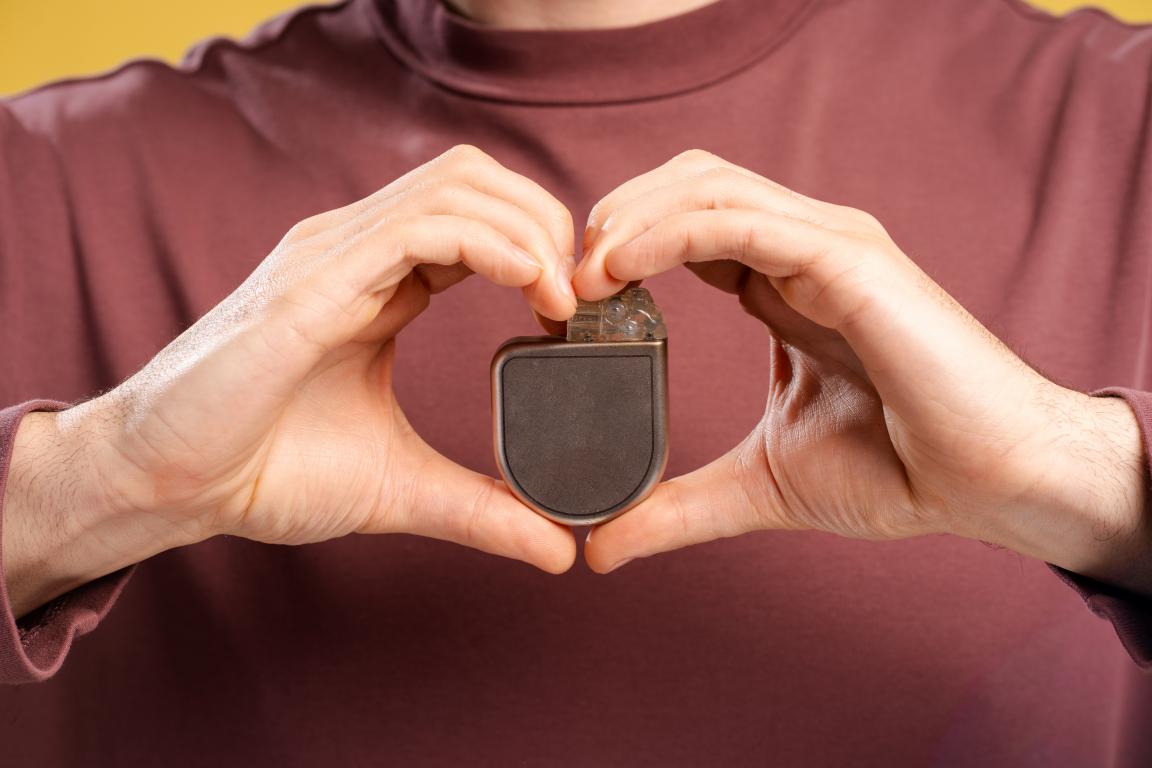
A pacemaker is a small, sophisticated medical device designed to help regulate your heart's rhythm. It's essentially a small computer with a battery, usually implanted just under the skin near your collarbone. Thin, insulated wires, called leads, connect the pacemaker to your heart chambers. Its primary role is to monitor your natural heartbeat and, when necessary, deliver precise electrical impulses to stimulate the heart to beat at a normal and healthy rate.
How Does a Pacemaker Work?
The pacemaker continuously monitors your heart's electrical activity. If it detects that your heart is beating too slowly (bradycardia) or irregularly, it springs into action. It sends tiny, imperceptible electrical signals through the leads directly to your heart muscle. These electrical impulses act like a natural trigger, prompting your heart to contract and pump blood effectively, ensuring your body receives the oxygen it needs. This intelligent system only intervenes when necessary, allowing your heart's natural rhythm to take over when it's functioning correctly.
What Conditions Require a Pacemaker?
Pacemakers are primarily used to treat conditions where the heart's natural electrical system isn't working as it should. The most common condition is bradycardia, where the heart beats too slowly, leading to symptoms like dizziness, fatigue, and shortness of breath. Another key indication is heart block, a disruption in the electrical signals that coordinate the beating of the heart's upper and lower chambers. In some cases, specific types of pacemakers, known as biventricular pacemakers, are used in cardiac resynchronization therapy (CRT) for patients with heart failure to help the heart's chambers beat in a more synchronized and efficient way.
What Happens During the Implantation Procedure?
Pacemaker implantation is a routine and generally safe procedure performed by a cardiac electrophysiologist. It's typically done under local anesthesia, meaning you'll be awake but the area will be numb, though you might receive a mild sedative to help you relax. A small incision is made, usually below the collarbone, and a pocket is created under the skin for the pacemaker device. The leads are then carefully guided through a vein into the heart using X-ray imaging for precise placement. Once the leads are positioned and tested, they are connected to the pacemaker, and the incision is closed. The entire procedure usually takes about one to two hours, and many patients are able to go home the same day or after a short overnight stay for observation.
How Long Does a Pacemaker Last?
The lifespan of a pacemaker battery can vary, but generally, these devices are designed to last between 5 and 15 years. The exact duration depends on several factors, including how frequently the pacemaker needs to send impulses (which affects battery usage) and the specific model of the device. Regular follow-up appointments with your cardiologist are crucial. During these check-ups, the pacemaker's battery life, lead integrity, and overall function are monitored to ensure it's working optimally and to determine the appropriate time for a battery replacement, which involves a similar, though often quicker,
What Is an ICD?
An implantable cardioverter defibrillator (ICD) is a sophisticated medical device designed to continuously monitor your heart's rhythm and deliver therapy if it detects dangerously fast heartbeats. While similar to a pacemaker in its implantation, an ICD has the crucial added ability to deliver a life-saving electrical shock (defibrillation) to correct very rapid and chaotic heart rhythms that could lead to sudden cardiac arrest.
What Does an ICD Do?
An ICD acts as a guardian for your heart. It constantly observes your heart's electrical activity. If it identifies a dangerously fast and irregular rhythm, such as ventricular fibrillation or ventricular tachycardia, it can respond in a few ways. For less severe rapid rhythms, it might deliver a series of rapid, low-energy electrical pulses to try and restore a normal rhythm (antitachycardia pacing). However, if it detects a life-threatening arrhythmia that could cause sudden cardiac arrest, the ICD will quickly deliver a precisely calibrated electrical shock to reset the heart's rhythm back to normal. This immediate intervention is critical in preventing serious complications or even death.
Who Is a Candidate for an ICD?
ICDs are primarily recommended for individuals who are at a significant risk of sudden cardiac arrest. This often includes people who have already experienced a sudden cardiac arrest and survived, or those who have a documented history of life-threatening ventricular arrhythmias. Additionally, individuals with certain underlying heart conditions, such as a severely weakened heart muscle (due to conditions like heart failure or a prior heart attack), specific genetic heart conditions, or inherited rhythm disorders, may also be candidates for an ICD as a preventative measure to protect them from future events.
How Is an ICD Implanted?
The procedure for implanting an ICD is similar to that of a pacemaker. It is a minimally invasive procedure typically performed by a cardiac electrophysiologist under local anesthesia, often with some sedation to help you relax. An incision is usually made under the skin near the collarbone, creating a small pocket for the ICD device. Leads (thin, insulated wires) are then carefully guided through a vein into the heart's chambers. These leads serve a dual purpose: they monitor the heart's electrical activity and, if necessary, deliver either pacing impulses or defibrillation shocks. Once the device and leads are positioned correctly and tested, the incision is closed. The entire implantation usually takes about one to two hours, and patients may go home the same day or after a short hospital stay.
What Is the Lifespan of an ICD?
The lifespan of an ICD generally ranges between 5 and 10 years, though this can vary. The primary factor influencing its longevity is the frequency with which the device needs to deliver therapy, particularly high-energy shocks, as these use more battery power. Regular follow-up appointments with your cardiologist are essential. During these visits, the battery life, lead integrity, and overall function of the ICD are meticulously checked to ensure it's operating correctly and to determine when a replacement procedure might be necessary.
Key Differences Between Pacemakers and ICDs
What Are the Primary Functions of Pacemakers and ICDs?
-
Pacemakers: Corrects heart rates that are too slow. Its primary function is to ensure the heart beats at a consistent and adequate pace, preventing symptoms associated with bradycardia.
-
ICDs: Detects and treats dangerous, excessively fast, and chaotic heart rhythms (tachyarrhythmias). It is built to address rhythms that could be life-threatening and lead to sudden cardiac arrest.
How Do Pacemakers and ICDs Respond to Abnormal Rhythms?
-
Pacemakers: Responds to slow rhythms by emitting regular, low-energy electrical impulses to prompt the heart to beat. This is generally a gentle and continuous process.
-
ICDs: Can deliver rapid, low-energy pacing to interrupt fast rhythms. Its defining feature is its ability to deliver high-energy electrical shocks (defibrillation) to immediately stop and reset the heart's rhythm when it detects extremely dangerous, life-threatening arrhythmias. It can also perform lower-energy pacing similar to a pacemaker if needed.
What Types of Heart Conditions Do Pacemakers and ICDs Treat?
-
Pacemakers: Primarily used for conditions characterized by a slow heart rate or disruptions in the heart's electrical conduction system. This includes bradycardia, various forms of heart block, and in some specialized cases, for cardiac resynchronization therapy in certain heart failure patients.
-
ICDs: Specifically indicated for individuals at a high risk of sudden cardiac arrest. This includes those with or at risk of experiencing life-threatening ventricular arrhythmias like ventricular tachycardia or ventricular fibrillation.
Are There Any Differences in Size and Complexity of a Pacemaker and an ICD?
-
Pacemakers: Generally less complex internally, with circuitry focused on monitoring and pacing for slow rhythms.
-
ICDs: More complex internally due to their expanded capabilities. Though their physical size can be quite similar, an ICD incorporates additional circuitry and a larger capacitor to store the energy required for defibrillation shocks. This makes it a more sophisticated device, capable of not only performing pacemaker functions but also critically, monitoring for and treating dangerously fast rhythms with high-energy therapy.
Living with Pacemakers and ICDs
Can You Live a Normal Life with a Pacemaker or an ICD?
Yes, for most individuals, having a pacemaker or an ICD allows them to return to a largely normal and active life after the initial recovery period. These devices are designed to improve quality of life by managing heart rhythm issues. However, it is crucial to adhere to certain specific precautions and lifestyle adjustments. This includes being aware of strong electromagnetic fields, informing all healthcare providers about your device before any medical procedures (like MRIs, though some newer devices are MRI-compatible), and following your cardiologist's personalized advice to ensure the device functions optimally and safely.
Are There Restrictions on Using Electronic Devices with Pacemakers and ICDs?
Most common household electronic devices are generally safe to use without interfering with pacemakers or ICDs. This includes appliances like microwaves, televisions, radios, and computers. However, it's wise to maintain a cautious distance with certain items that emit stronger electromagnetic signals. For example, mobile phones should typically be kept at least six inches away from your chest (e.g., use the ear opposite the device or carry it in a back pocket) to minimize potential interference. Always consult your device manufacturer's guidelines and your healthcare provider for specific recommendations regarding electronics.
Will You Feel a Pacemaker or an ICD Working?
In most daily operations, pacemakers and ICDs work discreetly, and you will not feel them. A pacemaker regulates your heart rhythm with very low-energy electrical impulses that are typically imperceptible. You won't feel it pacing your heart. If an ICD delivers a shock, however, it is designed to be felt. Patients often describe an ICD shock as a sudden, strong jolt or a kick in the chest. While it can be startling and uncomfortable, this sensation is a sign that the device has successfully intervened to correct a potentially life-threatening arrhythmia.
How Often Should Follow-Up Appointments for People with Pacemakers or ICDs Be Scheduled?
Regular follow-up appointments with your cardiologist or device clinic are an essential part of living with a pacemaker or ICD. These check-ups are critical to monitor the device's battery life, lead integrity, and overall performance, ensuring it continues to function effectively for your heart condition. Initially, after implantation, appointments may be more frequent, perhaps every few months, to fine-tune settings and ensure proper healing. As time progresses and stability is achieved, the frequency typically decreases to once or twice a year, unless there are clinical reasons for more frequent monitoring, adjustments to settings, or nearing a battery replacement.
© 2024 The Card Project Uk Ltd
VAT: 453 2087 06
|