EpiPen Usage and Safety in the UK
Understanding What An EpiPen Is
What Does An EpiPen Do?
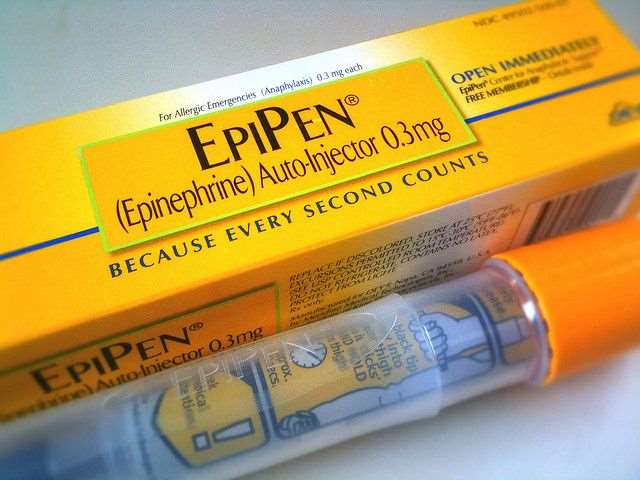
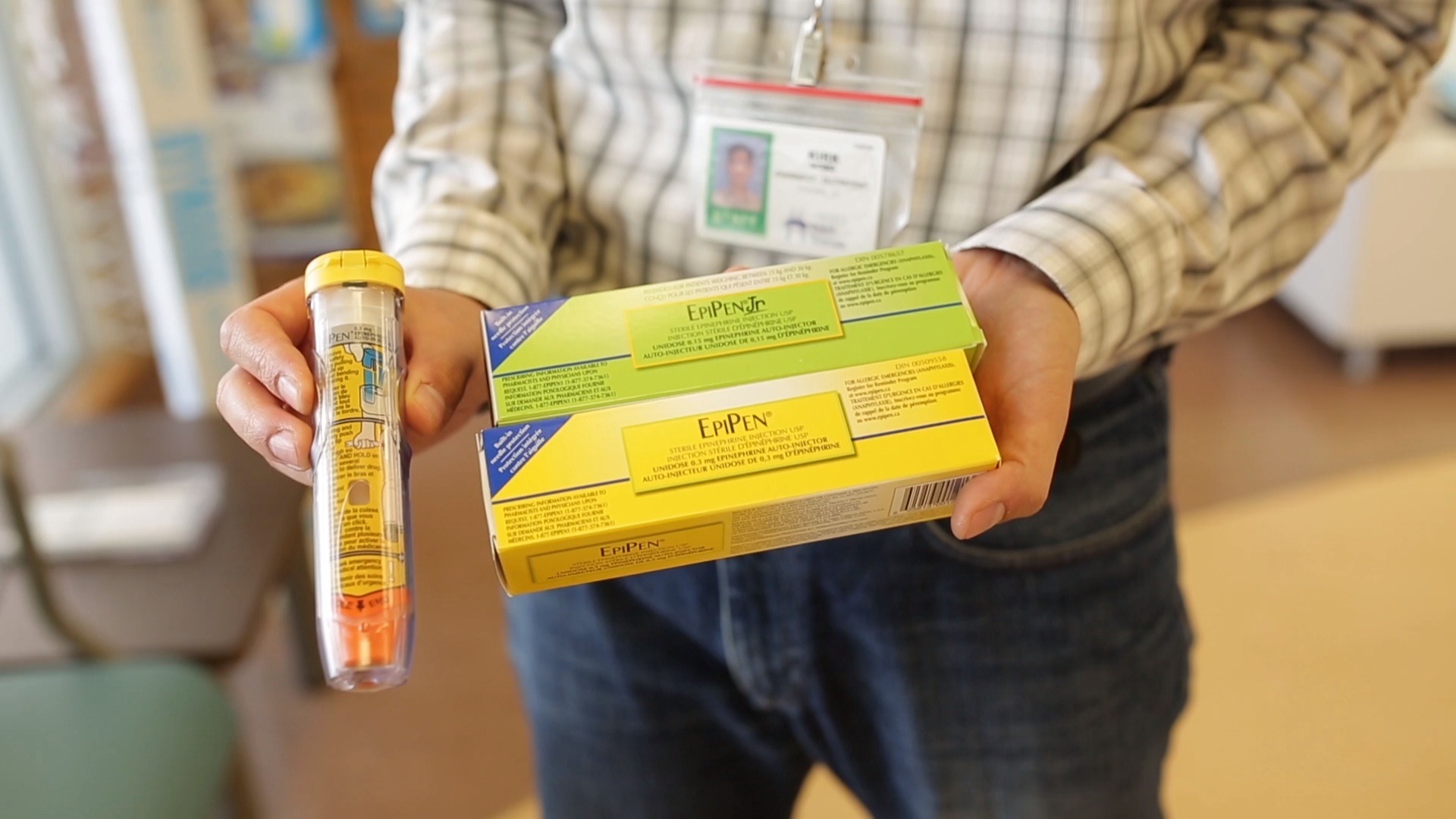
An EpiPen is essentially your emergency tool for a life-threatening allergic reaction, which doctors call anaphylaxis. The term EpiPen is just the brand name for an epinephrine auto-injector. Epinephrine is the medical name for adrenaline, the natural hormone your body releases when you're under stress or in danger.
When someone experiences a severe allergy, their body overreacts, releasing a flood of chemicals that cause things like blood vessels to suddenly widen (dropping blood pressure) and airways to swell or tighten (making it impossible to breathe). This is a full-body shutdown happening very quickly.
The EpiPen delivers a single, precise dose of adrenaline directly into the muscle of the outer thigh. Adrenaline gets to work fast:
-
It tightens up the blood vessels that have become floppy, which helps bring dangerously low blood pressure back up.
-
It relaxes the muscles in the airways (the lungs), helping them open back up so the person can breathe.
-
It reduces the swelling of the face, lips, and throat.
In short, the EpiPen acts like an emergency brake and a restart button for the body, giving you crucial time to get to a hospital for further treatment.
What Are The 3 Stages Of An Allergic Reaction?
It's helpful to understand that not all allergic reactions are the same, and they don't always progress neatly through three stages—sometimes a reaction can go straight to the most severe stage in minutes. Recognising the symptoms quickly is the most important thing.
• Stage 1: Mild Symptoms (Localised)These are often the first signs, but you should never ignore them. They are usually confined to one area of the body.
-
Skin: Itching, hives (raised, red welts), a flushed face, or a mild rash.
-
Digestive: A sudden upset stomach, nausea, or mild stomach pain.
-
Nasal: Sneezing, a runny nose, or a little nasal congestion.
• Stage 2: Moderate/Severe Symptoms (Multiple Body Systems)This is when things are starting to get serious, and you should be preparing to use the EpiPen. These reactions involve two or more body systems (like the skin and the breathing).
-
Breathing: Wheezing, shortness of breath, a persistent cough, or a hoarse voice.
-
Throat/Mouth: Swelling of the lips, tongue, or throat, or a sensation that your throat is "tight" or "closing."
-
Circulation: Dizziness, feeling faint, or a sense of being generally unwell.
• Stage 3: Anaphylaxis (Life-Threatening Emergency)Anaphylaxis is the most severe form of an allergic reaction and must be treated immediately with an EpiPen. You should not wait for all of these symptoms to appear if you suspect an anaphylactic reaction.
-
Airway Blockage: Severe difficulty breathing, a high-pitched sound when inhaling (stridor), or a complete feeling of the throat closing.
-
Shock: A sudden, dramatic drop in blood pressure. The person may become very pale, weak, confused, or lose consciousness.
-
Feeling of Doom: The person may express a sudden, intense anxiety or a feeling that something terrible is about to happen.
What Are The Rules For EpiPen?
Having an EpiPen means you have an important responsibility. These guidelines are critical for ensuring you're ready and that the device works when you need it most.
• Use it immediately if anaphylaxis is suspected.Don't wait for a list of symptoms to appear. If a person with known severe allergies has been exposed to their allergen and is showing any signs of difficulty breathing, dizziness, or swelling of the throat/tongue, use the EpiPen first. A delay of even a few minutes can be dangerous.
• Always carry your EpiPen.If you have a known severe allergy, you should have your EpiPen with you at all times—this means at home, at school, at work, and when travelling. It’s also wise to have a second auto-injector available, as sometimes one dose isn't enough, or the symptoms can return (a 'biphasic reaction').
• Check the expiration date often.EpiPens do expire. Adrenaline loses its potency over time, and an expired pen may not deliver the life-saving dose you need. Check the expiration date regularly and look at the window on the device—the fluid should be clear. If it's cloudy, discoloured, or has sediment, replace it immediately, even if it hasn't expired yet.
• Inject into the outer thigh.The EpiPen is designed to be pushed into the large muscle on the outer side of the thigh. This is the fastest and most effective site for the adrenaline to reach the bloodstream. Do not inject into a vein, a small muscle, or the buttocks. If the person is wearing trousers, the pen is designed to be pushed right through clothing, which saves critical time.
• Call emergency services (999/911) immediately after using the pen.The EpiPen is not a cure; it's emergency first aid. After using it, you must call for an ambulance. The medical team needs to check on the patient, ensure the reaction is fully controlled, and monitor them for a few hours in case the symptoms return.
How Do You Use An EpiPen Step By Step?
Using an EpiPen can be scary in the moment, but the device is actually very simple and designed to be used quickly, even by someone who is panicking. Remember the key is to push firmly and hold.
1. Prepare the Patient:
-
Get the person lying down on their back. If they are having trouble breathing, sitting them up a little might help. If they are dizzy or faint, keep them flat with their legs slightly raised if possible.
-
Stay calm and reassure them that help is on the way.
2. Grab the Pen and Hold It Right:
-
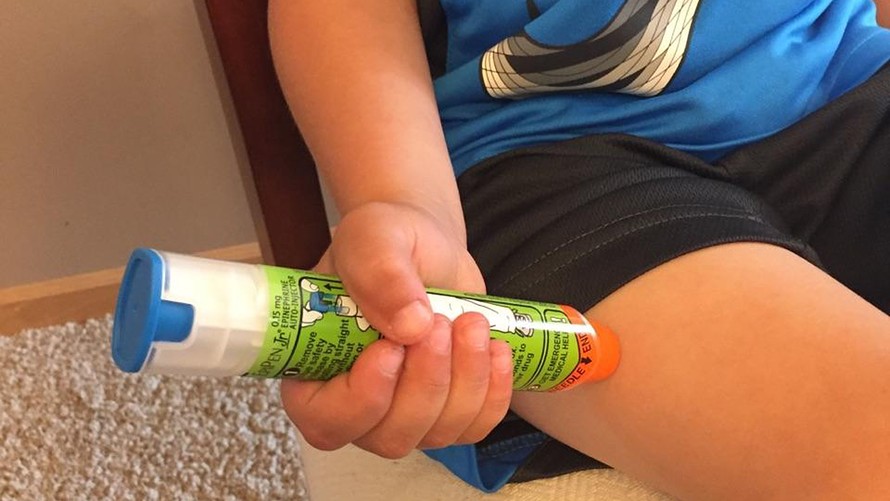
Form a fist around the pen.
-
Crucially, do not put your thumb on either end, especially the orange (injector) end, as you could accidentally inject yourself.
-
Check the clear window to make sure the adrenaline liquid inside is clear.
3. Remove the Safety Cap:
4. Inject into the Thigh:
-
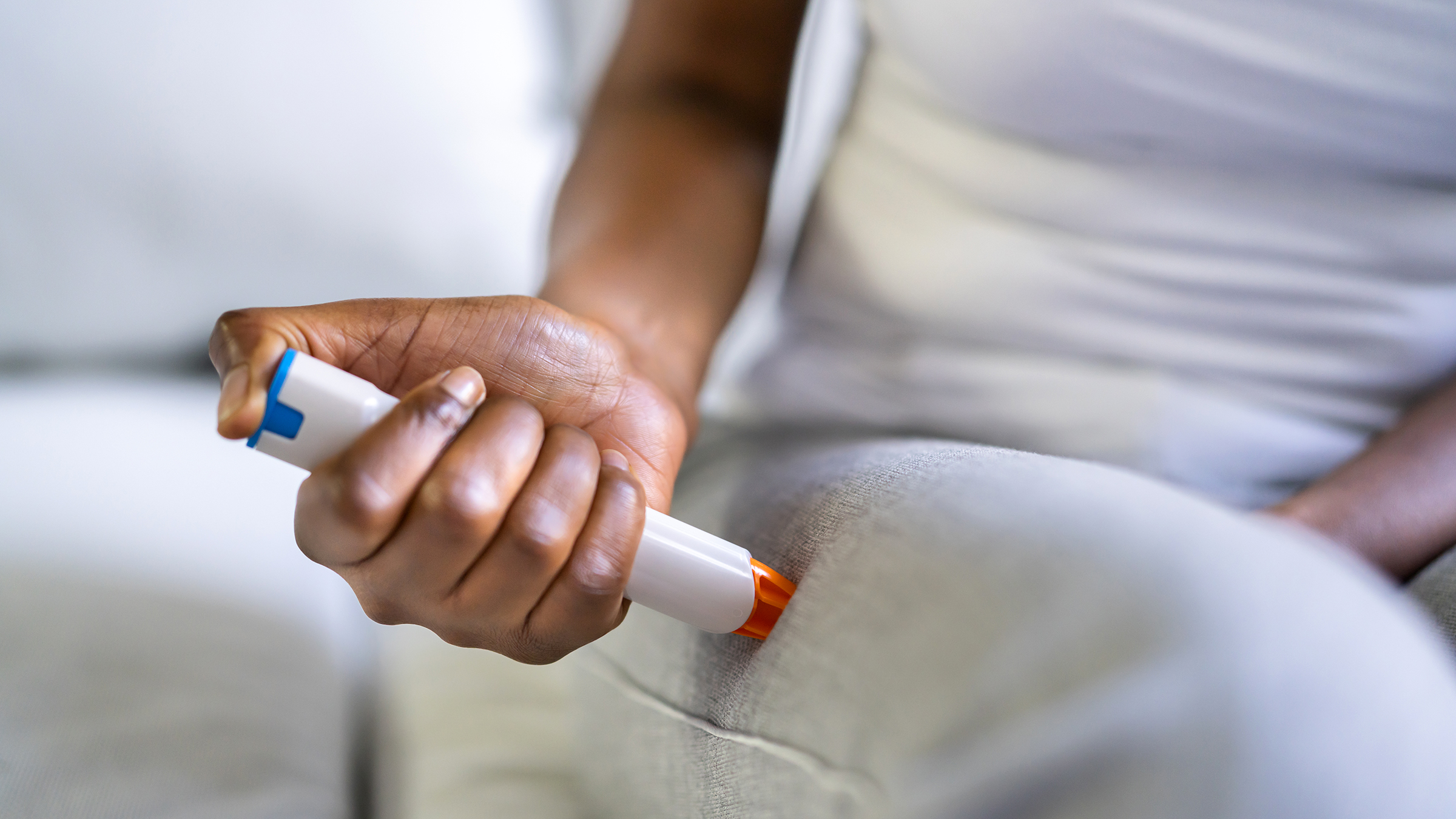
Place the orange tip against the outer thigh, about midway between the hip and the knee.
-
Push the pen firmly into the thigh until you hear a clear "click." This sound tells you the injection has started.
-
Hold the pen in place for at least 3 seconds (some brands may recommend 10 seconds—always check your specific device instructions) to ensure the full dose has been delivered.
5. Remove and Massage:
-
Pull the pen straight out of the thigh. The orange tip should now be extended, covering the needle.
-
Gently massage the injection site for a few seconds to help the adrenaline absorb.
6. Call for Emergency Help (999/911):
EpiPen Usage And Considerations
Where Should An EpiPen Be Injected?
The only place you should ever inject an EpiPen is into the outer thigh muscle. This is the large, meaty part of the leg between your hip and your knee. It is the only safe and effective place to inject the medication.
It is the best spot because that muscle (the vastus lateralis) has excellent blood flow. This means the adrenaline gets into the bloodstream incredibly fast—and speed is everything during anaphylaxis. Do not try to inject it anywhere else, like the buttocks, arm, or a vein, as this is either ineffective or could be dangerous.
The pen is even designed to be pushed right through a person's clothing, which saves vital seconds. If you have to choose between finding bare skin and injecting immediately, always choose injecting immediately, right through the clothes. Every second counts when someone is having a severe allergic reaction.
Does An EpiPen Work Immediately?
The adrenaline in an EpiPen starts working very quickly, usually within a minute or two of the injection. It is designed for rapid response and is meant to be a powerful, temporary fix.
However, you won't necessarily see a complete return to normal right away. Think of it as a crucial life-support measure, not an instant cure. The main goal is to open the airways and get the blood pressure back up so the person can breathe and stay conscious.
Because the adrenaline works so quickly, it can sometimes wear off before the body has fully recovered, and symptoms can actually return a few hours later. Doctors call this a 'biphasic reaction.' This is why the most important rule is to call emergency services immediately after using the pen, even if the person seems much better. They must be monitored in a hospital to ensure the reaction is fully resolved and doesn't come back.
Can I Buy EpiPen Over The Counter In The UK?
No, you cannot simply walk into a chemist in the UK and buy an EpiPen off the shelf. These devices contain a powerful, fast-acting drug (adrenaline) and are strictly prescription-only medications.
This system is in place to ensure they are used correctly and only by people who genuinely need them and have been taught how to use them. You need to be assessed by a qualified medical professional, usually your GP (General Practitioner) or a specialist like an allergist. They will confirm your allergy risk and issue a prescription for the correct dosage. If you are concerned about your allergy risk, your first step should always be to book an appointment with your doctor.
How Allergic Do You Have To Be To Get An EpiPen?
You don't need to worry if you just get a mild rash or sneezing fit from an allergen. An EpiPen is prescribed when a person's allergy carries a genuine, high risk of anaphylaxis—the most severe, life-threatening reaction.
Generally, a doctor will prescribe one if you:
• Have a history of a previous anaphylactic reaction.
• Have had reactions that involved two or more body systems (for example, hives/rash plus breathing difficulties, or stomach cramps plus dizziness).
• Have a known allergy to a high-risk trigger that is difficult to avoid, such as peanuts, tree nuts, or specific insect venoms.
• Have asthma alongside a food allergy, as this combination significantly increases the risk of a severe reaction.
I am ready for the next section.
EpiPen Safety And Considerations
When Should You Use An EpiPen?
You should use an EpiPen immediately, without hesitation, the moment you suspect anaphylaxis is happening to you or someone else. You do not need to wait for a long list of symptoms to appear. The key is to act quickly based on any sign that a severe, life-threatening reaction is starting.
Here are the key signs that should trigger immediate use:
• Any sudden difficulty breathing, wheezing, persistent coughing, or a tight feeling in the throat.
• Any rapid swelling of the lips, tongue, or throat.
• Signs of shock or a sudden drop in blood pressure, like feeling very dizzy, faint, or collapsing.
• Symptoms involving two or more body systems at once (e.g., a rash/hives plus vomiting, or swelling of the mouth plus feeling dizzy).
A common and critical piece of advice from doctors is: If in doubt, use it. It is always safer to administer the EpiPen and be wrong than to delay treatment for even a few minutes when a severe reaction is underway. Time is the most critical factor in surviving anaphylaxis.
What Happens If You Use An EpiPen Without Needing It?
It is a very common worry, but the good news is that using an EpiPen when you didn't strictly need it is generally not life-threatening. The EpiPen delivers a dose of adrenaline, which is a natural hormone your body already produces.
Because it's a burst of adrenaline, you will likely feel some temporary side effects. These are essentially the same symptoms your body feels when you are stressed or scared:
• Increased heart rate or a 'pounding' heart.
• A feeling of nervousness, anxiety, or slight panic.
• Pallor (looking pale) or feeling shaky.
• Headaches or dizziness.
These symptoms are usually short-lived and pass within a few minutes to an hour as your body processes the adrenaline. Compare that to the risk of waiting for a severe allergic reaction to worsen, which is life-threatening. Doctors agree that the benefits of using it quickly when in doubt far outweigh the temporary discomfort of unnecessary use. However, you should still call for medical help after using the pen, even if the symptoms quickly pass, just to be safe.
Do I Need To Go To The Hospital After Using An EpiPen?
Yes, absolutely. This is a non-negotiable rule. The EpiPen is an emergency first-aid measure; it is not a complete treatment. After using the pen, you must immediately call 999 or go straight to the nearest emergency department.
There are two main reasons for this:
• The Biphasic Reaction: As mentioned before, the symptoms can sometimes come back, even hours later, once the initial dose of adrenaline has worn off. This is called a biphasic reaction, and it can be just as severe as the first one. Medical professionals need to monitor you closely for a minimum of four to six hours to ensure this does not happen.
• Further Treatment: The hospital staff will administer other medications, such as antihistamines and steroids, to fully control the allergic reaction and prevent further swelling or symptoms. They will also need to assess your condition and manage any side effects from the adrenaline.
Never assume you are fine and stay home. The reaction is not over until a medical professional confirms it is.
Can I Use An Expired EpiPen In An Emergency?
No, the official guidance is to never rely on an expired EpiPen. Adrenaline is a sensitive medication that breaks down over time. Once the expiration date passes, the drug inside may have lost some of its potency, meaning the life-saving dose delivered may not be strong enough to halt a severe anaphylactic reaction.
However, life doesn't always go by the book. If you are in a remote emergency situation and an expired EpiPen is the absolute only option available (i.e., you have no current pen and an ambulance is delayed), the current, commonly accepted advice is that using an expired pen is better than using no pen at all. It might provide some benefit, though it is not guaranteed.
The most important step is prevention: you must check the expiration date on your EpiPen regularly (for example, every time you visit the pharmacy or every three months) and arrange for a new prescription well before the current one expires. You should also check the clear viewing window—if the fluid inside is cloudy, discoloured, or has small bits floating in it, it must be replaced immediately, regardless of the expiration date.
Additional EpiPen Information
Is An EpiPen Just Adrenaline?
Yes, at its core, an EpiPen is a device that delivers a precise dose of a single active medication: adrenaline, which is also called epinephrine. This is the crucial ingredient that immediately goes to work to reverse the life-threatening symptoms of anaphylaxis.
While adrenaline is the main player, the EpiPen also contains other inactive ingredients, like a small amount of sodium chloride (salt) and sodium metabisulphite (a preservative), all dissolved in water. The important thing to remember is the device itself is a sterile, spring-loaded auto-injector that delivers the medication via a single needle right into the muscle, which is what makes it so fast and effective in an emergency.
How Do You Feel After Using An EpiPen?
After using an EpiPen, you will likely feel a rush of sensations as the adrenaline rapidly enters your system and starts working. These feelings can be quite intense and might be confusing, but they are a sign that the medication is doing its job.
Common feelings include:
• A noticeably increased heart rate or a 'pounding' heart sensation.
• Feeling shaky, trembly, or nervous—similar to a panic attack or being very scared.
• A slight headache, dizziness, or paleness.
• An improvement in your breathing or a feeling that your throat swelling is starting to subside.
It is important to remember that adrenaline is a stress hormone, so feeling anxious or shaky is a normal, temporary side effect. Focus on the positive change, like easier breathing, and remind yourself that these feelings are fleeting. Crucially, the EpiPen is only providing temporary relief, so you must still call for emergency medical help immediately after use.
Is An EpiPen Free In The UK?
For most people in the United Kingdom, EpiPens are available free of charge through the National Health Service (NHS). However, they are not available to everyone or without a proper assessment.
Here's how it generally works:
• Prescription Required: You must first be assessed by a healthcare professional (like your GP or an allergist) who determines your risk of anaphylaxis and issues an official NHS prescription.
• Cost Exemption: If you live in England, the prescription will be free if you meet the standard exemption criteria (e.g., you are under 16, over 60, in full-time education up to age 18, or have certain medical conditions). If you don't meet these criteria, you would pay the standard NHS prescription charge per pen.
• Devolved Nations: Prescriptions are typically free of charge for everyone in Scotland, Wales, and Northern Ireland.
Always discuss your eligibility and any potential charges with your doctor or pharmacist.
Can Anyone Buy An EpiPen?
No, the EpiPen is designated as a prescription-only medication (POM), which means the general public cannot simply buy one from a pharmacy shelf or online store.
This restriction is in place for important safety and medical reasons:
• Medical Assessment: A doctor needs to confirm that a person is genuinely at risk of anaphylaxis before prescribing such a potent emergency medication. They ensure the user knows the correct dosage and administration technique.
• Proper Use: An EpiPen must be used correctly and at the right time. Allowing over-the-counter sales could lead to misuse, delays in seeking professional medical help, or incorrect storage.
If you have a history of severe allergic reactions or a high-risk allergy, your first step is always to schedule an appointment with your GP or an allergy specialist for a proper risk assessment and prescription.
Why Carry An "I Carry An EpiPen" Card
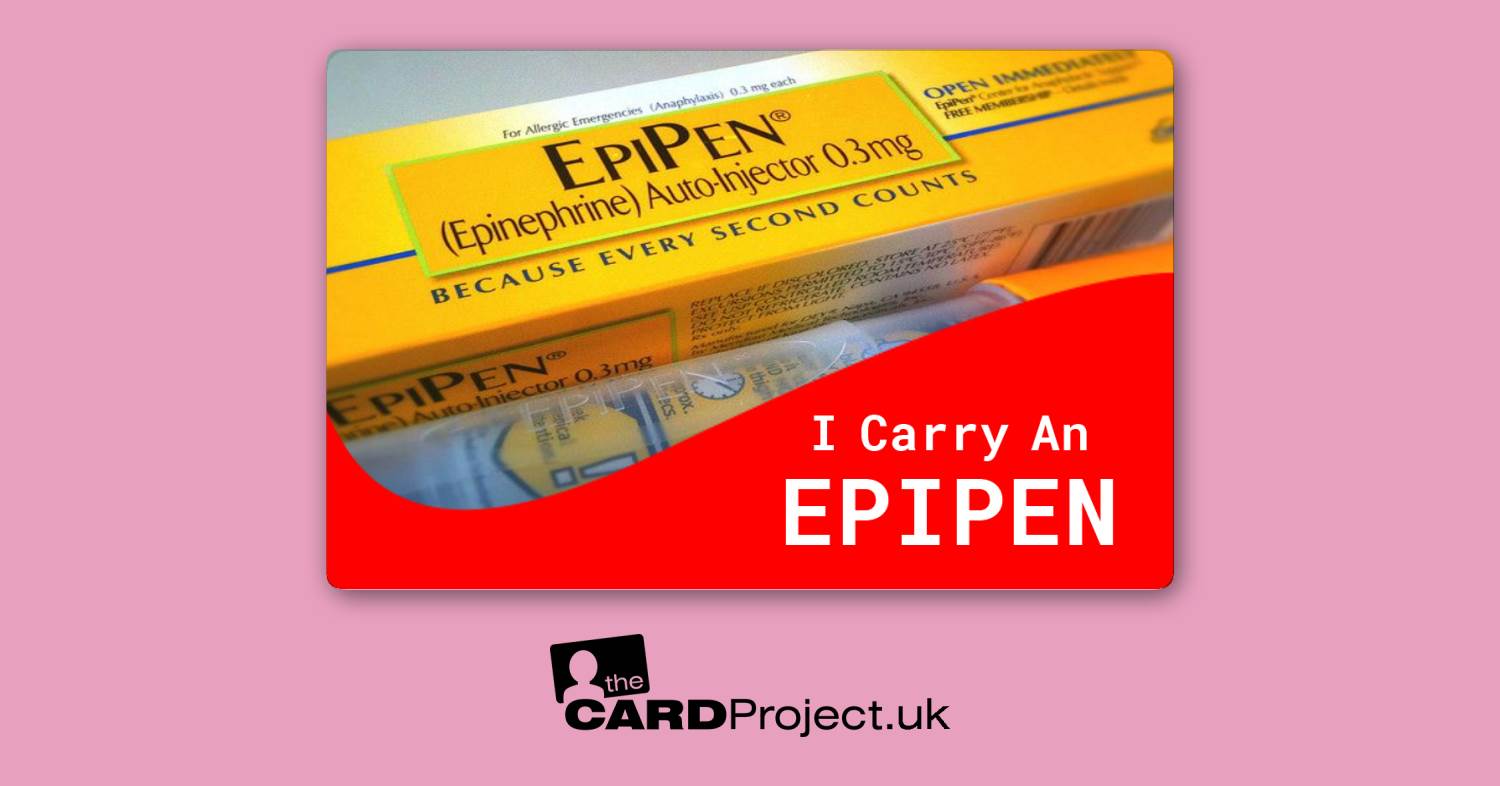
If you or a loved one manages severe allergies, you may have heard about carrying an emergency identification card. This card is a simple but powerful safety tool. It typically shows a picture of an EpiPen and a clear, simple message that you carry life-saving medication. Since a severe allergic reaction (anaphylaxis) can happen in minutes and render a person unable to speak, this small card becomes their voice in an emergency. It removes guesswork and panic for anyone trying to help.
1. Immediate Identification:
The card serves as instant identification, providing a crucial head-start for emergency help. When someone collapses, is having trouble breathing, or looks visibly ill, the first few responders (whether they are paramedics, teachers, colleagues, or even strangers) are trying to quickly figure out what is wrong. By keeping a clearly marked card next to your medication or in your wallet, you immediately tell them two things:
• You have a life-threatening medical condition.
• The specific treatment (epinephrine/EpiPen) is nearby.
This instant communication saves vital minutes, ensuring they do not mistake the reaction for something else, like a panic attack, asthma flare-up, or faintness.
2. Avoiding Confusion:
In the chaos and panic of an allergic reaction, clear communication is often lost. Symptoms of anaphylaxis can escalate rapidly, and the affected person may be confused, unconscious, or too panicked to explain their condition. The card removes any doubt or confusion by delivering an undeniable message.
It is particularly helpful because:
• It eliminates the need for a bystander to search for a medical bracelet or necklace, which can sometimes be covered by clothing.
• It provides a concise, written message to first responders, who are trained to look for identification when approaching an unresponsive patient.
• It speaks on your behalf when you cannot, preventing potentially dangerous delays or misdiagnoses.
3. Speeding Up Treatment:
Time is absolutely critical during an anaphylactic emergency. Every minute that passes increases the severity of the reaction and decreases the effectiveness of the EpiPen. Having an identification card streamlines the entire emergency process:
• For bystanders, it immediately justifies the use of your EpiPen, removing their hesitation and encouraging prompt action.
• For healthcare professionals and paramedics, it directs them straight to the anaphylaxis protocol, allowing them to skip diagnostic steps and move directly to administering a second dose, IV fluids, or other necessary supportive care.
• It allows school nurses or staff to follow emergency protocols without having to call a parent or guardian first to confirm the necessity of the EpiPen use.
4. Raising Awareness:
Beyond its immediate practical function in a crisis, the card acts as a quiet, constant reminder to the people around you. It helps spread awareness about the seriousness of your severe allergy and the need for vigilance.
• For new friends or colleagues, the card is a simple way to inform them of your medical needs without having to have a difficult conversation.
• It reminds family members and school staff about the life-saving medication you carry.
• It encourages the people you are with to be more aware of potential cross-contamination in shared spaces or restaurants.
5. Peace Of Mind:
For anyone who relies on an EpiPen, carrying this card offers a profound level of emotional and psychological security. Knowing that you have a straightforward, foolproof way to communicate your condition in the absolute worst-case scenario reduces the daily anxiety that comes with managing a severe allergy.
This peace of mind extends not just to the person with the allergy, but to their family, friends, and co-workers who worry about them. They know that if you are alone and something happens, you have a clear, written instruction for your own rescue. Carrying an emergency ID card isn't just a precaution; it's a practical, simple step toward ensuring your safety and well-being.
To find out more and order your card, visit our website today.
© 2024 The Card Project Uk Ltd
VAT: 453 2087 06
|