Graves’ Disease Explained
Disclaimer
This guide provides general information about Graves’ disease for educational purposes only. It is not a substitute for professional medical advice, diagnosis, or treatment. Always consult a qualified healthcare provider, such as your GP or an endocrinologist, for any concerns about your health or symptoms. Individual experiences with Graves’ disease can vary widely, and treatment decisions should be made in partnership with your doctor.
This information is accurate as of December 2025.
Table of Contents
What is Graves’ Disease?
Graves’ disease is the leading cause of an overactive thyroid (known medically as hyperthyroidism) in the UK, accounting for around three-quarters to four-fifths of all cases. It occurs when your immune system mistakenly produces antibodies that target your own thyroid gland—a small, butterfly-shaped organ sitting at the base of your neck, just below the Adam’s apple. Normally, this gland releases hormones that play a key role in controlling how your body uses energy, regulating things like your heart rate, body temperature, metabolism, and even mood.
In Graves’ disease, these antibodies (called thyroid-stimulating immunoglobulins, or TSH receptor antibodies) act like a false signal, constantly telling the thyroid to work harder and pump out excess hormones. This overdrive can speed up many bodily processes, which explains the wide range of symptoms people experience. If you’ve recently been diagnosed, it’s completely understandable to feel worried or overwhelmed—many people do at first. The good news is that with the right treatment and support, most people with Graves’ manage it effectively and continue to lead full, active lives.
Who Does It Affect?
Graves’ disease can develop at any age, but it most commonly starts between the ages of 30 and 60. It’s significantly more common in women than men, with estimates suggesting it affects women five to ten times more often. In the UK, hyperthyroidism overall affects about 2% of women and 0.2% of men at some point in their lives, and Graves’ is the main culprit behind most of these cases.
-
Family links are common. If a close relative has had Graves’ or another autoimmune thyroid condition, your risk is higher. This genetic tendency often combines with other triggers, such as stress, smoking, or infections, to set the condition off.
-
It’s an autoimmune condition. Like other autoimmune disorders (for example, type 1 diabetes or rheumatoid arthritis), the body’s defence system turns against its own tissues. In Graves’, the thyroid bears the brunt, but the effects can sometimes spread to nearby areas like the eyes or skin.
-
Severity varies widely. Some people have mild symptoms that respond quickly to treatment, while others experience more intense effects that come and go over time. Factors like age, smoking status, and the strength of those antibodies can influence how the condition behaves.
A Bit of History and Hope
The condition is named after Robert Graves, an Irish doctor who first described it in detail back in the 1830s (though it was also recognised around the same time by others in Europe). Today, we have a much clearer understanding of what causes it and far better ways to manage it.
Treatments available on the NHS are highly effective at bringing symptoms under control and protecting long-term health. Many people reach a point called remission, where the overactivity settles down and they no longer need daily medication—though rates vary (typically around 40-50% after a standard course of tablets, and potentially higher with longer treatment). Even if ongoing management is needed, modern options mean the impact on daily life is usually minimal.
It’s also worth knowing that while Graves’ can sometimes involve the eyes (known as thyroid eye disease) or occasionally the skin, these complications affect only a portion of people and are covered in more detail later in this guide.
If you or someone close to you is facing a new diagnosis, remember to take things one step at a time. Your GP, endocrinologist, and specialist nurse are there to answer questions and tailor a plan that suits you.
Symptoms and How It Affects Daily Life
The symptoms of Graves’ disease stem directly from the thyroid producing too much hormone, which speeds up your body’s metabolism and affects nearly every system. They usually develop slowly—over weeks or months—making it easy to brush them off as everyday stress, being run down, or just getting older. It’s completely normal to feel frustrated or worried if it’s taken a while to get answers; many people go through the same thing before a diagnosis.
Once treatment begins (often with tablets to calm the thyroid), most people start feeling better within a few weeks, with energy returning and symptoms easing. Your GP or endocrinologist will work with you to find the right approach, and the outlook is generally very positive.
Common Physical Symptoms
These are the changes many people notice first. Not everyone experiences all of them, and they can range from mild to more noticeable.
-
Feeling hotter than usual and sweating more. You might find yourself overheating in normal temperatures, needing lighter clothing, or waking up sweaty at night. This happens because excess thyroid hormone raises your body’s core temperature and revs up heat production, which can make everyday activities feel uncomfortable.
-
Heart racing or pounding (palpitations). A faster heartbeat is common, especially when resting or lying down, and some people feel irregular beats. This can be unsettling, but beta-blocker tablets often help quickly while other treatments take effect.
-
Unintentional weight loss despite normal (or increased) eating. Many people lose weight without trying, even if they feel hungrier or thirstier than usual. The sped-up metabolism burns calories faster, which explains the change—though appetite can vary.
-
Tremors or shaky hands. Fine shaking in the hands can make simple tasks like writing, eating, or buttoning clothes trickier. It’s caused by the hormone surge affecting nerves and muscles, and it usually improves with treatment.
-
Tiredness and muscle weakness. Despite the “revved-up” feeling, many feel exhausted, with particular weakness in the thighs or upper arms—climbing stairs or getting up from a chair can become tiring. Poor sleep often adds to this fatigue.
-
Sleep difficulties. Trouble falling asleep, staying asleep, or restless nights are widespread, leaving you drained the next day even after a full night in bed. The overactive system keeps your body alert when it should be winding down.
Emotional and Mental Effects
The hormone imbalance can influence mood and thinking, which might surprise some people.
-
Anxiety, irritability, or mood swings. Feeling on edge, short-tempered, or tearful for no clear reason is common. These changes can strain relationships or make social situations harder, but they’re directly linked to the thyroid and usually settle as levels normalise.
-
Difficulty concentrating. Some describe a “brain fog” that affects work, reading, or following conversations. It’s reassuring to know this isn’t permanent and often lifts once treatment kicks in.
Changes in Appearance or Other Areas
-
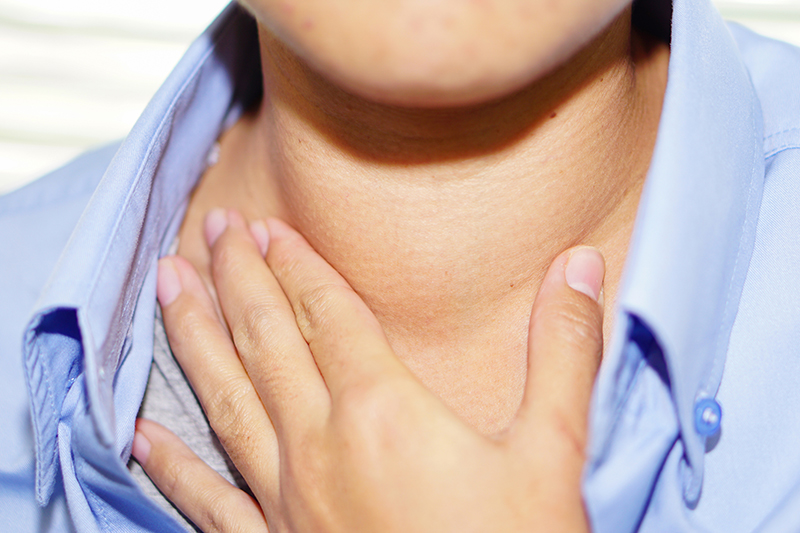
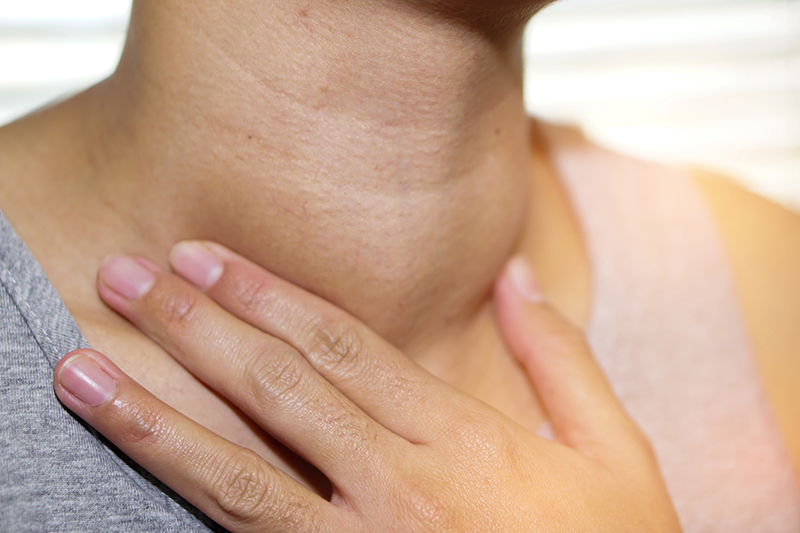
A swollen neck (goitre). The thyroid can enlarge, causing a visible or noticeable swelling at the front of the neck. It might feel tight when swallowing or wearing certain collars, though not everyone develops this.
-
Skin changes (rare). A small number of people notice thickened, reddish skin on the shins (pretibial myxoedema). It’s usually mild and treatable.
-
Lighter or irregular periods in women. Menstrual cycles can become shorter, lighter, or unpredictable, which often returns to normal with treatment.
Thyroid Eye Disease (TED)
About one in three to four people with Graves’ develop some eye involvement, though only a small percentage (around 5%) have severe problems needing specialist care.
-
Gritty, watery, or painful eyes. Dryness, redness, or a sandy feeling is common early on. Simple measures like lubricating drops and avoiding smoke or wind can help a lot.
-
Swelling or bulging (proptosis). Eyes may appear more prominent, with puffy lids or difficulty closing fully. In milder cases, this improves on its own or with thyroid control.
-
Double vision or pressure. Less commonly, swelling behind the eyes affects muscles, causing blurred or double vision. If this happens suddenly or severely, contact your doctor straight away for urgent review.
Smoking significantly worsens eye symptoms, so quitting is one of the most helpful steps you can take.
How Symptoms Affect Everyday Life
These changes can add up and impact different parts of life in subtle or obvious ways.
For parents, keeping up with children’s energy or play might feel exhausting. At work or school, concentration issues or tiredness can make tasks harder. Simple things like grocery shopping in a warm store or a restless night before an important day become more challenging.
The good news is that effective treatments on the NHS bring most symptoms under control, often allowing people to return to their usual routines. Many find that once the thyroid settles, they feel like themselves again.
Symptoms in Children and Young People
Children can show similar signs, but sometimes they present differently—often with hyperactivity, poor focus at school, or growth spurts rather than classic adult symptoms. Emotional changes like irritability or anxiety might be mistaken for behavioural issues. If you’re concerned about a child, early discussion with a GP or paediatrician is key, as prompt treatment supports healthy development.
No two people experience Graves’ exactly the same way. Keeping a simple symptom diary—jotting down what you notice day to day—can be really helpful when talking to your doctor. It gives them a clearer picture and helps tailor your care.
Causes and Risk Factors
We still don’t know exactly why Graves’ disease starts in one person and not another, but it’s clear that it happens when a genetic tendency meets certain triggers in the environment. Think of it like a lock and key: your genes build the lock, and something in life turns the key that sets the immune system off against the thyroid. Understanding these factors can help make sense of why it’s happened to you or someone you care about, even though it often feels random.
The Genetic Piece of the Puzzle
Your family background plays a significant role. If close relatives have had Graves’ disease, Hashimoto’s thyroiditis, or other autoimmune conditions, your chances are higher.
-
Inherited tendency, not certainty. Having a parent or sibling with Graves’ increases your risk roughly 5- to 10-fold, but most people with that family history never develop the condition. Genes only make you more susceptible; they don’t guarantee it will happen.
-
Shared immune traits. Certain gene patterns affect how the immune system recognises “self” versus “foreign.” These same patterns appear in several autoimmune illnesses, which explains why Graves’ sometimes runs alongside conditions like type 1 diabetes, coeliac disease, or rheumatoid arthritis.
-
Worth mentioning to your doctor. When you see your GP or endocrinologist, let them know about thyroid or autoimmune problems in the family. It can guide testing for relatives later and sometimes influences treatment choices.
Why Women Are Affected Much More Often
In the UK, women are around seven to ten times more likely to develop Graves’ than men.
-
Hormonal influence on immunity. Oestrogen appears to make the immune system more active, which is helpful for protecting a pregnancy but can backfire by increasing the chance of autoimmunity. This is one reason most autoimmune diseases affect women more.
-
Peak ages. It most commonly starts between 20 and 50—often during the busy reproductive years when hormone levels fluctuate a lot. That said, men and older adults can definitely develop Graves’ too, and when men do get it, eye symptoms are sometimes more severe.
Environmental Triggers That Can “Switch It On”
Not everyone with the genetic risk gets Graves’, so doctors believe something external often acts as the final spark.
-
Stress—physical or emotional. Major life events (bereavement, divorce, exams, or even a serious infection) are reported by many people as happening just before symptoms started. Severe stress can alter immune regulation, though not everyone recalls an obvious trigger.
-
Smoking is one of the strongest known risks. People who smoke are roughly twice as likely to develop Graves’, and smoking makes thyroid eye disease much worse and harder to treat. Quitting at any stage brings real benefits—NHS Stop Smoking services are free and very effective.
-
Infections. Viral infections (even a bad cold or chest infection) have been linked to the start of Graves’ in some cases. The immune system ramps up to fight the bug and, in susceptible people, then misfires against the thyroid.
-
Pregnancy and the postpartum period. The immune system naturally shifts during pregnancy to protect the baby, then readjusts after birth. For some women this readjustment triggers Graves’—often in the first few months after delivery (postpartum thyroiditis can sometimes turn into Graves’).
-
Iodine exposure. Very high iodine intake (for example, from certain supplements or contrast dyes used in scans) can occasionally tip an at-risk thyroid into overdrive, though this is uncommon in the UK.
Other Health Conditions That Raise the Odds
Having one autoimmune condition slightly increases the chance of developing another.
-
Examples include vitiligo (patchy loss of skin pigment), pernicious anaemia (B12 deficiency caused by autoimmune attack on stomach cells), Addison’s disease, and coeliac disease. If you already live with one of these, regular thyroid checks are sensible.
-
Type 1 diabetes. Children and adults with type 1 often have routine thyroid screening because the two conditions overlap more than by chance.
In the end, many people diagnosed with Graves’ have no obvious risk factors at all. It can feel unfair, but the important thing is that it’s nobody’s fault. Once the condition is active, the focus shifts quickly to effective treatment and getting you feeling well again. Knowing your personal risk factors can help with family screening and decisions like quitting smoking, but it doesn’t change the excellent management options available on the NHS today.
Diagnosis: What to Expect
If you’ve been experiencing symptoms like feeling overly warm, a racing heart, unexplained weight loss, or anxiety, your GP will usually start by arranging a simple blood test. This process is straightforward and available on the NHS, and getting checked early can make a big difference. It’s completely understandable to feel anxious while waiting for results—many people do—but the good news is that Graves’ disease is highly treatable once identified, and most people go on to feel much better with the right care.
The First Step: Blood Tests
Your doctor will begin with thyroid function tests, which are the cornerstone of diagnosing an overactive thyroid.
-
TSH (thyroid-stimulating hormone) is usually very low. TSH is produced by the pituitary gland to tell your thyroid how much hormone to make. In Graves’, the excess hormones suppress TSH production, so a low level is often the first clue.
-
Free T4 (FT4) and sometimes free T3 (FT3) are high. These are the active thyroid hormones circulating in your blood. Elevated levels confirm hyperthyroidism, and checking both helps assess how severe it is.
These tests are quick and reliable. A single blood sample is all that’s needed, and results often come back within a few days. If they show hyperthyroidism, your GP will usually refer you to an endocrinologist (a thyroid specialist) for further checks.
Confirming It’s Graves’ Disease
Once hyperthyroidism is confirmed, the next step is to pinpoint the cause—Graves’ is the most common, but tests help rule out other possibilities like nodules or inflammation.
-
TSH receptor antibodies (TRAb or TSHR antibodies). This blood test looks for the specific antibodies that drive Graves’ disease. They’re positive in around 95-99% of cases, making it a very accurate way to confirm the diagnosis. Recent UK surveys show endocrinologists increasingly rely on this test first, as it’s simple and avoids radiation.
-
Thyroid uptake scan (if needed). This involves a small amount of harmless radioactive tracer (usually technetium) injected or swallowed, followed by a scan to see how actively your thyroid is taking it up. In Graves’, the whole gland shows high, even uptake. It’s not always required if antibodies are clearly positive, but it can be helpful in unclear cases.
-
Ultrasound scan. Sometimes used to look at the thyroid’s structure and blood flow—Graves’ often shows increased vascularity. It’s safe, with no radiation, and can spot a goitre or other changes.
What Happens During Your Appointment
Your doctor will also do a gentle physical examination to support the diagnosis.
-
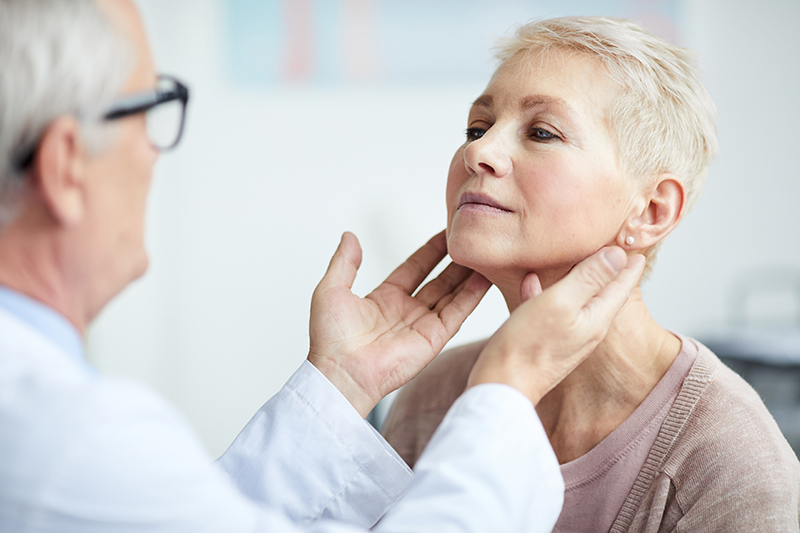
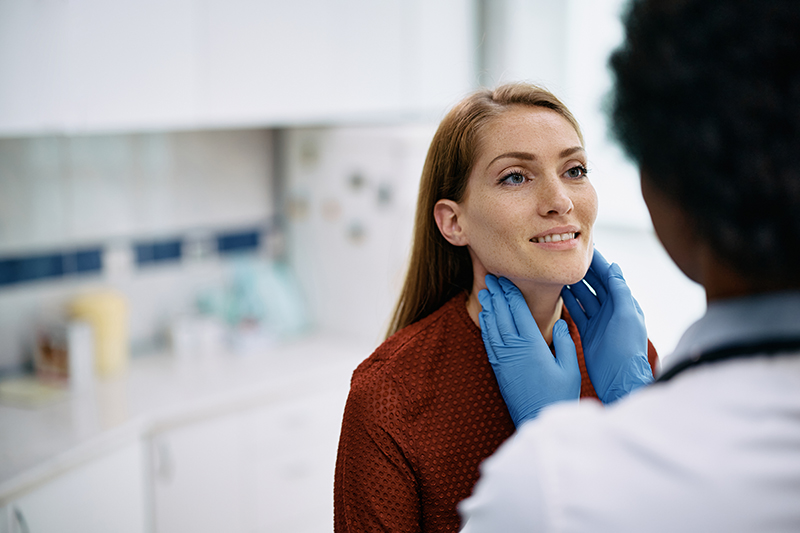
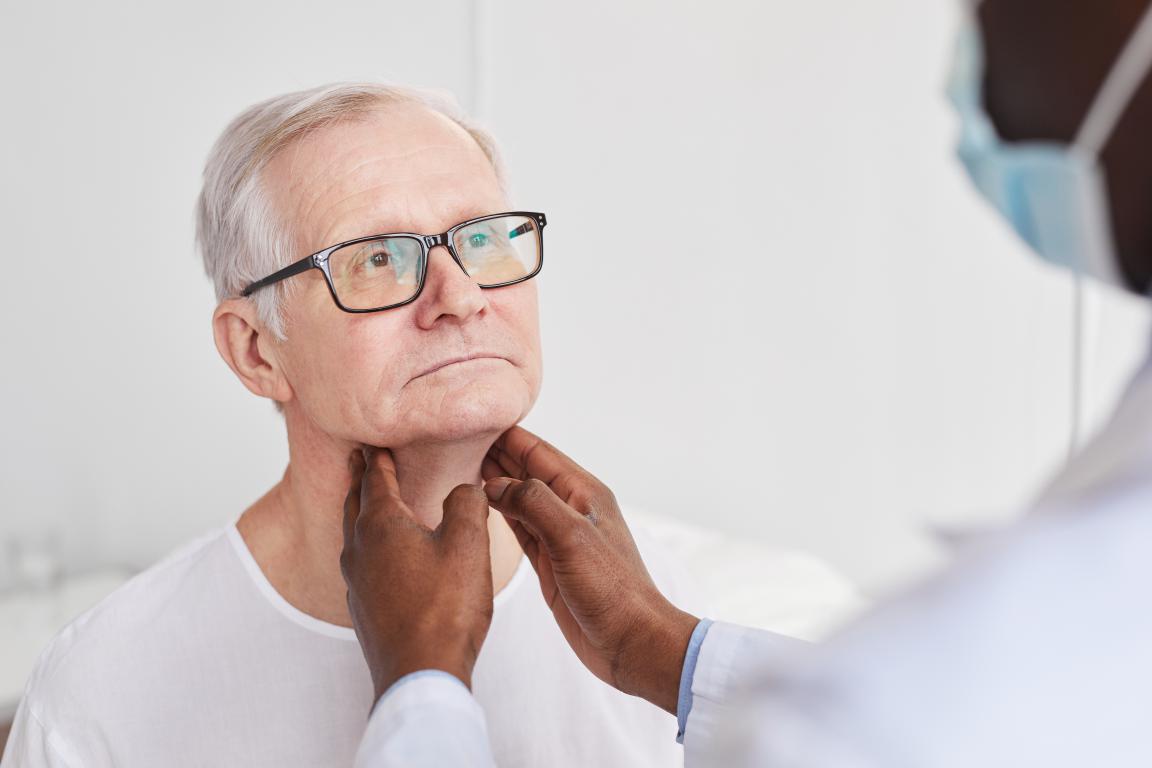
Checking your neck. They’ll feel for any enlargement (goitre), which is common in Graves’ and can feel smooth and firm.
-
Looking for other signs. Brisk reflexes, hand tremors, or eye changes (like puffiness or bulging) are classic clues. If eye symptoms are present, you may be referred to a specialist ophthalmologist for a detailed assessment.
-
Discussing your history. They’ll ask about family thyroid problems, recent stress, smoking, or other autoimmune conditions, as these can influence the picture.
Most diagnoses are made in outpatient clinics, with appointments at your local hospital. Only very severe cases (like a thyroid storm, which is rare) might need urgent hospital admission.
Special Considerations for Certain Groups
Diagnosis can be tailored depending on your situation to ensure safety.
-
In pregnancy. Radioactive scans are avoided to protect the baby. Blood tests (TSH, FT4, and TRAb) are the mainstay, with careful monitoring by a joint obstetric-endocrine team. High TRAb levels can affect the baby, so levels are often checked in the second trimester.
-
In children and young people. Symptoms might include poor concentration, hyperactivity, or growth issues rather than typical adult signs. Paediatric endocrinologists use the same blood tests but interpret them age-appropriately. Scans are used sparingly to minimise radiation exposure.
Why Early Diagnosis Matters
Spotting Graves’ early helps prevent longer-term issues like strain on the heart, bone thinning, or worsening eye problems. Don’t hesitate to book that GP appointment if symptoms persist—many people wish they’d sought help sooner. Once diagnosed, treatment can start promptly, often bringing relief within weeks.
Treatment Options
There are three established ways to treat Graves’ disease in the UK: antithyroid tablets (also called antithyroid drugs or ATDs), radioiodine treatment, and surgery (thyroidectomy). Each has its strengths, and the best choice for you depends on factors like your age, how severe the condition is, the size of any goitre, whether you have eye involvement, plans for pregnancy, and your own preferences. Your endocrinologist will take time to go through the pros and cons with you, often involving shared decision-making so the plan fits your life. It’s completely understandable to feel unsure about which option to pick—many people do—but all three are effective at controlling the condition, and most people go on to live well-managed lives.
Antithyroid Tablets
This is often the first treatment tried in the UK, especially for a new diagnosis, as it’s non-invasive and gives the thyroid a chance to settle without permanent changes.
-
How they work. Tablets like carbimazole (the most common first-line choice on the NHS) or propylthiouracil (PTU) block the thyroid from making excess hormones. You usually start on a higher dose to quickly bring levels under control, then taper to a lower maintenance dose.
-
Symptom relief add-ons. In the early weeks, beta-blockers such as propranolol are often prescribed to ease symptoms like a racing heart, tremors, or anxiety while waiting for the antithyroid tablets to fully kick in. These don’t treat the thyroid itself but make you feel better sooner.
-
Typical course and remission chances. Treatment usually lasts 12-18 months, after which the tablets are stopped to see if remission (where the thyroid stays normal without medication) has been achieved. Around 40-50% of people reach lasting remission after this standard course, though rates can vary—higher in milder cases or with certain factors like smaller goitre or lower antibody levels. If it relapses, you can restart tablets or move to a definitive option.
-
Monitoring and side effects. You’ll have regular blood tests to check thyroid levels and watch for rare but important side effects, such as a drop in white blood cells (agranulocytosis—seek urgent help if you develop a sore throat, mouth ulcers, or fever) or liver issues. Rashes are more common but often mild and manageable.
Many people prefer starting with tablets because they preserve your natural thyroid function and avoid radiation or surgery. Longer courses (beyond 18 months) are sometimes used in specific cases and may improve remission odds further.
Radioiodine Treatment
Radioiodine is a one-off treatment that uses a small dose of radioactive iodine (given as a drink or capsule) to target and gradually shrink overactive thyroid cells.
-
How it works and outcomes. The iodine is taken up by the thyroid, reducing its activity. It effectively cures the hyperthyroidism in most cases (80-90% with one dose), but almost always leads to an underactive thyroid (hypothyroidism) over time, requiring lifelong daily levothyroxine tablets—which are straightforward to manage.
-
Who it suits best. It’s a popular choice for those who’ve relapsed after tablets, prefer a single treatment, or have contraindications to ongoing medication. It’s particularly convenient as an outpatient procedure.
-
Important precautions. Radioiodine is not suitable during pregnancy or breastfeeding, and reliable contraception is needed for 4-6 months afterwards (for both women and men, as it can temporarily affect fertility). If you have active thyroid eye disease, it can sometimes worsen symptoms, so steroids are often given beforehand to protect the eyes; in severe cases, it may be delayed.
-
After treatment. You’ll follow simple radiation safety rules for a short period (like limiting close contact with children or pregnant people). Side effects are usually mild, such as temporary neck tenderness.
This option provides a permanent solution without surgery and is widely available on the NHS.
Surgery (Thyroidectomy)
Surgery involves removing most or all of the thyroid gland (total thyroidectomy is now the preferred approach in many UK centres for Graves’ to minimise recurrence risk).
-
How it works and outcomes. It offers rapid, definitive control—hyperthyroidism is cured immediately after recovery. Like radioiodine, it usually results in hypothyroidism, so you’ll take lifelong levothyroxine.
-
Who it suits best. It’s often recommended for large goitres causing pressure symptoms, suspected nodules needing investigation, those planning pregnancy soon (as it avoids radiation waits), or when tablets or radioiodine aren’t suitable. It can also benefit eye disease by quickly lowering antibody levels.
-
Risks and recovery. Performed by experienced endocrine surgeons, complications are low: temporary voice changes or low calcium levels occur in a small percentage and usually resolve; permanent issues (like permanent hoarse voice from nerve injury or ongoing low calcium needing supplements) are rare (around 1-2% or less in high-volume centres). You’ll stay in hospital 1-2 nights and recover over a few weeks.
-
Preparation. Tablets are used beforehand to stabilise thyroid levels for safer surgery.
Surgery gives the quickest resolution and no radiation exposure, making it a strong option for certain situations.
Whichever path you take, the goal is the same: to bring your thyroid under control and protect your long-term health.
Living with Graves’ Disease: Management and Lifestyle
Living with Graves’ disease means finding a balance between medical treatment, regular monitoring, and practical day-to-day adjustments. Many people discover that once their thyroid levels stabilise, they can manage the condition effectively and maintain a good quality of life. It’s common to have ups and downs, especially early on, but most find ways to adapt and thrive—whether that’s through pacing activities, making small diet tweaks, or building in rest when needed.
Your endocrinologist or GP will guide the medical side, with ongoing blood tests and appointments to keep things on track. In the meantime, certain lifestyle choices can support your wellbeing, ease symptoms, and even influence how the condition behaves over time.
Diet and Nutrition
A balanced diet helps your body cope with the effects of excess thyroid hormone and supports overall health. There’s no one “Graves’ diet,” but focusing on nutrient-rich foods makes a real difference.
-
Prioritise calcium and vitamin D for bone health. Untreated or prolonged hyperthyroidism can speed up bone turnover, increasing the risk of thinning bones later in life. Include sources like low-fat dairy (milk, yoghurt, cheese), fortified plant milks, leafy greens, tinned fish with bones (such as sardines), and nuts. Vitamin D from sunlight, oily fish, or supplements (if advised by your doctor) works alongside calcium to keep bones strong.
-
Be mindful of iodine intake. Iodine is essential for thyroid function, but too much (from supplements, kelp, or certain seaweed products) can sometimes worsen overactivity in Graves’. Stick to normal amounts from iodised salt or everyday foods—avoid high-dose supplements unless prescribed.
-
Eat anti-inflammatory foods. Some people find that a Mediterranean-style diet—with plenty of fruits, vegetables, whole grains, lean proteins, and healthy fats—helps with energy and reduces general inflammation. Antioxidants in berries, tomatoes, and peppers support immune health, while selenium-rich foods (like Brazil nuts—one or two a day) may play a helpful role in thyroid function.
Exercise and Physical Activity
Staying active is beneficial, but it’s important to listen to your body, especially when symptoms like fatigue or muscle weakness are prominent.
-
Choose gentle, regular movement. Activities like walking, swimming, or yoga can boost mood, maintain muscle strength, and support heart health without overstraining. They also help counteract any weight changes and improve sleep quality over time.
-
Include weight-bearing and strength exercises. To protect bone density, incorporate activities like brisk walking, light weights, or bodyweight exercises (squats, lunges). Start slowly and build up—many people find this helps them feel stronger and more in control.
-
Avoid overdoing it initially. When hyperthyroidism is active, intense workouts can add stress to the heart or worsen fatigue. As treatment takes effect and energy returns, you can gradually increase intensity.
Managing Stress
While stress doesn’t cause Graves’, it can make symptoms feel worse and is often reported as a trigger for flare-ups.
-
Build in relaxation practices. Techniques like mindfulness, deep breathing, meditation, or gentle yoga can lower anxiety and improve sleep. Even short daily sessions make a noticeable difference for many.
-
Find what works for you. Hobbies, time in nature, listening to music, or talking things through with a trusted friend all help. If mood swings or anxiety persist, speaking to your doctor about support options is worthwhile.
Smoking and Other Habits
-
Quit smoking. Quitting smoking is one of the most impactful steps. Smoking significantly increases the risk of developing Graves’ in the first place and makes thyroid eye disease much more likely and severe. Stopping at any point brings benefits—symptoms often improve, and eye problems are less likely to worsen.
-
Limit alcohol and caffeine if they affect you. Some people notice palpitations or sleep issues worsen with too much coffee or alcohol, so moderating intake can help.
Day-to-Day Monitoring and Support
Keeping an eye on how you feel day to day empowers you to spot changes early.
-
Track patterns. Note weight, energy levels, mood, sleep, or any new symptoms in a simple journal or app. This information is invaluable at appointments and helps your doctor adjust treatment promptly.
-
Lean on your support network. Explaining to family or friends about fatigue, anxiety, or heat intolerance can make a big difference—they’ll better understand why you might need to pace yourself or take breaks.
-
Adjust pacing for work and family life. Many people continue working, parenting, and enjoying hobbies successfully by planning around energy levels—perhaps breaking tasks into shorter chunks or prioritising rest.
Long-Term Outlook
With consistent management, many people achieve remission after a course of antithyroid tablets, where the condition settles and no further medication is needed (rates typically range from 40-50% after 12-18 months, and potentially higher with longer treatment in some cases). Others may have relapses or opt for definitive treatments like radioiodine or surgery, leading to a stable underactive thyroid managed with daily levothyroxine.
Special Considerations: Eyes, Pregnancy, and Children
Graves’ disease can sometimes involve more than just the thyroid, particularly affecting the eyes, and it requires extra care during pregnancy or in childhood. These situations can feel particularly worrying, but with specialist input and close monitoring, most people manage them well and achieve good outcomes. It’s reassuring to know that complications are often preventable or treatable when caught early.
Thyroid Eye Disease (Also Known as Graves’ Orbitopathy)
Around one in three to four people with Graves’ develop some form of eye involvement, though only a small minority (about 5%) experience severe problems that threaten sight. The immune attack causes inflammation and swelling in the tissues around and behind the eyes, leading to various symptoms.
-
Mild symptoms are most common. Many notice gritty, dry, or watery eyes, redness, puffiness around the lids, or sensitivity to light and wind. These often improve on their own or with simple measures like artificial tear drops, cooling gels, or sleeping with the head raised to reduce swelling.
-
Quitting smoking makes a big difference. Smoking is one of the strongest risk factors for developing or worsening eye disease—it doubles the odds and makes symptoms harder to control. Stopping at any stage helps significantly.
-
Selenium supplements may help in mild cases. Some studies suggest that taking selenium (an antioxidant mineral) for six months can ease mild symptoms and improve quality of life, particularly in areas where dietary selenium is low. Always discuss with your doctor before starting supplements, as benefits vary and excess can cause side effects.
More moderate or active disease might involve bulging eyes (proptosis), double vision, or pressure behind the eyes.
-
Specialist treatments for moderate to severe cases. Intravenous steroids can quickly reduce inflammation in the active phase. Newer targeted therapies, such as teprotumumab (now licensed in the UK for moderate-to-severe active disease), have shown strong results in reducing bulging and double vision. Other options like rituximab or orbital radiotherapy are considered in specific situations.
-
Surgery for ongoing issues. Once the active inflammation settles (usually after 18-24 months), procedures like orbital decompression (to create more space for the eyes), eye muscle surgery (for double vision), or eyelid adjustments can restore appearance and function.
-
Joint clinics for complex care. Many hospitals run combined thyroid-eye clinics with endocrinologists and ophthalmologists working together—this coordinated approach helps tailor treatment and monitor progress closely.
If eye symptoms worsen suddenly (severe pain, vision loss, or rapid bulging), seek urgent medical review, as rare sight-threatening complications need prompt intervention.
Graves’ Disease and Pregnancy
Planning a pregnancy with Graves’ is best done in advance, but many women have healthy pregnancies and babies even if diagnosed during gestation. Uncontrolled hyperthyroidism can raise risks like preterm birth or low birth weight, but close monitoring and treatment keep most outcomes positive.
-
Pre-pregnancy planning is ideal. Aim to have thyroid levels stable before conceiving—your endocrinologist can adjust treatment and discuss options. If you’ve had radioiodine or surgery in the past, levothyroxine dosing often needs review.
-
Safe medication choices. Antithyroid tablets are the mainstay and generally safe. Propylthiouracil (PTU) is preferred in the first trimester due to a slightly lower risk profile, switching to carbimazole later if needed. Doses are kept as low as possible to protect the baby.
-
Monitoring antibodies and baby. TSH receptor antibodies (TRAb) can cross the placenta and rarely cause temporary thyroid issues in the newborn. Levels are checked during pregnancy (often around 20-24 weeks), and paediatricians monitor babies closely after birth—any effects usually resolve quickly.
Most women find symptoms improve naturally in the second and third trimesters due to immune changes, though a flare can occur after delivery. With joint care from obstetricians and endocrinologists, the vast majority of pregnancies go smoothly.
Graves’ Disease in Children
Though less common than in adults (affecting around 1-5% of all Graves’ cases), the condition can occur at any age, including young children. Symptoms might differ—hyperactivity, poor concentration at school, rapid growth, or mood changes rather than classic weight loss.
-
Diagnosis and initial treatment. Blood tests confirm it, often showing high antibodies. Carbimazole is usually the first-line tablet, with careful dosing and regular checks to avoid side effects.
-
Longer treatment courses often needed. Children tend to need antithyroid medication for several years, as remission rates are lower than in adults—around 20-30% after two years, but improving to 40% or more with longer courses (up to 5-6 years or beyond in some cases).
-
Many improve around puberty. Some children achieve remission naturally as they go through puberty, though others may need definitive options like radioiodine or surgery later if relapses occur.
Families often find the support of a paediatric endocrinologist invaluable—they specialise in tailoring care to growing children, monitoring development, and involving the whole family in management. With early diagnosis and consistent treatment, most children do very well, staying active at school and home.
Help and Further Resources
Finding reliable information and support can make a real difference when living with Graves’ disease. Connecting with others who understand what you’re going through often helps reduce feelings of isolation, and there are several trusted UK organisations ready to offer guidance, practical advice, and a listening ear.
Trusted UK Organisations
These groups provide accurate, up-to-date information and patient-focused support.
Medical Alert Cards
Many people with Graves’ disease find it reassuring to carry a medical alert card, especially while taking antithyroid medication or after radioiodine or surgery. Our medical alert cards help ensure healthcare professionals can respond quickly and appropriately in an emergency. We have a range of cards designed specifically for Graves’ disease—we recommend looking at them to find one that suits you.
Connecting with Others
-
Online communities and forums. Many people value sharing experiences on moderated platforms linked through the charities above. Hearing how others manage symptoms, appointments, or lifestyle adjustments can feel empowering and reassuring.
-
Local support groups. Run by the British Thyroid Foundation in various areas, these in-person or virtual meetings let you chat with others face-to-face in a supportive setting.
You don’t have to do this alone—reaching out for information or support is a positive step, and most people find that the right resources help them feel more confident and in control.
Frequently Asked Questions
Here are answers to some of the most common questions about Graves’ disease. Many people have the same concerns when they’re newly diagnosed, so you’re not alone in wondering about these things.
What causes Graves’ disease?
Graves’ disease is an autoimmune condition. The immune system produces antibodies that stimulate the thyroid gland to make too much hormone. Genetics play a role—it often runs in families—and certain triggers like stress, smoking, or infections can set it off in someone who’s already susceptible. It isn’t contagious, and it’s not caused by diet alone.
Is Graves’ disease curable?
There’s no cure for the autoimmune part, but the overactive thyroid can be controlled very effectively. Around 40-50% of people achieve long-term remission after a course of antithyroid tablets, meaning they no longer need medication. Radioiodine or surgery provide a permanent solution to the overactivity, though they usually lead to an underactive thyroid that’s easily managed with daily levothyroxine.
Can Graves’ disease affect my eyes permanently?
Mild eye symptoms (like grittiness or redness) usually improve naturally or with simple measures. In more severe cases, bulging or double vision can occur, but specialist treatments help most people avoid permanent problems with sight. Quitting smoking significantly reduces the risks.
How does Graves’ disease affect pregnancy?
With careful planning and monitoring, most women have healthy pregnancies and babies. Antithyroid drugs can be used safely at the lowest effective dose, and regular check-ups protect both mother and baby. It’s best to discuss plans with your endocrinologist ahead of time.
What are the chances of remission with tablets?
After the standard 12-18 month course of antithyroid drugs, about 40-50% of people stay in remission long-term. The chances are higher if the disease was milder to start with, the goitre is small, or antibody levels become negative by the end of treatment. Some doctors use longer courses to try to improve the odds.
Is Graves’ disease more common in children?
It’s much less common in children than in adults, but it can happen—often around puberty. Children may show symptoms like hyperactivity, poor concentration at school, or accelerated growth rather than the classic adult signs. Treatment usually starts with tablets, and many children eventually outgrow the active phase.
Can lifestyle changes help manage symptoms?
Yes, they can make a real difference. Quitting smoking is especially important, a balanced diet supports overall health, moderate exercise helps with energy and mood, and techniques for managing stress can ease anxiety and fatigue.
What if my symptoms come back after treatment?
Relapse is fairly common but straightforward to treat. You can restart tablets, try a longer course, or move on to radioiodine or surgery. Regular blood tests usually catch it early.
Does Graves’ disease increase cancer risk?
There’s no strong link to thyroid cancer. The slight increase sometimes mentioned is very small, and radioiodine treatment at the doses used for Graves’ has minimal long-term risks.
How often do I need check-ups?
At the start, blood tests are usually every 4-6 weeks while adjusting medication. Once levels are stable, appointments are typically every 3-6 months, and then annually for long-term follow-up.
Conclusion
Graves’ disease can turn life upside down when symptoms are at their worst, leaving you feeling exhausted, anxious, or simply not yourself. It’s completely understandable to feel worried or frustrated during that time—many people do. But the encouraging reality is that effective treatments help the vast majority regain their energy and enjoy a full, active life again.
To recap some of the key points from this guide:
-
Early diagnosis matters. Simple blood tests can spot Graves’ quickly, allowing treatment to start before complications build up.
-
You have real choices. Antithyroid tablets offer a good chance of remission (around 40-50% after a standard course), while radioiodine or surgery provide reliable long-term control—often leading to straightforward management with daily levothyroxine.
-
Lifestyle steps help. Quitting smoking is one of the most powerful things you can do, especially for protecting your eyes, and a balanced diet, gentle exercise, and stress management all support your wellbeing.
For those who develop eye symptoms, timely input from specialists usually leads to good results, with milder cases often settling naturally. When thyroid levels are kept stable, longer-term risks—such as heart strain or bone thinning—drop significantly.
Remember, this guide offers general information only. Everyone’s experience with Graves’ is different, so personalised advice from your GP or endocrinologist is essential. They’ll tailor a plan to your circumstances and adjust it as needed.
Treatments and understanding continue to improve, bringing easier and more effective options all the time. Stay connected with your healthcare team, reach out to the support resources mentioned earlier if you need them, and don’t hesitate to raise any new worries promptly.
You’re not alone—thousands of people in the UK live well with Graves’ disease every day, managing work, family, hobbies, and everything else that matters to them. With the right support and care, there’s every reason to feel positive about the future.
This information is accurate as of December 2025. Medical knowledge evolves, so always check with a healthcare professional for the most current advice.
© 2024 The Card Project Uk Ltd
VAT: 453 2087 06
|