Medical Emergencies and Sensory Needs
Last updated: 5 February 2026
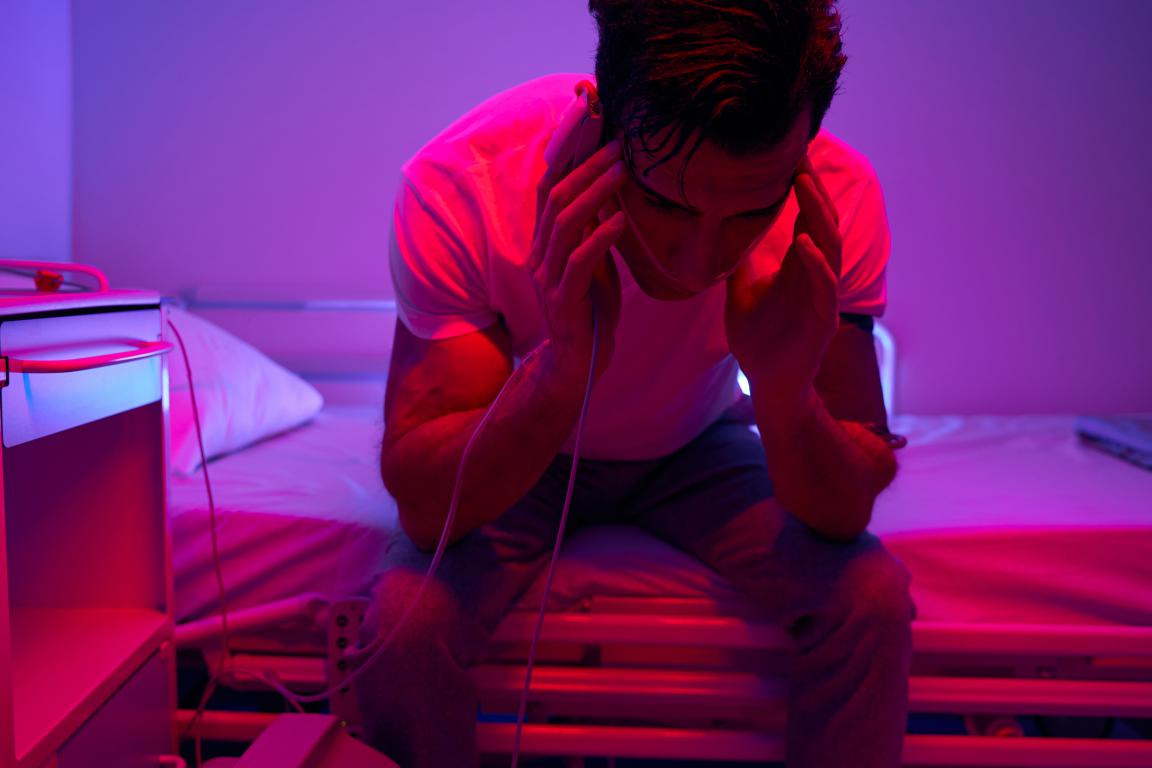
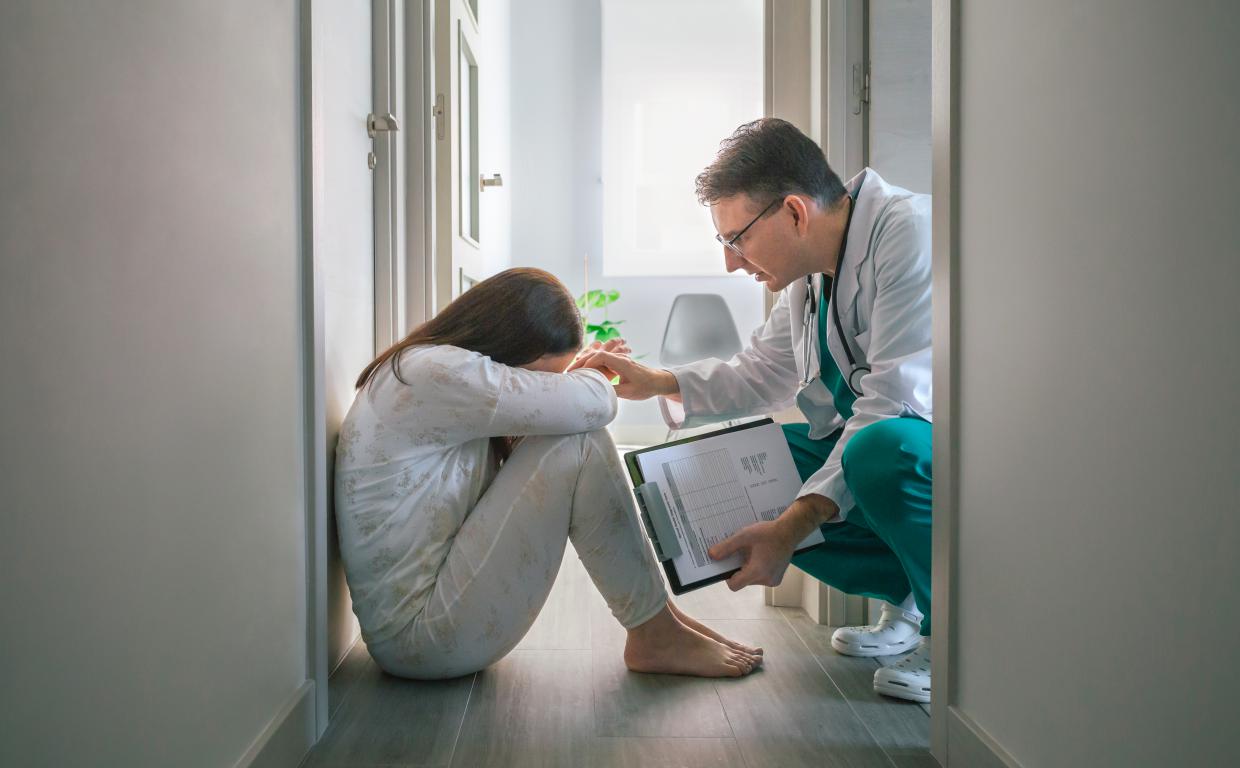
When you are rushed into a hospital or treated by paramedics at the side of the road, the environment is often the exact opposite of what an autistic person needs. It is loud, the lights are harsh, and people you don't know are suddenly in your personal space. If you are in pain or shock, your ability to explain your sensory needs can disappear entirely. This guide looks at how a Medical ID card speaks up for you when you can't, making sure that the people trying to help you don't accidentally make things much harder to handle.
What we will cover in this guide:
The "No-Touch" boundary in a crisis
In the heat of a medical emergency, the standard procedure for a doctor or paramedic is to get hands-on as quickly as possible. They are trained to check pulses, feel for injuries, or guide you onto a stretcher without a second thought. For many autistic people, this immediate physical contact can feel like a massive shock to the system, especially when you are already dealing with the adrenaline and fear of an accident. Having a stranger reach out and grab your arm or touch your face without any warning can trigger an instant "fight or flight" response, potentially leading to a meltdown or a complete shutdown right when you need to be at your most communicative.
Why "Autopilot" medical care can cause issues
Medical professionals often work on a form of autopilot to save time. In a busy A&E ward or at the scene of a crash, they are focused on physical obs and quick results. This high-pressure environment means they might not notice if you are tensing up or pulling away until it is too late.
-
The risk of physical escalation: When a person is touched unexpectedly while in a state of high anxiety, their body may react instinctively. This can be misread by security or medical staff as being "difficult" or aggressive, when it is actually just a neurological response to sensory overload.
-
Inaccurate clinical readings: If you are pushed into a state of distress by unwanted touch, your heart rate, blood pressure, and respiratory rate will all climb. This gives the doctors a false picture of your physical health, making it much harder for them to figure out what is actually wrong with you.
-
The loss of verbal communication: For many, the stress of being touched by strangers causes a "lock-up" where the ability to speak clearly disappears. Once you go non-verbal, you lose the ability to advocate for yourself, leaving you at the mercy of whatever the staff think is best.
Using the ID card to change the interaction
The goal of a Medical ID card isn't to stop doctors from doing their jobs, but to change the way they approach you. It acts as a set of instructions that staff can follow even if you can't say a word.
-
Creating a "Predictable" environment: By showing a card that mentions a touch boundary, you are telling the medic to slow down. It prompts them to explain their actions first—for example, saying "I am going to put this cuff on your left arm now"—which gives your brain the time it needs to prepare for the sensation.
-
Offering alternatives to direct contact: If the medical team knows that touch is an issue, they can often find workarounds. They might ask you to move your own limbs so they can check for breaks, or allow a person you trust to hold the oxygen mask in place instead of doing it themselves.
-
Establishing mutual respect and safety: When a doctor pauses to ask for permission, it builds an immediate sense of trust. You feel safer and more in control, which keeps your sensory levels manageable and allows the medical team to get on with the task of treating your injuries without unnecessary complications.
The hidden danger of high pain thresholds
In a hospital setting, the first thing a nurse or doctor will usually ask is, "How much does it hurt?" They often rely on a scale of one to ten, or they look for physical cues like grimacing, crying, or clutching the affected area. However, for many autistic people, the way the brain processes pain signals is entirely different. You might have an incredibly high pain threshold, meaning that even a serious injury like a broken bone or an inflamed appendix doesn't cause you to react in the way the medical books say you should. If you arrive in A&E looking calm and composed while describing a significant injury, there is a very real risk that the staff will underestimate the severity of your condition and leave you waiting far longer than is safe.
Why looking "fine" can be misleading
The medical world is built on the idea that pain equals visible distress. When those two things don't align, it creates a dangerous communication gap between the patient and the clinician.
-
The lack of typical "pain behaviours": If you aren't screaming or sweating, a busy triage nurse might assume your pain is minor. They are trained to prioritise people who look like they are in agony, so if your face remains neutral due to your natural expressions or a tendency to mask your discomfort, you could be moved to the bottom of the list.
-
Delayed internal signals: Sometimes, the "pain spike" doesn't hit until hours after the injury occurred. You might be aware that something is wrong, but because your body isn't sending urgent distress signals yet, you might struggle to convince a doctor that you need an immediate X-ray or scan.
-
Internalised processing: Many autistic individuals process pain internally rather than through outward displays. You might become very quiet, still, or focused on a specific object to cope with the sensation, which can be mistaken by staff as you simply being bored or tired in the waiting room.
How a medical card helps you be taken seriously
This is where having a written prompt becomes a vital piece of clinical evidence. It changes the conversation from "how do you feel?" to "how does this person's body actually work?"
When a doctor reads that you have a high pain threshold, it acts as a red flag for them to look past your outward appearance. It prompts them to rely on objective medical tests—like blood work, scans, or physical examinations—rather than just their first impression of your mood. It essentially tells them that if you are bothered enough to show up at the hospital, the situation is likely much more serious than it appears on the surface.
By flagging this early, you prevent the frustration of being told to "just take some paracetamol and go home." It forces the medical team to consider that your "four out of ten" pain might actually be another person’s "nine," ensuring that life-threatening issues aren't missed just because you happen to have a stoic response to physical trauma. It gives the staff the context they need to treat the injury, not the reaction.
Managing the sensory chaos of a ward
If you’ve ever spent time in a British A&E or on a hospital ward, you know they are never quiet. Between the constant beeping of monitors, the heavy rattle of metal trolleys, and those harsh, flickering fluorescent lights, the environment is a sensory nightmare. For most people, it’s just annoying background noise, but for an autistic person, it can be physically painful. When your brain is already trying to process the shock of an injury, being forced to sit under bright lights in a room full of shouting and alarms can lead to a total meltdown. This isn't just about being "sensitive"; it’s about your nervous system being pushed to its absolute limit.
Why the hospital environment works against you
Medical staff are so used to the noise and lights that they stop noticing them entirely. They don't realise that while they are trying to talk to you, your brain is actually tracking five different conversations in the hallway and the hum of the vending machine behind you.
-
The "Sensory Overload" wall: When there is too much going on around you, it becomes much harder to think or speak. You might find yourself unable to answer simple questions about your medical history because your brain is too busy trying to filter out the environment.
-
Physical exhaustion from noise: Constant noise isn't just irritating; it’s draining. Spending hours in a loud waiting room can leave you with zero energy left to actually cooperate with doctors once you finally get called through for treatment.
-
The problem with lighting: Hospital lights are notoriously bright and often have a high-frequency flicker that many autistic people find unbearable. This can cause headaches or even nausea, making an already bad day feel ten times worse.
Small changes that make a massive difference
Having a card that explains these needs takes the pressure off you to keep asking for help. It gives the nurses a practical "to-do" list that can make your stay much more bearable without them needing to be experts in autism.
Often, there are simple fixes that staff can manage if they actually know what the problem is. They might be able to find you a side room instead of a bed in the middle of a busy 10-bed ward, or they might let you wear your noise-cancelling headphones while you wait for test results. Even something as small as dimming the lights above your bed or closing a curtain to block out the visual chaos can be the thing that keeps you calm and collected.
By using the card to flag these issues, you aren't asking for "special treatment"—you’re asking for an environment that actually allows you to recover. It reminds the staff that for you, a quiet corner and a bit of dim light are just as important to your treatment as the medicine they are giving you.
The risk of "diagnostic overshadowing"
This is a bit of a clunky term that doctors use, but what it boils down to is pretty simple: it’s when a medical professional gets so distracted by the fact that you’re autistic that they forget to look at what’s actually wrong with you physically. If you’re upset, pacing, or struggling to make eye contact, a doctor might walk in and assume your behaviour is just "part of your autism." They might decide you’re just having a rough day or a panic attack, rather than checking if you’ve actually got a serious infection or an internal injury that’s causing you to act that way.
Why things get missed
In a busy hospital, staff are always looking for the quickest explanation for what they see in front of them. If they see "Autism" on your file, they might use it as a catch-all excuse for any "unusual" behaviour you're showing.
-
Blaming the brain, ignoring the body: If you're struggling to sit still because you're in sharp physical pain, a nurse might think you're just overstimulated or "agitated." This leads to them trying to calm you down emotionally instead of finding the source of the physical pain.
-
Assuming you can’t describe your symptoms: Some doctors might talk over you or turn to a family member because they assume you won't be able to give them a clear medical history. This means they might miss the specific details that only you can feel.
-
The "Anxiety" trap: It’s very common for autistic people to be told they are "just anxious" when they report physical symptoms. Because being in a hospital is stressful, doctors often lean on that as an easy answer, which can be incredibly dangerous if there’s a real medical issue being ignored.
How your card keeps them on track
Your ID card acts as a bit of a reality check for the medical team. It reminds them that while you are autistic, you’re also there because you’ve got a physical problem that needs fixing. It forces them to look past the "autism" label and do their jobs properly.
By having it written down, you're essentially telling the doctor: "Yes, I am autistic, but that isn't why I'm here today." It encourages them to stick to the facts and perform the same checks they would for anyone else. If you’re acting differently than usual, the card helps them understand that this might be your way of showing physical distress, not just a personality trait. It puts the focus back on your physical health and makes sure that you aren't sent home with a "calm down" talk when you actually need a prescription or a surgeon.
Giving paramedics a clear starting point
When things go wrong and you need help fast, your phone is usually the first thing you lose track of. It might be buried at the bottom of a bag, the battery might be dead, or it might have smashed if you’ve had a fall. Even if it’s sitting right there in your pocket, a paramedic isn't going to spend five minutes trying to bypass your lock screen or faffing about with FaceID while they’re trying to stop a bleed or check your breathing. In a real crisis, they need information they can see immediately without needing a charger or a signal.
Why digital isn't always dependable
We’re told that keeping everything on our phones is the way forward, but in the back of an ambulance or a crowded A&E, tech often fails exactly when you need it most.
-
The "Lock Screen" hurdle: Most of us keep our phones locked for privacy. If you’re unconscious or just too overwhelmed to remember your passcode, that vital bit of info about your sensory needs is trapped behind a screen.
-
Battery and signal issues: Hospitals are notorious for having "dead zones" where you can't get a 4G signal, and if you’ve been out all day, your battery might be on its last legs. A piece of plastic doesn't need a signal or a charging cable to work.
-
The "Quick Glance" factor: Paramedics and nurses are trained to look for physical cues. If they see a card in your hand or tucked into a wallet, they can read the most important bits in about three seconds. They don't have to scroll through apps or menus to find out that you don't like being touched.
The power of a physical backup
Having a physical card isn't about being old-fashioned; it’s about being practical. It’s a permanent, unchangeable piece of kit that stays with you regardless of what happens to your electronics.
If you’re in a state of shut down and can’t get your words out, you can simply hand the card over. It’s a clear, silent way to advocate for yourself that doesn't require any energy or tech. It also stays with you throughout your "journey" in the hospital—from the ambulance to triage and finally onto a ward—moving from one set of hands to the next so you don't have to keep repeating yourself to every new nurse who walks onto the shift.
It’s essentially your backup voice. It makes sure that even if your phone is broken and you can't speak, the people looking after you still know exactly how to treat you with the respect and understanding you deserve.
Practical tips for a hospital visit
While having your ID card ready is a huge help, there are a few other small things you can do to make a hospital stay or an emergency visit a bit less overwhelming. These are simple, no-nonsense steps to help you keep your sensory levels under control.
-
Pack a "sensory kit" if you can: If you have time to grab a bag, throw in your noise-cancelling headphones, a comfortable hoodie, or a weighted lap pad. Being able to block out the ward noise or the feel of scratchy hospital sheets can make a world of difference to your stress levels.
-
Don't feel you have to make eye contact: In a high-stress situation, trying to force yourself to look a doctor in the eye can use up all your "processing power." It is perfectly okay to look at the floor or a wall while you talk to them; it helps your brain focus on what they are saying rather than the social pressure.
-
Write down your "baseline": If you have a moment, write down what you are like when you are healthy. This helps doctors see the difference between your normal autistic traits and the symptoms of your current illness or injury.
-
Ask for a "quiet space" early: As soon as you get to triage, show your card and ask if there is a side room or a quieter corner of the waiting area. You won't always get one, but many staff will try their best to tuck you away from the main chaos if they know why it matters.
-
Use the "Pause" technique: If a doctor is giving you too much information at once, it’s okay to hold up a hand and ask them to wait for a second so you can process what they’ve just said. Most staff would rather you understood the plan than just nodded along while feeling confused.
At the end of the day, a hospital visit is always going to be a bit of a challenge, but it shouldn't have to be a traumatic one. The key is making sure that the people treating you aren't working in the dark. Doctors and nurses generally want to help, but they aren't mind readers—they need you to point them in the right direction.
By carrying a Medical ID card, you’re taking the guesswork out of your care. You’re giving yourself a way to set boundaries, explain your pain, and manage the environment around you without having to fight for it every single time. It’s about making sure that when you’re at your most vulnerable, your voice is still the loudest thing in the room.
© 2024 The Card Project Uk Ltd
VAT: 453 2087 06
|