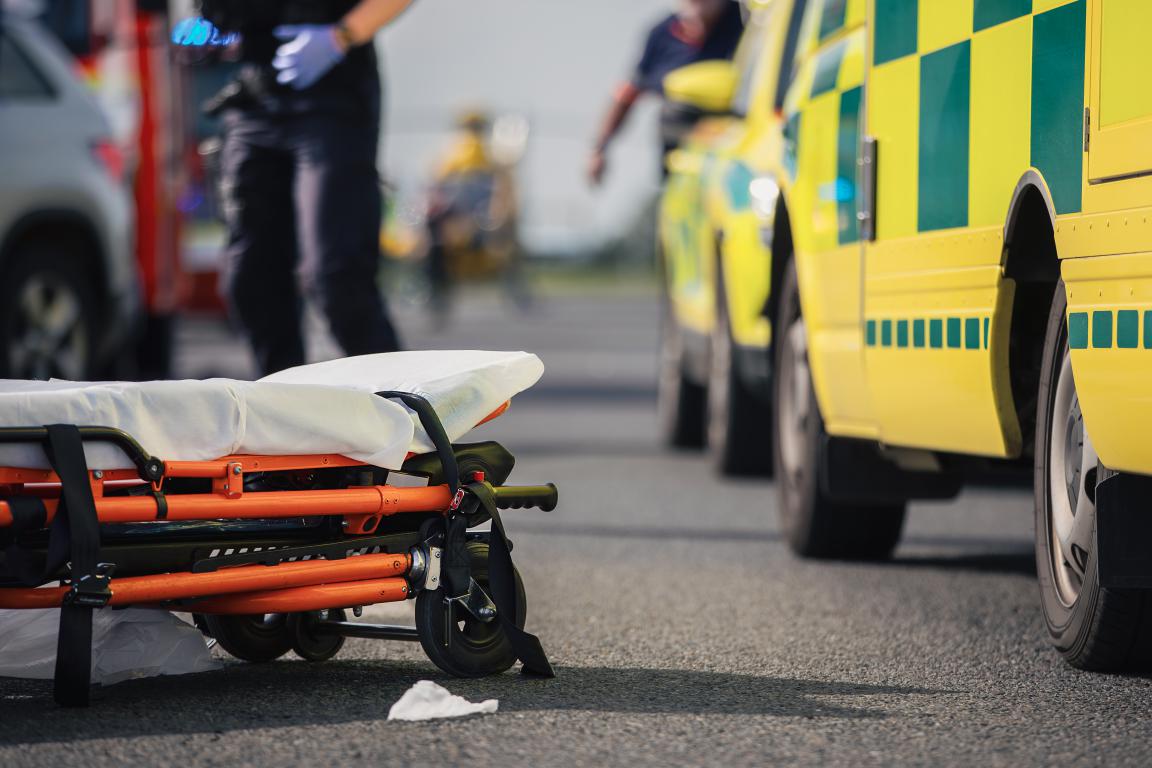
Medical ID Cards in Car Accidents: Why Keeping One in Your Glovebox or Wallet Can Help with Crash Responses
Published: January 27, 2026
Introduction
In everyday driving, unexpected accidents can happen, and having quick access to your medical information can make a difference for first responders. This guide explains medical ID cards, their role in road safety, and simple steps to use them effectively. It's based on standard safety practices to help you stay prepared without overcomplicating things.
Table of Contents
The Role of Medical ID Cards in Car Accident Responses
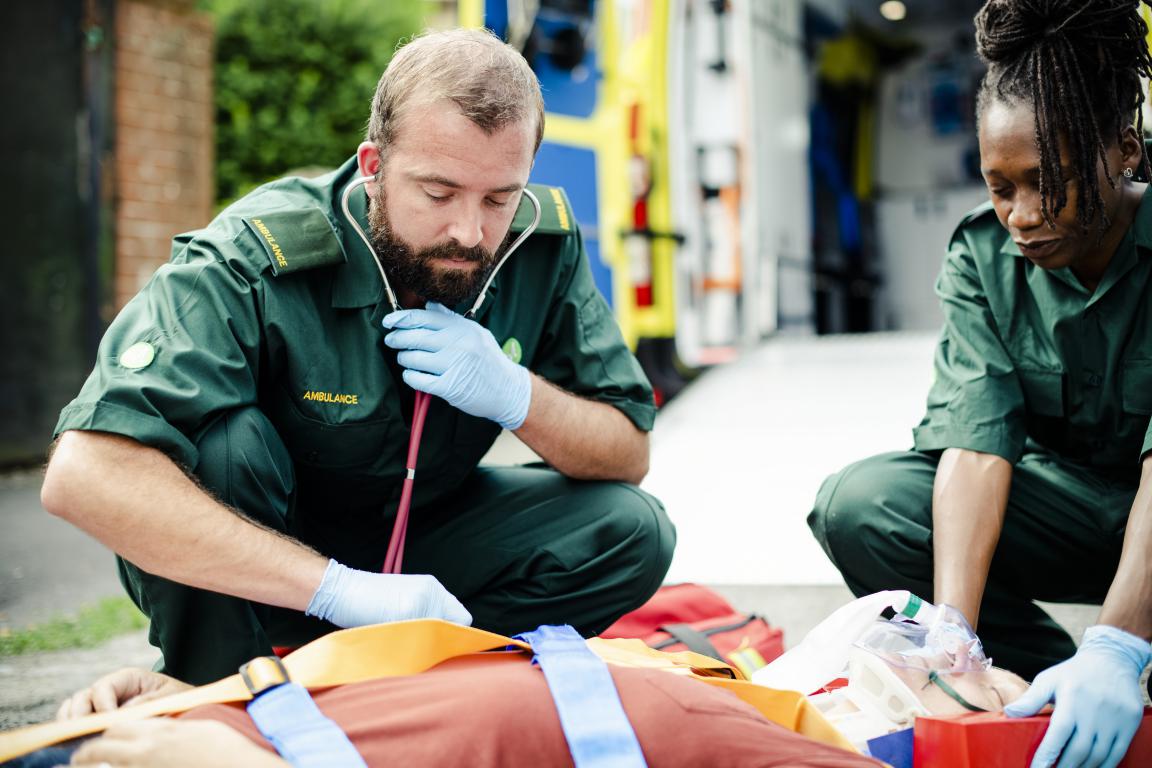
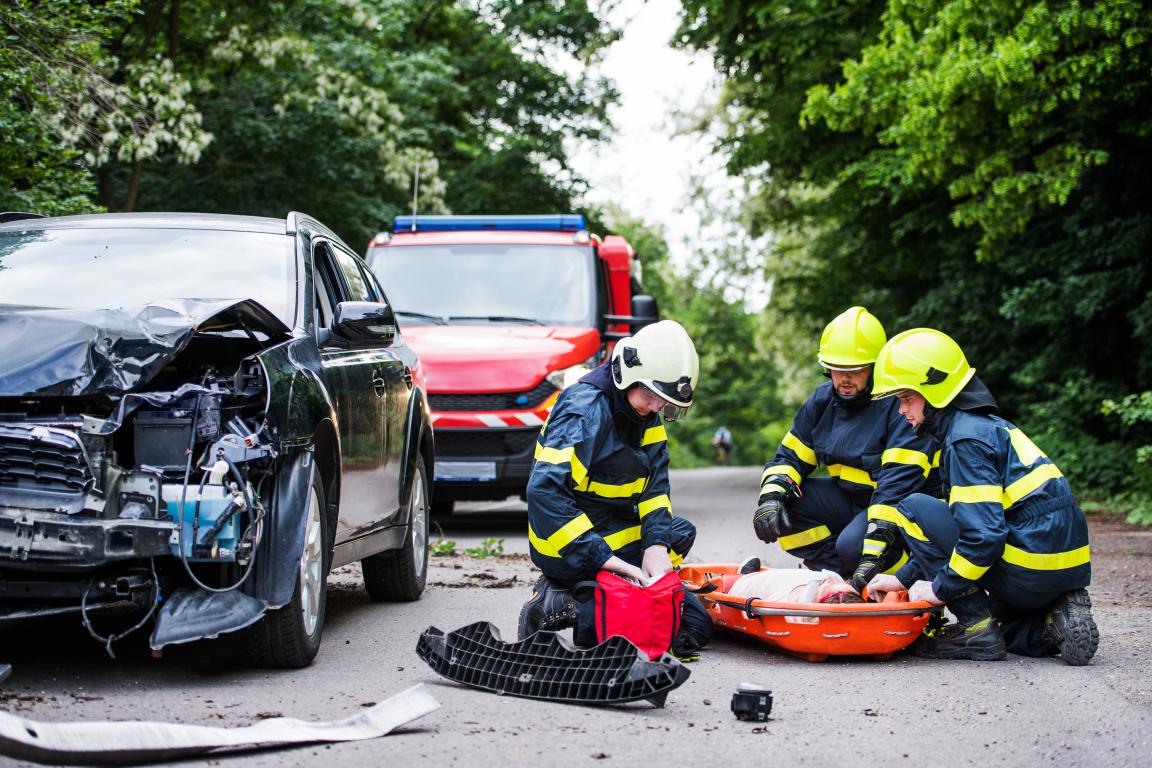
In the moments after a car accident, first responders focus on quick assessment and stabilization. When injuries prevent someone from speaking clearly—or at all—a medical ID card offers a reliable way to share critical health details. Tucked in a wallet or glovebox, it helps paramedics avoid guesswork and provide care tailored to the person's needs.
Immediate Help When Communication Breaks Down
Accidents often leave people in shock, disoriented, or unconscious. In these cases, responders check standard spots for clues: wrists for bracelets, wallets for cards, or vehicle compartments.
A medical ID card lists essentials such as allergies, medications, chronic conditions, or blood type. This guides decisions immediately. Examples include:
-
Avoiding a drug that causes a severe reaction (like penicillin in someone allergic)
-
Recognizing symptoms tied to a known condition (like low blood sugar in diabetes)
-
Adjusting treatment for ongoing medications (such as blood thinners affecting bleeding control)
Without this information, responders may rely on standard protocols that could be harmful for someone with unique health factors.
Streamlining Care at the Scene and Beyond
Paramedics follow structured steps: secure the airway, control bleeding, check vitals. A card speeds this process by providing context early. They can relay precise details to the hospital, allowing ER teams to prepare specific treatments, equipment, or specialists.
In larger crashes, triage is crucial. A card highlighting a heart condition or seizure history may elevate monitoring priority, even if external injuries seem minor. This early information can prevent complications from escalating.
Why It Matters for Families and Everyday Drivers
Parents and caregivers often think about safety for teens, young children, or elderly passengers. A card in the family car or a teen's wallet ensures critical facts are available if an accident occurs away from familiar healthcare providers.
-
Asthma: Flags the need for quick inhaler use
-
Daily medications: Prevents harmful interactions
-
Emergency contacts or organ donor status: Helps coordinate care
This simple step provides reassurance and can protect your family in unexpected situations.
When Phones Fail, the Card Stays Reliable
Phone apps can display emergency information from the lock screen, but crashes may damage phones, drain batteries, or send devices out of reach.
A physical card requires no technology. Laminated cards withstand rain, heat, and rough handling. Some cards include QR codes linking to more detailed medical info, combining physical and digital coverage.
Examples from Real Emergencies
-
Epilepsy: A card clarified post-seizure confusion, preventing misdiagnosis as intoxication
-
Severe allergy: Avoided latex glove use during treatment
-
Diabetes: Symptoms like shakiness were quickly linked to blood sugar rather than head injury, speeding glucose checks
Emergency training emphasizes searching for medical IDs to prevent assumptions and support accurate care.
Fitting into Broader Emergency Practices
First responders are trained to look for alerts—bracelets first, then wallets or vehicles. Organizations like the Red Cross and trauma guidelines recommend carrying medical ID information, especially for those with health conditions.
In family vehicles, cards can sit in the glovebox with insurance papers or a first-aid kit. Regular updates keep them relevant and useful.
The Bottom Line for Road Safety
A medical ID card does not replace safe driving or seatbelts, but it fills a crucial gap during accidents. It provides responders with vital facts when they need them most, supporting safer, faster, and more effective care. For anyone driving with family or concerned about emergencies, it is a low-effort, practical addition to preparedness.
Key Information to Include on Your Medical ID Card
A well-designed medical ID card gives first responders exactly what they need in the first critical minutes after a car accident. The most effective cards are short, scannable, and focused on the handful of facts that could change treatment decisions.
1. Basic Identification Details
Start with the essentials that confirm who the card belongs to and provide quick context:
-
Full name — Makes identification immediate
-
Date of birth — Helps match records and understand age-related risks
-
Blood type (if known) — Valuable if a transfusion is needed quickly
These should appear at the top or most visible side of the card. They’re the first things responders look for.
2. Major Medical Conditions
List any diagnosed conditions that could explain symptoms, require special handling, or affect standard trauma care. Keep descriptions short and precise:
-
Diabetes (specify type 1 or type 2, and note if insulin-dependent or using a pump)
-
Epilepsy / seizure disorder
-
Heart conditions (e.g., arrhythmia, pacemaker, stent, previous heart attack)
-
Asthma or severe COPD
-
Kidney failure / dialysis patient
-
Organ transplant recipient
-
Conditions affecting bones or spine (e.g., severe osteoporosis, ankylosing spondylitis)
Why this matters: A post-crash seizure might be mistaken for a head injury. Low blood sugar can mimic shock. Heart conditions may explain abnormal vitals. Clear labeling helps responders connect the dots faster.
3. Allergies & Serious Sensitivities
This section is often the most critical. One wrong drug or exposure can be immediately dangerous:
-
Drug allergies — e.g., “Severe penicillin allergy”, “Anaphylaxis to sulfa drugs”, “No morphine”
-
Latex allergy — common in medical gloves and equipment
-
Severe food allergies — e.g., peanuts, shellfish (if causing anaphylaxis)
-
Other — e.g., “No IV contrast dye”, “Bee sting anaphylaxis”
Quick tip: If you have no known allergies, write NKDA (No Known Drug Allergies). This abbreviation immediately reassures responders.
4. Current Medications That Matter in Emergencies
Include only medications that could interact with emergency drugs, affect bleeding, or explain physiology:
-
Blood thinners — e.g., warfarin, apixaban (Eliquis), rivaroxaban (Xarelto), clopidogrel
-
Insulin or other diabetes medications
-
Anti-seizure drugs — e.g., levetiracetam, valproate
-
Immunosuppressants (post-transplant)
-
Long-term steroids
Why be selective: Responders don’t need a full prescription list—just the drugs that could affect treatment decisions or require specific reversal agents.
5. Emergency Contacts
Always include at least one person who can be reached quickly:
Especially useful for teenagers or families traveling together.
6. Other Useful (Secondary) Details
Add only if space allows and relevant:
-
Organ donor status
-
Legal DNR order
-
Primary GP / consultant name and phone number
-
Health insurance provider and policy number
-
Communication needs — e.g., “Non-verbal”, “Uses British Sign Language”, “Autism – may not respond verbally”
Making the Card Clear, Readable, and Professional
-
Place the most critical items (name, major conditions, severe allergies, key medications) on the front side
-
Use bullet points or very short lines; avoid long sentences
-
Choose a large, bold font (12–14 pt minimum) for quick readability
-
Laminate the card to withstand rain, heat, and daily handling
-
Use widely recognized abbreviations where appropriate — e.g., “T1DM”, “NO PCN”, “NKDA”
-
Review and update the card at least once a year or after any change in diagnosis, medication, or allergy status
-
Consider printing two versions: a wallet-sized card and a larger glovebox version with more detail
Clear presentation allows responders to scan the card in seconds and act confidently. For families with children, teenagers, or those with medical needs, a concise, current, and easily accessible card provides reassurance and safety when it matters most.
Best Places to Store Your Medical ID Card for Quick Access
Having the perfect medical ID card is only half the equation—where you keep it determines whether first responders can actually find and use it in the critical minutes after a car accident. The key is balance: place it somewhere reliable, visible when needed, and protected from everyday wear or theft. Emergency personnel are trained to check certain standard locations first, so aligning with those habits increases the chances they'll spot it quickly.
Primary Recommendation: The Glovebox (With a Few Smart Tweaks)
The glove compartment is one of the most recommended spots for vehicle-specific medical information, and for good reason. It's a fixed, predictable location in almost every car, out of sight from casual passers-by, and responders routinely check there when searching for documents like registration, insurance, or emergency details.
Why it works well — Paramedics and police often look in the glovebox early in their assessment, especially if the driver is unresponsive or the wallet/purse is inaccessible. Many emergency response guidelines and programs (like the Yellow Dot initiative in various regions) explicitly direct responders to check the glovebox for medical info when they see a visual cue.
How to make it even better — Store the card in a clearly marked, brightly colored envelope (yellow or red works well) labeled something simple like "Medical Information" or "Emergency ID." This stands out immediately. If your family has multiple people who regularly ride in the car, consider a small folder or zip-lock bag with individual cards for each person—easy to scan without rummaging.
Bonus tip — Laminate the card and keep a spare copy in the glovebox even if you carry one in your wallet. Heat and cold in a car can damage paper over time, so lamination protects it.
Programs like Yellow Dot (available in some areas) take this a step further: a small yellow sticker on the rear window alerts responders to look in the glovebox for a packet with your medical details, photo, contacts, and more. If such a program exists locally, it's a low-effort way to make the glovebox location foolproof.
Wallet or Purse: The On-Person Backup
Carrying a medical ID card in your wallet (or purse for non-drivers) ensures it's with you no matter which vehicle you're in—your own, a rental, a friend's car, or even public transport.
Best placement inside the wallet — Slip it into a visible slot, like the clear ID window (if you don't use it for your driver's licence) or right behind your main cards. Some people dedicate a specific cardholder slot just for this.
Why it's effective — In many accidents, responders check pockets, wallets, or purses first, especially if you're conscious but injured. It's also the natural place if you're walking or cycling and get involved in a collision.
Family considerations — For teenage drivers, encourage them to keep one in their wallet from the day they get their licence. For children or elderly passengers, a parent or carer can carry a copy. This is particularly useful for conditions like severe allergies or asthma, where quick access matters even more.
The downside? Wallets can get lost or flung in a severe crash, so never rely on this alone—treat it as a strong secondary option.
Combining Wallet and Glovebox for Redundancy
The smartest approach many safety experts suggest is both locations:
This creates layers of protection. If the wallet is inaccessible due to damage or being thrown clear, the glovebox card is still there. If the car is totalled and the glovebox hard to reach, the wallet card might still be recoverable.
Other Practical Spots to Consider (and When to Use Them)
A few additional locations can work depending on your setup:
-
Centre console or door pocket — Good if your car lacks a traditional glovebox or if you want something quicker to grab. However, these are less standard, so responders might not check them first.
-
Sun visor clip — Some people clip a card or envelope here for ultra-quick visibility, but avoid this if it could become a projectile in a crash or obstruct your view.
-
Trunk or boot emergency kit — Fine for a spare copy in a broader roadside emergency pack (along with first-aid supplies), but too far from the driver/passenger area to be primary.
Avoid hiding it in unusual places like under seats, in the boot without a marker, or taped inside compartments—those make it much harder to find in a hurry.
Extra Layers: Digital + Physical for Modern Reliability
While physical cards are the focus here, pair them with phone-based options for extra coverage:
-
Apple's Medical ID or Android emergency info (accessible from the lock screen) is excellent, but phones can break, lose power, or get lost in a crash.
-
A note on the physical card saying "See phone Medical ID" or including a QR code to a secure digital profile bridges the two.
For families, this combo is reassuring: the physical card in glovebox/wallet handles worst-case scenarios, while the phone covers everyday convenience.
Final Thoughts on Placement
The absolute best storage follows two rules: predictable (where responders look first) and protected (laminated, not buried). Glovebox + wallet is the gold-standard combination used by many prepared drivers and recommended in safety resources from organisations like AAA, Nationwide, and emergency services.
It takes just a few minutes to set up, but in the chaotic aftermath of an accident, those minutes of quick access can make a real difference in how effectively care begins. For parents with young drivers, elderly relatives, or anyone with ongoing health needs, getting this right brings genuine peace of mind on every journey.
Benefits for Emergency Teams and Road Safety
When a medical ID card is present and found after a car accident, it provides tangible advantages for everyone involved—especially the first responders who must make rapid decisions under pressure. These benefits extend from immediate scene management to longer-term outcomes, contributing to smoother emergency care and safer roads for families and communities.
Faster, More Accurate Treatment Decisions
First responders arrive with a standard set of protocols for trauma, but individual health factors can change everything. A medical ID card supplies context that might not be obvious from visible injuries alone.
-
Responders can avoid treatments that cause harm—for example, steering clear of certain drugs if a severe allergy is listed, or adjusting approaches for blood thinners that increase bleeding risk.
-
Symptoms get interpreted correctly: confusion or altered consciousness might stem from low blood sugar in a diabetic person rather than solely from head trauma, prompting quicker glucose checks instead of unnecessary scans or delays.
-
In unconscious patients, the card acts as a reliable substitute for the person who can't speak, reducing guesswork and the chance of errors that could complicate recovery.
Emergency personnel often note that having this information early shortens assessment time and allows them to move directly to the most appropriate interventions, which is critical when minutes affect outcomes.
Improved Efficiency at the Scene and During Transport
Multi-vehicle crashes or incidents with several injured people require triage—deciding who needs urgent attention first. A card highlighting a heart condition, epilepsy, or transplant status helps prioritize monitoring or specific care, even if external injuries appear less severe.
Paramedics can also transmit precise details to the receiving hospital while en route. This preparation means the ER team might have reversal agents for anticoagulants ready, allergy-safe equipment set up, or specialists alerted sooner. The result is a more seamless handoff from roadside to hospital, cutting delays that can occur when medical history must be pieced together later.
Reduced Stress for Responders and Better Care Quality
Paramedics and EMTs work in high-stakes environments where uncertainty adds pressure. A clear, up-to-date medical ID card eases some of that burden by providing facts they can trust. Training programs for emergency services emphasize checking for medical alerts (bracelets, cards, or wallet items), and when found, these tools empower responders to act with greater confidence.
This confidence translates to more accurate care overall. Surveys and accounts from emergency professionals indicate that medical IDs help speed up treatment, increase accuracy, and in some cases reduce unnecessary hospital steps or complications.
Added Protection for Vulnerable Groups, Like Children and Older Adults
Families benefit particularly when conditions affect children or elderly relatives who travel in the car. A teen driver with asthma or a severe allergy has details accessible if they're in a crash alone. For older passengers on multiple medications, the card prevents interactions that could arise from standard emergency drugs.
Parents often say this preparation brings quiet reassurance—knowing that if an accident happens far from home, the responders have key facts without needing to rely on panicked family members or delayed medical records.
Contribution to Broader Road Safety and Community Preparedness
While no single tool eliminates crash risks, medical ID cards support post-crash care, which is a key pillar of road safety efforts. Organizations like the Red Cross, AAA equivalents, and some regional programs (such as Yellow Dot initiatives) promote them as part of emergency kits because better-informed emergency responses can improve survival rates and reduce long-term complications from injuries.
In areas with strong preparedness, including visible cues like window stickers alerting responders to check the glovebox, the system works even more effectively. This encourages a culture where drivers think ahead about health information, much like checking tyres or carrying a first-aid kit—small steps that collectively enhance safety on the roads.
Real-World Differences Observed
Accounts from paramedics and emergency logs highlight practical impacts:
-
In crashes involving people with epilepsy, a card prevents misinterpreting post-seizure states as intoxication or new injury, directing care toward stabilization.
-
For those with allergies, it avoids reactions to common materials like latex gloves or certain antibiotics during initial treatment.
-
Cases with chronic conditions show faster recognition of underlying issues, leading to targeted interventions rather than broad trial-and-error approaches.
These examples, drawn from emergency response experiences, underscore why many professionals advocate for carrying medical IDs—especially in vehicles where accidents can happen suddenly and far from regular healthcare providers.
The Overall Value in Unexpected Moments
A medical ID card doesn't prevent accidents, but it equips emergency teams with tools to respond more effectively when one occurs. For drivers and families, it means care aligns better with personal health needs, potentially leading to quicker recovery and fewer avoidable complications.
In the context of road safety, this preparedness supports the wider goal of minimizing harm after a crash. It's a straightforward addition that benefits responders by giving them clarity, helps victims by enabling precise treatment, and adds a layer of protection for everyone sharing the road.
Common Questions About Medical ID Cards in Accidents
Drivers and families often have practical questions about how medical ID cards work in car accidents. These answers are based on standard emergency response training and real-world practices, focusing on aspects not covered earlier in the guide.
Do first responders really look for medical ID cards in a car accident?
Yes. Paramedics and EMTs are trained to search for medical information when someone can't communicate. They check visible items like bracelets first, but also routinely look in wallets, purses, and glove compartments—especially in vehicle crashes where the glovebox holds registration and other key documents. Programs like Yellow Dot (in some regions) use a rear-window sticker to specifically direct responders to the glovebox for medical details. While nothing is guaranteed in chaotic scenes, placing the card in these standard spots greatly increases the chances it will be found and used.
Is a card as effective as a bracelet or necklace?
Cards and worn jewellery serve complementary roles. Bracelets or necklaces are more immediately visible during a physical assessment and stay with you even if items shift in a crash. Cards provide more space for detailed information—multiple conditions, full medication lists, or contacts—that engraved jewellery can't accommodate. Many people use both: a simple bracelet noting "See wallet card" or "Medical info in glovebox" to guide responders to the fuller details. In accidents where phones fail or wallets get separated, the combination offers the best coverage.
What if the card is in the glovebox and the car is badly damaged?
Glove compartments remain accessible in most crashes, and responders are trained to check them during assessment or extrication. To help, store the card in a brightly coloured envelope clearly labelled "Medical Information" or "Emergency ID." Visible cues like a Yellow Dot-style window sticker can alert responders to look there specifically. In severe cases, fire or police crews working inside the vehicle often reach the glovebox, so the card is still likely to be discovered compared to being hidden in less obvious spots.
Should everyone carry one, or only people with medical conditions?
A basic card benefits anyone, not just those with conditions. It can include name, date of birth, blood type (if known), "No Known Drug Allergies" (NKDA), and an emergency contact. In any accident—especially if unconscious or disoriented—this helps with quick identification, family notification, and avoiding assumptions about health. For families, it's particularly useful for healthy teens starting to drive, young children, or elderly passengers, adding simple reassurance without needing a major diagnosis.
How does a card help in non-crash driving emergencies, like a sudden medical episode?
The card works equally well for sudden events (e.g., low blood sugar, seizure, or heart issue) that cause a crash or leave you unresponsive at the roadside. Responders check the same locations (wallet, glovebox) for clues. It can explain symptoms (e.g., "Diabetes—check glucose if confused") or guide treatment priorities, bridging the gap until more information arrives. This makes it valuable beyond trauma accidents, covering any driving-related health emergency.
Can multiple family members' information be handled in one accident?
Individual cards (or a family set) work best. Keep separate cards for each regular car occupant in the glovebox or wallet—perhaps in a small labelled folder. This ensures responders can access personal details quickly during triage. For example, a child's allergy or a parent's medication won't get overlooked amid family chaos. One shared card risks confusion; separate ones provide clarity when multiple people need care.
Are there privacy concerns with carrying a medical ID card?
The risk is minimal. You control exactly what goes on the card—only the details you choose, with no automatic links to full records or databases. It's voluntary and accessed only in emergencies by professionals bound by confidentiality. Unlike some digital health tools, it doesn't share information beyond the immediate scene, making it a controlled, low-exposure way to prepare.
How do medical ID cards help with child passengers or family travel?
For families with young children in car seats or on road trips, a glovebox card (or parent's wallet version) can note paediatric specifics like allergies or asthma triggers. No need for the child to wear jewellery. In rentals or borrowed cars, the vehicle-based card ensures consistency. Parents often add a brief note on their own card (e.g., "Child passenger with [condition]") to help coordinate family treatment fast.
© 2024 The Card Project Uk Ltd
VAT: 453 2087 06
|