Eating Out on a Budget After Weight Loss Surgery
Eating out after weight loss surgery can feel daunting, especially when it comes to the cost. You often order far less than everyone else, leave most of the plate untouched, and still end up paying the full price for a main meal. It’s completely understandable to find this frustrating – particularly if money is tight or you simply want to enjoy a social meal without feeling guilty about the expense.
The good news is that it really doesn’t have to be expensive. Many people who have had weight loss surgery have found straightforward ways to eat out regularly while keeping costs down. With a few practical habits, you can still enjoy meals with friends and family, stick to your smaller portions, and make choices that support your health – all without stretching your budget.
This guide shares realistic, tried-and-tested ideas that work in everyday UK restaurants, cafés and pubs. There are no complicated schemes or fancy tricks here – just sensible approaches that real patients use successfully.
Contents
Why Eating Out Feels Expensive After Weight Loss Surgery
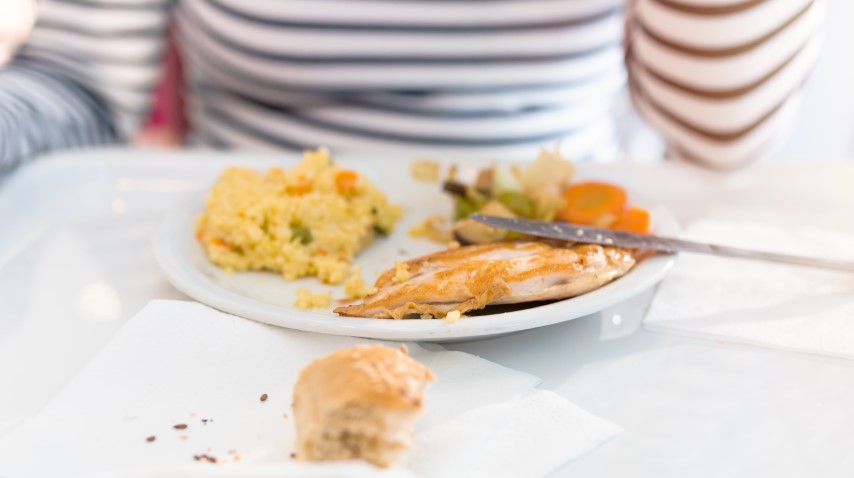
It’s completely understandable to feel frustrated about the cost of eating out after weight loss surgery. Your stomach capacity is much smaller now, so even a standard main course can feel overwhelming. Most people find they can only manage a small fraction of what’s on the plate – often just a quarter or less – yet restaurants typically charge the full price regardless.
This mismatch between portion sizes and what you can actually eat is the main reason dining out starts to feel so expensive. Here are some common ways the costs can add up quickly:
-
Full-priced mains for tiny portions: You pay £12–£20 for a dish, but end up eating only a few bites while the rest goes to waste. This can make you feel like you’re throwing money away, especially when it happens regularly.
-
Extra charges that you barely use: Many meals come with sides, bread baskets, or sauces that you either can’t eat or don’t want in large amounts. These are built into the price, so you’re paying for things you leave untouched.
-
Drinks and add-ons pushing the bill higher: Soft drinks, coffees, or even tap water with a service charge can add several pounds per person. If you’re sticking to water or skipping alcohol to support your health goals, it stings even more to see these extras on the final bill.
-
Service charges and tips on the full amount: In many UK restaurants, a discretionary service charge of 10–12.5% is added automatically. This is calculated on the total bill before any leftovers are considered, so you’re tipping on food you couldn’t eat.
Lots of people who’ve had weight loss surgery end up cutting back on eating out altogether because of these frustrations, and that’s a perfectly normal response in the early stages. Social meals with friends or family can start to feel like a luxury you can’t afford, which is tough when you’re already adjusting to so many changes.
The encouraging part is that this doesn’t have to be permanent. With a little forward planning and some straightforward strategies, many people find they can still enjoy restaurant meals regularly without the costs spiralling. The rest of this guide shares practical ways to make eating out both affordable and enjoyable again.
Look for the Cheaper Times and Menus
One of the simplest ways to make eating out more affordable after weight loss surgery is to choose times when restaurants are keen to attract more customers. Most places are quieter during the day or earlier in the evening, so they often offer better value to fill tables. This approach means you can enjoy a proper meal out without paying peak-time prices, and it often comes with smaller or more manageable portions too.
Here are some common options you’ll find across the UK that can significantly bring down the cost:
-
Lunchtime menus: Many restaurants and pubs switch to a cheaper lunch menu between around 12pm and 3pm or 4pm. These are frequently half the price of the evening à la carte options – sometimes £10–£15 for two or three courses compared to £25+ later on. Portions tend to be a bit smaller as standard, which can suit your needs perfectly without needing to leave too much behind.
-
Fixed-price or set menus: These are popular at lunchtime but also appear in the early evening in some places. You get a choice from a limited selection (usually two or three courses) for a set price, often making it much better value than ordering individually. Independent restaurants and chains alike use these to keep things predictable for both you and them.
-
Early-bird specials: A lot of restaurants, especially chains like Prezzo, Ask Italian, or local independents, offer early-bird deals if you arrive and order before 6pm or 7pm. Typical prices are £10–£18 for two or three courses, and the menu is designed to get people in during quieter hours. This works really well if your schedule allows an earlier meal, and it avoids the busier, more expensive evening rush.
-
Midweek offers: Monday to Thursday are usually the quietest nights for restaurants, so you’ll often spot specials then. Many places run “steak night” on Tuesdays, curry deals on Wednesdays, or simply reduced prices across the board to encourage bookings. These deals are widespread in pubs and casual dining spots, and they can save you several pounds per person compared to weekend rates.
If you eat out more than a couple of times a month, it’s worth considering discount schemes that many people find pay for themselves quickly. Apps and memberships like Tastecard, Gourmet Society, or Meerkat Meals typically give 2-for-1 mains or 25–50% off the total bill at thousands of UK venues. They do have an annual fee, but if you use them regularly the savings soon add up – just check the terms to make sure the restaurants you like are included and that the offer applies to your party size.
Taking advantage of these quieter times and deals means you can still enjoy eating out socially without it feeling like an extravagance. Many people find that shifting meals a little earlier or choosing midweek slots makes a real difference to both their budget and their enjoyment.
Choose Places That Suit Smaller Portions
Not all restaurants are created equal when it comes to accommodating smaller appetites after weight loss surgery. Some places naturally offer more flexible, portion-controlled options that feel satisfying without overwhelming your plate or your wallet. It’s completely understandable to worry about ending up with too much food – choosing the right spot can make all the difference and help you feel more confident about eating out.
Many people find that certain types of UK eateries work particularly well because they allow you to build a meal from lighter items or smaller dishes. Here are some practical choices that lots of people in your position rely on:
-
Traditional pubs: Most UK pubs have a wide range of starters and lighter bites that you can easily order as a main course – staff are usually happy to accommodate this without any fuss. Options like soup, pate with toast, prawns, or a small salad with protein often come in at £6–£10 and provide just the right amount. Pub chains like Greene King, Vintage Inns, or local independents frequently have these flexible menus, making them a reliable and budget-friendly go-to.
-
Cafés and coffee chains: Places like Costa, Caffè Nero, Pret a Manger, or independent cafés specialise in ready-to-go items that are naturally smaller and portion-controlled. Think soup pots (often around £4–£6), salad boxes, small wraps, or protein-packed options like tuna or chicken salads. These are quick, inexpensive, and easy to manage – you can often customise them to focus on protein and veg while skipping heavier carbs.
-
Chains with side dishes and small plates: Restaurants like Nando’s, Wagamama, and Zizzi have menus designed around sharing or mixing items, which suits smaller appetites perfectly. At Nando’s, a quarter chicken with one or two sides (like macho peas or rainbow slaw) is filling but manageable and typically costs £8–£12. Wagamama’s mini dishes or sides (such as chicken gyoza or edamame) let you create a light meal, while Zizzi offers smaller pizzas or salads that you can adjust. These chains are widespread across the UK and often participate in discount schemes like Tastecard for extra savings.
-
Tapas or small-plate restaurants and independents: Spanish tapas spots (like those in chains or local independents) or delis/cafés that serve mezze-style dishes are ideal because everything comes in small portions by design. You can order two or three plates – perhaps grilled chicken, prawns, or vegetable dishes – for £10–£15 total. Many independent cafés or delis are especially accommodating and will happily prepare half portions or let you pick exactly what you want without charging extra.
On the flip side, it’s worth steering clear of places that don’t lend themselves to smaller eats. All-you-can-eat buffets can be tempting but often lead to pressure or waste, and some restaurants charge a premium for modifications or have rigid set menus. Sticking to more flexible spots means you’re less likely to feel stuck paying for food you can’t finish.
By picking venues that match your needs, eating out becomes less about compromise and more about enjoyment. Many people find these options allow them to socialise regularly without the stress, keeping things affordable and aligned with your health goals.
Order Smart to Keep Costs Down
One of the most effective ways to manage both portion sizes and spending is to rethink how you order from the menu. After weight loss surgery, you don’t need – and often can’t manage – a full adult main course, so there’s no rule saying you have to buy one. Many restaurants are perfectly happy for you to choose lighter options, and this simple shift can easily halve your bill while still leaving you satisfied.
Here are some straightforward ordering strategies that lots of people use successfully in UK restaurants:
-
Build your meal from starters or sides: Most menus have a good selection of starters priced between £5 and £9, which are often just the right amount for a post-surgery appetite. For example, ordering something protein-rich like grilled halloumi, chicken skewers, or prawn cocktail, perhaps with a side salad or vegetables, gives you a balanced plate without the £15–£25 price tag of a main. Staff rarely mind if you ask for starters as your main course, and it avoids wasting food.
-
Ask about the children’s menu: Many family-friendly pubs, chains, and casual restaurants allow adults with smaller appetites to order from the kids’ section, especially if you explain politely. Children’s portions are typically £6–£9 and include a protein, vegetables, and a small carb – very close to the recommended post-surgery plate size. Places like Harvester, Toby Carvery, and Beefeater are often particularly understanding about this.
-
Share a main course with someone: If you’re eating with a partner, friend, or family member who has a larger appetite, splitting one adult main can work brilliantly. You each get an appropriate amount, share the cost (often saving £7–£10 each), and there’s little or no waste. Some restaurants will even provide an extra plate at no charge if you ask nicely.
-
Choose tapas or small-plate restaurants: Venues that specialise in sharing plates – such as Spanish tapas bars, Greek mezze places, or modern small-plate restaurants – are ideal because you can order just one or two dishes for yourself. Two or three plates (perhaps grilled chicken, patatas bravas, and a vegetable dish) usually come in under £15 and let you control exactly how much you eat.
-
Go for simple soup and side combinations: Many cafés, pubs, and chains offer hearty soups or side salads that can be combined into a light but filling meal. A bowl of tomato or vegetable soup (£4–£6) paired with a small side salad or a protein topping often provides good nutrition at low cost, and it’s easy on the stomach in the earlier stages after surgery.
It also helps to be mindful about extras. Garlic bread, large soft drinks, fancy coffees, or desserts can quickly add £5–£10 to the bill without adding much nutritional value for you right now. It’s fine to skip them entirely or share one if the group really wants something – you’ll still enjoy the social side without feeling you’ve overspent.
These ordering habits take a little practice at first, but most people find they soon become second nature. By focusing on what actually suits your needs rather than what the menu expects, you can keep eating out affordable, enjoyable, and aligned with your health goals.
Ways to Avoid Wasting Money on Food You Can’t Finish
It’s completely normal to find it tricky to predict exactly how much you’ll feel like eating on any given day after weight loss surgery. Some days you might manage a bit more, others less – factors like how you’re feeling, the time since your operation, or even the meal itself can all play a part. The frustration comes when you end up with a plateful you can’t finish and feel like you’ve wasted money on uneaten food.
The good news is there are several practical steps you can take to minimise this waste and make the most of what you order. Many people in the same situation have found these habits help them feel more in control and less guilty about leftovers.
Here are some reliable ways to handle portions without throwing money away:
-
Ask for a smaller portion when you order: Quite a few UK restaurants – especially independent ones, family-run places, or chains like Harvester and Toby Carvery – are happy to serve a reduced portion if you ask politely upfront. They might charge you less (often closer to a starter price) or simply bring a smaller plate. It never hurts to enquire when booking or arriving; most staff are understanding, particularly if you mention you’ve had surgery and have a smaller appetite.
-
Request a takeaway container early: Don’t wait until the end of the meal – ask for a ‘doggy bag’ as soon as you realise you won’t finish everything. Most UK restaurants now provide containers without any fuss, and taking food home means you get another meal (often lunch the next day) from what you’ve paid for. Protein-focused items like grilled chicken, fish, or steak reheat particularly well in the microwave or oven without losing too much quality.
-
Choose dishes that travel and reheat well: When scanning the menu, lean towards options that won’t suffer if you take them home. Grilled or roasted meats, plain vegetables, salads (without heavy dressing), or rice-based dishes tend to keep nicely in the fridge overnight. Avoid things that go soggy quickly, such as battered fish, chips, or creamy sauces, unless you know you’ll eat them straight away. This small bit of forward thinking can turn potential waste into a bonus meal.
-
Prioritise quality and completion over large portions: Sometimes it feels more satisfying – and better value – to choose a £8–£10 starter or lighter dish that you can actually finish than a £18–£25 main you only eat a fraction of. Enjoying every bite of something delicious, like a well-made prawn cocktail, goat’s cheese salad, or soup with a protein boost, leaves you feeling content rather than regretful. Many people find this mindset shift makes eating out more enjoyable overall.
These approaches mean you’re far less likely to feel you’ve wasted money, and they often give you an extra meal at home as a bonus. Over time, most people get better at gauging what works for them on different days, but these strategies provide a helpful safety net in the meantime. Eating out should feel like a treat, not a source of worry – these simple habits can help get it back to that.
Where to Eat Without Breaking the Bank After Weight Loss Surgery
It’s reassuring to know that there are plenty of familiar UK chains and spots where people who’ve had weight loss surgery often eat out successfully without spending too much. These places tend to offer flexible portions, good protein choices, and regular deals that help keep things affordable. Everyone’s experience is different, but many find these reliable for social meals that feel satisfying rather than restrictive.
Here are some popular options that come up time and again, with practical tips on what works well:
-
Pub chains like Greene King, Vintage Inns, and Harvester: These traditional pubs are widespread and great for customising your plate. At Harvester, many people love building a meal around grilled chicken or steak with unlimited salad from the salad bar – it’s fresh, protein-focused, and helps you control exactly how much you have. Vintage Inns and Greene King pubs often have set lunch menus or midweek deals for two or three courses at reasonable prices, and staff are usually happy to serve just meat with vegetables or swap sides. Early-bird or weekday specials can bring costs down further, making a decent meal possible for £10–£15.
-
Nando’s: This is a firm favourite for many because the portions are straightforward and customisable. A quarter chicken (plain or with a mild spice) plus one or two sides – like macho peas, rainbow slaw, or grilled vegetables – is often just the right amount and typically costs around £10–£13. The chicken is high in protein and easy to manage, and if you join the free loyalty card, you collect points (chillies) for spending over £7, which turn into free items over time. It’s a reliable choice that feels like a proper treat without overfacing you.
-
Wagamama: Known for fresh Asian-inspired dishes, this chain has options that suit smaller appetites well. The mini chicken ramen or smaller side plates (like chicken gyoza or edamame) provide a warming, nutritious meal without huge portions. Their lunchtime deal – often a main bowl plus a soft drink or coffee for around £12, available Monday to Friday – makes it even better value. Many people find the broth-based dishes gentle on the stomach and easy to portion out if needed.
-
Pizza Express: The Leggera range (under 600 calories with a hole in the middle filled with salad) is designed for lighter eating, or you can simply order a starter like soup or a protein salad. Frequent offers through their app, email sign-up, or partners like Tesco Clubcard often give 25–40% off mains or buy-one-get-one deals on classics. Skipping extras like dough balls keeps it simple and affordable – a Leggera pizza or lighter option usually comes in under £15, even without a voucher.
-
Wetherspoons: Famous for low prices, this chain is ideal if you want straightforward, budget meals. You can order from the small plates section (such as halloumi fries, chicken wings, or a side salad) – deals like three for £10–£12 are common on certain days. Many branches allow adults with smaller appetites to order from the children’s menu if you ask politely, with portions and prices that match post-surgery needs better. Drinks are cheap too, and there’s no pressure to order big mains.
-
Independent cafés: Local cafés or delis are often the most flexible and underrated option. Classics like a jacket potato with tuna, soup of the day, an omelette with salad, or grilled chicken are usually £6–£10 and easy to adjust – just ask for no butter, extra protein, or half portions. Staff in independents tend to be accommodating, and you can focus on simple, healthy combinations that suit your stage of recovery.
Menus, prices, and deals do change seasonally or by location, so it’s always a good idea to check the restaurant’s app, website, or call ahead before you go. Many of these places also have allergy or nutrition info online, which can help with planning. With these options, lots of people find they can eat out more often than they expected, enjoying time with others while staying on track with their budget and health.
Tips for Getting What You Need When Eating Out After Weight Loss Surgery
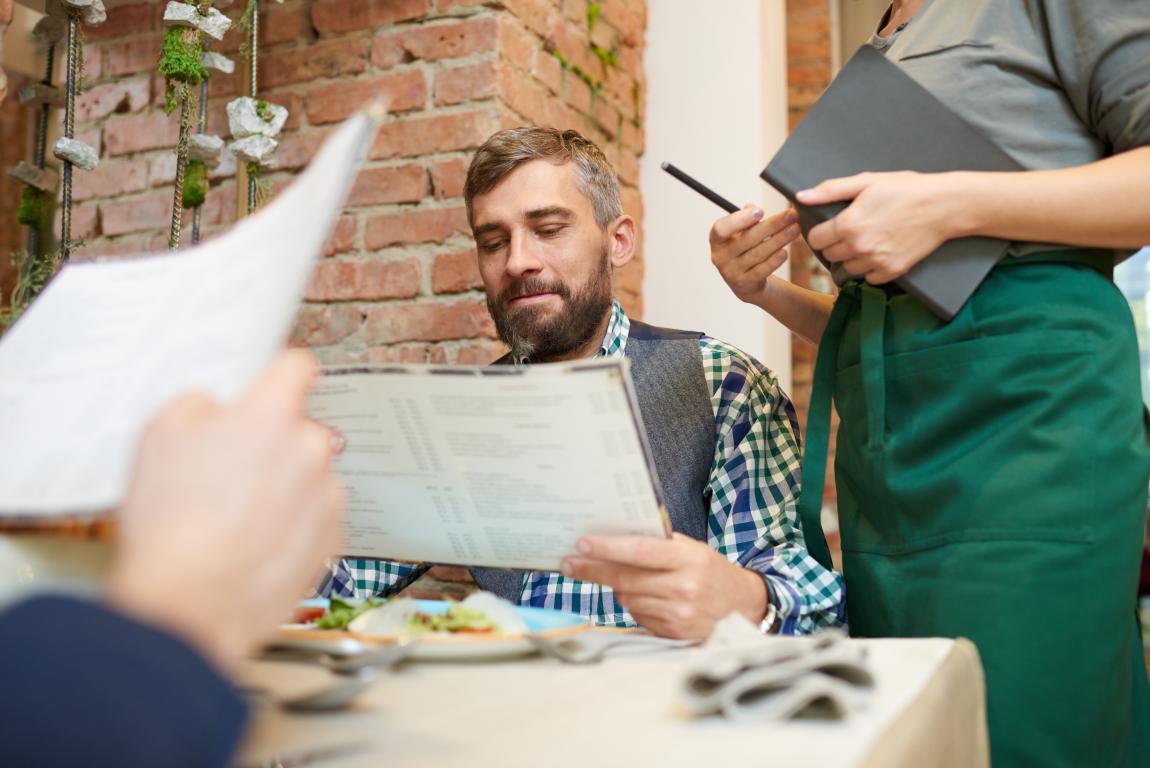
It’s completely normal to feel a little hesitant about speaking up in restaurants after weight loss surgery. You might worry about drawing attention or having to explain your situation every time. In reality, most UK restaurants, pubs, and cafés are far more accommodating than people expect—especially when you keep your request simple and polite. Staff handle all sorts of adjustments daily, and asking for what you need is much more common than it may seem.
Here are some ways to make it easier:
-
Ask simply and politely: A straightforward phrase like “I’ve had weight loss surgery, could I please have a smaller portion or child’s menu option?” usually works well.
-
Adjust portions: Request a smaller plate, half a meal, a starter as your main, or even a child’s portion. Many restaurants are happy to accommodate without charging full price.
-
Use menu swaps: If a side or sauce doesn’t suit your needs, ask if it can be swapped for something lighter or simpler.
-
Carry a card: A small, discreet card explaining your surgery and portion needs can make requests quicker, more private, and less awkward. At The Card Project UK, we make awareness and medical cards specifically to help communicate your needs in restaurants, cafés, and pubs.
-
Plan ahead: Checking menus online or calling ahead can help you identify affordable and suitable options.
-
Get local advice: Your dietitian or bariatric team may know restaurants or deals in your area that are particularly understanding and wallet-friendly.
Eating out should be enjoyable, relaxed, and stress-free. With these simple strategies, you can maintain your nutrition, stick to your budget, and still enjoy meals with friends and family—without feeling like you have to compromise.
Last Updated 31st December 2025
© 2024 The Card Project Uk Ltd
VAT: 453 2087 06
|