Eating Out After Weight Loss Surgery
Choosing Protein-First Meals and Healthy Options When Dining Out After Weight Loss Surgery
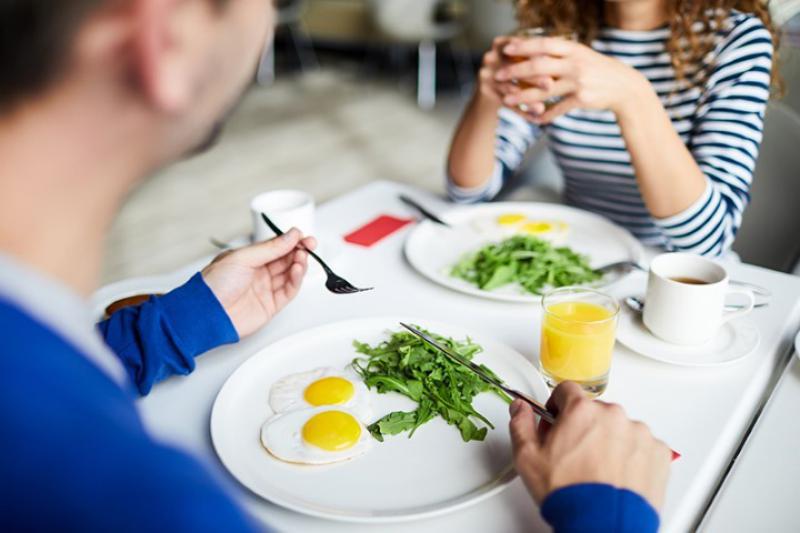
Eating out after weight loss surgery doesn't have to be tricky. It's completely understandable to feel a bit worried about it at first—with a smaller stomach, you can only manage small amounts of food, so it really pays to choose options that give you the most nutrition possible. Focusing on protein helps your body heal, keeps your muscles strong during weight loss, and stops you feeling hungry again too soon.
Many people who've had a gastric sleeve or bypass find that starting their meal with protein makes everything more satisfying and gentler on their system. NHS guidelines and bariatric teams often recommend aiming for 60-100g of protein a day, depending on your individual needs and the type of surgery you've had. When you're dining out, eating protein first means you get those important nutrients in before you feel full.
This guide shares straightforward ideas based on what UK dietitians recommend and what has worked well for lots of patients.
Contents
Why Protein Comes First
It's completely normal to wonder why everyone keeps talking about protein after weight loss surgery—especially when you're adjusting to a whole new way of eating. The truth is, your body goes through a lot during recovery and rapid weight loss, and protein plays a starring role in keeping things on track. Without enough of it, healing can slow down, and you might face some unwelcome side effects that make the journey harder.
Protein is your body's main building block for repairing tissues damaged during surgery and for preserving precious muscle mass as the pounds come off. Many UK patients notice that when protein intake is low, issues like hair thinning, constant tiredness, or wounds taking longer to heal can crop up—these are common signs your body is struggling to cope. NHS bariatric guidelines stress getting plenty of protein early on because it directly supports better recovery and helps you feel stronger overall.
One big advantage is how protein affects fullness: it satisfies you more effectively than carbohydrates or fats, which is especially helpful with your much smaller stomach capacity. By eating protein first, you fill up on the nutrients you need most before reaching for sides like bread, rice, or potatoes that might cause bloating, dumping syndrome, or discomfort later.
This simple "protein-first" habit also reduces the temptation to overfill on less helpful foods, making meals out more comfortable and enjoyable—plenty of people find it prevents that regrettable "too full" feeling.
Over time, prioritising protein helps maintain your energy levels and supports long-term weight loss success, as keeping muscle means your metabolism stays higher than it would otherwise.
Choosing Protein Sources While Dining Out
Lean options are usually kinder to your system and easier to digest in the early months:
-
Grilled or roasted chicken and turkey: high-quality protein without excess fat—perfect for building meals around.
-
Fish such as cod, salmon, or prawns: lean protein plus healthy omega-3 fats that support heart health and reduce inflammation during recovery.
-
Eggs: versatile and gentle, whether poached, boiled, or scrambled plainly, delivering complete protein in small portions.
-
Vegetarian choices: tofu or Quorn products give similar benefits if prepared without heavy sauces.
-
Low-fat dairy options: Greek yoghurt or cottage cheese work well as starters or sides, adding creamy texture alongside solid protein content.
Always lean towards grilled, baked, poached, or steamed preparations rather than fried or breaded items—these gentler cooking methods help avoid nausea, indigestion, or fat malabsorption that some people experience post-surgery. With practice, spotting these options on a menu becomes second nature, and you'll feel more in control every time you eat out.
Basic Tips for Picking Healthy Options
Choosing what to eat when dining out after weight loss surgery can feel overwhelming at first, especially with tempting menus all around you. It's completely understandable to worry about making the right choices, but a few simple strategies can make it much easier and less stressful. Many patients find that planning ahead and sticking to some basic guidelines helps them enjoy the meal without regret or discomfort later.
One of the easiest ways to feel more prepared is to check the menu online before you head out—most UK restaurants and chains now list ingredients, allergens, or even calorie information on their websites or apps. This gives you time to spot protein-rich options and think through what might work best for your stage of recovery.
Tips Recommended by UK Bariatric Teams and Dietitians
-
Always start with protein: Aim for around 3-4 ounces (roughly the size of a deck of cards or the palm of your hand) as your main focus. This ensures you get the nutrients your body needs most for healing and muscle maintenance before your smaller stomach fills up. Grilled, baked, or poached proteins digest more gently and help you feel satisfied without overdoing it.
-
Add plenty of vegetables next: Go for steamed broccoli, green beans, carrots, or a simple side salad to add volume and essential vitamins with very few calories. Ask for dressing on the side so you can control how much you use—many people find this prevents slippery textures or excess fat that could cause nausea. Vegetables also help with hydration and keep things moving smoothly in your digestive system.
-
Steer clear of heavy extras that offer little benefit: Things like creamy sauces, bread baskets, fizzy drinks, and alcohol can quickly fill your limited space without providing useful nutrition, and they sometimes trigger issues like dumping syndrome (rapid heart rate, sweating, or nausea) in bypass patients. It's fine to enjoy flavours in small amounts later once you're more tolerant, but skipping them early on makes meals much more comfortable.
-
Stay hydrated the right way: Stick to water, herbal tea, or other non-fizzy, non-sugary drinks, but sip them separately from your meal—ideally waiting about 30 minutes before and after eating. This prevents your pouch or sleeve from filling too quickly with liquid and allows better nutrient absorption from solid food.
-
Eat slowly and mindfully: Take small bites, chew thoroughly (aim for 20-30 chews per mouthful), and pause between bites to give your body time to signal fullness. Stopping as soon as you feel comfortably satisfied—rather than empty or stuffed—is key to avoiding pain, regurgitation, or vomiting, and most people get much better at recognising these signals with practice.
Portions in restaurants are often much larger than what you'll need now, so don't hesitate to adapt. Asking for a starter as your main course, choosing a children's portion (many places offer these to adults on request), or even sharing a dish can work brilliantly. Staff in UK restaurants are usually understanding and accommodating, especially if you mention you're recovering from surgery—they want you to have a good experience too. With these habits, eating out starts to feel manageable and even enjoyable again.
Building a Small, Balanced Plate
Putting together a meal when dining out after weight loss surgery doesn't need to be complicated—it's completely understandable to feel unsure about portions or what combinations will sit well. The good news is that many patients find a simple formula works brilliantly: focus mainly on protein, add plenty of vegetables, and include just a small amount of healthy fat if it feels right. This approach keeps your tiny plate nutrient-packed, gentle on your system, and satisfying without overloading your smaller stomach.
With portions now much smaller—often just a few ounces total—every bite counts, so aiming for balance helps you get the most benefit while avoiding discomfort. UK bariatric dietitians often suggest visualising a side plate divided roughly into halves: half protein, half vegetables, with any carbs or fats in very modest amounts once you're further along in recovery.
Practical Ways to Build a Balanced Plate
-
Prioritise a palm-sized portion of protein (around 60-100g cooked weight, or 3-4 ounces) as your centerpiece—this ensures healing and fullness come first. Pair it with non-starchy vegetables for volume and micronutrients that support overall health without adding many calories.
-
Include steamed, grilled, or raw vegetables generously—they add fibre gently, help with hydration, and make the meal feel more substantial. Ask for them plain or with light seasoning to keep things easy to tolerate.
-
Add a touch of healthy fat if tolerated, such as a drizzle of olive oil, a few slices of avocado, or nuts in small quantities—these aid vitamin absorption and can make food taste better without overwhelming your pouch.
Examples in UK Restaurants
-
Grilled chicken with steamed greens: Tender chicken breast provides lean protein, while broccoli, spinach, or green beans add vitamins and a satisfying texture. This classic combination digests slowly and helps maintain steady energy.
-
Baked or grilled fish with a side salad: Options like cod, haddock, or salmon offer high-quality protein plus beneficial omega-3s for heart and joint health. A mixed leaf salad (dressing on the side) brings freshness and crunch without heaviness.
-
Prawns or seafood with broccoli or asparagus: Prawns deliver protein that's naturally low in fat and quick to eat in small amounts. Steamed broccoli florets or asparagus spears complement perfectly, providing fibre and antioxidants that support recovery.
In the early months after surgery, softer textures often feel kinder—think poached fish, well-steamed veg, or finely chopped salads—so don't hesitate to request those preparations. As time passes and your tolerance grows (usually after 3-6 months, depending on your procedure and individual progress), you can gradually introduce more variety like crunchy raw vegetables or small amounts of complex carbs such as quinoa or sweet potato. Many people are surprised how quickly they can enjoy a wider range again while still keeping portions small and balanced. Listening to your body and starting simple builds confidence, and soon creating these plates becomes second nature wherever you eat out.
Ideas for Common UK Places
Eating out at familiar spots can still be enjoyable after weight loss surgery, even if it requires a few adjustments at first. It's completely normal to feel hesitant about old favourites, but many patients find that places like Nando's offer straightforward, protein-focused options that fit well with smaller portions and new needs. These suggestions are drawn from what UK bariatric patients and dietitians often highlight as reliable choices.
Nando's
Nando's stands out for its flame-grilled chicken, which is naturally high in protein and low in fat when you keep extras minimal—perfect for prioritising nutrition without heavy frying or batter.
-
A quarter chicken (or half if you're several months post-surgery and tolerate larger amounts) with milder seasonings like lemon & herb or plain-ish provides a solid protein base that's flavourful yet gentle on the stomach. Many people find this portion fills them comfortably without room for much else.
-
Pair it with macho peas (crushed peas with mint, parsley, and a touch of chilli) or a simple side salad to add vegetables, fibre, and extra satisfaction—these help with digestion and make the meal feel more complete.
-
It's best to skip chips, spicy rice, or creamy sauces early on, as they can cause quick fullness, bloating, or discomfort; if you want flavour, ask for peri-peri sauce on the side to dip sparingly.
Wagamama
Wagamama's menu is full of fresh, vibrant dishes that often feature grilled proteins and plenty of vegetables, making it a surprisingly good option for many people after weight loss surgery. It's completely normal to feel cautious about Asian-inspired flavours at first, but patients frequently report that the lighter, broth-based or grilled items sit well when portions are kept small.
-
Grilled chicken or seabass mains (like the grilled chicken ramen or seabass dishes) provide high-quality protein with steamed or stir-fried greens—these options focus on lean meat or fish alongside vegetables for balance and gentle digestion.
-
The yasai yaki soba (vegetable version with tofu) offers a plant-based protein alternative packed with mixed vegetables; many vegetarians or those varying their diet find it satisfying in starter-sized amounts.
-
A side of edamame (steamed soybeans in pods) adds easy-to-eat protein and fibre—sprinkle lightly with salt or ask for plain to keep it simple and low in extras.
-
If carbohydrates are still tricky or you're avoiding them early on, politely ask for no noodles or rice in your dish; staff are usually accommodating and can serve the protein and veg alone, which helps prevent overfilling or discomfort.
Pubs and Carveries (like Toby Carvery or Harvester)
Traditional pub roasts and carveries are a staple for many UK families, and it's completely understandable to want to join in without missing out after surgery. The great thing about places like Toby Carvery or Harvester is the unlimited vegetables and choice of carved meats, which can make building a protein-first plate straightforward once you focus on the right elements.
-
A small plate of lean turkey, beef, or gammon gives you high-quality protein that's often freshly carved and easier to chew in modest amounts—many patients start with just a few slices to prioritise healing and fullness.
-
Pile on non-starchy vegetables like cabbage, carrots, broccoli, cauliflower, or green beans—these add volume, fibre, and essential vitamins without many calories, helping the meal feel substantial and supporting good digestion.
-
It's usually best to skip Yorkshire puddings, stuffing, roast potatoes, or heavy gravy at first, as they can fill your limited space quickly or cause bloating; if you fancy a little later on, ask for gravy on the side to control it sparingly.
Staff at these venues are often very accommodating if you ask for a smaller or child's plate, making it easier to enjoy the social side of a Sunday roast without discomfort.
Italian Chains (Zizzi, Prezzo, ASK Italian)
Italian restaurants like Zizzi, Prezzo, and ASK Italian can feel tricky because of all the pasta and pizza on the menu, but it's completely understandable to crave those flavours without wanting heavy carbs. The good news is that these chains all offer grilled proteins, seafood starters, and vegetable sides that many patients find work really well—often turning a starter or lighter main into a satisfying meal.
-
Grilled chicken or salmon dishes with vegetables provide lean protein that's usually cooked simply and paired with greens or broccoli—many people choose these as their main focus for good nutrition and gentle digestion in small portions.
-
Seabass fillets, king prawns, or calamari starters (grilled rather than fried where possible) deliver high-quality seafood protein that's light and full of flavour—perfect for eating slowly and stopping when full.
-
Opt for a side salad or steamed vegetables instead of garlic bread, dough balls, or fries—these add freshness and volume without filling you up too quickly or causing discomfort from rich dough.
Most of these places are happy to serve starters as mains or leave off heavy sauces if you ask, helping you enjoy the Italian atmosphere while sticking to what suits your body best.
Indian Restaurants
Indian restaurants offer some of the boldest flavours in the UK, and it's completely understandable to worry that rich curries might be off-limits after weight loss surgery. The good news is that many places excel at tandoori and grilled dishes, which are naturally lower in fat and sauce—perfect for focusing on protein while still enjoying those familiar spices.
-
Tandoori chicken, chicken tikka, or fish tikka are excellent choices because they're marinated and cooked in a clay oven, giving plenty of protein with minimal oil and no heavy creamy sauce. Many patients find a few pieces (around 3-4 ounces) fill them comfortably and digest well.
-
Pair with a small side of vegetable dishes like saag (spinach), bhindi (okra), or mixed veg—ask for them dry or lightly cooked without ghee for gentler portions that add fibre and nutrients.
-
If you tolerate carbs and want a little something extra, a small spoonful of plain boiled rice can help soak up flavours without overwhelming your stomach; most people stick to just a few bites or skip it altogether early on.
Staff are usually very willing to serve tandoori items without sauce or provide smaller portions if you explain—making it easier to enjoy a curry house outing with family or friends.
Cafés like Pret or Costa
Cafés like Pret a Manger and Costa are ideal for quick, on-the-go options when you need something nourishing without sitting down for a full meal. It's completely understandable to rely on these spots during busy days, and many patients find they offer convenient protein-focused choices that are easy to eat in small amounts without fuss.
-
Tuna or chicken salad pots (like Pret's tuna mayo or chicken Caesar pots) provide ready-to-eat lean protein mixed with a bit of salad—perfect for prioritising protein while getting some vegetables in gently.
-
Boiled eggs (often sold in pairs or as part of a protein pack) are a simple, complete protein source that's soft, portable, and kind to most people's tolerance at any stage post-surgery.
-
Plain Greek yoghurt pots or those with a little fruit offer creamy protein with probiotics for gut health—choose low-sugar versions and eat slowly to avoid any cold sensitivity.
These grab-and-go items help keep you on track when time is short, and you can always ask for no bread or extras if something comes bundled. Many people keep a couple of these in mind for work breaks or travel days.
Fish and Chip Shops
Fish and chip shops are a British classic, and it's completely understandable to feel like they might be off-limits after weight loss surgery because of all the batter and frying. While they're not always the easiest choice, many patients still manage the occasional visit by focusing on the fish itself and skipping the heavier elements—turning it into a protein-focused treat rather than a full chippy meal.
-
If the shop offers grilled or baked fish (some seaside or healthier chains do), that's a great lean protein option that's much gentler on your system—pair it with a few steamed vegetables if available or just eat plain.
-
A small piece of poached or steamed cod (ask nicely if they can do it without batter) provides high-quality protein with omega-3 benefits, and many places are willing to oblige for a simple portion.
-
Stick to just the fish and avoid chips, mushy peas (if creamy), bread rolls, or pickled items early on—these can fill you quickly or cause discomfort from fat and carbs.
These are just starting points, as menus and preparation vary widely between traditional chippy and more modern outlets—checking ahead or asking staff about plain fish options often makes all the difference. With small adaptations, you can still enjoy that familiar taste from time to time without derailing your progress.
Tips for Customising Your Meal after Weight Loss Surgery
It’s completely normal to feel unsure—or even a little anxious—about asking for changes when eating out after weight loss surgery. Many people worry about seeming fussy, drawing attention, or having to explain themselves repeatedly. In reality, most UK restaurant staff are used to all kinds of dietary requests, and if you mention it’s for health reasons, they’re usually happy to help.
Customising your meal isn’t about being difficult; it’s about making sure you get the nutrition you need in portions and preparations that suit your smaller stomach and stage of recovery. With practice, it becomes easier and helps you feel more in control.
Here are some practical ways to make adjustments confidently:
-
Ask politely but clearly: A simple “Could I have the sauce on the side, please? It’s for medical reasons” is usually enough. You don’t need to explain in detail unless you want to—clarity is appreciated.
-
Adjust portions: Ask for a starter as your main, a child’s portion, or half a portion if available. Sharing a dish or asking for a takeaway box at the start can also help.
-
Modify cooking methods and extras: Choose grilled, baked, poached, or steamed options instead of fried. Always request sauces, dressings, or butter on the side to control fat and make digestion gentler.
-
Swap sides: Trade chips, fries, rice, or bread for extra steamed vegetables, a salad, or plain greens—most kitchens are happy to accommodate.
-
Use an Awareness Card: A card explaining your needs removes awkwardness and avoids repeating yourself. Here at The Card Project UK, we make awareness and medical cards designed for this purpose. They help you communicate your needs quickly and politely to restaurant staff, so you can focus on enjoying your meal.
-
Plan ahead: Check menus online or call ahead to spot suitable options. Knowing there’s a workable choice ready can reduce stress.
-
Lean on your bariatric team: Your dietitian or surgeon can guide you on portion sizes, protein targets, and what modifications to request at your stage of recovery.
With a bit of planning and confidence, customizing meals becomes second nature. Dining out can remain an enjoyable social activity, letting you get the protein and nutrients you need while staying comfortable and relaxed with friends or family.
Last Updated - 31st December 2025
© 2024 The Card Project Uk Ltd
VAT: 453 2087 06
|