Migraine Diary: A Simple Way to Track Your Migraines
Updated for 2026 with the latest insights and practical advice.
Table of Contents
Understanding Migraines: More Than Just a Headache
Imagine this: You're midway through a busy day when that familiar throb starts behind your eye, building into a wave of pain that knocks you off your feet. The lights feel too bright, sounds too loud, and all you want is a dark, quiet room to wait it out. If this sounds like you, you're not alone—millions deal with migraines, and many customers we've heard from describe it as an invisible battle that disrupts everything from work to family time. But here's the good news: Understanding what migraines are can be the first step toward feeling more in control.
Migraines aren't just bad headaches; they're a neurological condition that can cause intense, pulsing pain, often on one side of your head. They might come with nausea, vomiting, or sensitivity to light and sound, and some people experience an "aura"—visual disturbances like flashing lights or blind spots—before the pain hits. These episodes can last from a few hours to several days, leaving you exhausted afterward. What causes them? It's often a mix of genetics, environmental factors, and triggers like stress or hormonal changes. The key is recognizing that migraines are real and valid, and tracking them can help you spot patterns that make management easier.
Why Keeping a Migraine Diary Makes a Difference
You've probably tried powering through a migraine, hoping it was a one-off. But if they keep coming back, a simple diary can change the game. Many people we've spoken with say it's like having a personal detective on your side, uncovering clues about what sets off your attacks. According to experts, keeping a record helps you identify triggers, see how treatments work, and even communicate better with your doctor.
Think of it as a low-pressure habit that empowers you. Instead of feeling overwhelmed, you start noticing connections—like how skipping lunch or a stressful meeting often precedes an episode. Over time, this insight can lead to fewer migraines or at least ones that are less severe. And the best part? It doesn't require fancy equipment; a notebook or your phone will do. Studies and guidelines from places like the Mayo Clinic emphasize that consistent tracking is a cornerstone of effective migraine management. If you're ready to take that step, you'll likely find it brings a sense of relief just knowing you're doing something proactive.
Getting Started: Setting Up Your Migraine Diary
Starting a diary doesn't have to be complicated—keep it simple so you actually stick with it. Many customers tell us they began with just a few notes a day and built from there. Here's how to ease into it:
-
Choose Your Format: Go with what feels easiest. A small notebook fits in your bag, or use a digital app on your phone for reminders and easy searches. If you're tech-savvy, apps can even generate reports for your doctor.
-
Set a Routine: Log entries right after an episode or at the end of each day. Aim for consistency without making it a chore—maybe tie it to brushing your teeth or winding down at night.
-
Keep It Private and Positive: This is your space, so be honest but kind to yourself. Note wins, like days without pain, to stay motivated.
Experts recommend starting with basic info and adding details as you go. If you miss a day, no worries—just pick up where you left off. Over a month or two, you'll have valuable data that could reveal surprising insights.
What to Track: The Essentials for Meaningful Insights
The magic of a migraine diary lies in what you record. Focus on details that help pinpoint patterns without overwhelming yourself. Based on advice from reputable sources, here's what to include:
-
Date and Time: Note when the migraine started and ended. This can highlight if attacks cluster around certain times, like weekends or mid-afternoon.
-
Symptoms: Describe the pain—throbbing, sharp, one-sided? Include extras like nausea, dizziness, or aura. Rate severity on a scale of 1-10 to track intensity.
-
Triggers: Jot down potential culprits from the day before or during. Common ones include stress, lack of sleep, hormonal shifts (like during your period), skipped meals, caffeine, alcohol, specific foods (chocolate, cheese, or processed items), weather changes, or strong smells. Don't guess—record what you actually experienced.
-
Lifestyle Factors: Log sleep hours, meals, exercise, and stress levels. Hydration matters too; dehydration is a sneaky trigger for many.
-
Treatments and Relief: What did you try? Over-the-counter meds, rest in a dark room, ice packs? Note what helped or didn't, including side effects.
-
Daily Mood and Activities: A quick note on your overall day can reveal connections, like high-stress workdays leading to attacks.
Keep entries brief—bullet points work great. Over time, reviewing these can show, for example, how cutting back on caffeine reduced your episodes. Many who've shared their stories with us say this tracking turned vague frustrations into actionable changes.
Spotting Patterns: Turning Data into Action
Once you've logged a few weeks, it's time to review. This is where the diary shines, helping you connect the dots. Sit down with a cup of tea and look for trends—perhaps migraines spike after poor sleep or certain foods.
-
Identify Common Triggers: Tally up repeats, like stress appearing in 80% of entries. Then, experiment with avoidance, such as building in relaxation time.
-
Track Treatment Effectiveness: See if a certain med shortens attacks or if lifestyle tweaks like regular meals make a difference.
-
Monitor Frequency and Severity: Chart how often they occur and if patterns align with cycles, like menstrual migraines.
If patterns aren't clear, that's okay—sometimes it takes a couple of months. Tools like apps can automate this with graphs, making it easier to see improvements. Customers often mention how this step shifted them from reactive to proactive, reducing the fear of unpredictable attacks.
Tools and Apps: Making Tracking Effortless
You don't have to go old-school with paper; digital options can simplify things. Based on recent recommendations, here are some user-friendly apps that many find helpful:
-
Migraine Buddy: By far the most popular worldwide (over 3.5 million users). It tracks symptoms, triggers, weather influences, medications, and sleep in great detail. The free version is very comprehensive, with easy-to-read reports you can share with your doctor. Many UK users rate it as their favourite for its depth and community features.
-
Migraine Monitor: A straightforward app focused on headache days, duration, patterns, and triggers. It's endorsed by several headache organisations and includes options to connect anonymously with other users if you want support.
-
Migraine Insight — Great if you want AI-powered insights into your personal triggers after a few weeks of logging. It helps pinpoint what really correlates with your attacks, and many find it leads to real reductions in frequency.
Start with a free version to test it out. If you prefer paper, printable templates from sites like the Migraine Trust can guide you. The goal is consistency, so pick what fits your life—many say switching to an app made tracking feel less like a task and more like a helpful habit.
When to Share Your Diary with Your Doctor
Your diary isn't just for you—it's a powerful tool for healthcare discussions. Bring it to appointments to give your doctor a clear picture, which can lead to better diagnoses or adjusted treatments.
-
Red Flags: If migraines increase in frequency, last longer than 72 hours, or come with new symptoms like weakness or confusion, seek help sooner.
-
Preparing for Visits: Highlight key patterns and questions, like "Could this trigger be hormone-related?"
-
Ongoing Management: Use it to track preventive meds or therapies, showing what's working.
Many customers share that showing their diary helped their doctor tailor plans, from prescriptions to lifestyle advice. Remember, you're partnering with your healthcare team—your insights matter.
Frequently Asked Questions About Migraine Diaries
How Long Should I Keep a Migraine Diary Before Seeing Patterns?
Aim for at least a month to gather enough data, but some notice trends in just a couple of weeks. Be patient and consistent; over time, you'll likely spot connections like stress or dietary links that weren't obvious before. This can make everyday choices feel more empowering.
Can a Diary Help Reduce My Migraine Frequency?
Absolutely, by helping you avoid triggers and refine treatments. Many find that simple changes, like steady sleep routines, cut down attacks based on their logs. It's not a cure, but it's a practical way to gain control and potentially fewer tough days.
What If I'm Not Tech-Savvy—Is a Paper Diary Still Effective?
Yes, a basic notebook works wonders and is often preferred for its simplicity. Just jot down the essentials consistently, and it can be just as insightful when reviewing with your doctor. The key is making it a habit that suits you.
Should I Track Every Single Headache, Even Mild Ones?
It's helpful to log all episodes to capture the full picture, as mild ones might escalate or reveal early patterns. This comprehensive approach can highlight preventive opportunities. Don't stress if you miss one—just keep going.
How Do I Stay Motivated to Keep Logging?
Tie it to a positive routine, like reflecting on what went well that day, and celebrate small wins like trigger discoveries. Remind yourself it's for your well-being, and over time, seeing improvements can keep you going strong.
One Practical Tool: Custom Medical ID Cards
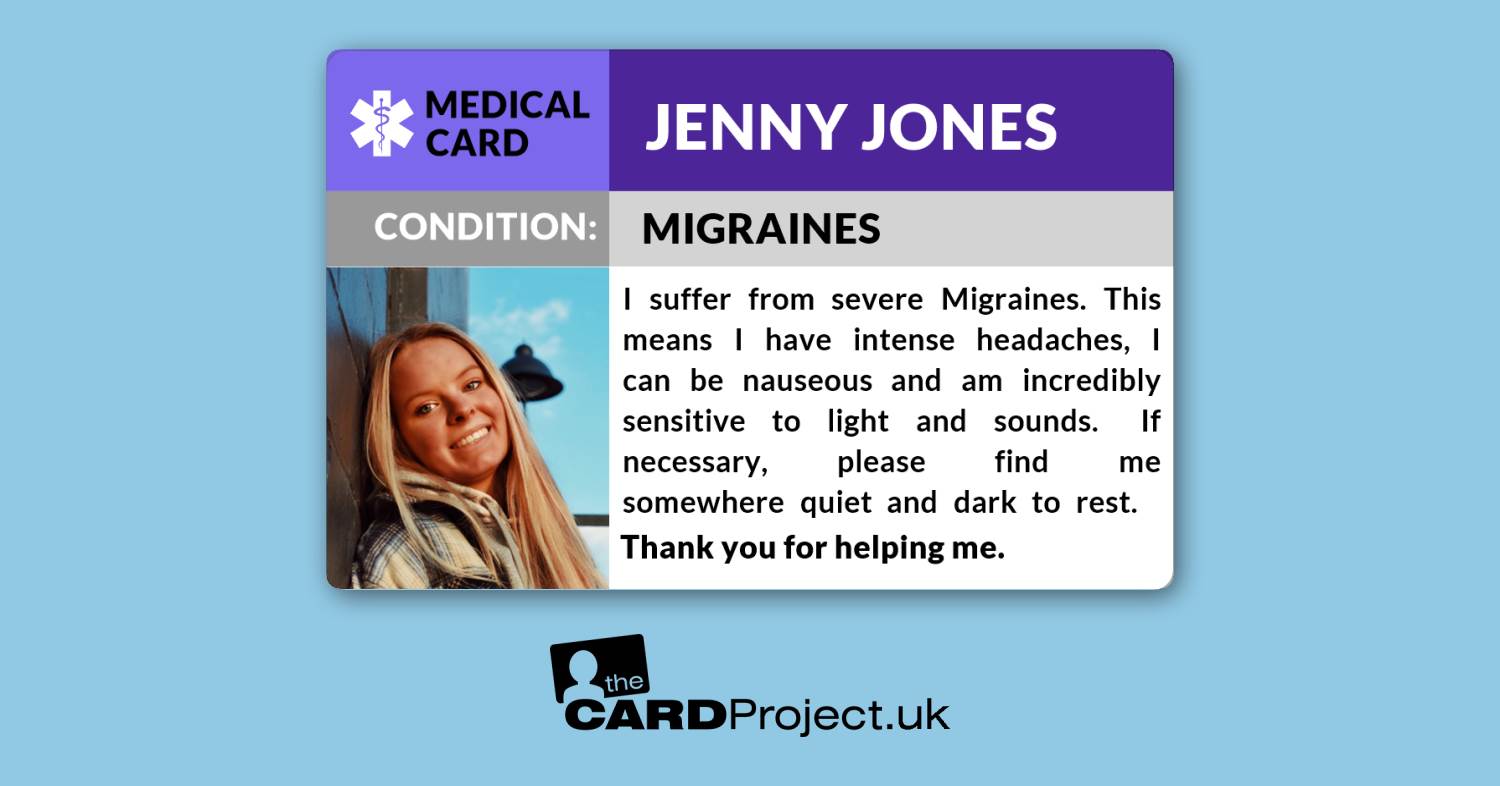
While you’re getting better at spotting and managing your migraines, lots of people find it comforting to carry a little something in their wallet for those “just in case” moments—especially if a really bad attack makes it hard to explain what’s happening. Our eco-friendly, customisable Migraine Medical ID Cards are wallet-sized and many customers tell us they give genuine peace of mind for daily life, travel, or work. Explore our range at thecardproject.uk if it feels like it could be useful for you.
Last updated: December 2025 – reviewed annually for latest guidelines.
Content reviewed in line with relevant authoritative sources/guidelines, including Mayo Clinic and The Migraine Trust.
Further Resources
Important Disclaimer
This guide is for informational purposes only and is not intended as a substitute for professional medical advice, diagnosis, or treatment. Always consult your doctor or a qualified healthcare professional before making any changes to your health routine or if you’re experiencing new or worsening symptoms. We’re sharing insights based on common experiences, but everyone’s situation is unique.
© 2024 The Card Project Uk Ltd
VAT: 453 2087 06
|