Seeing the World Differently: Sensory Needs and Non-Verbal Autism
Every second of the day, our brains receive information from the world around us. We hear traffic, we see bright lights, we feel our clothes against our skin, and we smell food cooking. For most people, the brain does a quick job of sorting through this information, ignoring what is not important and focusing on what is.
For someone with non-verbal autism, this sorting system often works differently.
Instead of filtering out background noises or minor physical feelings, their brain might let all of these sensory inputs in at the exact same level of intensity. A buzzing lightbulb can sound as loud as a vacuum cleaner. A clothing tag can feel like sandpaper.
Because they do not use spoken words, people with non-verbal autism cannot easily tell you when their senses are being overloaded. Instead, they show us through their behavior.
Understanding how sensory processing works is one of the most important steps you can take to help a loved one with non-verbal autism feel comfortable, safe, and calm in their daily life.
What is Sensory Processing?
To understand sensory needs, we have to look at how we experience the world. We all know the basic five senses: sight, hearing, touch, taste, and smell.
There are also two other key senses that we do not talk about as often:
-
The sense of balance (vestibular): This tells us where our head and body are in space, helping us stay upright and move smoothly.
-
The sense of body awareness (proprioception): This tells our brain where our limbs are and how much force to use, like how hard to push open a door or how tightly to hold a cup.
For a person with non-verbal autism, any of these seven senses can be either too sensitive or not sensitive enough. Sometimes, a person can experience both extremes on different days or in different situations.
Too Much Information: Hypersensitivity
When a person is hypersensitive, it means their senses are highly turned up. The world feels too loud, too bright, too smelly, or too physically intense. Their brain is flooded with more information than it can handle.
Here is how hypersensitivity affects different senses in non-verbal autism:
Hearing
Sudden noises like a dog barking, a balloon popping, or a siren can cause physical shock or panic. Continuous sounds that other people easily ignore—like the hum of a refrigerator, the static of a television, or the chatter of a crowded room—can feel deafening and make it impossible for them to focus on anything else.
Sight
Bright fluorescent lighting, flickering bulbs, or highly decorated rooms with lots of visual patterns can be exhausting to look at. Going into a busy supermarket with towering shelves and bright signs can feel like staring directly into a strobe light.
Touch
The physical feeling of certain fabrics, tight waistbands, or stiff collars can feel unbearable. A light, unexpected touch on the arm from a friend can feel like a sudden pinch. Even the feeling of water from a shower head can feel like needles on their skin.
Smell and Taste
Ordinary smells like laundry detergent, perfume, soap, or cooking garlic can feel overwhelming and cause nausea. Food textures can also be a massive barrier. If a food feels too slimy, too crunchy, or too mushy, their brain may treat it as dangerous, leading them to refuse to eat it.
Not Enough Information: Hyposensitivity
On the other side of the coin is hyposensitivity. This is when a person’s senses are turned down. Their brain does not receive enough sensory feedback from the world, so they actively seek out extra sensory input to feel balanced and grounded. This is often called "sensory seeking."
Here is what sensory seeking looks like in non-verbal autism:
Movement and Balance
A sensory seeker might spin in circles, rock their body back and forth, or pace around the room. They do this because their balance system needs extra input to help them feel where their body is.
Touch and Pressure
They might seek out tight spaces, crawl under heavy blankets, or squeeze themselves between couch cushions. They might also enjoy firm hugs, high fives, or rubbing their hands against textured surfaces like carpets or Velcro.
Sight and Sound
They might love toys that spin, flash, or have moving parts. They might hold objects very close to their eyes or stare at spinning fans. They might also enjoy making repetitive noises or listening to the same song or video clip at a high volume.
Why Non-Verbal Autism Makes Sensory Needs Harder
Sensory issues are not exclusive to non-verbal autism, but not being able to speak makes them much harder to manage.
Think about how you react when a room is too cold. You simply say, "It's freezing in here," and you put on a sweater or turn up the heat. If a light is flickering and giving you a headache, you turn it off or leave the room.
A non-verbal person cannot make those simple requests. They cannot say, "The fabric of these pants is scratching my legs and making me angry," or "The high-pitched noise from that television is hurting my ears."
Because they cannot use words to solve the problem, their distress builds up silently. If the sensory issue is not addressed, it often leads to a meltdown. When you see a non-verbal person screaming, running away, or throwing an object, they are not being difficult. They are trying to escape a sensory experience that feels physically painful to them.
How to Spot Sensory Distress
Since your loved one cannot tell you when they are struggling with sensory overload, you have to look for physical clues. Here are some common behaviors that show a person is experiencing sensory distress:
-
Covering their ears or squinting their eyes: This is a clear sign that the sounds or lights in the room are too intense.
-
Pulling at their clothes or trying to take them off: This usually means a fabric, tag, or seam is irritating their skin.
-
Refusing to enter certain rooms: If they suddenly stop at the doorway of a kitchen, bathroom, or store, there may be a smell, light, or sound in that room that they are trying to avoid.
-
Increased repetitive movements: If they start rocking faster, flapping their hands rapidly, or pacing back and forth, they are likely trying to calm themselves down from sensory overload.
-
Shielding their face or hiding: They might put their head down on the table, pull their hood over their eyes, or climb under a table to escape the visual noise around them.
Practical Ways to Help with Sensory Needs
You do not need expensive equipment to make a big difference in your loved one's sensory comfort. Simple changes to your daily routine and home environment can help reduce their stress significantly.
1. Control the Sound
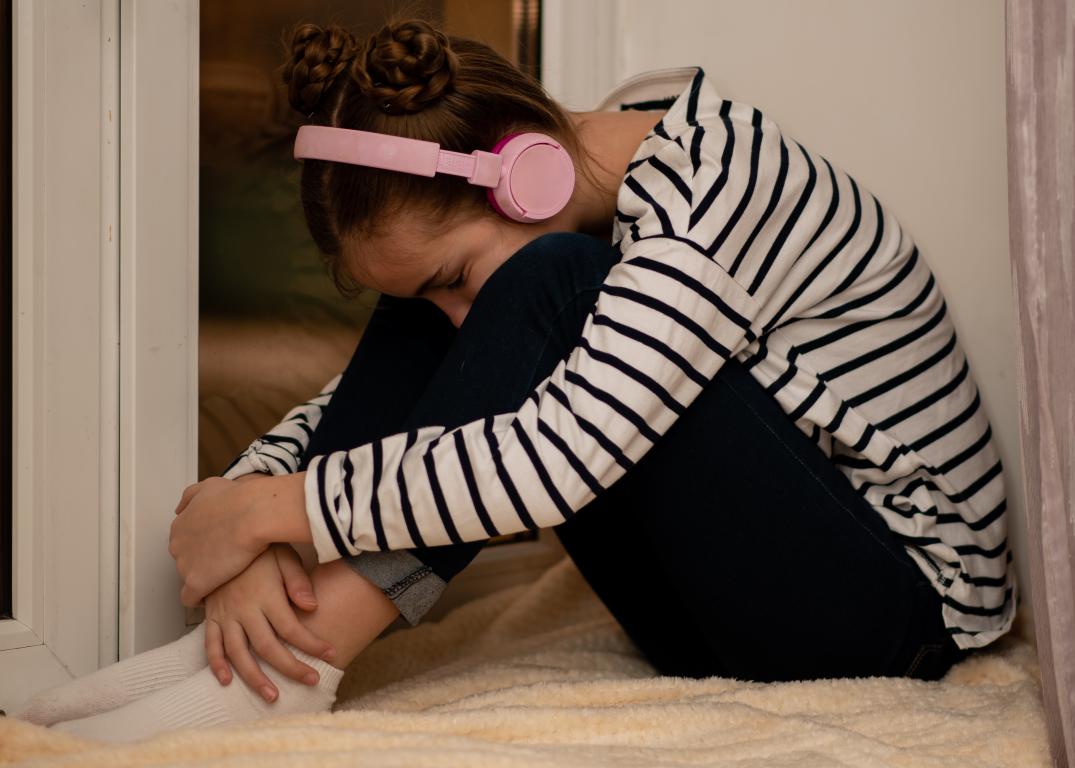
Noise-canceling headphones are a simple and highly effective tool. If you are going to a loud place like a grocery store, a park, or a family gathering, having them wear headphones can block out the background roar while still letting them participate. At home, turn off televisions or radios when nobody is actively watching or listening to them.
2. Simplify the Lighting
Where possible, use natural light instead of harsh overhead fluorescent bulbs. Use lamps with dimmers or warm-colored LED bulbs to create a calmer atmosphere. If certain rooms are very bright, consider using blackout curtains to block out glare during the day.
3. Choose Comfortable Clothing
Pay close attention to the clothes you buy. Look for tagless shirts, flat seams, and soft fabrics like cotton. Many families find success by cutting tags out of clothing completely or buying seamless socks. Let your loved one wear their favorite, most comfortable outfits as often as they want, even if it means wearing the same style of shirt every day.
4. Create a Sensory Safe Space
Set up a small area in your home where your loved one can go to escape sensory input when they feel overwhelmed. This does not need to be a whole room. It can be a corner of a bedroom, a small pop-up tent, or a space under a loft bed. Keep this area dark, quiet, and stocked with comfortable pillows, heavy blankets, and their favorite quiet toys.
5. Offer Safe Sensory Outlets
If your loved one is a sensory seeker, make sure they have safe ways to get the input they need. Provide toys they can squeeze, chew, or spin. If they love deep pressure, try using a weighted blanket or vest (always check with a professional for safety guidelines on weight). If they need movement, a small indoor trampoline or a swing can be an excellent outlet.
One Day at a Time
Every person with non-verbal autism has a completely unique sensory profile. What bothers one person might be highly comforting to another.
Finding out what works for your loved one takes time, observation, and a bit of trial and error. Start by making small changes, like swapping out a lightbulb or cutting tags off their shirts, and watch how they react.
When you learn to see the world through their sensory lens, you can remove the hidden barriers that make their day difficult. By creating a calmer, more predictable sensory environment, you help them feel safe, understood, and relaxed in their own home.