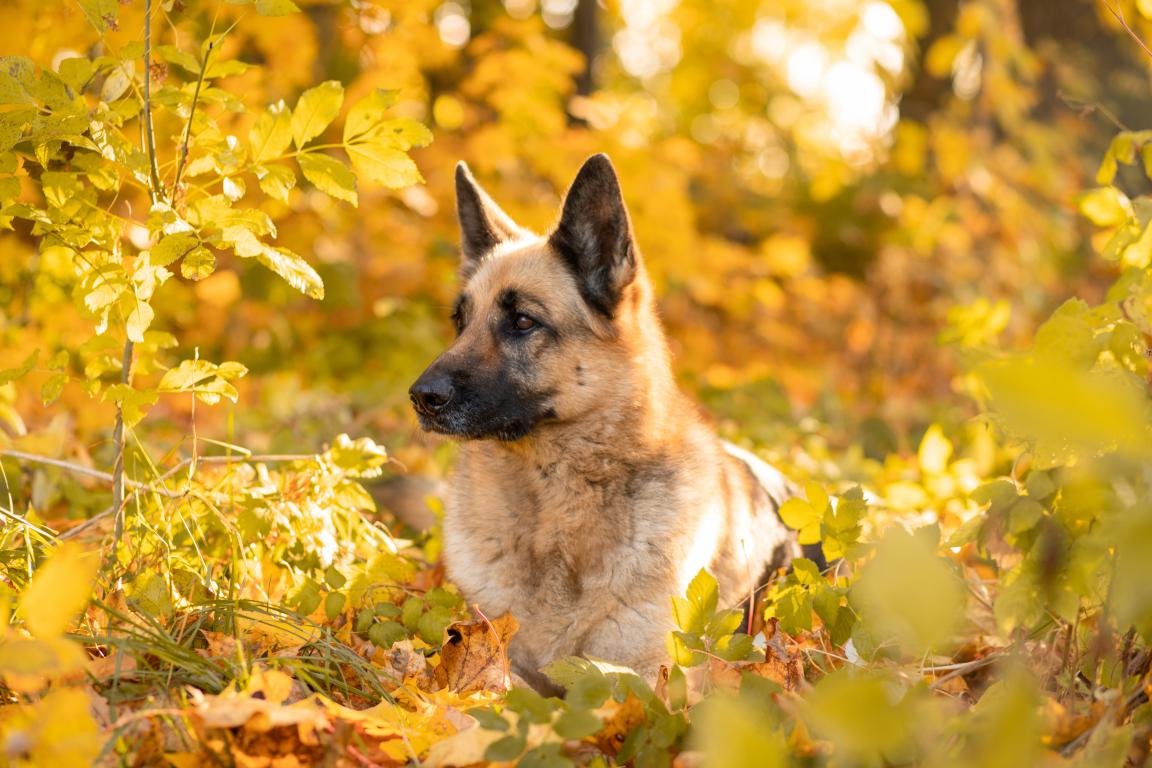
The Important Role of Seizure Alert Dogs
The Important Role of Seizure Alert Dogs
If you or someone close to you lives with epilepsy, you may have come across mentions of dogs trained to help with seizures. These dogs provide real, everyday support and steady companionship, especially for those whose seizures do not fully respond to medication.
In the UK, the term "seizure alert dogs" refers to dogs that can give an advance warning before a seizure starts. This short notice—often up to an hour—allows the person to move to a safer spot, sit or lie down, or let someone know what is happening. Other types of assistance dogs exist for epilepsy, but the specialised alert ability is rarer and provided by only a few organisations here.
This guide walks you through what these dogs do, how they are trained, and the practical steps if you are considering one for yourself or a family member. It is written with parents and carers in mind, assuming no prior knowledge, to help you understand the full picture.
Table of Contents
What Are Seizure Alert Dogs?
Seizure alert dogs are specially trained assistance dogs that can provide advance warning before an epileptic seizure begins. In the UK, these dogs are provided by specialist charities and focus on giving their owner a reliable alert, often several minutes or up to an hour ahead. This short but crucial window makes a real difference in everyday safety.
The alert itself usually comes in the form of clear behaviours from the dog, such as pawing at the owner's leg, staring intently, barking, or nudging them persistently. Owners quickly learn to recognise their dog's specific signal and respond right away.
What can that warning time allow someone to do?
Having even a brief heads-up changes how a person can handle an impending seizure. Here are some practical ways people use the alert:
-
Find a safe spot quickly. The person can sit or lie down on the floor, away from stairs, hot surfaces, roads, or anything sharp. This simple step helps prevent falls or injuries that often happen when a seizure starts unexpectedly.
-
Let others know. They might tell a family member, colleague, or stranger nearby that they need help or space. In public, this can mean asking someone to stay close or call for assistance if needed.
-
Take rescue medication if prescribed. Some people with epilepsy have emergency medicines, like a buccal midazolam spray, that work best when taken just before or at the very start of a seizure. The alert gives time to use it properly.
-
Prepare mentally and reduce risk. Knowing a seizure is coming can lower immediate panic and allow the person to remove hazards, like putting down a hot drink or moving away from water.
Once the seizure starts, many of these dogs also switch to helpful response behaviours. They might stay close to their owner, lie across them to provide comfort and stability, fetch a phone or medication, or press an emergency alarm button if trained to do so.
Why aren't all assistance dogs for epilepsy the same?
Not every dog has the ability to alert in advance, and this skill is what sets seizure alert dogs apart. In the UK, the charity Support Dogs is currently the only organisation that trains and provides fully accredited seizure alert dogs. They carefully select dogs that show a natural potential for this work.
-
Only certain dogs qualify. Organisations test hundreds of dogs to find the few that reliably notice subtle changes before a seizure. This natural sensitivity cannot be forced into every dog—it's why your family pet probably couldn't be turned into one, even with training.
-
The science behind detection. Researchers believe dogs pick up on a specific scent change linked to seizures—tiny chemical compounds released in breath or sweat. Studies have shown trained dogs can distinguish seizure-related odours from normal ones, even from people they've never met. This explains why the alert can happen minutes or more ahead.
-
Reliability matters. Accredited programmes aim for near-perfect consistency. A false alert now and then is manageable, but missing real seizures would undermine trust. That's why selection and training focus on dogs that prove highly accurate over time.
Living with a seizure alert dog doesn't cure epilepsy, but for those whose seizures remain unpredictable despite medication, it can bring greater independence and peace of mind. Parents often say it reduces the constant worry about what might happen when their child is out of sight.
If you're starting to think about whether this could help your family, the next sections cover the differences between alert and response dogs, training details, and practical steps in the UK.
The Difference Between Alert and Response Dogs
If you're researching assistance dogs for epilepsy, you'll soon come across two main types: seizure alert dogs and seizure response dogs. Understanding the difference helps clarify what kind of support might suit your situation best. Many people use the terms loosely, but they describe distinct roles.
Seizure Alert Dogs
These dogs give a warning before a seizure starts. They detect subtle changes—most likely a shift in body scent—that signal an impending seizure. The alert can happen anywhere from a few minutes to as much as an hour ahead, though it varies from dog to dog and person to person.
-
How they alert. The dog might paw repeatedly at your leg, stare fixedly, whine, bark in a particular way, or nudge you insistently. Owners learn their dog's unique signal quickly and know to act on it straight away.
-
Why the alert matters. That precious time lets you sit or lie down safely, move away from hazards like stairs or roads, tell someone nearby, or take rescue medication if you have it. For many families, this advance notice is the biggest game-changer, reducing injuries and fear.
-
The key point about training. The ability to detect an oncoming seizure is natural—it can't be taught from scratch. Charities select dogs that already show this sensitivity and then reinforce the alerting behaviour. In the UK, Support Dogs emphasise this rare natural talent in their selection process.
Seizure Response Dogs
These dogs are trained to help during or straight after a seizure. They don't predict the seizure but react once it begins, focusing on safety and summoning assistance.
Common trained tasks include:
-
Barking persistently to attract attention from family, neighbours, or passers-by so help arrives quickly.
-
Positioning their body next to or over you to provide stability, prevent you rolling into danger, or cushion a fall.
-
Fetching items such as a phone, rescue medication, or a pre-programmed emergency button.
-
Activating an alarm by pressing a large button linked to a monitoring service or family member.
-
Staying close afterwards to offer comfort as you recover, or helping you stand if needed.
These response skills can be taught reliably to suitable dogs, making this type more widely available through various assistance dog programmes.
Do Some Dogs Do Both?
Yes, quite often. In the UK, Support Dogs trains seizure alert dogs first and foremost, but many of their dogs also learn response tasks once placed with their owner. If a dog has the natural alerting ability, adding trained response behaviours gives even more comprehensive support. However, not every response-trained dog will develop alerting skills.
It's worth remembering that no dog can prevent seizures or replace medication and medical care. What they offer is practical help and greater confidence day-to-day. For parents worried about a child's unpredictable seizures, knowing the difference helps when deciding whether to explore an assistance dog and which type might fit best.
How Do Seizure Alert Dogs Detect an Oncoming Seizure?
The exact way seizure alert dogs sense an approaching seizure remains something researchers are still working to fully understand. What we do know comes from a mix of real-life observations, owner reports, and scientific studies carried out over the last few years. The strongest evidence points to changes in body odour as the main cue these dogs pick up on.
The Leading Theory: A Change in Body Scent
Dogs have an extraordinary sense of smell—far better than ours—and they can detect tiny chemical changes in the air. Studies have shown that epileptic seizures are linked to specific volatile organic compounds (VOCs)—these are natural chemicals released in sweat, breath, or skin before, during, and after a seizure.
-
Evidence from controlled tests. In one key study, trained dogs reliably identified sweat samples taken during or right after seizures, distinguishing them from normal samples with accuracy rates often above 90%. The same dogs could spot these scent changes in samples collected before the seizure started, sometimes giving warnings around 60–90 minutes ahead.
-
Even untrained pets react. Research with ordinary family dogs (not specially trained) found they paid much more attention—staring intently, nudging, or seeking closeness—when exposed to seizure-related odours compared to everyday scents. This suggests the odour change is noticeable enough that many dogs respond naturally.
-
Why this happens. Before a seizure, the body undergoes subtle shifts that release unique VOCs. These compounds are the same across different people and seizure types, which explains why a dog partnered with one person can still detect the signal reliably.
Other Possible Cues
While scent is the most supported explanation, some experts think dogs might also notice other subtle signs that humans often miss.
Common ideas include:
-
Tiny behavioural changes. A person might unconsciously alter their posture, facial expression, or movement patterns in the minutes before a seizure. Dogs are highly attuned to body language and could pick up on these.
-
Physiological signals. Suggestions include shifts in heart rate, breathing, or even skin temperature. However, these have less backing from studies compared to the scent evidence.
Most researchers now agree that scent is likely the primary trigger, especially for alerts that happen well in advance. Behavioural cues might play a role in shorter warnings, but they are harder for dogs to detect from a distance.
Why the Detection Ability Is Rare and Natural
Not every dog can become a seizure alert dog. The skill depends on a natural talent that only a small number show.
-
Selection is key. Charities test many dogs to find those that consistently react to the relevant cues. This ability cannot be fully taught—training reinforces the alert behaviour (like pawing or staring) once the dog has shown it can detect the change.
-
Ongoing research. Studies continue to explore the exact chemicals involved and whether electronic sensors could one day mimic what these dogs do. For now, accredited seizure alert dogs remain one of the most reliable ways to get advance notice.
For families dealing with unpredictable seizures, understanding this process can help set realistic expectations. A seizure alert dog offers practical warning time, but it works alongside medication and medical advice, not instead of it.
How Are These Dogs Trained?
Training a seizure alert dog is a detailed and lengthy process run entirely by specialist charities. The core alerting ability is a natural talent that cannot be taught from scratch.
The charity carefully selects dogs with the right potential and then builds on that through structured training. The whole journey from puppy to fully qualified assistance dog typically takes 18 to 24 months, and only a small percentage of dogs complete it successfully. Many drop out along the way if they do not show consistent reliability.
Step 1: Selecting the Right Dogs
Everything starts with finding dogs that have the rare natural sensitivity needed for seizure alerting.
-
Breeds and sources. Support Dogs uses a mix of breeds, often Labradors, Golden Retrievers, or crosses, as these tend to have calm temperaments and strong noses. They source puppies from breeders or young rescue dogs where possible, prioritising animal welfare.
-
Early testing for potential. From a young age, dogs are exposed to environments and subtle cues to see if they naturally notice changes linked to seizures. Trainers look for dogs that consistently react—perhaps staring, nudging, or showing focused attention—without prompting. Hundreds may be assessed to find just a handful with this innate ability.
-
Health and temperament checks. Every candidate undergoes thorough veterinary screening for good physical health and a steady, friendly personality suitable for public access work. Anxious or overly excitable dogs won't progress.
Step 2: Basic Obedience and Socialisation
Once selected, dogs enter foundational training, often living with volunteer foster families to experience real home life.
-
Learning good manners. They master basic commands like sit, stay, heel, and leave it. This ensures they remain calm and well-behaved in any situation.
-
Exposure to the world. Dogs visit shops, public transport, cafes, offices, and busy streets to get used to noises, crowds, and distractions. Socialisation is crucial so they ignore other dogs, food on the floor, or sudden sounds.
-
Building reliability. Throughout this phase, trainers continue watching for any natural alerting signs and gently encourage them if they appear.
Step 3: Developing the Alert Behaviour
This is the specialist part where the dog's natural detection is shaped into a clear, reliable signal.
-
Reinforcing what comes naturally. Trainers cannot teach the dog to detect the cue (believed to be a scent change), but they can reward and strengthen the dog's instinctive response. If the dog shows interest or concern, it gets praise or a treat, encouraging a specific action like pawing the leg, staring intently, or barking in a particular way.
-
Achieving consistency. Over months, the goal is near-100% reliability. Support Dogs aims for dogs that alert up to an hour ahead every time, with minimal false alerts. This rigorous standard is why so few dogs qualify.
-
Adding response tasks. Many dogs also learn practical skills for during or after a seizure, such as pressing an emergency button, fetching help, or lying next to their owner for comfort and stability.
Step 4: Matching and Team Training
When a dog proves ready, it is carefully paired with a client whose seizure profile matches its alerting style.
-
Intensive residential course. The person (or family) spends several weeks at the charity's training centre or in structured sessions. The dog fine-tunes its alerts to the individual's specific cues, and the owner learns to recognise and respond to the signals.
-
Real-life practice. Training includes outings to supermarkets, parks, and workplaces so the new team builds confidence together.
-
Final assessment. Only when the partnership meets strict public access and reliability standards does the dog become a fully accredited assistance dog.
Step 5: Lifelong Support
The charity doesn't stop after placement.
-
Regular check-ups. Clients receive home visits, phone support, and annual reviews to ensure everything works well and address any issues.
-
Retirement planning. Dogs typically work until around 8–10 years old, after which the charity helps with retirement or rehoming if needed.
It's a big commitment for everyone involved, but for those who qualify, the result is a life-changing partnership. Parents often report far less worry, knowing their child has a constant, vigilant companion.
The Benefits of Living with a Seizure Alert Dog
People who have been partnered with a seizure alert dog through UK charities like Support Dogs often describe noticeable changes in their day-to-day lives. The reliable advance warning—up to an hour in some cases—combined with the dog's companionship and response tasks can make epilepsy feel more manageable. While experiences vary, many families report practical and emotional gains that add up to greater confidence and freedom.
Increased Independence
One of the most common changes is the ability to do more things alone without constant worry.
-
Going out and about becomes easier. With the dog's alert, people can shop, visit friends, or attend work or college knowing they will have time to find a safe spot if needed. Parents of teenagers or young adults often say this reduces the need for someone to accompany them everywhere.
-
Everyday tasks feel safer. Activities like cooking, ironing, bathing, or even climbing stairs carry less risk because the person can sit or lie down promptly. This shift allows many to live more independently, perhaps moving out or travelling short distances on their own.
-
Long-term confidence grows. Over time, the partnership helps rebuild trust in one's own body. Clients report feeling less restricted by epilepsy, leading to more social opportunities and a sense of control.
Greater Safety and Fewer Injuries
The advance notice directly tackles one of the biggest risks with uncontrolled seizures: sudden falls or accidents.
-
Time to prepare reduces harm. That window lets someone move away from hazards like roads, hot stoves, or water. Many partners avoid the bruises, cuts, or head injuries that used to happen regularly when seizures struck without warning.
-
Response tasks add protection. During a seizure, the dog might lie next to or across the person to prevent rolling into danger, or stay close to cushion impacts. This extra layer of safety is especially valuable for those who live alone.
-
Fewer emergency call-outs. Families note fewer ambulance visits because the person is already in a safer position when the seizure starts.
Lower Anxiety and Stress
Epilepsy's unpredictability often brings ongoing worry, but a seizure alert dog can ease that burden.
-
Less fear of the unknown. Knowing a reliable alert is coming helps many feel more in control. Parents describe sleeping better at night, no longer listening out for seizures in their child's room.
-
Reduced overall stress. Some studies on seizure dogs (including response-trained ones) suggest lower anxiety contributes to fewer stress-triggered seizures. While not every case sees this, the companionship alone provides comfort.
-
Emotional steadiness day-to-day. The dog's calm presence acts as a steady companion, helping with feelings of isolation that can come from limiting activities to stay safe.
Potential Improvements in Seizure Control and Quality of Life
Research and client reports point to broader positive effects for some people.
-
Possible drop in seizure frequency. A few studies, including a controlled trial on seizure dogs for refractory epilepsy, found a gradual reduction in seizures—around 3% fewer every month with the dog, adding up over a year. More seizure-free days were also noted. Earlier UK work with Support Dogs clients showed similar patterns, though results vary.
-
Higher overall wellbeing. Surveys and quality-of-life measures often improve, covering areas like emotional health, energy levels, social functioning, and medication concerns. Generic health scores in one study rose noticeably, suggesting benefits beyond just seizure count.
-
Companionship and motivation. The dog encourages walking, routine, and outings, which can support general health. Many say the bond itself lifts mood and reduces feelings of loneliness.
These benefits are not the same for everyone—some partnerships work better than others, and the dog is a partner alongside medication and medical care. For families whose seizures remain hard to predict despite treatment, though, the difference can be substantial. Support Dogs clients frequently share how the dog has handed back parts of life that epilepsy had taken away.
Who Can Benefit from a Seizure Alert Dog?
Seizure alert dogs can make a big difference for some people with epilepsy, but they are not right for everyone. In the UK, Support Dogs is still the only accredited charity providing these specially trained dogs, and they have strict criteria to ensure the partnership works well for both the person and the dog.
The dogs are aimed at adults whose seizures remain frequent and unpredictable despite medication. The high standards help match dogs only with those who will gain the most from the advance warning and response support.
Main Eligibility Criteria from Support Dogs
Support Dogs looks for specific situations where a seizure alert dog can offer the greatest practical help. Here are the key requirements:
-
Confirmed diagnosis of epilepsy. You need medical confirmation from a specialist, such as a neurologist, that you have epilepsy.
-
Frequent major seizures. At least 10 major seizures per month (daytime only—nocturnal seizures do not count). Major seizures include tonic-clonic, atonic, or complex partial types that affect awareness or cause falls.
-
Aged 16 or over. The programme is for adults. Applications can start from age 15, but full training begins only after turning 16. Unfortunately, seizure alert dogs are not available for children through this charity.
-
Ability to care for a dog. You (or your family) must be able to meet the dog's daily needs, including walking, feeding, grooming, and veterinary care once placed. The dog becomes a full-time companion and responsibility.
-
Stable home and medication. A suitable living environment, often with some support from family or carers, and no major changes planned to your epilepsy medication during the application and training period.
-
Commitment to the process. This includes attending information days, assessments, and intensive team training, plus following public access rules for assistance dogs.
These rules ensure the dog can reliably tune into your specific seizures and that the partnership is sustainable long-term.
Who Might Not Qualify?
Not everyone with epilepsy will meet the criteria, and that's okay—other options often work better in different situations.
-
Well-controlled or infrequent seizures. If medication keeps seizures rare or fully managed, a dog might not get enough opportunities to practise alerting, and simpler aids like bed sensors or wearable alerts could be more suitable.
-
Children under 16. Support Dogs does not provide seizure alert dogs for younger ages. Families with children might explore seizure response monitors, night-time alarms, or other safety devices instead.
-
No capacity to care for a dog. If health, mobility, or home setup makes daily dog care difficult, the charity will advise against it to protect the dog's welfare.
Alternatives If a Seizure Alert Dog Isn't an Option
Many families find other ways to manage risks effectively.
-
Seizure detection devices. Bed mats, wrist-worn monitors, or camera systems that alert carers via an app when a seizure happens.
-
Response-trained assistance dogs. Some charities offer dogs trained only for during/after seizure help (like summoning aid), though these are less common for epilepsy.
-
Medical and lifestyle adjustments. Working closely with your epilepsy team on medication, triggers, and safety planning.
Deciding whether to pursue a seizure alert dog starts with checking if you fit the criteria. Support Dogs encourages downloading their information pack first to review everything in detail.
How to Get a Seizure Alert Dog in the UK
In the UK, Support Dogs is the only accredited charity that trains and provides fully qualified seizure alert dogs. They have been doing this work for many years and focus on dogs that can give a reliable advance warning—often up to an hour—before a seizure starts. No other organisation currently offers this specific service for epilepsy.
The dogs are provided completely free of charge to successful applicants. Support Dogs relies entirely on public donations and fundraising to cover the substantial costs of breeding, selecting, and training each dog.
Starting the Application Process
The first step is straightforward and helps you decide if this is the right path for your family.
-
Download the information pack. Visit the Support Dogs website and get their epilepsy programme information pack. It explains everything in detail, including the full eligibility criteria, what the dog can do, and what owning one involves day-to-day.
-
Register your interest online. Once you've read the pack and think you meet the main requirements (like having frequent major seizures and being aged 16 or over), fill in the short online form to register. This puts you in line for an invitation to an information day.
-
Attend an information day. These sessions are held periodically and give you a chance to meet the team, see dogs in training, ask questions, and learn more. Places are limited and offered on a first-come, first-served basis to those who seem to fit the criteria.
The Main Steps If You Progress
If the charity feels the programme could suit you after the information day, the process moves forward like this:
-
Submit a full application. You'll complete detailed forms about your epilepsy (with input from your neurologist), daily life, home setup, and support network. Medical confirmation of your diagnosis and seizure frequency is essential.
-
Home assessment visit. A member of the team visits your home to check the environment, meet your family, and discuss practicalities like exercise space and how the dog would fit in.
-
Waiting list. If accepted onto the programme, you'll join the waiting list. Demand is high and only a limited number of dogs qualify each year, so waits can stretch to several years. The charity keeps you updated and offers support in the meantime.
-
Matching and team training. When a dog with the right alerting ability becomes ready and matches your needs, you'll be invited for intensive residential training—usually several weeks. This is where you and the dog bond, fine-tune the alerts to your specific seizures, and practise real-life situations.
-
Placement and ongoing help. Once you "graduate" as an accredited assistance dog team, the dog lives with you full-time. Support Dogs provides regular check-ups, advice, and lifelong backup to make sure the partnership stays strong.
It's a thorough process because the charity wants every placement to succeed—for both the person and the dog. Not everyone who applies will get a dog, but the team is honest and helpful throughout.
Other Options to Consider
While Support Dogs is the only provider for true seizure alert dogs, some people explore alternatives:
-
Charities like Medical Detection Dogs train excellent alert dogs for conditions such as diabetes or severe allergies, but they do not currently offer programmes for epilepsy.
-
Seizure monitors or wearable alerts can provide detection without the commitment of a dog.
-
For general assistance with physical tasks (not alerting), other ADUK-accredited charities might help, though epilepsy-specific support is limited.
Costs and Funding Options
Training and placing a seizure alert dog is an expensive process for the charity involved. Recent figures from Support Dogs put the total cost of breeding, raising, training, matching, and supporting each dog throughout its working life at around £36,000. This covers everything from puppy selection and veterinary care to specialist training and lifelong follow-up.
How Support Dogs Funds the Programme
Support Dogs provides the dog and all associated training completely free of charge to successful clients. There is no fee for the application, assessment, team training, or placement.
-
Relies entirely on donations. The charity receives no government funding and depends on public contributions, legacies, corporate sponsorships, and fundraising events to cover the high costs.
-
You can help if you wish. Some families choose to fundraise towards their dog's training costs while on the waiting list, but this is optional and not required.
-
No hidden charges from the charity. Once placed, Support Dogs continues to offer advice, check-ups, and support at no extra cost to you.
Ongoing Costs You Will Need to Cover
While the dog itself is free, day-to-day care becomes your responsibility, just like owning any dog. These expenses are ongoing for the dog's working life (usually 8–10 years) and into retirement.
Typical annual costs for an assistance dog in the UK break down like this:
-
Food and treats. Quality food suitable for an active working dog runs about £400–£800 per year, depending on the brand and size.
-
Veterinary care. Routine check-ups, vaccinations, flea/worm treatments, and any unexpected illnesses can total £300–£1,000 annually. Many owners join a vet health plan to spread costs.
-
Insurance. Specialist pet insurance (often needed for working dogs) averages £300–£700 per year, though some policies cover assistance dogs specifically.
-
Grooming and equipment. Brushes, leads, coats, beds, and replacement items add £100–£300.
-
Other bits. Toys, training treats, poo bags, and occasional boarding if you go away might push the total higher.
Overall, most owners budget £1,500–£2,500 per year, though it varies with the dog's health and your choices. Planning ahead helps—many set up a separate savings pot or use monthly pet plans.
Why Avoid Private or Overseas Options?
Some people look at privately trained dogs or programmes abroad to skip the long UK waiting list. These can seem quicker but come with big drawbacks.
-
High upfront costs. Private training often exceeds £20,000–£40,000, with no guarantee of the same reliability or accreditation.
-
No UK public access rights. Only dogs from Assistance Dogs UK (ADUK) member charities, like Support Dogs, have automatic legal rights to enter shops, restaurants, and public transport. Privately trained dogs may face challenges or refusal.
-
Variable standards. Accredited charities follow strict welfare and training guidelines; private options might not match the consistency needed for seizure alerting.
For most families in the UK, waiting for a fully accredited dog from Support Dogs makes the most sense, even with the delay. The peace of mind from a proven, supported partnership far outweighs the risks of shortcuts.
Legal Rights and Public Access
In the UK, the Equality Act 2010 protects people with disabilities, including those who rely on assistance dogs like seizure alert dogs. Service providers—shops, restaurants, transport operators, employers, and others—must make reasonable adjustments to avoid discriminating against disabled people. For accredited assistance dogs, this usually means allowing the dog to accompany its owner in almost all public places.
Support Dogs is a full member of Assistance Dogs UK (ADUK), a coalition of charities accredited to international standards. Dogs from ADUK members are widely recognised as highly trained, which helps with smooth access in practice.
Where Seizure Alert Dogs Can Go
Assistance dogs from accredited programmes have the right to enter most places open to the public.
-
Shops, restaurants, hotels, cinemas, and pubs. Businesses cannot refuse entry or treat you less favourably because of the dog. Refusal is likely to be unlawful discrimination unless there's a very rare health and safety issue (such as certain sterile medical areas).
-
Public transport. Trains, buses, trams, and coaches must allow assistance dogs. Operators can provide guidance on the best place for the dog to sit or lie.
-
Taxis and private hire vehicles. Drivers must carry the dog and let it stay with you at no extra charge. Refusing or charging more is a criminal offence, punishable by a fine (unless the driver has a medical exemption certificate for severe allergies).
-
Workplaces and education. Employers and schools (including colleges and universities) must consider reasonable adjustments to allow the dog on site. This might involve a risk assessment or support plan, but outright bans are rarely justified.
Exceptions are limited—mostly to areas like operating theatres or certain food preparation zones where hygiene rules apply strictly. Even then, alternatives should be offered where possible.
What Staff Can and Cannot Ask
Staff are allowed to ask two simple questions to confirm the dog is needed:
-
Is the dog an assistance dog required because of a disability?
-
What task or work has the dog been trained to perform?
They cannot demand to see medical proof of your condition, certification, or demonstration of tasks. There is no legal requirement for ID cards, registration, or vests—though many owners carry an ADUK ID booklet from their charity and use a branded jacket for the dog to make things easier.
Tips for Smoother Access
Many partners find these steps reduce questions or misunderstandings:
-
Use an identifying jacket or harness. Most accredited dogs come with one, clearly marked "Assistance Dog" or similar. It signals the dog's role straight away.
-
Carry your charity's ID booklet. Support Dogs provides one with details about the training and the law. Showing it politely can resolve doubts quickly.
-
Stay calm and informed. If refused, explain the Equality Act briefly and ask to speak to a manager. You can report persistent issues to the Equality and Human Rights Commission or your training charity for support.
Knowing your rights helps build confidence when out with your seizure alert dog. For families, this means fewer barriers to everyday activities, school runs, or work.
Key Considerations and Final Thoughts
Many people partnered with a seizure alert dog through Support Dogs describe the difference it makes as profound. The reliable warnings can mean keeping a job, studying at college, or simply going out without constant fear. Families often say the dog hands back independence and reduces the worry of seizures happening unnoticed in public.
That said, bringing an assistance dog into your life is a serious, long-term commitment. It's important to weigh up both the rewards and the responsibilities before applying.
The Practical Responsibilities
Living with a working dog changes daily routines in positive ways, but it also adds new tasks.
-
Daily exercise and care. Assistance dogs need at least an hour or two of walks every day, regardless of weather. You'll also handle feeding, grooming, play, and regular health checks. This keeps the dog fit and happy, which in turn supports reliable alerting.
-
Public behaviour and training upkeep. You're responsible for ensuring the dog remains calm and well-mannered everywhere. Occasional refresher training or practice helps maintain standards, and you'll need to advocate for access rights when needed.
-
Planning for travel and holidays. Trips require checking accommodation policies, transport rules, and arranging dog-friendly options. Kennels or pet sitters familiar with assistance dogs may be needed if the dog cannot come along.
Realistic Expectations
No assistance dog can guarantee 100% coverage, and it's helpful to understand the limitations from the start.
-
Alerting isn't perfect for every seizure. Dogs may miss some, especially nocturnal ones when asleep or if the person is separated from the dog. Sudden seizures with very little warning might also go undetected.
-
The dog is a partner, not a cure. Medical treatment remains central. The dog works alongside medication, lifestyle management, and regular reviews with your epilepsy team.
-
Adjustment period. Both you and the dog need time to settle into the partnership. Early months involve building trust and fine-tuning responses.
If you're thinking about whether a seizure alert dog could help, start with the professionals who know your situation best. Speak to your neurologist or epilepsy specialist nurse—they can confirm if your seizures fit the profile and offer balanced advice.
Seizure alert dogs provide practical safety, greater independence, and loyal companionship for those with frequent, unpredictable seizures. For the people and families who qualify, the partnership often brings back parts of life that epilepsy had limited.
Published: 2 January 2026
© 2024 The Card Project Uk Ltd
VAT: 453 2087 06
|