The Vital Role of Guide Dogs and Your Legal Rights as an Owner in 2026
Guide dogs make a real difference for people with sight loss, helping them get around with more confidence and freedom. It's not just about navigating streets or avoiding obstacles – these dogs help owners take part in work, meet friends, shop, or simply enjoy a walk in the park. Things that might seem straightforward can become much easier with the right partnership.
In the UK, the law backs this up strongly. Guide dog owners have clear rights to take their dogs into most places the public can go. These protections haven't changed much heading into 2026, but it's always useful to know exactly where you stand.
This guide walks you through what guide dogs do, how the system works, and the rights and responsibilities that come with owning one. Whether you're thinking about getting a guide dog, already have one, or just want to understand more, you'll find straightforward information here.
Table of Contents
What Are Guide Dogs and What Are Assistance Dogs?
Many people mix up the terms "guide dog" and "assistance dog," but knowing the difference helps clarify what support is available and what rights apply.
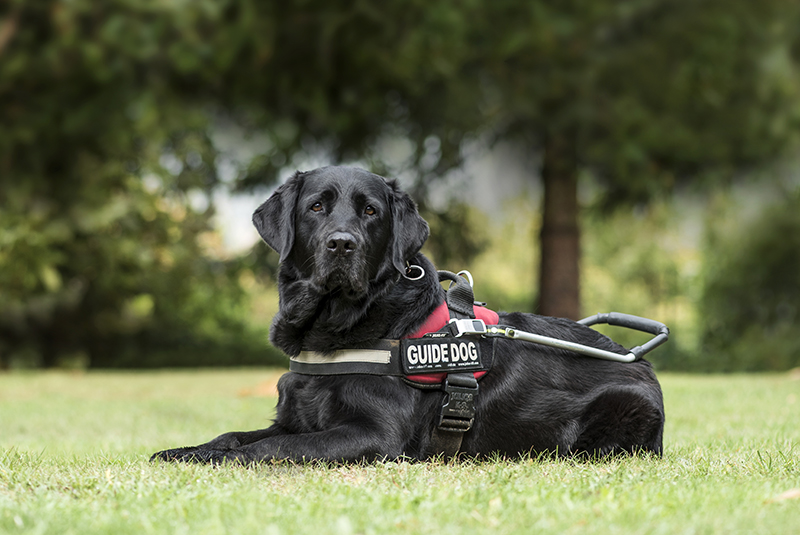
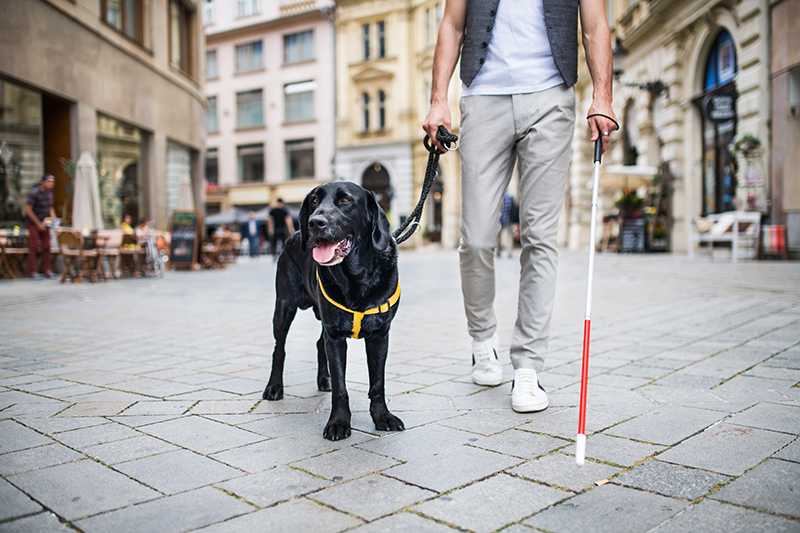
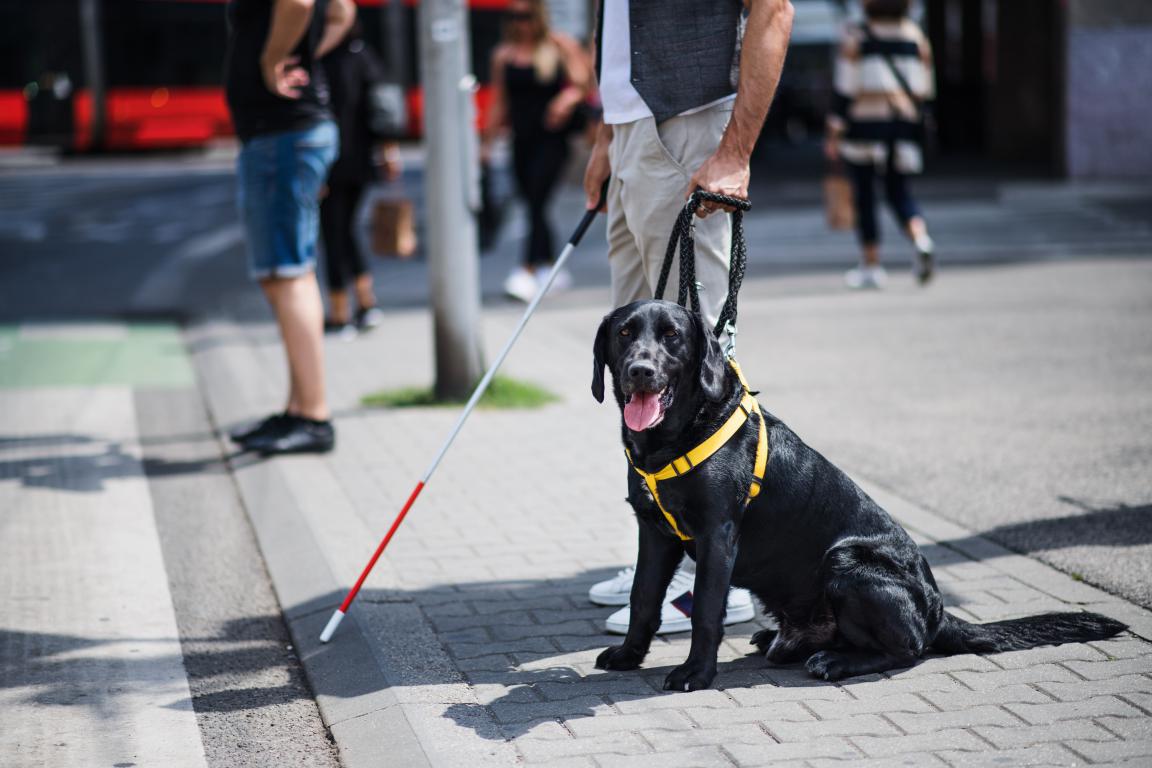
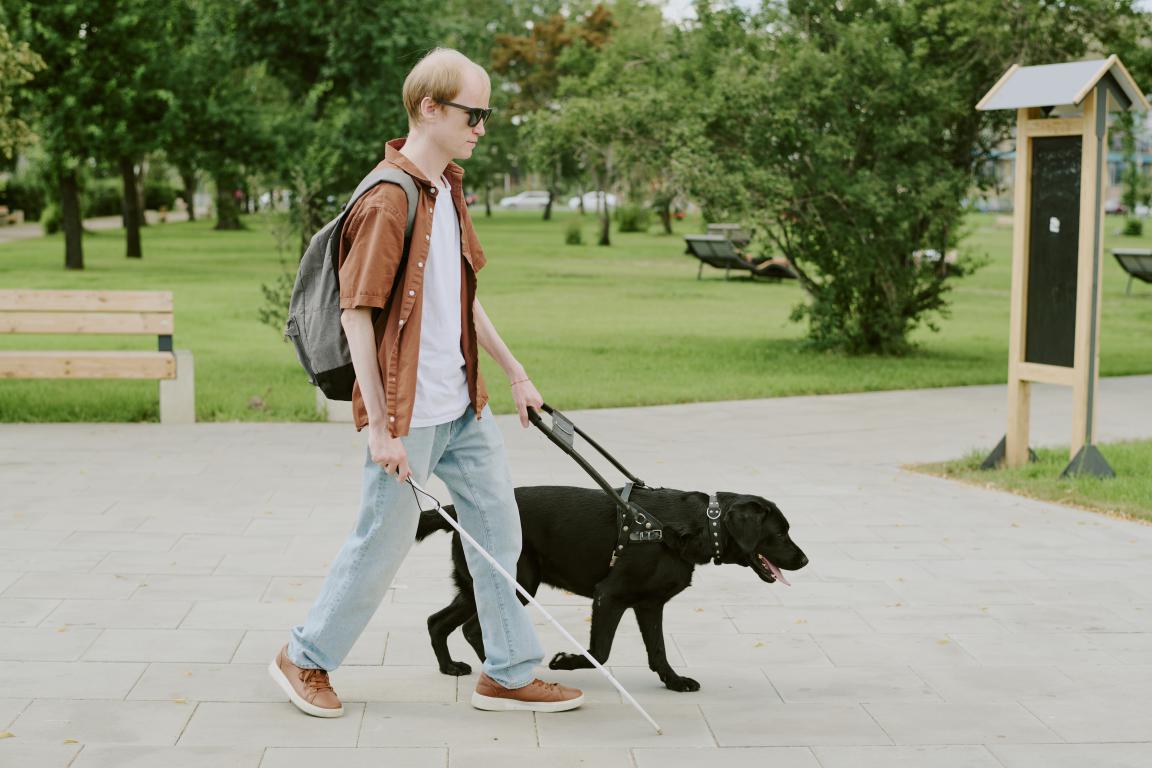
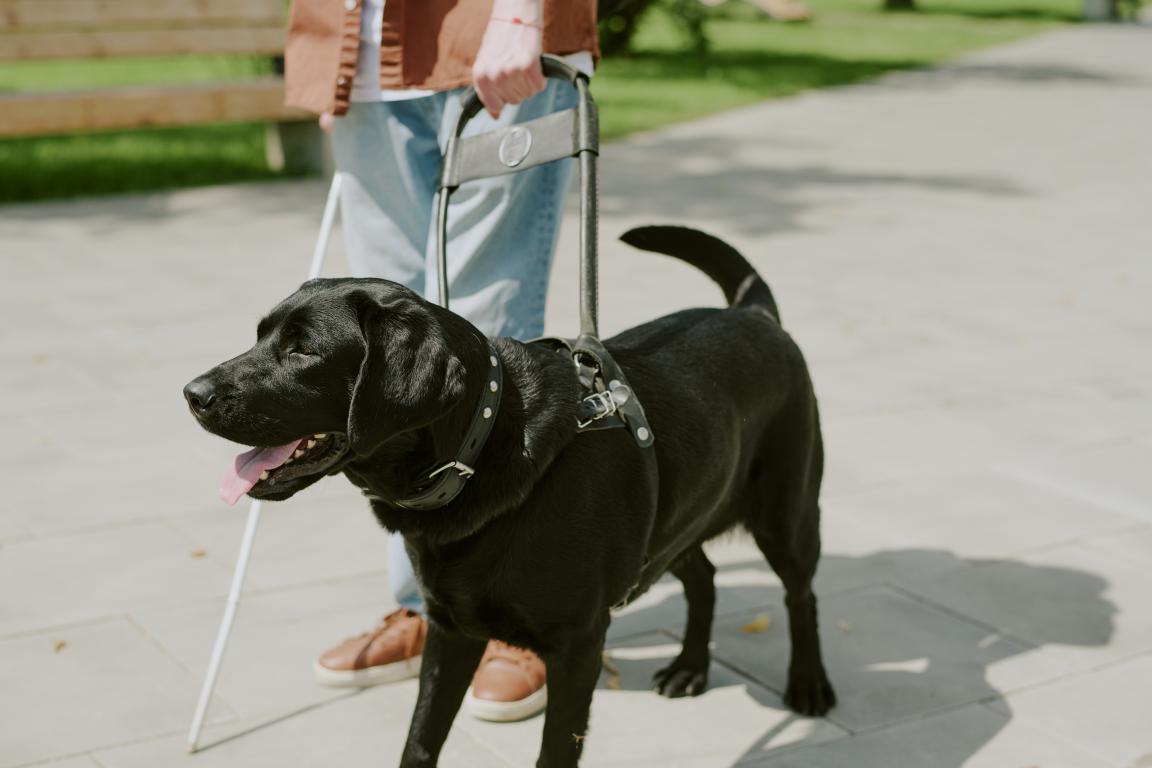
A guide dog is a dog specially trained to help someone who is blind or partially sighted get around safely. These dogs learn skills like stopping at kerbs, avoiding obstacles such as low branches or street furniture, and finding safe places to cross roads. The owner gives commands, and the dog uses its judgement to keep them both out of harm's way—this partnership builds over time and gives the owner much more confidence to travel independently.
The term assistance dog covers a wider range of dogs trained to help with different disabilities. Guide dogs are one type, but there are several others that carry out specific tasks to make daily life easier.
Here are some common types:
-
Hearing dogs support people who are deaf or hard of hearing by alerting them to key sounds around the home or outside. They might paw their owner or lead them to the source when the doorbell rings, a smoke alarm goes off, or a phone is ringing. This quick response helps owners stay aware of their surroundings and feel less isolated in everyday situations.
-
Mobility assistance dogs help people with physical disabilities by handling practical tasks that can be hard to manage alone. For example, they can pick up dropped items like keys or a phone, open or close doors, press buttons in lifts, or even help with undressing by pulling off socks or sleeves. These actions reduce physical strain and let owners do more without relying on others.
-
Medical alert or detection dogs are trained to spot early signs of medical issues using their strong sense of smell or by noticing behaviour changes. They might alert to low or high blood sugar in diabetes, the build-up to a seizure in epilepsy, or other conditions like severe allergies. The dog gives a clear signal—such as pawing or fetching help—so the owner has time to take medication or find a safe spot, which can prevent serious episodes.
-
Other specialist types include autism assistance dogs, which help with sensory overload or safety awareness for autistic people, and psychiatric assistance dogs, which support those with mental health conditions by interrupting anxiety or providing grounding tasks.
In UK law, under the Equality Act 2010, all these trained dogs count as assistance dogs if they perform tasks that directly ease the effects of a disability. This means owners have strong protections against discrimination when accessing public places, transport, work, or housing.
One important distinction: emotional support animals provide comfort through their presence but aren't trained for specific disability-related tasks. They don't qualify as assistance dogs under the law, so they lack the same automatic access rights—businesses or services might allow them as a reasonable adjustment in some cases, but there's no legal requirement.
Understanding these differences matters because it affects everything from training and matching to the rights you'll have as an owner.
The Everyday Role of a Guide Dog
Having a guide dog is all about teamwork. The dog takes care of safe navigation, while the owner stays in charge of directions and decisions. This partnership develops through daily practice and builds strong trust between you and your dog.
On a typical outing, the guide dog handles many practical challenges to keep things smooth and safe.
-
Avoiding obstacles: The dog steers you around things like parked cars, street furniture, bins, or people walking towards you. It also watches for overhead hazards, such as low branches or signs, and moves you out of the way to prevent bumps or trips. This constant awareness means you can walk at a steady pace without needing to scan everything yourself.
-
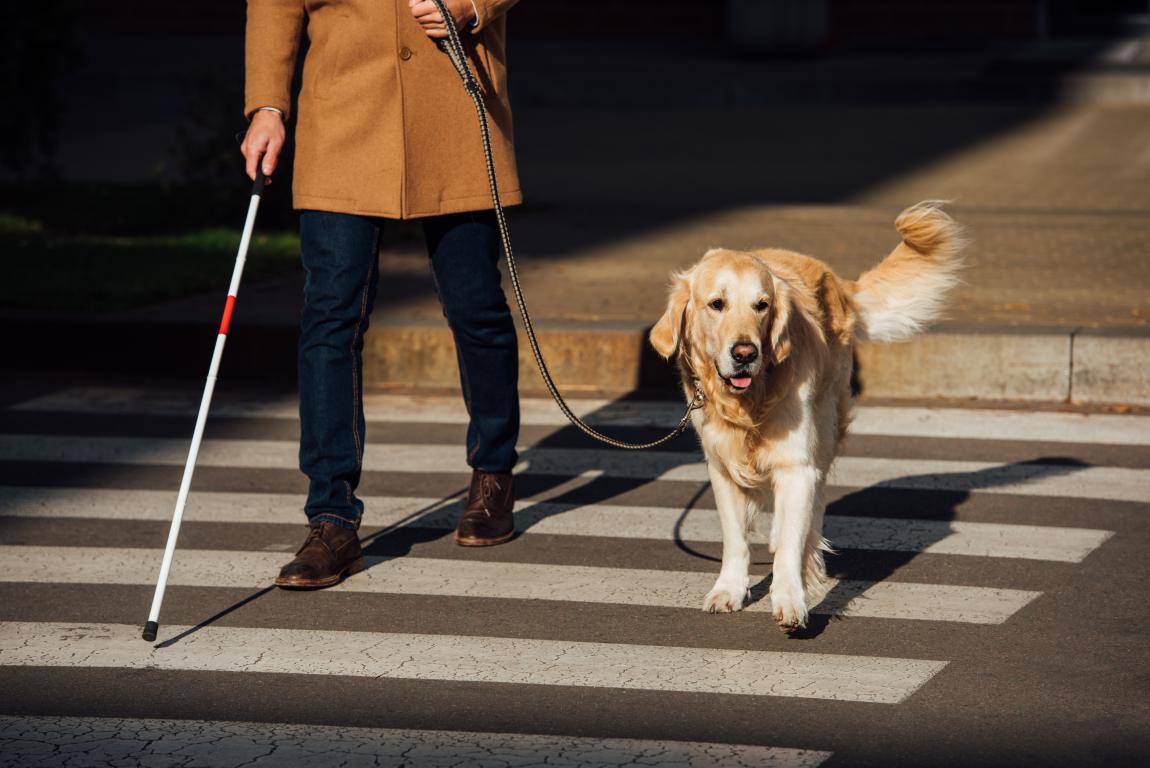
Handling kerbs and steps: The dog stops clearly at every kerb, step, or change in level so you can feel the position with your foot and decide when to move. At a road crossing, it lines you up straight with the opposite kerb, but you listen for traffic and judge if it's safe to go. The dog won't step forward if something feels wrong, like a vehicle approaching too close.
-
Finding key spots: Once you've taught a route a few times, the dog remembers and guides you to familiar places, such as a bus stop, shop door, pedestrian crossing button, or even a specific seat in a café. You give simple commands like "find the door" or "find left," and the dog targets it accurately. This makes regular journeys quicker and less stressful over time.
One of the smartest parts of a guide dog's training is something called intelligent disobedience. This means the dog can choose not to follow a command if it would put you in danger. For example, if you say "forward" at a crossing but a car is coming, the dog will stay put or move you back, no matter how many times you repeat the command. Or if there's a sudden hole in the pavement ahead, the dog will refuse to go that way and find a safer path instead. You learn to trust these signals and check what's happening.
How the Partnership Works Day to Day
You direct the dog with clear voice commands and handle movements—"forward" to start walking, "left" or "right" at turns, "steady" to slow down, or "find the seat" in a familiar place. The dog responds quickly but always uses its own judgement for safety.
At home or when not working, the dog is off-duty and can relax like any pet. But in the harness, it's focused on the job. You stay alert too—guide dogs don't read traffic lights, signs, or addresses, so you handle those parts using sounds, landmarks, or apps on your phone.
The Wider Impact on Daily Life
Many owners find that a guide dog does more than just help with getting around. It often brings a big boost in confidence, making it easier to head out for work, shopping, or visiting friends without worrying as much about routes or obstacles.
The dog can also act as a natural conversation starter—people often approach to ask about it, which helps reduce feelings of isolation that can come with sight loss. Over time, this companionship adds a real sense of support to everyday routines.
Of course, this all relies on the dog being well-trained and matched to your lifestyle, which the next section covers in more detail.
How Guide Dogs Are Trained and Matched
Getting a guide dog is a big step, and the process is designed to make sure it's the right fit for you and that you end up with a dog that suits your life perfectly. In the UK, the main provider is the charity Guide Dogs (also known as The Guide Dogs for the Blind Association), which supports most guide dog owners.
Starting the Application
It usually begins when you get in touch with Guide Dogs. You can phone them, fill in an online form, or ask someone to do it for you. They'll have an initial chat to understand your situation and explain what's involved.
From there, the process moves to assessments to check if a guide dog would help you and if you're ready for one.
-
Mobility assessment: A specialist visits you or meets you to look at how you get around now, using things like a long cane or any remaining sight. They walk some of your regular routes with you to spot where a dog could make a difference and identify any extra training you might need first, such as better orientation skills. This helps build a clear picture of your daily mobility and overall needs.
-
Guide dog-specific assessment: If the mobility check shows a dog could help, this next step focuses on whether a partnership would work long-term. It covers your lifestyle, home setup, health, and ability to care for a dog—things like exercising it daily, grooming, and feeding. They also check you can handle the responsibility of keeping the dog healthy and happy.
If everything lines up and you meet the criteria (like having a significant visual impairment that affects mobility), you'll be added to the waiting list for a match.
Waiting for a Match
Waiting times aren't fixed—they depend on your location, the type of dog that would suit you, and how many suitable dogs are ready at the time. It can range from several months to a couple of years, though some people get matched quicker if a good fit comes up sooner.
While you wait, Guide Dogs often provides other help, such as long cane training, orientation support, or advice on technology that aids mobility. This keeps your skills sharp and prepares you for working with a dog.
The Matching Process
Matching is taken very seriously because a strong partnership depends on the dog and owner being well-suited. Specialists consider several key factors to find the best possible pair:
-
Walking pace and energy levels: If you like brisk walks, they'll look for a dog that matches that speed and enthusiasm. A slower pace needs a calmer dog to avoid frustration on either side.
-
Lifestyle and routes: They think about your daily routines—do you use public transport a lot, live in a busy city, or walk rural paths? The dog needs to be confident in those environments.
-
Home and family: Your living space, whether you have other pets or children, and how much time the dog will spend at home all play a part. The goal is a comfortable fit for everyone.
-
Personality and preferences: You might have thoughts on breed, size, or gender, and these are noted where possible. The dog's temperament is assessed too, to ensure it complements yours.
You might meet one or more potential dogs before a final decision. This gives both you and the team a chance to see how you get on.
Training Together
Once a match is confirmed, the real teamwork starts with class training—usually around five weeks of intensive sessions tailored to you and your dog.
Training often begins in a structured setting, like a hotel or training centre, to focus on building the bond and basic skills. Then it shifts to your local area for practising real routes, like your commute or local shops.
You'll learn:
-
How to handle the harness and give clear commands.
-
Caring for the dog—feeding, grooming, health checks, and spending time off-duty.
-
Trusting the dog's judgement, including "intelligent disobedience" when it refuses a command for safety.
A mobility specialist works closely with you throughout, adjusting as needed.
Ongoing Support and Costs
After you qualify and go home together, support doesn't stop. Guide Dogs provides regular check-ups (often yearly or as needed), advice over the phone, and help with any issues that crop up.
The entire process—from breeding and training the dog to matching and lifelong support—is funded by public donations and fundraising. There's no cost to you as the owner, so finances aren't a barrier.
This thorough approach means that when you finally team up with your guide dog, you're set up for a successful, long-term partnership.
Your Legal Rights Under the Equality Act 2010
The main law that protects guide dog owners and others with assistance dogs in England, Scotland, and Wales is the Equality Act 2010. In Northern Ireland, similar protections come from the Disability Discrimination Act 1995 (as amended). These laws make it unlawful to discriminate against someone because of their disability, including when they are accompanied by an assistance dog.
At its core, the Equality Act requires service providers—such as shops, restaurants, pubs, hotels, cinemas, and transport operators—to treat disabled people fairly. Allowing access for an assistance dog is usually seen as a reasonable adjustment that they must make to their usual policies, like "no dogs allowed."
This has been the position for years, and heading into 2026, the core protections remain unchanged and strong.
Key Points About Your Rights
Here are some of the most important things to know about how the law works in practice:
-
No need for proof or ID: The law does not require you to show any documentation, training certificate, or ID card for your assistance dog. Many owners carry voluntary ID from their training charity for ease, but it's not a legal requirement. If the dog is trained to help with your disability and behaves appropriately, the protections apply.
-
Refusal is usually unlawful: Turning you away because of your assistance dog generally counts as disability discrimination. Common excuses like "no pets policy," customer allergies, fear of dogs, or hygiene concerns do not justify a refusal in most cases. The business must find ways to balance needs, such as reseating customers, rather than excluding you.
-
Rare exceptions exist: A refusal might be allowed if there's a genuine health and safety risk that can't be managed another way—for example, in certain sterile medical areas or zoos where dogs could distress animals. These situations are uncommon, and the business would need to prove why access couldn't be granted safely.
-
Extra rules for taxis and private hire vehicles: Drivers must carry your assistance dog without charging extra, unless they have a medical exemption certificate for severe allergies. Refusing without this can be a criminal offence, with fines possible.
Why These Rights Matter
These protections help make sure you can go about daily life—shopping, eating out, travelling, or working—without unnecessary barriers. Unfortunately, access refusals still happen more often than they should, often due to lack of awareness among staff. Surveys from organisations like Guide Dogs show that many owners face this at some point, which can knock confidence.
Knowing the basics of the law puts you in a stronger position to handle situations calmly if they arise. The following sections look at specific areas like public places, transport, housing, and work, plus what steps to take if you're denied access.
Access to Public Places and Services
As a guide dog owner, you have the right to take your dog into almost all places and services that are open to the public. This covers everyday spots like shops, eateries, entertainment venues, and even healthcare settings in most areas. The Equality Act 2010 makes it clear that refusing access because of your assistance dog is usually unlawful discrimination.
Common Places Where Access Applies
Your guide dog should be welcome in a wide range of public settings. Here are some typical examples:
-
Shops and supermarkets: You can browse and shop freely, with your dog by your side. Staff might need to adjust things like moving displays if they're in the way, but a blanket refusal isn't allowed.
-
Restaurants, cafés, and pubs: These are food-serving places, but assistance dogs are trained to high hygiene standards—they go to the toilet on command and don't scavenge. Businesses can't use general hygiene worries to turn you away.
-
Cinemas, theatres, museums, and galleries: Enjoy shows, films, or exhibits without leaving your dog behind. Venues often have space for dogs to settle quietly beside your seat.
-
Hospitals and clinics: Access is allowed in waiting areas, wards, and most outpatient spots. Restricted zones like operating theatres or certain intensive care units are exceptions for genuine health and safety reasons, but alternatives (like staff assistance) should be offered where possible.
-
Hotels, B&Bs, and holiday lets: You can stay with your dog in guest areas, rooms, and communal spaces. Charging extra "pet fees" or segregating you isn't permitted.
Businesses must treat you the same as other customers. They can't seat you in a less desirable area, provide slower service, or make you feel unwelcome just because of the dog.
Handling Common Concerns Like Allergies or Hygiene
Some places hesitate due to worries about customer allergies, staff fears, or cleanliness. The law expects them to find solutions rather than refuse entry outright.
-
Allergies: If another customer mentions a severe allergy, the business should make adjustments, such as seating you in a different part of the room or at separate tables. A complete ban or refusal based on possible allergies isn't reasonable—it's rare for this to justify exclusion.
-
Hygiene in food areas: Assistance dogs from accredited charities undergo strict health checks and training, making risks very low. Food hygiene rules don't override the Equality Act, so exceptions must be made.
-
Other issues like fear of dogs: Phobias or cultural concerns can't be used to deny access. Staff training helps here—many businesses display "assistance dogs welcome" signs to set expectations.
Despite these protections, surveys from Guide Dogs and other organisations show that many owners still face refusals, often from lack of staff knowledge. This can be frustrating and limit independence, but knowing your rights helps you respond calmly.
If a place has a "no dogs" policy, they must still make an exception for trained assistance dogs. The next section covers transport specifics, where rules are even stricter in some cases.
Guide Dog Transport Rights: Taxis, Buses, Trains and Planes
Getting around with a guide dog should feel straightforward, and the law provides strong protections across different types of transport. These rules come mainly from the Equality Act 2010, with some extra specifics for certain services. As of 2026, the core rights haven't changed, though awareness and enforcement continue to improve.
Taxis and Private Hire Vehicles (Including Ride-Hailing Apps Like Uber)
This is one of the strictest areas of the law—drivers have clear duties, and breaking them can be a criminal offence.
-
Must carry your dog: Licensed taxi (black cabs) and private hire drivers must accept your guide or assistance dog and let it stay with you. They can't refuse the journey or charge extra (no cleaning fees or surcharges allowed).
-
Medical exemptions only: The only legal reason to refuse is if the driver has a medical exemption certificate from their local licensing authority—usually for severe allergies or a condition worsened by dogs. They must display this certificate, and even then, the operator should arrange another vehicle.
-
Consequences for refusal: Refusing without a valid exemption is unlawful and can lead to prosecution. Drivers risk a fine up to £1,000 (level 3 on the standard scale), plus possible suspension or revocation of their licence. Many councils investigate complaints seriously, and ride-hailing companies must follow the same rules.
If you face a refusal, note the driver's details (badge number, vehicle registration) and report it to the local licensing authority or the app company. Charities like Guide Dogs can offer advice on next steps.
Buses, Coaches, Trams and Trains
Public transport operators generally make it easy for assistance dogs.
-
Full access allowed: Your dog can travel with you on buses, trams, trains, and coaches at no extra cost. There's no need to book ahead in most cases, though notifying for longer journeys can help secure space.
-
Seating and space: Dogs usually settle at your feet or in designated areas near priority seats. Staff should assist if needed, and most vehicles have room for dogs to lie down comfortably.
-
Quiet and well-behaved: As with all settings, your dog needs to stay under control, but trained assistance dogs rarely cause issues.
Problems here are less common than with taxis, but if they happen, speak to the operator's customer service—they're required to make reasonable adjustments.
Planes
Flying with a guide dog involves more planning, especially for international trips, but UK and EU rules support cabin travel.
-
UK and most airlines: Recognised assistance dogs travel in the cabin for free, usually at your feet (not on a seat). Airlines must accept them without charge, though you need to notify them at least 48 hours in advance—some ask for more notice.
-
Documentation and training proof: You might need to show evidence that your dog is from an accredited organisation (like Guide Dogs UK or another ADUK/IGDF member). Airlines can request confirmation of training standards for safety. A harness or jacket helps identify the dog.
-
International flights: Rules depend on the destination. For EU countries, follow pet travel scheme requirements (even for assistance dogs). Non-EU countries vary—some have quarantine or extra paperwork. Always check with the airline and destination early. When flying into the UK, assistance dogs avoid standard pet quarantine but may need health certificates.
-
Practical tips: Bring a safety harness for take-off and landing. Dogs get relief areas at many airports, and staff can guide you to them.
The Civil Aviation Authority (CAA) oversees these rules, and complaints can go through them if needed.
Overall, transport rights are designed to keep you moving independently. Refusals still occur, often from lack of driver or staff knowledge, but reporting them helps improve things for everyone. The next sections cover housing, work, and what to do if access is denied.
Housing and Accommodation
Finding a place to live shouldn't become harder just because you have a guide dog. The law in the UK treats assistance dogs differently from ordinary pets, giving strong protections to make sure you can rent or stay somewhere suitable.
Rights in Rental Housing
The Equality Act 2010 (or the Disability Discrimination Act 1995 in Northern Ireland) applies to landlords, letting agents, housing associations, and private rentals. It requires them to avoid discriminating against disabled people, including those who rely on a guide or assistance dog.
-
No refusal based on the dog: A landlord cannot turn down your tenancy application or try to evict you simply because of your guide dog. This counts as disability discrimination in most cases.
-
"No pets" clauses don't apply: Even if the tenancy agreement has a blanket ban on pets, assistance dogs aren't classed as pets—they're seen as an auxiliary aid that helps with your disability. The landlord must make a reasonable adjustment by ignoring or changing that clause to allow your dog.
-
No extra charges: You shouldn't face higher rent, additional deposits, or cleaning fees because of the dog. Asking for these could be seen as discriminatory.
These rules cover private landlords, social housing providers, and letting agencies. If you're already a tenant and get matched with a guide dog, the same protections mean your landlord has to adjust the agreement.
Problems can still arise, often because landlords or agents aren't fully aware of the law. In those situations, explaining your rights calmly—or getting advice from organisations like Guide Dogs—can help sort things out.
Staying in Hotels, B&Bs, and Short-Term Accommodation
Temporary stays are covered too, as hotels and similar places count as service providers under the Equality Act.
-
Access with your dog: You have the right to bring your guide dog into guest rooms, communal areas, and facilities like restaurants or lounges.
-
No extra fees: They can't charge pet fees, cleaning surcharges, or restrict you to certain rooms because of the dog.
-
Same treatment as other guests: You should get the same level of service, without being segregated or made to feel unwelcome.
Again, trained assistance dogs are hygienic and well-behaved, so common concerns like allergies or damage don't usually justify a refusal—the provider needs to find ways to manage those instead.
These housing rights help ensure that having a guide dog doesn't limit your choices when it comes to where you live or stay. If you do face issues, the next section explains practical steps for handling denied access in any setting.
Workplaces and Education
The Equality Act 2010 covers employment and education too, meaning employers and education providers have a duty to support disabled people, including those with guide or assistance dogs. Allowing your dog to come with you is often seen as a reasonable adjustment that helps you do your job or studies on equal terms.
In the Workplace
Many employers are happy to welcome guide dogs, and in most cases, it's straightforward to make it work.
-
Legal duty to adjust: If having your guide dog helps you carry out your role, your employer must consider it as a reasonable adjustment. This could mean letting the dog settle under your desk, providing a quiet relief area, or briefing colleagues about not distracting the dog while it's working.
-
Discussing practical details: Things like office layout, open-plan spaces, or shift patterns might need a quick chat to sort out. For example, if your workplace has tight areas or lots of foot traffic, simple changes like a designated spot for the dog can resolve it. Refusing access would need a very strong reason, and general worries like allergies or phobias among staff usually aren't enough—the employer should find ways to manage those instead.
-
Starting the conversation: If you're applying for a job or already working somewhere, it's best to mention your guide dog early. Many people share positive stories of supportive workplaces once everyone understands the dog's role.
In practice, guide dogs are quiet, clean, and well-trained, so issues are rare. Organisations like Guide Dogs can offer advice or even workplace assessments to help smooth things along.
In Education
Schools, colleges, and universities generally accommodate guide dogs well, recognising how much they support independent learning.
-
Higher and further education: Universities and colleges must make reasonable adjustments, which almost always includes allowing your guide dog into lectures, libraries, seminars, and halls of residence. Many have clear policies welcoming assistance dogs, and you can discuss things like relief areas or exam arrangements in advance.
-
Access across campus: Your dog can join you in most teaching spaces, social areas, and accommodation. Some places provide extra support, like orienting staff or mapping routes, to make everything easier.
-
Schools (for younger students or parents): If a child relies on a guide dog, it's often part of their Education, Health and Care Plan, and the school has to consider it seriously. For parents dropping off or attending events, access should be granted too, with adjustments where needed.
As with work, the focus is on what’s reasonable—trained guide dogs pose minimal disruption, and education providers are used to making these changes.
If you're heading into a new job or course, reaching out to occupational health, HR, or student support services early gives everyone time to prepare. The next section covers what to do if access is denied anywhere.
What to Do If You're Denied Access
Even though the law is clear, access refusals for guide dog owners still happen more often than they should. Most come down to staff or drivers not knowing the rules, rather than deliberate discrimination. Staying calm and informed usually helps resolve things on the spot, but it's good to know your options if it doesn't.
Handling the Situation in the Moment
If someone tells you that your guide dog can't come in or travel with you, try these steps first—they often sort things out quickly.
-
Stay polite and explain the law: Calmly say something like, "Under the Equality Act 2010, it's unlawful to refuse access to an assistance dog like my guide dog. They're not pets and are trained to the highest standards." Many people back down once they hear this, especially if you mention the Act by name.
-
Ask to speak to a manager or supervisor: Front-line staff might not know the policy, but someone higher up often does. Politely request the person in charge and explain again. This alone resolves a lot of issues.
-
Offer information if you have it: Carrying a voluntary ID card from Guide Dogs or a small info leaflet can help. It's not required by law, but it reassures people and speeds things up.
Gathering Details
If the refusal continues, make a note of what happened while it's fresh—this is useful if you decide to take it further.
-
Key information to record: Note the date, time, exact location (including branch name), names or descriptions of staff involved, and what was said. For taxis or private hire, get the driver's badge number, vehicle registration, and company details.
-
Witnesses and evidence: If possible, ask if anyone nearby saw what happened. You could also politely film or record the conversation (as long as you're in a public place where there's no expectation of privacy).
Next Steps After the Incident
You have several ways to report or challenge a refusal, depending on the situation.
-
Complain to the business first: Most companies have a complaints process—use their website, app, or customer service line. Explain what happened and reference the Equality Act. Many resolve things quickly with an apology, staff training, or compensation like vouchers. This is often the fastest route.
-
Report taxi or private hire refusals: Contact the local council's licensing authority (you can find details on their website). Refusal without a valid medical exemption is a criminal offence, and councils take these reports seriously—they may investigate and fine the driver.
-
Get help from specialist organisations: Guide Dogs and other assistance dog charities offer free advice and support. They can write letters on your behalf, contact the business, or guide you through formal complaints. Their campaigns also track refusals to push for better awareness.
-
Contact the Equality and Human Rights Commission (EHRC): For England, Scotland, and Wales, the EHRC can investigate serious cases or provide advice. In Northern Ireland, it's the Equality Commission for Northern Ireland (ECNI).
-
Legal action as a last resort: You can claim disability discrimination in the county court (or sheriff court in Scotland). There's a six-month time limit from the incident (minus one day). Many cases settle out of court with compensation and policy changes, but you might want advice from a solicitor specialising in discrimination law first. Some charities help with this too.
Most owners find that polite explanation or a formal complaint fixes the problem without needing court. Reporting incidents also helps improve training across businesses and transport providers over time.
Responsibilities as a Guide Dog Owner
Having a guide dog brings valuable rights, but those rights depend on public trust. People and businesses are far more likely to welcome your dog if it's clear the dog is well-behaved and you're a responsible owner. Looking after your dog's health, behaviour, and cleanliness isn't just good practice—it's essential for keeping access smooth for everyone with an assistance dog.
Key Responsibilities in Public
When you're out and about, a few straightforward habits make all the difference.
-
Keeping your dog under control: Your guide dog should stay calm and focused at all times, whether in the harness or off-duty. It shouldn't bark, jump up, sniff food displays, or approach other people or animals without permission. This controlled behaviour reassures staff and customers and prevents any disruption.
-
Maintaining cleanliness and hygiene: Assistance dogs are held to high standards, so regular grooming, flea treatment, and bathing keep the coat clean and odour-free. A quick brush before heading out helps, and most owners carry a small towel or mat for the dog to lie on if needed.
-
Managing toileting: Always spend time for your dog to relieve itself ("busy" in guide dog terms) before going into buildings or onto transport. Carry plenty of poo bags and clean up immediately if there's an accident. This simple step addresses one of the most common concerns businesses have.
Health and Welfare
Your dog's fitness directly affects its ability to guide safely, so ongoing care matters.
-
Regular vet checks and vaccinations: Guide dog charities arrange annual health checks and cover routine costs, but you're responsible for spotting any day-to-day issues—limping, changes in appetite, or coat condition—and reporting them promptly.
-
Feeding and exercise: Follow the charity's guidelines on diet to keep your dog at the right weight—overweight dogs can struggle with long routes or stairs. Daily free-running exercise (off-harness play) keeps them physically and mentally healthy.
-
Damage or incidents: Though very rare with properly trained dogs, you're responsible for any damage your dog causes, such as chewing furniture or scratching. Good insurance (often provided or recommended by the charity) can cover this.
These responsibilities aren't about extra burdens—they're part of the partnership that keeps your dog happy and effective. Meeting them consistently helps maintain positive attitudes towards guide dogs in public spaces and supports campaigns for better access.
Other Support Available
Not everyone with sight loss wants or needs a guide dog. Plenty of other options can help you stay independent and get around confidently. Charities like Guide Dogs UK and the Royal National Institute of Blind People (RNIB) offer a range of services tailored to different needs. Local councils also provide rehabilitation support through sensory teams.
Here are some common alternatives:
Long cane training and other mobility aids
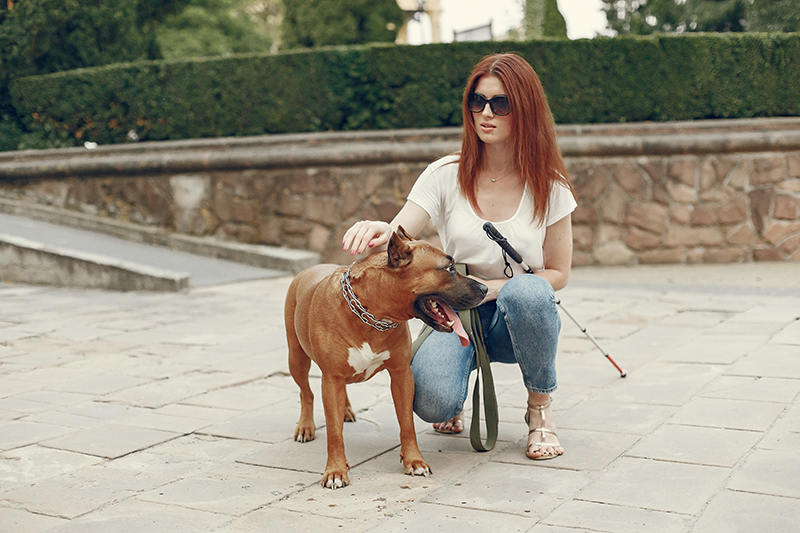
Many people find a long white cane gives them the freedom to navigate independently. A qualified rehabilitation specialist teaches you techniques like sweeping the cane to detect obstacles, kerbs, and steps. This training usually comes from your local council's sensory team or a sight loss charity. It builds confidence quickly and lets you explore familiar routes on your own. Symbol canes (shorter ones that just signal your sight loss) or guide canes (for basic protection) are other options, depending on how much support you need.
Orientation and mobility support
Specialists can help you learn routes, use remaining vision effectively, and improve general mobility without a dog or cane. This might include practising in your local area, advice on lighting, or strategies for busy environments. Guide Dogs UK and local societies often provide this as part of their broader rehabilitation services. It's particularly useful if you're newly diagnosed or your sight has changed recently.
Sighted guiding and volunteer support
If you prefer company when out and about, some areas still offer volunteer-led sighted guiding. Trained volunteers act as a human guide, helping you get to shops, appointments, or social events. Although Guide Dogs UK phased out their national My Sighted Guide programme in recent years due to costs, many local sight loss groups or RNIB Connect communities run similar buddy or befriending schemes. It's a good way to reduce isolation while building your own skills over time.
Technology and apps
Modern tech has opened up new ways to get around and manage daily life. Many smartphones have built-in accessibility features like voice guidance, magnification, or screen readers.
Popular options include:
-
GPS apps such as Lazarillo, Microsoft Soundscape, or GoodMaps Explore, which describe surroundings and guide you turn-by-turn.
-
Object recognition apps like Seeing AI or Envision, which read text, identify colours, or describe scenes using your phone's camera.
-
Wearable devices, including smart glasses that provide audio feedback on obstacles or text.
-
Beacons in some shops or stations that link to apps for indoor navigation.
Guide Dogs UK runs programmes like Tech for All to help families get started with devices, while RNIB offers advice and trials through their technology team. Starting small with free apps often makes a big difference.
Emotional and practical advice services
Sight loss affects more than just mobility. Charities provide counselling, peer support groups, and helplines for talking things through.
RNIB's helpline (0303 123 9999) is a great first port of call – they can connect you to local resources, benefits advice, or emotional support. Guide Dogs UK offers family events, children and young people services, and information on eye conditions. Many people find joining a local sight loss group helps with sharing tips and making friends.
The best starting point is to contact a charity or your GP for a referral to local sensory services. They can assess what suits you best, often at no cost. In 2026, these options continue to evolve, with more emphasis on tech and community-led support.
Guide dogs change lives by providing independence and companionship. Knowing your rights – and the alternatives available – helps you make the most of whichever path works for you.
Published: 1 January 2026
© 2024 The Card Project Uk Ltd
VAT: 453 2087 06
|