TTTT Made Simple: Spotting the Signs of Type 1 Diabetes in Children
Published: 21 January 2026
If you're a parent and you've noticed your child drinking far more than usual, going to the toilet constantly (or even starting to wet the bed again after being dry at night), seeming exhausted all the time, or looking noticeably thinner without any obvious reason, it's completely understandable to feel worried. These changes can appear quite quickly in children — sometimes over just a few days or weeks — and they are the classic early signs of type 1 diabetes.
This guide is written especially for parents in the UK who are concerned about these symptoms and want straightforward, reliable information. We focus on the four key signs that healthcare professionals and organisations like Diabetes UK and the NHS call the 4Ts:
-
Toilet — going to the toilet a lot more often (especially at night), starting to wet the bed if they were previously dry, or (in younger children) suddenly having much heavier nappies
-
Thirsty — feeling extremely thirsty all the time and drinking lots more fluids, but still not feeling satisfied
-
Tired — being unusually tired, lacking energy, or seeming worn out even after rest
-
Thinner — losing weight without trying, or looking noticeably thinner than before
These four signs are the most common indicators of undiagnosed type 1 diabetes in children. Type 1 diabetes happens when the body's immune system attacks the cells in the pancreas that make insulin — the hormone needed to turn food into energy. Without enough insulin, sugar builds up in the blood, which causes these symptoms. The good news is that when spotted early and treated quickly (usually with insulin and support from a specialist team), children can go on to live full, active lives.
The aim of this guide is simple: to help you recognise these signs clearly, understand why they happen, know when it's important to get medical help (and how urgently), and feel more prepared about what might come next. Spotting the signs early can prevent a serious complication called diabetic ketoacidosis (DKA), which can develop if high blood sugar goes untreated for too long — so acting promptly really matters.
We'll go through each of the 4Ts one by one, explaining what to look out for, how it differs from normal childhood ups and downs, other possible signs that sometimes appear alongside, and the practical steps to take if you're concerned. At the end, there's a section on next steps, including where to get support from trusted UK organisations.
Table of Contents
Toilet: Frequent Urination and What It Might Mean
One of the earliest and most noticeable changes many parents spot when a child is developing type 1 diabetes is that they're suddenly going to the toilet much more often — and producing a lot more urine than usual. This is often the first of the 4Ts that stands out because it's hard to miss.
In babies and toddlers, you might notice nappies are much heavier and need changing far more frequently, even if feeding hasn't increased. In older children who are toilet-trained, it can mean asking to go to the loo every hour or so, getting up several times at night to wee, or — very commonly — starting to wet the bed again after months or years of being dry at night. Some parents describe it as their child "living in the bathroom" or seeming to drink and wee in a constant cycle.
Why does this happen?
Type 1 diabetes means the body isn't making enough insulin, so sugar (glucose) from food builds up in the blood instead of being used for energy. The kidneys work hard to get rid of this extra sugar by flushing it out in urine — and to do that, they pull extra fluid from the body. This creates large amounts of sugary urine, which makes your child need to wee more often and in bigger volumes. It's the body's way of trying to correct high blood sugar, but it leads to dehydration if it goes on, which then triggers the extreme thirst (the next T).
How is this different from normal?
Children do sometimes wee more if they've had a lot to drink, during a growth spurt, or with a urine infection — but with diabetes, the increase is usually dramatic and persistent. It often comes alongside the other signs (thirst, tiredness, weight loss) rather than on its own. A urine infection might cause pain or burning when weeing, or a temperature, which isn't typical in early diabetes.
Other clues to look out for
-
The urine might smell sweeter or stronger than usual (because of the extra sugar).
-
In girls, there can sometimes be genital itching or thrush-like symptoms because high sugar levels encourage yeast growth.
-
If your child seems unusually irritable or unwell on top of the frequent weeing, that's another reason to take it seriously.
What should you do if you're seeing this?
Don't wait to see if it settles down — especially if it's happening with any of the other 4Ts. Contact your GP surgery for an urgent same-day appointment, or call NHS 111 for advice if it's out of hours. They can do a quick finger-prick blood glucose test (which takes seconds) and often check a urine sample for sugar and ketones. Many parents find it helpful to take a fresh urine sample along to the appointment in a clean pot.
If symptoms are coming on very quickly — your child is weeing constantly, looks dehydrated (dry lips, sunken eyes), is vomiting, has tummy pain, is breathing fast/deep, or seems drowsy/confused — go straight to A&E or call 999 for an ambulance. These can be signs of diabetic ketoacidosis (DKA), a serious but treatable complication that needs urgent hospital care. Early action almost always prevents this from happening.
You're not overreacting by checking this out. Parents who notice these changes and get help quickly often say it gave their child the best possible start — catching type 1 diabetes before it becomes an emergency means treatment can begin straight away, and most children recover very well.
Thirsty: Extreme Thirst and Increased Drinking
Another very common early sign that parents often notice — usually right alongside the frequent trips to the toilet — is that their child becomes extremely thirsty. They might drink far more than usual, ask for drinks constantly, finish glasses or bottles very quickly, or even wake up at night desperate for water. Some parents describe it as their child "drinking non-stop" or saying things like "I can't stop being thirsty" even after having a big drink.
In younger children who can't always explain how they feel, you might spot them going straight for drinks as soon as they wake up, preferring water or squash over food, or seeming generally restless until they've had something to drink. It's not just a bit more thirsty after play or on a hot day — it's an intense, ongoing thirst that doesn't seem to go away no matter how much they drink.
Why does this happen?
As we mentioned in the Toilet section, without enough insulin, sugar builds up in the blood. The kidneys pull extra fluid to flush this sugar out as urine, which leads to dehydration. The body then signals intense thirst to try to replace the lost fluid. It's a direct knock-on effect from the high blood sugar and the frequent weeing — the more they wee, the more dehydrated they become, and the thirstier they feel. This cycle can get quite severe quite quickly in children.
How is this different from normal thirst?
Most children get thirsty after running around, in warm weather, or if they're eating salty foods — but that thirst usually settles after a normal drink. With type 1 diabetes, the thirst feels overwhelming and persistent. Your child might drink large amounts (some older children or teens report drinking several litres a day) and still feel parched. It often pairs with the other signs, like constant toilet trips or tiredness, rather than happening in isolation. Things like a tummy bug or hot spell might cause temporary thirst, but it doesn't usually last or come with weight loss or extreme fatigue.
Other clues to look out for
-
Dry lips or mouth, even after drinking.
-
Sometimes a preference for cold drinks or sucking on ice.
-
In some cases, mild headaches or feeling "foggy" from the dehydration.
-
The thirst might wake them at night, or they might take drinks to bed and still wake up thirsty.
What should you do if you're seeing this?
If your child is showing extreme thirst — especially combined with any of the other 4Ts like frequent weeing, unusual tiredness, or looking thinner — treat it as important and get it checked promptly. Ring your GP for an urgent appointment (same day if possible), or call NHS 111 for advice if it's evenings or weekends. They can do a quick finger-prick blood test to check glucose levels, and bringing a urine sample (in a clean container) can help them spot sugar or ketones straight away.
If the thirst is part of a picture where your child is getting worse fast — they're very dehydrated (sunken eyes, dry mouth, no tears when crying, drowsy), vomiting, having tummy pain, breathing fast or deeply, or seeming confused — don't wait. Go straight to A&E or call 999 for an ambulance. These can be warning signs of diabetic ketoacidosis (DKA), where the body starts breaking down fat for energy and acids build up in the blood. DKA is serious but treatable if caught early, and acting quickly usually means your child avoids it altogether.
Remember, noticing these changes and getting help is exactly what good parents do. Many families who've been through this say the thirst was one of the hardest things to watch because their child just couldn't get comfortable — but getting a diagnosis and starting treatment turns that around remarkably fast. You're not being alarmist; you're being attentive, and that's what can make all the difference.
Tired: Unusual Fatigue and Low Energy
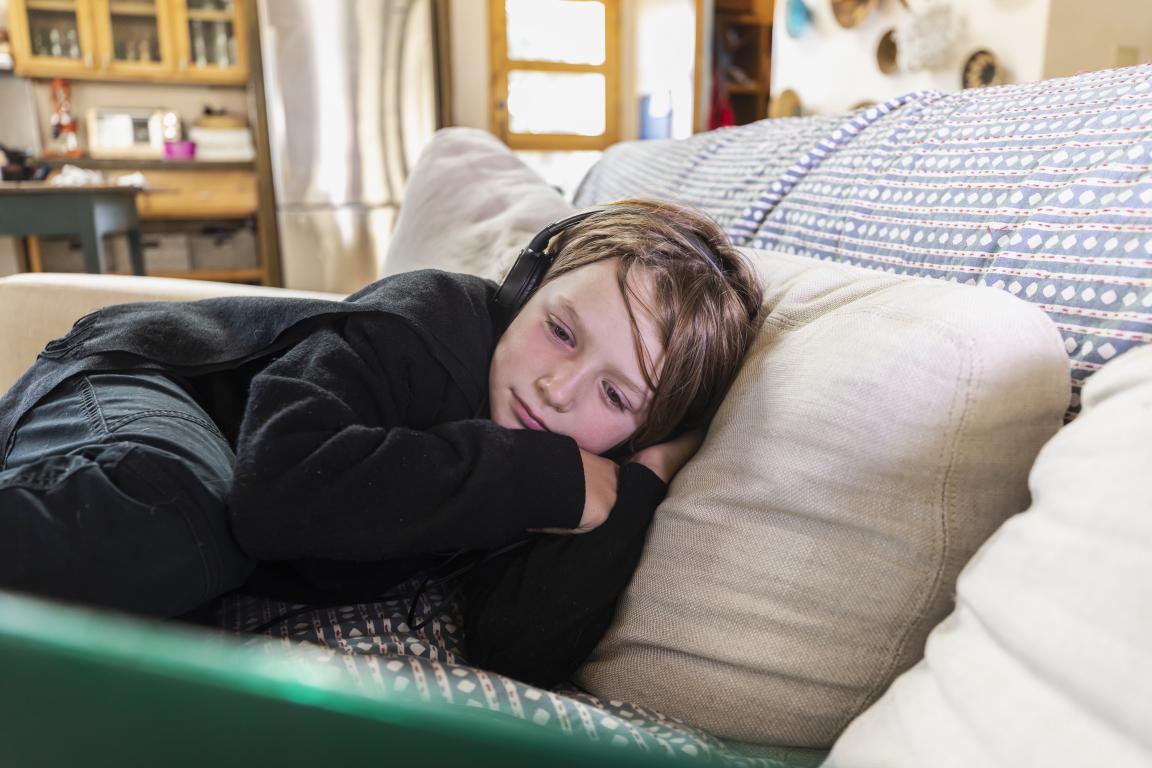
Along with the frequent toilet trips and constant thirst, one of the signs that often worries parents most is how exhausted their child suddenly seems. They might be unusually tired all the time — lacking their usual energy, not wanting to play as much, getting grumpy or irritable more easily, or even falling asleep during the day when they wouldn't normally. In school-age children, teachers sometimes notice first: the child struggling to stay awake in class, seeming "zoned out", or not joining in with games or PE like before. Younger ones might nap for longer than usual, seem listless, or just want to lie down a lot.
Parents often describe it as their child "not being themselves" — they look worn out even after a good night's sleep, and rest doesn't seem to help much. It's more than the normal tiredness after a busy day or a late night; it's a persistent, heavy fatigue that drags them down.
Why does this happen?
Without enough insulin, the body can't properly use glucose (sugar from food) for energy. Glucose builds up in the blood instead of getting into the cells where it's needed to fuel activity, thinking, and growth. The cells essentially "starve" for energy, even though there's plenty of sugar around — that's why your child feels so drained and low on energy. The dehydration from all the extra weeing (and the effort the body puts into trying to flush out the sugar) adds to the tiredness too. In children, this can come on quite quickly because their bodies are still growing and active, so the lack of usable energy shows up fast.
How is this different from normal tiredness?
All children get tired sometimes — after school, sports, or a growth spurt — and a good sleep usually sorts it. But with type 1 diabetes, the fatigue feels deeper and more constant. It doesn't improve much with rest, and it often gets worse over days or weeks rather than coming and going. It usually comes hand-in-hand with the other 4Ts (thirst, frequent weeing, weight loss) instead of being on its own. Things like a viral illness might make a child tired for a few days, but if it's diabetes-related, the tiredness lingers and worsens alongside the thirst and toilet changes.
Other clues to look out for
-
Irritability or mood changes — feeling cross or emotional more easily because of low energy.
-
Trouble concentrating at school or seeming "foggy".
-
Less interest in favourite activities or play.
-
Sometimes blurred vision (from high blood sugar affecting the eye lens temporarily).
-
In some cases, a fruity smell on the breath (like pear drops or nail polish remover) if things are progressing.
What should you do if you're seeing this?
If your child is showing this unusual tiredness — particularly if it's paired with any of the other 4Ts like drinking a lot, weeing constantly, or looking thinner — don't put it down to "just being a phase". Contact your GP for an urgent same-day appointment, or call NHS 111 if it's out of hours. Mention you're worried about possible type 1 diabetes — they can do a simple finger-prick blood glucose test in minutes, and checking a urine sample for sugar or ketones is often useful too (bring one in a clean pot if you can).
If the tiredness is part of a bigger, faster decline — your child is very drowsy or hard to wake, vomiting, having tummy pain, breathing fast or deeply (like they're out of breath even at rest), or seeming confused — treat it as an emergency. Go straight to A&E or call 999 for an ambulance. These are possible signs of diabetic ketoacidosis (DKA), where acids build up because the body starts breaking down fat for energy without enough insulin. DKA is serious, but hospitals treat it quickly and effectively when caught early — and getting help at this stage prevents most children from reaching that point.
It's heartbreaking to see your child so wiped out and not knowing why, but recognising this as a potential sign is one of the best things you can do. Families who've been through it often say that once treatment starts (usually insulin via injections or pump), the energy comes back remarkably quickly — children bounce back and feel like themselves again in days. You're paying close attention, and that's exactly what helps catch type 1 diabetes early.
Thinner: Unexplained Weight Loss
The fourth of the 4Ts — and often one of the more alarming ones for parents — is when a child starts losing weight without any obvious reason, or simply looks noticeably thinner than before. Clothes that fitted perfectly a few weeks ago might suddenly hang loosely, belts need tightening, or you can see ribs or cheekbones more clearly when dressing or bathing them. In growing children who are usually putting on weight steadily, this sudden drop stands out sharply.
Parents sometimes notice it gradually at first — perhaps the face looks drawn, arms seem slimmer, or the child complains that trousers keep slipping down. In some cases, it's dramatic and quite rapid, happening over just days or a couple of weeks. It's not from dieting, being more active, or a tummy bug; it's unexplained and often comes despite the child eating normally (or even seeming hungrier than usual in some cases).
Why does this happen?
In undiagnosed type 1 diabetes, the body can't use glucose properly for energy because there's not enough insulin. So, even though food is being eaten, the cells aren't getting the fuel they need. To compensate, the body starts breaking down its own fat and muscle stores for energy — a process called catabolism. This leads to weight loss, often quite quickly in children because their metabolism is faster and they're still growing. The frequent weeing and dehydration from the earlier Ts can make the loss look even more pronounced, as the body loses fluid too.
How is this different from normal weight changes?
Children can lose a little weight during an illness like a cold or gastroenteritis, or fluctuate slightly with growth patterns — but those changes are usually temporary and explained. With type 1 diabetes, the weight loss is persistent and unexplained, often speeding up over time rather than settling. It typically pairs with the other signs (thirst, frequent weeing, tiredness) instead of happening alone. Normal growing kids gain weight steadily; a sudden or steady drop without reason is a red flag, especially if clothes are looser or the child looks "thinner" overall.
Other clues to look out for
-
Increased hunger in some children (they might ask for more food but still lose weight because the body isn't using it properly).
-
Muscle wasting — arms or legs looking less "filled out".
-
Sometimes a fruity smell on the breath (like pear drops or nail varnish remover) if the condition is advancing and ketones are building up.
-
General unwell appearance — pale, drawn face, or seeming weaker.
What should you do if you're seeing this?
If your child is losing weight or looking thinner without trying — particularly alongside any of the other 4Ts like constant thirst, lots of weeing, or unusual tiredness — get it checked urgently. Contact your GP for a same-day appointment if possible, or call NHS 111 for guidance outside normal hours. Explain your concerns about possible type 1 diabetes; they'll usually do a quick finger-prick blood glucose test on the spot, and checking a urine sample (bring one in a clean container) can show sugar or ketones immediately.
If the weight loss is part of a rapid worsening — your child is vomiting, has severe tummy pain, is breathing fast or deeply (like sighing breaths), seems very drowsy or hard to rouse, or is confused — this is an emergency. Go straight to A&E or call 999 for an ambulance right away. These could indicate diabetic ketoacidosis (DKA), where the body produces dangerous acids from breaking down fat without insulin. DKA is serious but hospitals are very experienced at treating it quickly — and spotting the signs early means most children never get to that stage.
It's upsetting to watch your child lose weight and not understand why, especially when they're meant to be growing. But noticing this change and acting on it is incredibly important — early diagnosis means insulin treatment can start promptly, the weight loss stops almost immediately, and children usually regain their strength and normal growth very quickly. You're doing the right thing by being aware and seeking help.
Next Steps: Getting Help, Diagnosis and Support
If you've noticed one or more of the 4Ts in your child — frequent weeing, extreme thirst, unusual tiredness, or unexplained weight loss — the most important thing is to act quickly. These signs can develop over just a few days or weeks in children, and getting help early makes a huge difference. It means your child can start treatment before things become more serious, like developing diabetic ketoacidosis (DKA).
What to do right now
-
If your child has any of the 4Ts (especially if more than one is present), contact your GP surgery for an urgent same-day appointment. Tell the receptionist you're worried about possible type 1 diabetes — most practices will prioritise this.
-
If it's out of hours, evenings, weekends, or you're not sure, call NHS 111 (or use the 111 online service at 111.nhs.uk). They can give advice and arrange for you to be seen quickly.
-
Bring a fresh urine sample in a clean container if you can — it's quick to check for sugar and ketones. A simple finger-prick blood glucose test at the GP or clinic takes seconds and can confirm high levels straight away.
If tests show high blood glucose, you'll usually be referred to a specialist paediatric diabetes team at your local hospital the same day or very soon after. They'll do more checks to confirm type 1 diabetes (it's the most common type in children), explain what's happening, and start insulin treatment right away. Most children stay in hospital for a short time (often 1–3 days) while the team teaches you and your child how to manage injections (or a pump), blood glucose checks, carb counting, and spotting highs/lows. It can feel overwhelming at first, but the team — including diabetes specialist nurses, doctors, dietitians, and psychologists — will support you every step.
When it's an emergency
If your child is getting worse quickly — vomiting, severe tummy pain, fast/deep breathing (like sighing breaths), very drowsy or hard to wake, confused, or has a fruity smell on their breath — don't wait. Go straight to A&E or call 999 for an ambulance. These are signs of DKA, which needs urgent hospital treatment but is very treatable when caught early. Most families who spot the 4Ts and get help promptly never reach this stage.
Helpful resources for parents
You're not alone in this — there are trusted UK organisations ready to support you before, during, and after diagnosis:
-
Diabetes UK
— They have excellent free information on symptoms, diagnosis, and living with type 1 diabetes in children. Call their helpline on 0345 123 2399 (Monday to Friday, 9am–6pm) or email helpline@diabetes.org.uk for confidential advice from trained advisors. Their website has guides for parents, online forums, and local support groups:
-
NHS
— Reliable info on symptoms and next steps, plus the 111 service for urgent advice:
-
Breakthrough T1D UK (formerly JDRF) — Focuses on type 1 diabetes, with guides for parents and carers, community connections, and peer support info:
Many parents find it helpful to connect with other families through online groups (like those run by Diabetes UK or local networks) once diagnosis happens — sharing tips on school, daily routines, and just knowing others understand can make a big difference. Your child's diabetes team can also point you to local parent groups or events.
The key message is this: noticing these signs and getting them checked is one of the most helpful things you can do as a parent. Early action leads to quick treatment, and most children with type 1 diabetes go on to thrive — playing, learning, and growing just like before. You've already taken a positive step by reading this guide and paying attention. Whatever happens next, support is there for you and your child.
© 2024 The Card Project Uk Ltd
VAT: 453 2087 06
|