Understanding Blood Group A Importance and Lifestyle Tips for Safety and Health
Understanding Blood Group A: Significance and Lifestyle Tips
Blood Group A is one of the four main blood types, and it plays a major, everyday role in medical science, from blood transfusions to our wider understanding of health.
For people with Type A blood, this group is much more than just a label on a vial. It's a key part of your own personal biological blueprint, influencing everything from genetic inheritance to specific health patterns.
The Basics of Blood Group A
Your blood type is decided by the small markers, called antigens, that sit on the surface of your red blood cells.
For people with Blood Group A, their specific makeup is:
These anti-B antibodies are always on guard, ready to attack any foreign Type B blood that enters your system.
The Two Sides of Group A
Like all blood groups, Type A is split into two types by the Rhesus (Rh) factor—the plus (+) or minus (-) sign:
-
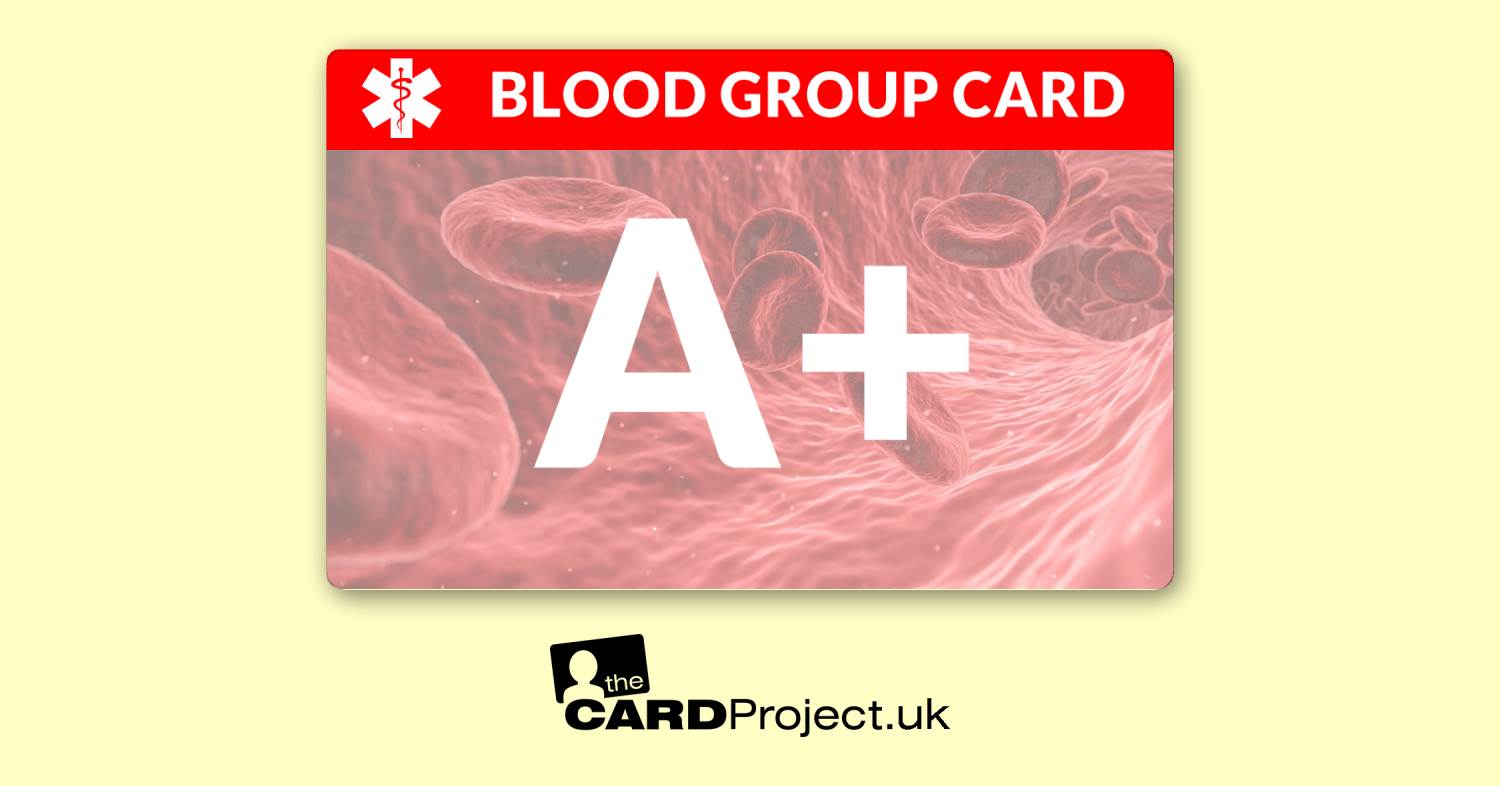
A Positive (A+): This is one of the most common blood types in the world and is key to keeping routine blood supplies fully stocked.
-
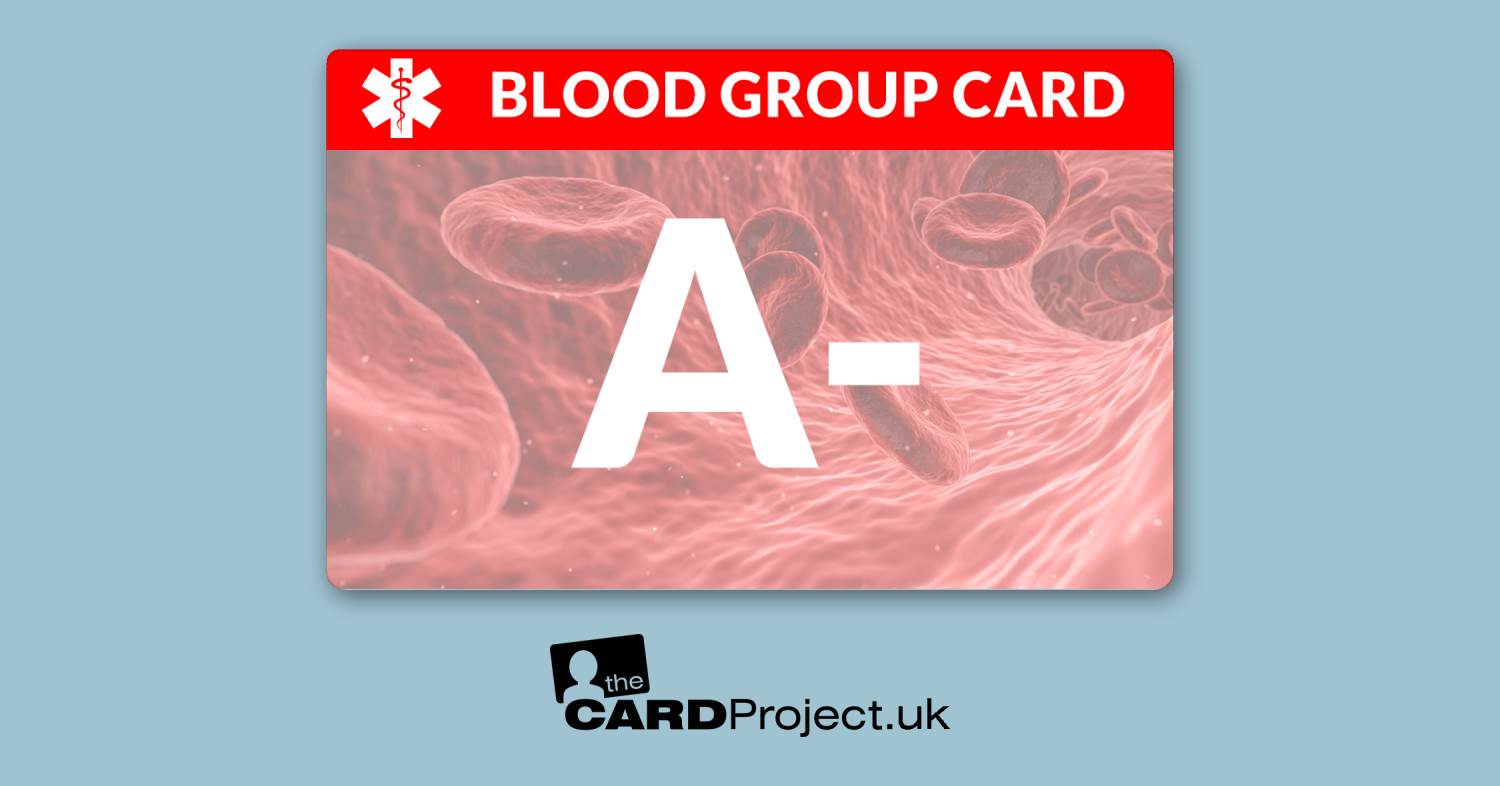
A Negative (A-): This is a rarer and highly critical type. Because A- blood lacks the Rh factor, it is vital in emergency situations for A- patients and anyone else who needs Rh-Negative blood.
Understanding your full type—A+ or A-—is the first step in knowing how you can best help others and prepare for your own medical needs.
Blood Group A Health Implications
Medical research continues to explore how a person’s blood type might influence their health profile. For people with Blood Group A, some large studies have noted a few patterns regarding disease risk.
It's important to remember that these are just observations from large populations, not definitive predictions for you as an individual. The biggest factors in your health will always be your diet, exercise, family history, and lifestyle.
What Research Suggests for Group A
-
Potential Increased Risks: Some studies suggest that people with Type A blood might have a slightly higher susceptibility to certain bacterial infections. There has also been research linking Type A blood to a potentially higher risk for certain cardiovascular diseases compared to Type O, possibly due to blood clotting differences.
-
Other Considerations: The A antigen itself is present on many cells across the body, and scientists are still investigating how this might influence the immune system’s reaction to various conditions.
Diet and Lifestyle Recommendations (With a Note of Caution)
You may encounter the concept of a "blood type diet," which suggests specific eating plans based on your blood group.
-
The Diet Claim: Advocates of the Type A blood diet often recommend a predominantly plant-based approach—one rich in fruits, vegetables, beans, legumes, and whole grains. They argue this aligns with a potentially more sensitive immune system.
-
The Scientific Reality: It is crucial to know that the scientific and medical communities do not widely endorse blood type diets. A diet high in fruits and vegetables is healthy for everyone, regardless of their blood type.
The best approach is to adopt healthy, sustainable habits: eating a balanced diet, getting regular, moderate exercise (like walking, swimming, or yoga to help manage stress), and having an open, honest conversation with your doctor about a personalised health plan.
Blood Donation and Transfusion
If you are a member of Group A, your blood is a constantly needed resource for hospitals worldwide. Whether you are A+ or A- defines your specific role in donation, but both types are essential for a stable blood supply.
The A+ Role: Supporting the Majority
A Positive is one of the most common blood types, which means the volume needed by hospitals is huge.
-
Donating: Your A+ red cells can be safely given to other A+ patients and anyone with AB+ blood.
-
The Backbone of Supply: Because so many people are A+, your regular donation is absolutely necessary to keep up with the day-to-day needs of surgery, treatment, and general hospital use.
The A- Role: A Critical Emergency Resource
A Negative blood is rarer and has a much more critical and versatile role in donation.
-
Donating: Your A- red cells can be given to all A- and AB- patients. More importantly, A- blood can be given to A+, A-, AB+, and AB- patients. It is a vital resource for anyone with Type A or Type AB blood who needs Rh-Negative blood.
-
The Emergency Factor: Because it is Rh-Negative, it is one of the designated 'emergency' blood types for patients when the full blood type is not yet known, though O- is typically the primary universal donor.
The Importance of Knowing Your Blood Type
Knowing your full blood type (A+ or A-) is a practical necessity, not just academic interest.
-
Expediting Care: In an emergency, knowing your exact type helps medical staff make faster, safer decisions about what kind of blood to administer if you need a transfusion.
-
Pregnancy and Rh Factor: For pregnant women, knowing your Rh factor is vital. If an A- mother is carrying an A+ baby, Rh incompatibility can lead to complications that must be managed with specific treatment to ensure a healthy pregnancy.
Your regular donation, coupled with your personal knowledge of your blood type, contributes significantly to saving lives and supporting medical systems globally.
The Difference Between A- and A+
The distinction between A- and A+ lies entirely in the presence or absence of the Rhesus (Rh) factor, which is what determines the plus (+) or minus (-) sign after the letter A. This tiny difference has a major impact on who you can receive blood from.
The Rh Factor Explained for Group A
The Rh factor is simply another antigen—a marker—on the surface of your red blood cells.
-
A Positive (A+): If your red blood cells have the Rh factor present, you are considered A+. This is a very common blood type.
-
A Negative (A-): If your red blood cells do not have the Rh factor, you are A-. This is one of the rarer types.
How the Rh Factor Impacts Transfusion Safety
Your Rh factor affects whether or not you can receive Rh-Positive blood.
-
A Positive (A+): You are relatively flexible. Since you already have the Rh marker, your immune system accepts both A-Positive and A-Negative blood. You can receive A+ or A- red cells.
-
A Negative (A-): You are highly restricted. If you receive A-Positive blood, your immune system will recognize the Rh factor as foreign and develop dangerous antibodies to attack it. Therefore, A- individuals must only receive Rh-Negative blood.
Why A- is a Critical Resource
Because A- blood can be safely given to all A- and AB- patients, and is the safest option for any A or AB patient when Rh status is unknown, A- donors are highly critical. Every A- donation is vital for treating the rare group of negative patients and for filling the emergency supply for all.
Blood Group A Cards by The Card Project UK
If you belong to Group A, whether you are A Positive (A+) or A Negative (A-), carrying that information with you is a responsible and proactive choice. Your blood type plays a distinct role in emergency care, and having it on hand can save precious time.
At The Card Project UK, we create simple, professional ID cards for all blood types, including a dedicated card for A+ and a dedicated card for A-. These cards are designed to be a personal, practical tool to speak for you in those critical moments when you might be unable to speak for yourself.
Why Carry an A+ or A- Card?
Our credit card-sized cards are made from durable, biodegradable plastic, ensuring they are long-lasting while remaining committed to environmental sustainability. They serve two essential purposes:
-
Clarity in an Emergency: In an accident or sudden medical event, every second counts. If you are unconscious, a card clearly stating your exact blood type gives first responders and medical teams a piece of vital information immediately. This is especially true if you are A- and require the highly restricted negative blood supply. This initial knowledge helps guide their immediate care decisions, particularly concerning potential transfusions.
-
Peace of Mind: Carrying your blood group information is a simple step towards comprehensive health management. It gives you the comfort of knowing that you've streamlined a part of your care and assisted medical professionals if an emergency ever happens.
Whether you are A+ (a key contributor to the most common patient needs) or A- (a critical emergency donor), your blood group is immensely important. Getting your Blood Group A card today is a small action that can make a big difference in ensuring your safety and assisting healthcare providers when it counts the most.
© 2024 The Card Project Uk Ltd
VAT: 453 2087 06
|