What You Need to Know About Mobility Assistance Dogs: A 2026 Guide
Table of Contents
Introduction
Mobility assistance dogs play a big part in helping people with physical disabilities live more independently. These dogs are trained to handle everyday tasks that can be tough when mobility is limited, like walking with reduced balance or using a wheelchair. In the UK, thousands of people rely on assistance dogs, and mobility support is one of the most common needs. This guide covers the basics, from what these dogs do to your rights and how to get one.
What Are Mobility Assistance Dogs?
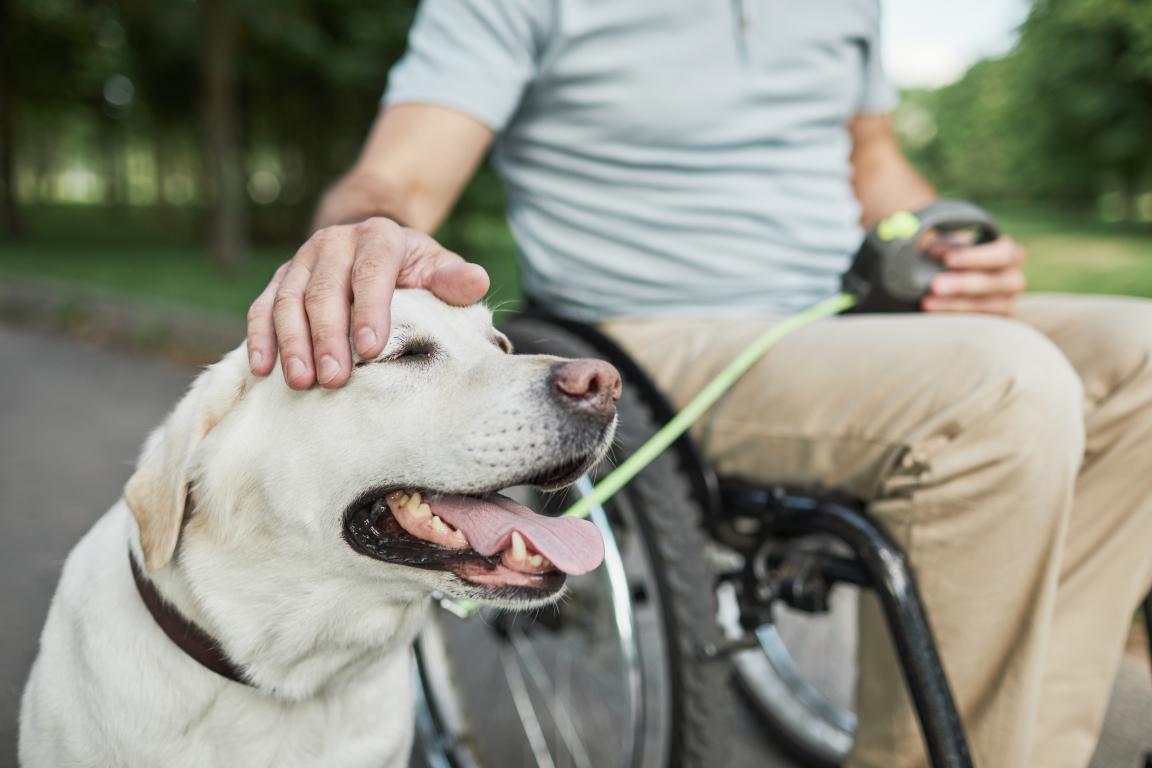
Mobility assistance dogs are specially trained dogs that help people with physical disabilities carry out everyday tasks and move around more easily. These dogs learn specific skills to support their handler's needs, such as providing balance when walking, picking up dropped items, or even helping with a wheelchair. Unlike regular pets, they are working partners that make a real difference in allowing someone to live more independently.
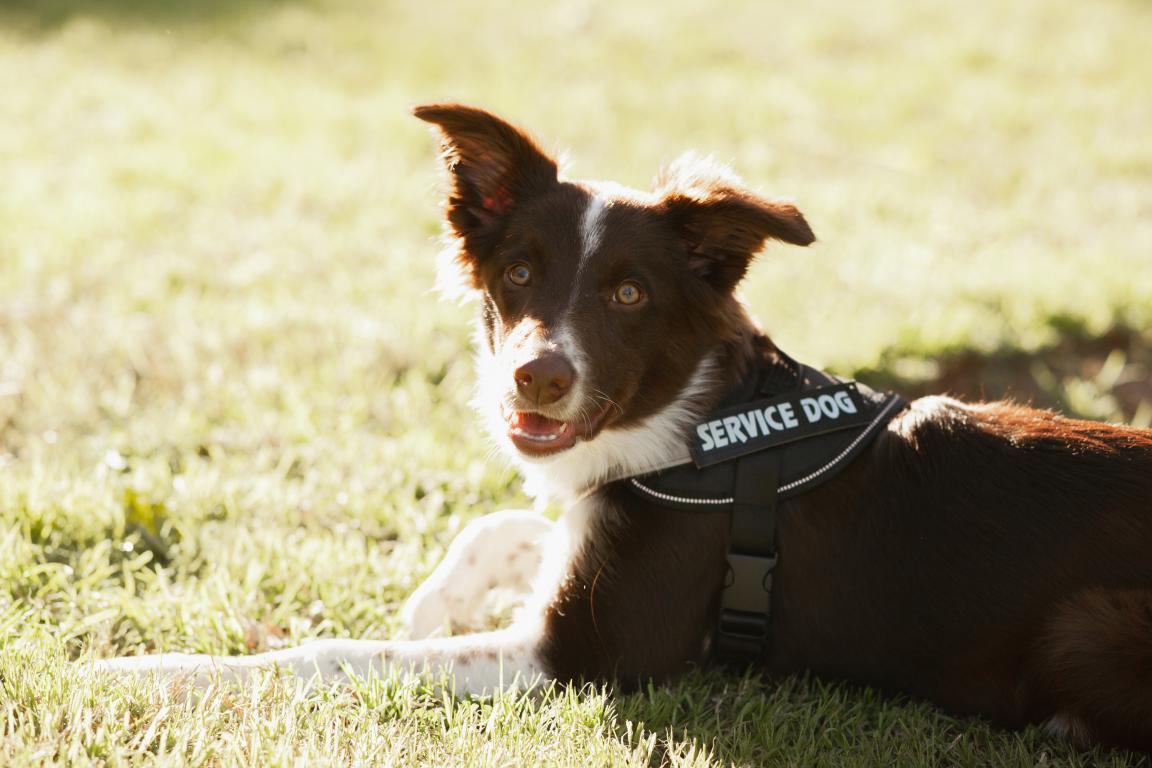
In the UK, we call them assistance dogs, and mobility support is one of the main types. The term "service dog" is more common in the United States – here, "service dog" usually refers to dogs working for the police or military. Under UK law, like the Equality Act 2010, these dogs are seen as important aids for disabled people, giving them legal protections that ordinary pets don't have.
How Do They Differ from Other Assistance Dogs?
Not all assistance dogs do the same job. Here's a quick breakdown:
-
Guide dogs: Help people who are blind or partially sighted by guiding them safely around obstacles and through traffic. They focus entirely on navigation.
-
Hearing dogs: Alert deaf or hard-of-hearing people to important sounds, like doorbells, smoke alarms, or someone calling their name. Their role is about sound detection and response.
-
Medical alert dogs: For conditions like diabetes or epilepsy, they sense changes in their handler's body, such as low blood sugar, and alert them before a crisis hits. This can involve nudging, fetching help, or even pressing an emergency button.
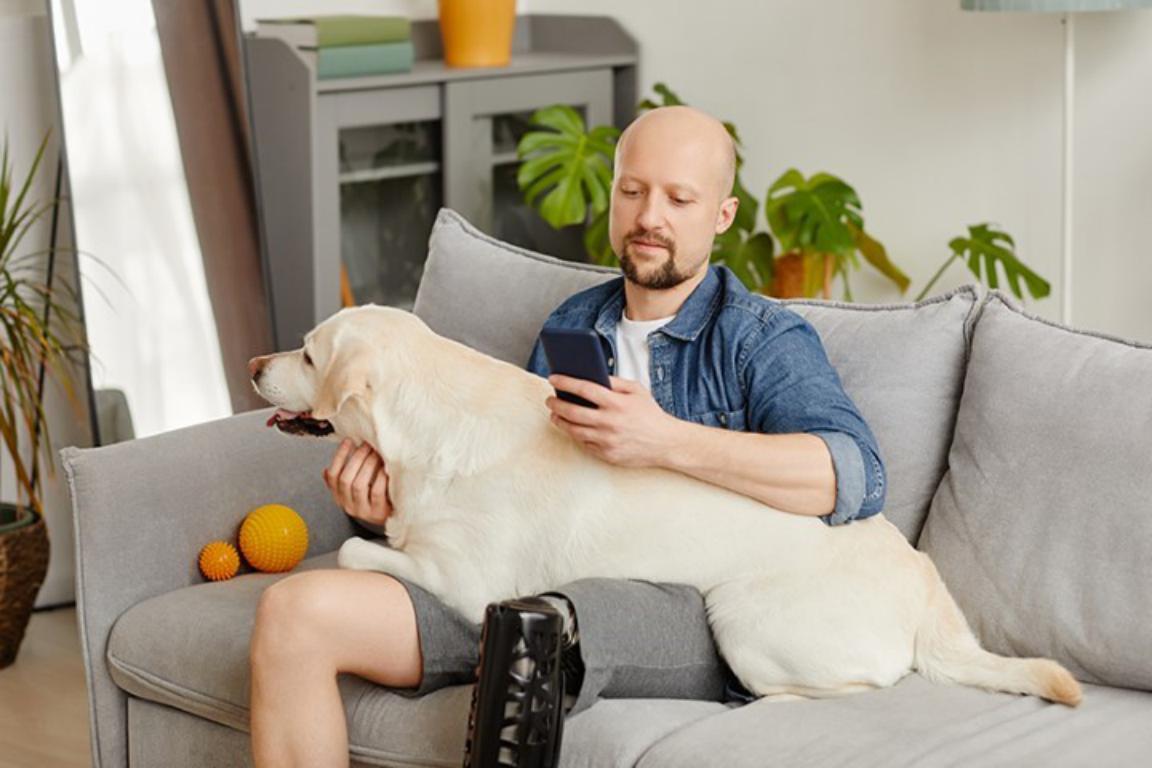
Mobility assistance dogs, on the other hand, concentrate on physical tasks. They might steady someone who has poor balance, open doors, retrieve objects from the floor, or unload shopping from a bag. Many handlers have conditions like multiple sclerosis, arthritis, spinal injuries, or limb differences that affect movement.
Where Do These Dogs Come From?
Most mobility assistance dogs in the UK are provided by accredited charities that breed, raise, and train them to high standards. Organisations like Canine Partners and Dogs for Good specialise in this area. These charities are part of Assistance Dogs UK (ADUK), a coalition that ensures consistent training and welfare.
-
Canine Partners: Trains dogs to assist adults with physical disabilities both at home and in public. They match dogs to individual needs and provide ongoing support after placement.
-
Dogs for Good: Offers similar mobility support, along with programmes for community work and family assistance. They also explore innovative ways dogs can help, such as with autism or other needs.
Over 7,000 people in the UK currently partner with assistance dogs from ADUK member charities, with mobility being one of the most common categories.
What Breeds Are Typically Used?
Charities choose breeds that combine strength, intelligence, and a calm temperament. The dogs need to handle physical work without getting overexcited in busy places. Common choices include:
-
Labrador Retrievers: Friendly, eager to learn, and strong enough for tasks like bracing or retrieving. They stay focused and get along well with people.
-
Golden Retrievers: Known for their gentle nature and patience. They excel at steadying handlers and have the build to support weight if needed.
-
Labrador/Golden Retriever crosses: Often called "Labradoodles" in early generations, these mixes combine intelligence, low-shedding coats in some cases, and a reliable work ethic.
Other breeds sometimes used include Standard Poodles (for allergy-friendly coats) or German Shepherds, but Labs and Goldens dominate because they reliably pass the rigorous health and temperament tests.
The key isn't just the breed – every dog goes through careful selection as a puppy, followed by years of training. Only those with the right health, personality, and drive make it through.
If you're starting to think about whether a mobility assistance dog could help you or someone in your family, the next sections cover exactly what they can do day-to-day and your options for getting one.
How Do They Help People with Physical Disabilities?
Mobility assistance dogs are trained to carry out specific tasks that directly address the challenges of living with a physical disability. These tasks are always tailored to the individual’s needs, focusing on reducing pain, preventing injury, and making daily routines more manageable. The goal is practical support that helps someone get through the day with less effort and more safety.
Many people who partner with these dogs have conditions like multiple sclerosis, spinal cord injuries, arthritis, or neurological issues that affect balance, strength, or coordination. The dog doesn’t just provide company – it takes on real jobs that might otherwise require help from another person or risk a fall.
Common Tasks and How They Make a Difference
Here are some of the most frequent ways mobility assistance dogs help, based on what partners from UK charities like Canine Partners and Dogs for Good report as most useful:
-
Picking up and retrieving dropped items:
If keys, a phone, or even something small like a coin falls to the floor, the dog can pick it up and hand it back. This avoids painful bending or stretching, which can strain joints or upset balance. Surveys of assistance dog owners show this is often the task used most often, as dropped items happen several times a day for many people.
-
Opening and closing doors:
The dog can push doors open with its nose or pull them shut using an attached tug rope. This is particularly helpful in homes or public places with heavy doors, or when hands are full with crutches or a walker. It also means less reaching, which is tiring or impossible if arm strength is limited.
-
Providing balance support and counterbalance:
Many dogs wear a special rigid harness with a handle. The handler holds it for steadying while walking, turning, or standing up. The dog braces firmly to offer light support without bearing full weight – this helps prevent falls on uneven surfaces or during moments of unsteadiness. It’s a common need for people with conditions affecting gait or proprioception.
-
Helping with dressing and undressing:
Tasks like gently tugging off socks, gloves, jackets, or even sleeves save energy and reduce strain on sore joints. The dog learns to pull carefully in the right direction, often starting with loose items and building up. Owners frequently mention this as a big relief in morning or evening routines.
-
Pressing buttons and operating switches:
From lift call buttons to automatic door openers or light switches, the dog can target and paw them accurately. This promotes independence in buildings, workplaces, or shops where reaching high or low controls is difficult.
-
Unloading items and carrying light loads:
Dogs can empty a washing machine, take groceries out of bags, or carry small items in a special pack. For wheelchair users, this means not having to twist awkwardly or ask for help with everyday chores. Some even hand items to a cashier during shopping.
-
Emergency help:
In a crisis, the dog can press an emergency button, fetch a phone, or go for help by alerting someone nearby. This adds peace of mind, especially for those living alone.
Not every dog learns every task – training is personalised during the matching process with charities. What matters is focusing on the handful that will make the biggest difference for that person.
The Wider Impact
Beyond the practical side, these tasks often lead to bigger changes. People find they have more energy left at the end of the day, fewer aches from overdoing things, and greater confidence to leave the house. Many say the dog helps them rely less on family or carers for basic jobs, which restores a sense of control.
Legal Rights and Public Access in the UK
In the UK, people with mobility assistance dogs have clear protections when out in public. The main law covering this is the Equality Act 2010, which treats refusing access to someone because of their assistance dog as disability discrimination. This applies to most places open to the public, like shops, restaurants, hotels, cinemas, and public transport.
The law sees the dog as a medical aid, similar to a wheelchair or crutches. Businesses and service providers must allow the dog in and make reasonable changes to their usual rules if needed. Refusal without a very good reason can lead to legal action.
Where Do These Rights Apply?
The protections cover a wide range of everyday situations:
-
Shops, restaurants, pubs, and cafes: Staff cannot turn you away just because of the dog. Even in areas where food is prepared or served, well-trained assistance dogs are allowed, as they are kept clean and under control.
-
Hotels and accommodation: You can stay with your dog, and landlords or hotels must permit it (with rare exceptions for health and safety).
-
Public transport: Buses, trains, trams, and the London Underground must allow assistance dogs. Most operators have policies welcoming them.
-
Taxis and private hire vehicles (including Uber): Drivers must carry the dog at no extra charge. Refusing without a medical exemption (like a severe allergy, backed by a certificate from the local council) is a criminal offence. Penalties can include fines up to £1,000, licence suspension, or revocation. Uber has strict rules against refusals and can remove drivers from the app permanently.
-
Air travel: Recognised assistance dogs can fly in the cabin for free. You need to notify the airline at least 48 hours in advance, and they may ask for proof of training. Rules can vary for international flights, so check pet travel requirements too.
What Can Staff or Drivers Ask?
They are allowed to ask two simple questions:
-
Is the dog required because of a disability?
-
What task or work has the dog been trained to perform?
That's it – they cannot demand to see ID cards, certificates, or proof of your disability every time. Many assistance dogs wear jackets, harnesses, or leads marked "assistance dog," which helps, but it's not a legal requirement.
Does It Matter Where the Dog Was Trained?
No. The rights apply equally to dogs from accredited charities (like those in Assistance Dogs UK) and to properly trained owner-trained dogs. As long as the dog is trained to help with your disability, behaves well in public, and stays under control, it qualifies for the same access.
When Might Access Be Refused?
Exceptions are very limited and must be justified:
-
If the dog is out of control or aggressive (though this is rare with properly trained dogs).
-
In extremely sterile environments, like certain hospital operating theatres.
Allergies or phobias from staff or other customers are not usually enough to refuse, as the law prioritises the disabled person's needs. Businesses should find ways to accommodate everyone. Religious or cultural beliefs about dogs also cannot override the law – assistance dogs are working animals, not pets.
What to Do If You're Refused Access
-
Stay calm and politely explain your rights under the Equality Act 2010.
-
Ask to speak to a manager.
-
Note details like names and times, then report it:
-
To the business directly.
-
For taxis, to the local licensing authority.
-
For serious cases, to the Equality and Human Rights Commission (EHRC) or seek legal advice.
Many refusals happen due to lack of awareness, so educating staff on the spot can help. Carrying a small card summarising the law can make things smoother.
How to Get a Mobility Assistance Dog
Most people in the UK get a mobility assistance dog through an accredited charity. These organisations breed, train, and match dogs to individuals with physical disabilities, ensuring high standards of training and welfare. Assistance Dogs UK (ADUK) is the coalition that brings together accredited charities, all meeting international standards set by Assistance Dogs International (ADI) and the International Guide Dog Federation (IGDF). Over 7,000 people currently partner with dogs from ADUK members.
Main Charities Specialising in Mobility Assistance Dogs
-
Canine Partners: They train and place dogs with adults who have physical disabilities, focusing on tasks that support independence both at home and in public. The dogs provide full public access rights.
-
Dogs for Good: They offer mobility assistance dogs for adults with physical disabilities, often tailoring support to combined needs. They also run community and family programmes.
-
Support Dogs: In addition to autism and epilepsy support, they train disability assistance dogs that can include mobility tasks for physical conditions.
Other ADUK members may provide overlapping support, but these are the primary ones for mobility-focused partnerships.
The Typical Application Process Through a Charity
The process is thorough because charities want to ensure the dog is a good long-term match and that you can care for it. It usually takes time, and demand is high, so waiting lists are common. Here's what to expect:
-
Check eligibility and start an application: Most charities have an online form or information pack on their website. You'll need to show you have a long-term physical disability that significantly affects daily tasks, such as mobility, balance, or dexterity. You must be over 18 (or apply for a child in some cases), live in the UK, and have a suitable home environment.
-
Provide supporting evidence: This often includes medical letters from your GP, consultant, or occupational therapist confirming your condition and how a dog could help. Some ask for references or details about your lifestyle, support network, and any existing pets.
-
Assessment stage: If your application looks promising, the charity arranges an assessment. This might involve a phone interview, video call, or in-person home visit to discuss your needs in detail and see your living setup. They evaluate how a dog would fit into your routine.
-
Waiting list: If approved, you join the waiting list. Wait times vary by charity and demand – currently, many lists are managed carefully, with some opening only periodically for specific regions. It can take 1–3 years or longer from approval to matching, though some people wait less if a suitable dog becomes available sooner.
-
Matching and training: When a dog that fits your needs is ready, the charity contacts you. You'll attend a residential or series of training classes (often 2–4 weeks) to learn how to work together. The charity provides ongoing support after placement, including follow-up visits.
Charities fund the extensive training – which can cost £30,000–£40,000 per dog over its lifetime – through donations and fundraising. The dog is provided free of charge, with no cost to you beyond everyday care like food, vet bills, and insurance.
Is This the Right Route for You?
Going through a charity gives you a fully trained dog with proven reliability and ongoing backup. However, due to limited resources, not everyone qualifies or wants to wait. The next section covers owner-training as an alternative if you'd prefer to train your own dog.
Owner-Training Your Own Assistance Dog
Not everyone chooses to go through a charity to get a mobility assistance dog. Owner-training – where you train your own dog, often your existing pet or a carefully chosen puppy – is completely legal in the UK and becoming more common. As long as the dog is properly trained to perform tasks that help with your physical disability and behaves well in public, it has the same legal rights under the Equality Act 2010 as dogs from accredited charities.
The Equality and Human Rights Commission (EHRC) makes it clear that there is no requirement for an assistance dog to come from a specific organisation or hold any official certification. What matters is that the dog mitigates the effects of your disability through trained tasks and remains under control at all times.
Why Do People Choose Owner-Training?
There are several practical reasons why this route appeals to some:
-
You already have a suitable dog: Many people start with their family pet, using the strong bond that already exists to build a working partnership. This can feel more natural than waiting for a match from a charity.
-
Avoiding long waiting lists: Charity programmes often have waits of 1–3 years or more due to high demand and limited resources. Owner-training lets you begin right away.
-
Customising to your exact needs: You can focus training on the specific tasks that help you most, and choose a breed or individual dog that fits your lifestyle, home, or even allergies.
-
Greater control over the process: Some prefer to handle the training themselves or with chosen support, rather than following a charity's timeline and criteria.
What Does Owner-Training Involve?
Training a reliable mobility assistance dog is a big commitment. It typically takes 18–24 months of consistent work to reach a safe public access standard.
Key areas to cover include:
-
Basic obedience and manners: Commands like sit, stay, down, loose-lead walking, and leaving distractions alone. The dog must ignore other people, animals, food on the floor, and noises without reacting.
-
Public access skills: Settling quietly for long periods (e.g., in restaurants or on transport), toileting on command, and handling busy environments like shops, trains, or streets without stress.
-
Disability-specific tasks: Things like retrieving items, opening/closing doors, providing balance support, or helping with dressing. These must be taught reliably and safely.
Most owner-trainers work with professional help to get it right. Going it completely alone is possible but harder, especially if you're new to dog training.
Where to Get Support as an Owner-Trainer
Several organisations and programmes in the UK specialise in guiding people through owner-training:
-
Dog A.I.D. (Assistance in Disability): A charity that coaches physically disabled adults to train their own pet dog into a fully qualified assistance dog. They provide structured support, assessments, and aim for international accreditation standards. Training often takes up to two years, with regular check-ins.
-
Adolescent Dogs: Offers an online academy with video tutorials, live trainer support, workshops, and public access tests. They cover mobility tasks alongside other disabilities and have no breed or waiting list restrictions.
-
Other options: Groups like the Assistance Dog Assessment Association (ADAA) provide independent public access tests, while some private trainers or smaller programmes (such as PAWS Assistance Dogs or RAD Assistance Dogs) offer tailored coaching.
You can also hire an experienced force-free trainer locally who understands assistance dog work.
Public Access Tests and Identification
There is no legal requirement for certification or ID in the UK. However, many owner-trainers choose to complete a voluntary public access test (PAT) to demonstrate their dog's standards. This can make public outings smoother by reducing questions from staff or drivers.
-
Tests assess behaviour in real-world settings, like shops or transport.
-
Passing one often comes with a certificate, ID book, or vest, which helps explain your rights quickly if challenged.
Organisations like Dog A.I.D., Adolescent Dogs, and the ADAA run these assessments.
Owner-training can be rewarding and empowering, giving you a dog perfectly suited to your life. It does require dedication, patience, and often professional guidance to ensure the dog is safe, happy, and effective.
Costs and Ongoing Responsibilities
Having a mobility assistance dog brings practical benefits, but it also means taking on the day-to-day care of a large, active dog. Charities like Canine Partners and Dogs for Good provide the dog and its initial equipment free of charge, covering the substantial training expenses through fundraising. Once the partnership begins, though, the handler becomes responsible for all routine costs. These are similar to owning any large dog, though some charities offer discounts on food or gear.
What Are the Main Ongoing Costs?
Most handlers budget for the essentials that keep their dog healthy and happy. Here's a realistic breakdown based on current UK figures for a large breed like a Labrador or Golden Retriever:
-
Food: Quality food suitable for an active working dog runs about £50–£80 per month, depending on the brand and any special dietary needs. Many charities recommend specific foods and can arrange discounted bulk orders.
-
Veterinary care: Routine check-ups, vaccinations, flea/worm treatments, and preventative medicines add up to £300–£600 a year for a healthy dog. Older dogs or those with minor issues may need more frequent visits.
-
Insurance: Pet insurance is strongly recommended to cover unexpected illnesses or injuries. For assistance dogs, policies often include public liability cover (up to £2–5 million), which protects you if the dog accidentally causes damage or injury in public. Premiums vary by age, breed, and cover level but typically range from £30–£80 per month for comprehensive lifetime policies.
-
Grooming and equipment: Regular brushing, nail trims, and occasional professional grooming cost £100–£300 annually. Replacement harnesses, leads, jackets, or other specialist items might add £100–£200 every couple of years.
Overall, many handlers find the total comes to £120–£250 per month (around £1,500–£3,000 per year), though careful shopping and charity support can keep it towards the lower end. These figures can rise with age or health changes, which is why insurance helps manage bigger bills.
Extra Considerations for Owner-Trained Dogs
If you've owner-trained your dog, you'll have already covered training costs upfront – anything from a few hundred pounds for classes to several thousand for professional guidance and assessments. Ongoing expenses remain the same as above, but you might not get the same supplier discounts that charities negotiate.
Daily and Long-Term Responsibilities
Beyond money, partnering with a mobility assistance dog involves consistent care to keep them fit for work:
-
Exercise and mental stimulation: These dogs need daily walks, play, and tasks to stay engaged. A tired dog is a happy, reliable dog.
-
Grooming and health checks: Regular brushing, ear cleaning, and tooth care prevent problems. Handlers monitor for signs of strain from physical tasks, like joint wear.
-
Training maintenance: Short daily practice sessions reinforce commands and public behaviour. Charities provide ongoing advice for this.
-
Rest and welfare: Dogs get days off, quiet time at home, and holidays from their working jacket to avoid stress.
What Happens When the Dog Retires?
Mobility assistance dogs usually retire between 8 and 11 years old, depending on their health, energy levels, and ability to perform tasks safely. Charities monitor this closely with annual check-ups and discuss options when signs appear, such as slowing down or minor arthritis.
-
Many handlers keep their retired dog as a much-loved pet while applying for a successor through the charity. This means caring for two dogs for a while, which doubles some costs but keeps the bond intact.
-
If keeping the retiree isn't possible – due to space, finances, or the handler's needs – charities help rehome them to carefully screened families.
Retirement planning starts early, giving everyone time to adjust. The focus is always on what's best for the dog after years of dedicated service.
Understanding these costs and commitments upfront helps ensure the partnership thrives.
Travelling with Your Mobility Assistance Dog
Travelling around the UK or further afield with a mobility assistance dog is straightforward in many ways, thanks to legal protections and policies that recognise these dogs as working aids. In the UK, assistance dogs must be welcomed on most forms of public transport, and they usually travel free. For international trips, planning ahead is key, as rules can differ by country and carrier.
Everyday Travel in the UK
Assistance dogs have strong rights on public transport under the Equality Act 2010:
-
Buses, trams, and coaches: Dogs travel free and must be accommodated. Most operators welcome them without needing advance notice, though letting the driver know helps.
-
Trains: All UK train companies allow assistance dogs at no extra cost. They can sit in the available space near you – many companies offer priority areas or cards to reserve floor space under a seat.
-
Taxis and private hire vehicles (like Uber): Drivers must carry the dog unless they have a medical exemption certificate. Refusal is usually illegal, with potential fines.
-
Ferries: Most UK ferry operators accept assistance dogs in passenger areas or cabins. Advance booking is often recommended for space.
Carrying some form of ID – like a jacket, lead cover, or charity booklet – can smooth things out, though it’s not required by law.
Flying within the UK or to the EU
Airlines must allow recognised assistance dogs in the cabin free of charge. The dog typically sits at your feet or in provided space. Key steps include:
-
Notify the airline at least 48 hours in advance (some ask for more). Provide details about your dog's training and tasks.
-
Documentation: For dogs from ADUK charities, their ID is usually enough. Owner-trained dogs may need extra proof, like a public access test certificate or letter explaining tasks.
-
UK domestic flights: Simple – just book assistance if needed.
-
Flights to or within the EU: Post-Brexit, your dog still needs to meet pet travel rules, such as microchip, rabies vaccination, and often an Animal Health Certificate (AHC) issued by a vet within 10 days of travel. Tapeworm treatment is required for return to the UK from most EU countries (1–5 days before).
Many major airlines like British Airways operate routes where assistance dogs travel in the cabin. Always check the specific airline's policy.
Travelling Further Afar
Rules tighten for non-EU destinations:
-
Research early: Each country has its own import requirements for dogs, even assistance ones. Some offer exemptions or simplified processes for recognised assistance dogs, but others treat them like pets (possible quarantine or extra tests).
-
Airlines and routes: Choose carriers registered with the Animal and Plant Health Agency (APHA) for smoother checks. Provide proof of training – ADUK or ADI/IGDF accreditation helps most.
-
Returning to the UK: Use approved routes and carriers for non-assistance pets, but assistance dogs often have more flexibility. Still, meet health rules (rabies vaccination, etc.).
Practical Tips from Handlers
-
Pack familiar items like food, water bowl, and a mat for settling.
-
Plan toilet breaks – airports often have relief areas.
-
Consider travel insurance that covers the dog.
With good preparation, many people take holidays abroad successfully with their mobility assistance dog. Charities like Canine Partners or Dogs for Good can offer specific advice based on your partnership.
Common Questions and Tips
Here are answers to questions parents and potential handlers often ask about mobility assistance dogs, along with practical tips if you’re considering one.
What's the difference between an assistance dog and an emotional support animal?
In the UK, only dogs trained to perform specific tasks that help with a disability qualify as assistance dogs under the Equality Act 2010. Tasks must directly mitigate the effects of a disability, such as retrieving dropped items or providing balance support.
-
Emotional support animals (ESAs) provide comfort through their presence but aren’t trained for specific tasks. They are treated as pets under UK law and do not have public access rights.
-
Therapy dogs or companion animals also lack legal protections. Only task-trained assistance dogs get these safeguards.
If your primary need is emotional support rather than practical task help, an assistance dog partnership may not be the right fit.
What should I do if I'm refused access somewhere?
Refusals can happen, usually due to staff not knowing the rules. Handle it calmly and effectively:
-
Explain politely that your dog is a trained assistance dog required for your disability, protected under the Equality Act 2010.
-
Ask to speak to a manager or supervisor. Issues often resolve quickly at this level.
-
Note details if needed: date, time, place, staff names, and what was said.
For serious or repeated problems:
-
Contact the Equality and Human Rights Commission (EHRC) helpline for advice.
-
For taxis or private hire vehicles, report to your local licensing authority – refusal without a valid medical exemption can lead to fines up to £1,000 or licence penalties.
Carrying a small card summarising the law (from charities or the EHRC) can help in the moment.
Tips for businesses and the public
-
Treat the dog as working equipment, not a pet – avoid petting, talking to, or feeding it without permission.
-
Assistance dogs are highly trained to behave well: they won’t bark unnecessarily, jump up, or foul indoors.
-
Welcoming them is usually straightforward: let the handler and dog go about their business.
Many refusals come from uncertainty, so staff guidance from the EHRC or charities helps build confidence.
Final thoughts and next steps
A well-matched mobility assistance dog can make everyday activities easier, from shopping independently to getting out more often.
If you’re thinking this could help your family:
-
Visit the Assistance Dogs UK website for a full list of accredited charities and contact details.
-
Charities like Canine Partners or Dogs for Good offer initial advice calls with no obligation.
-
Be prepared to discuss your condition and daily challenges – charities want to understand how a dog could fit your needs.
Starting the conversation early gives you time to explore options without pressure. Charities are there to answer questions and guide you through what's involved, so reaching out doesn't commit you to anything – it just helps you make an informed decision.
Whether you're applying for yourself or supporting a family member, a mobility assistance dog can bring practical help and greater independence in ways that are hard to imagine until you see it in action. Many partners describe it as getting part of their life back, one small task at a time.
Thank you for taking the time to read What You Need to Know About Mobility Assistance Dogs: A 2026 Guide. We hope it's been useful and given you a straightforward, honest view of what these remarkable dogs can do. If you're ready for the next step, the charities are just a call or email away.
Published: 1 January 2026
© 2024 The Card Project Uk Ltd
VAT: 453 2087 06
|