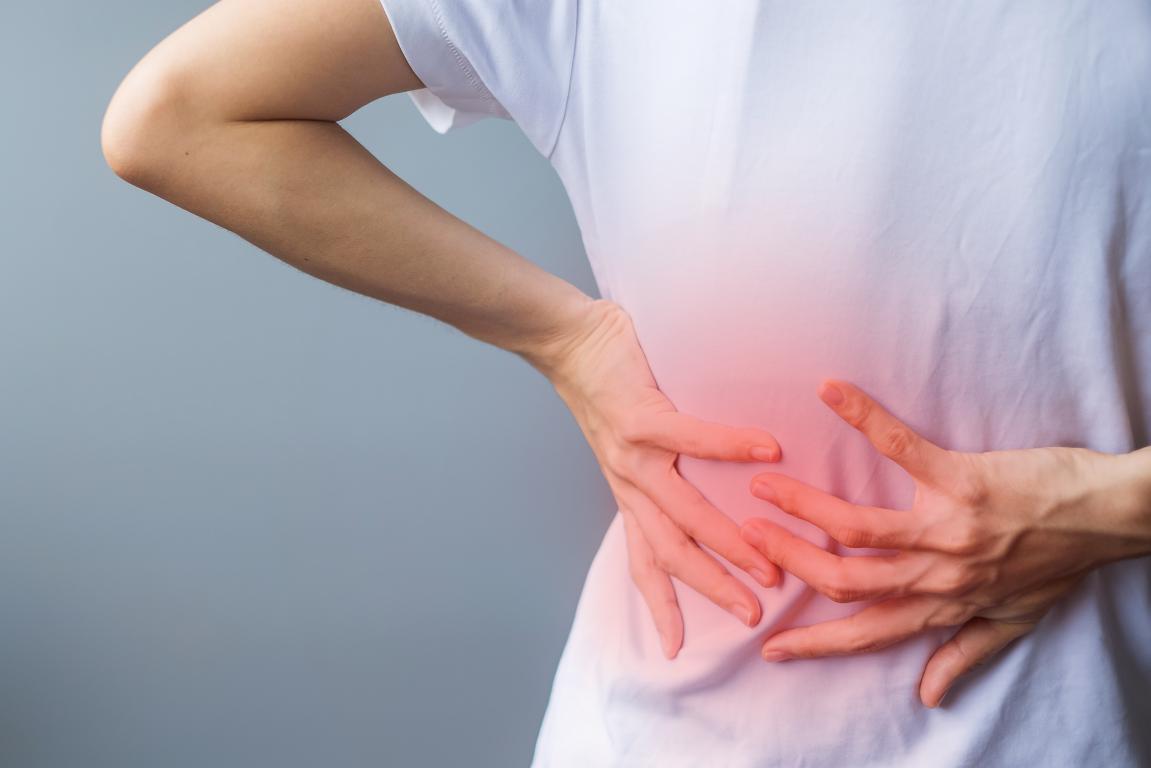
Why standing still can be harder than walking when you live with chronic pain
Have you ever found yourself in a situation where you had to explain to someone why you could not stand in a queue, even though they just saw you walk through the door? It is a highly uncomfortable moment. To someone who does not live with chronic pain, walking looks like exercise, while standing still looks like resting. They naturally assume that if you can do the walking, the standing should be easy.
But if you live with a hidden condition, you know the reality is completely different. Standing still can feel like a slow, steady punishment for your body. Within just a few minutes of standing in a slow-moving queue or waiting at a bus stop, your back can start to throb, your joints can stiffen, and your energy can drain away. Yet, if you start walking again, some of that intense pressure actually begins to lift.
This paradox is incredibly hard to explain to people who have healthy bodies. It often leaves us feeling like we are being dramatic or lazy when we ask for a seat. But the physical toll of static standing is very real, and there are very clear, simple physical reasons why your body struggles with it.
The physics of why static standing hurts
To understand why standing still is so hard, it helps to look at how the human body is designed to move. Our bodies are essentially built for motion. When we walk, our muscles, joints, and cardiovascular system work together in a natural, rhythmic cycle.
When you take a step, your leg muscles contract and relax. This movement acts like a natural pump, helping your heart push blood back up from your feet and legs. Walking also distributes your body weight across different muscles and joints with every step, giving each side of your body a tiny micro-break with every stride.
When you stand still, all of that helpful movement stops.
Instead of a dynamic, shifting load, your body has to deal with a static load. Your leg and lower back muscles have to contract constantly just to keep you upright. There are no breaks. Because these muscles are locked in a continuous squeeze, they do not get the fresh, oxygen-rich blood they need to stay comfortable. This leads to a rapid buildup of lactic acid, which causes that deep, burning ache in your calves, thighs, and lower back.
Without the natural pumping action of walking, gravity also takes over. Blood and fluid begin to pool in your lower legs and feet. This pooling can cause your ankles to swell, make your legs feel incredibly heavy, and even lead to dizziness or a drop in blood pressure. For someone with a condition like PoTS (Postural Orthostatic Tachycardia Syndrome) or fibromyalgia, this simple act of standing still can trigger a severe flare-up of symptoms within minutes.
The heavy load on your joints and spine
It is not just your muscles that bear the brunt of standing still; your joints and spine take a beating too.
When you are walking, your hips, knees, and ankles move through their natural range of motion, which keeps them lubricated. But when you stand still, your joints are locked in a single position. Your entire body weight presses down on the exact same spots in your cartilage and joints, hour after hour, without any relief.
For anyone living with arthritis, hypermobility, or spinal issues, this constant, unyielding pressure is incredibly painful. Without the movement of walking to distribute the load, your spinal discs compress more tightly. The nerves in your lower back can become pinched, sending sharp pains down your legs or making your feet go numb.
It is like holding a heavy bag of flour. If you hold it in your arms and walk around, you can manage for a while because you are shifting your weight. But if you are forced to hold that same bag of flour completely still, with your arms locked in one position, your muscles will start to shake and ache very quickly. Standing still is the exact same test of endurance for your spine and legs.
The unseen mental drain of the queue
The physical pain of standing still is only half the battle. There is also a massive mental toll that comes with being stuck in a situation where you cannot sit down.
When you live with a chronic condition, a simple queue at a pharmacy, a security line at an airport, or a wait at a checkout can trigger a wave of quiet panic. You start doing mental calculations: How long is this line? Will my legs hold out? What happens if I get dizzy and there is nowhere to sit?
This hyper-vigilance keeps your nervous system in a constant state of "fight or flight." You are constantly scanning the room for a chair, a wall to lean against, or a pillar to prop yourself up. This mental stress actually worsens your physical pain, creating a cycle where your muscles tighten up even more, making the standing even harder to tolerate.
Worse still is the social pressure. We worry about what other people are thinking. We worry that if we sit down on the floor or lean heavily on a counter, we will look strange or draw unwanted attention to ourselves. So, we push through the pain, pretending we are fine, while our bodies pay a massive physical price.
Your need for a seat is entirely valid
If you take one thing away from this, let it be this: your need to sit down is not a sign of laziness. It is a direct, physical necessity.
You do not need to prove your pain to anyone, and you do not need to feel guilty for needing a break. When your body tells you that it needs to sit, it is trying to protect itself from a painful flare-up. Learning to listen to that signal—and acting on it—is one of the most important things you can do to manage your daily health.
It is completely okay to ask for a chair, to ask to wait in a seated area while your spot in a queue is held, or to ask to bypass a long line because you cannot stand. You have a right to look after your body, and you should not have to run yourself into the ground just to keep up with healthy people's expectations.
How a simple card lets you ask for a break without the stress
The hardest part of managing this pain is having to ask for help when you are already feeling weak, tired, or uncomfortable. Standing at a customer service desk or trying to catch the eye of an event steward to explain why you cannot stand in a long queue takes a lot of mental energy. You might worry about stumbling over your words, or feel embarrassed about sharing your private medical limits with a stranger in a public place.
This is where carrying an unofficial Medical Access Card can act as your quiet, polite voice. These cards are designed specifically to handle the friction of these moments for you, so you do not have to find the words when your body is hurting.
It is important to remember that these cards are completely unofficial. They do not carry government status, do not grant legal exemptions, and do not offer automatic monetary discounts on tickets or entry fees. Instead, they are simple, practical, and friendly communication aids designed to bridge the gap between you and the public.
Because we believe that getting support should be simple and stress-free, we do not ask for medical letters, proof of eligibility, or long forms. There is no red tape. We make getting these cards as straightforward as possible so you can get the help you need without the hassle.
The card features very clear, easy-to-read text alongside simple visual icons that instantly communicate that you struggle to stand for long periods and need a place to sit or wait.
The next time you find yourself facing a long queue or a crowded space where standing is required, you do not have to worry about how you will explain your condition. If you need a seat, a quiet place to wait, or a bit of understanding from a staff member, you can simply show your card.
In a single glance, the person behind the counter or the steward at the door will understand that you have a genuine physical reason for needing a seat. Because the card looks professional and clear, it stops misunderstandings before they can start, allowing staff to quickly point you toward a chair or help you find a comfortable place to wait.
By letting a simple card hold that boundary for you, you protect your energy, keep your private life private, and get the peace of mind you need to go about your day in comfort.