|
Anticoagulant Therapy Cards
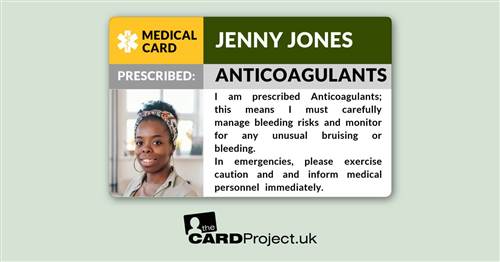
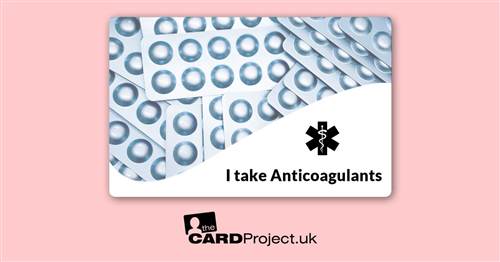
Anticoagulant Therapy: Safety, Information and Alert CardsAnticoagulants are medicines that help prevent blood clots. They are often called blood thinners, although they do not actually make your blood thinner. Instead, they increase the time it takes for your blood to clot. While these medicines are vital for preventing serious conditions like strokes and heart attacks, they also introduce specific safety risks. Because your blood clots more slowly, even minor injuries can sometimes become serious. This page provides straightforward information about anticoagulant therapy, how these medicines work, the safety measures you need to take in daily life, and why carrying an alert card is essential. What are anticoagulants?Your body naturally forms blood clots to stop bleeding when you cut yourself. However, sometimes clots form inside your blood vessels when they should not. This can block the flow of blood to vital organs, leading to conditions like deep vein thrombosis (DVT), pulmonary embolism (a clot in the lungs), stroke, or heart attack. Anticoagulants are prescribed to people who have a high risk of developing these dangerous clots. Common types of anticoagulantsThere are several different types of anticoagulant medicines prescribed in the UK. They generally fall into two categories: WarfarinThis is an older, traditional anticoagulant. If you take warfarin, you need regular blood tests (known as INR tests) to check how quickly your blood clots. Your dose of warfarin may change frequently based on these test results. You also have to be careful about what you eat, as certain foods can affect how the medicine works. Direct Oral Anticoagulants (DOACs)These are newer medicines that do not require regular blood tests or strict dietary restrictions. They are taken in fixed daily doses. The most common DOACs include:
Your doctor or specialist will decide which medicine is safest and most appropriate for your specific health needs. Why carrying an anticoagulant alert card is essentialBecause anticoagulant medicines slow down your body's ability to stop bleeding, any accident or medical emergency requires immediate and specific care. Carrying an alert card ensures that healthcare professionals are aware of your medication, even if you are unconscious or unable to speak for yourself. Emergency medical treatmentIn a serious emergency, such as a car accident or a severe fall, paramedics and hospital staff need to make quick decisions. If they know you are taking an anticoagulant, they will handle your treatment differently. For example:
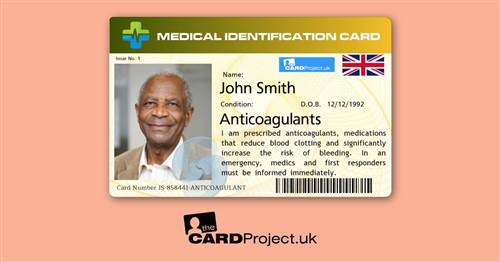
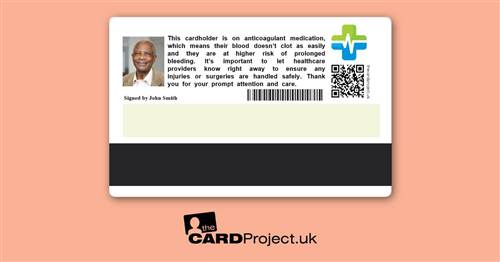
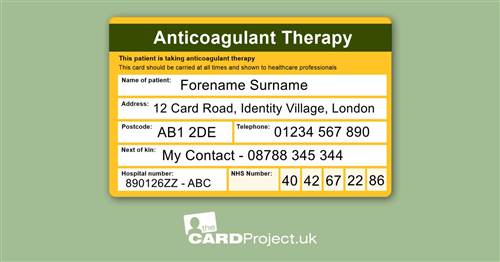
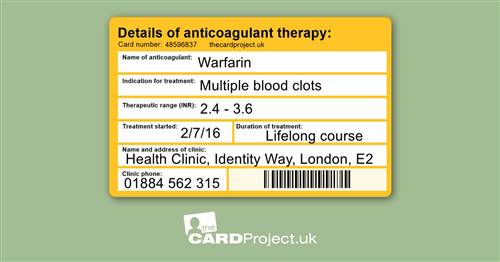
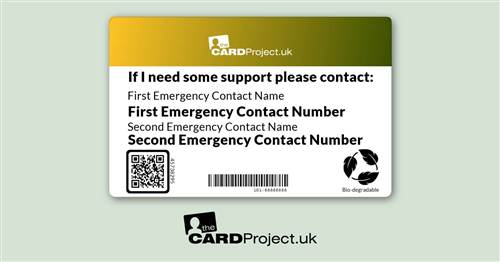
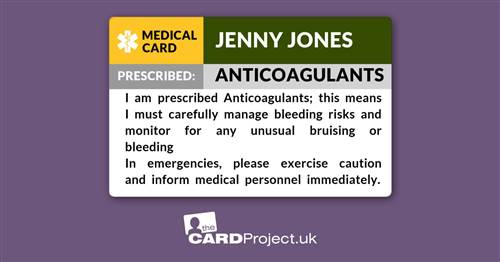
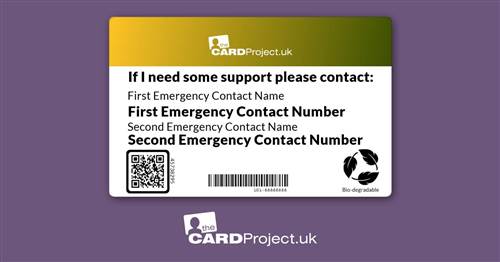
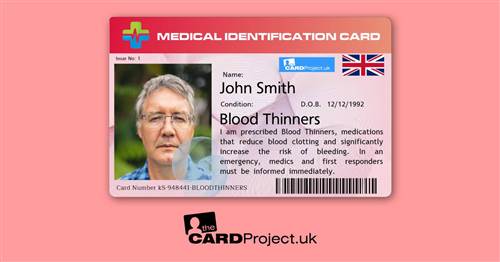
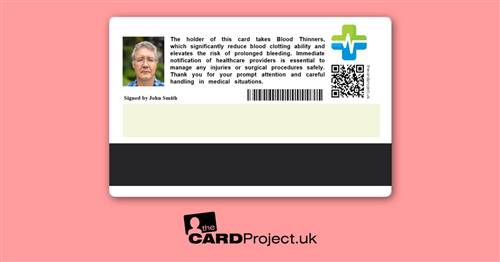
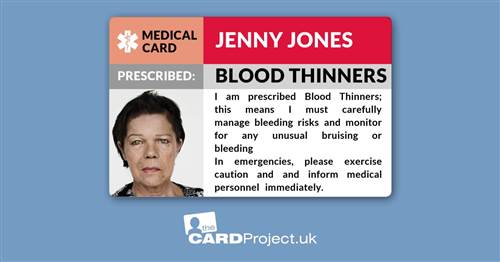
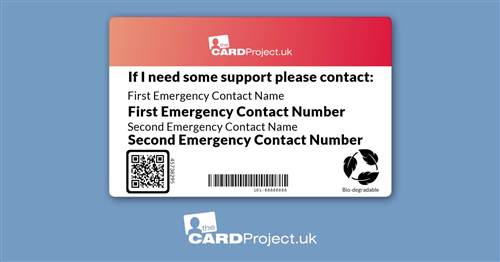
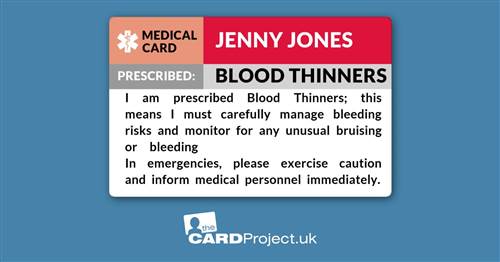
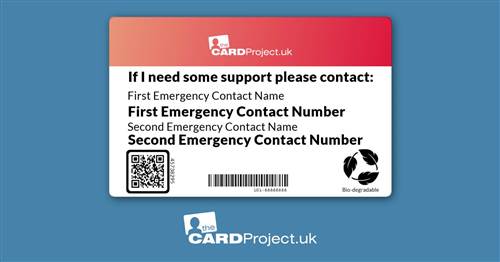
If you are unable to tell them about your medicine, precious time can be lost while they run tests to find out why your blood is not clotting. Dental work and surgeriesIf you need a tooth extraction, a minor dental procedure, or any type of surgery, your dentist or surgeon must know that you take anticoagulants. In some cases, you may need to stop taking your medication temporarily or adjust your dose for a few days before the procedure to reduce the risk of bleeding. Carrying a card is an easy way to remind healthcare staff of your medicine at every appointment. Medication interactionsMany common over-the-counter medicines can interact with anticoagulants. For example, common painkillers like ibuprofen and aspirin can significantly increase your risk of stomach bleeding if taken alongside blood thinners. If you are buying medicine at a pharmacy or being prescribed new treatment by a doctor who is not your usual GP, showing them your card ensures they do not give you anything that could cause a dangerous interaction. Our anticoagulant ID cards and alert cardsWe make durable plastic alert cards to ensure your medical information is always visible when it matters most. You can view and choose these cards using the clickable image links at the top of this page. We offer two main styles of cards: personalised cards and simple awareness cards. Personalised anticoagulant ID cardsThese cards are designed to carry your specific medical details. They are ideal for everyday carry in a wallet or purse, providing comprehensive information for emergency services. Every design in our personalised range is unique! Our card layouts are already ready-made, so we can't add extra things (like a photo or emergency contacts) if the style doesn't already have a spot for it. Make sure to choose the specific design that comes with the features you need:
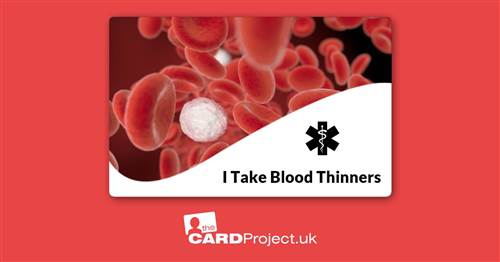
Having your name and medicine printed on a card removes any guesswork for paramedics or doctors in an emergency. Simple awareness cardsIf you prefer to keep your personal details private but still want to ensure emergency workers know you take a blood thinner, our simple awareness cards are a reliable option. These cards are not personalised. They feature bold, clear text such as "ALERT: I take an anticoagulant (blood thinner)" on the front, with general safety instructions on the back. They are designed to be kept in a highly visible place, such as behind your driving licence or in the clear window of your wallet. All of our cards are printed on high-quality plastic, meaning they will not tear, wear out, or become unreadable over time like paper alternatives. Our information guides for patients and familiesStarting anticoagulant therapy can feel daunting, and family members often worry about the safety of their loved ones on these medications. We have written a selection of clear information guides to help. These guides are written for patients, friends, and family members to help everyone understand the practical side of taking blood thinners. They explain what to look out for, how to handle minor daily cuts, and how to support someone on this therapy, using simple language without medical jargon. The goal of these guides is to give your family peace of mind and help everyone feel confident managing the day-to-day routine of anticoagulant therapy. Blood Thinner or Anticoagulant: Why Does My Medicine Have Two Names? - Ever wondered if your doctor and pharmacist are speaking different languages when talking about your heart meds? Here is the simple story behind "blood thinners" versus "anticoagulants. "Oh No, I Forgot My Pill!" – The No-Panic Guide to a Missed Anticoagulant Dose - Realized you missed your daily anticoagulant pill and immediately felt that cold rush of panic? Here is exactly how to handle a missed dose safely, get your peace of mind back, and get right back on track without the worry. The Painkiller Puzzle: What Can I Take for a Headache While on Anticoagulants? - Confused about which everyday painkillers are safe to mix with your anticoagulant? Learn the simple "traffic light" rules of the medicine cabinet—including the hidden risks of common cold remedies and joint gels—so you can treat aches with total peace of mind. Bumps, Bruises, and Anticoagulants: What’s Normal and When to Call the Doctor - Spotting mystery bruises since starting your anticoagulant? Learn the difference between harmless marks, hard swelling, and hidden signs of internal bleeding. Can I Still Have a Glass of Wine? The Truth About Alcohol and Anticoagulants - Worried that your new anticoagulant prescription means saying goodbye to your social life? Learn how to safely enjoy a glass of wine or a pint of beer without putting your health at risk. Holidays, Flying, and Anticoagulants: Your Ultimate Guide to Travelling Safely - Planning a trip but worried about how to manage your anticoagulant abroad? Learn how to handle flights, shift your pill times across time zones, and protect yourself in foreign countries with ease. Blood Thinners Explained: The Essential Guide for Individuals on Anticoagulant Medication - The moment they start taking blood thinners, every bumped knee or minor nosebleed feels like an emergency. Here is how to keep your loved one safe and active without living in constant fear. Daily life and safety tips for people taking anticoagulantsTaking an anticoagulant does not mean you have to stop enjoying your life, but it does mean you need to make a few small adjustments to keep yourself safe. 1. Watch out for minor cuts and scrapesWhen you cut yourself, the wound will bleed for longer than it did before you started taking the medicine.
2. Avoid contact sports and activities with a high risk of fallsBecause of the risk of internal bleeding, you should avoid activities where you could easily fall or receive a blow to the head or body.
3. Take care of your teeth and gumsBleeding gums are a common issue for people on blood thinners.
4. Be careful with other medicines and supplementsMany common substances can interfere with how your blood thinner works.
5. Be consistent with your dosesFor your medicine to work properly, you must keep a steady amount of it in your body.
Common questions about taking anticoagulantsWhat are the signs of serious internal bleeding?Because internal bleeding is not immediately visible, it is important to know the signs. You should seek urgent medical help if you experience:
Can I drink alcohol while taking anticoagulants?It is generally recommended to limit your alcohol consumption while taking these medicines. Alcohol can increase the effect of some anticoagulants, making bleeding more likely. It also increases the risk of falls and head injuries. If you do drink, keep well within the recommended UK guidelines and try to avoid binge drinking. Do I need to change my diet if I take anticoagulants?If you take warfarin, yes. Warfarin is affected by Vitamin K, which is found in green leafy vegetables like spinach, broccoli, and Brussels sprouts. You do not need to stop eating these foods, but you must keep your intake consistent. Sudden changes in how much green vegetables you eat can cause your INR levels to rise or fall dangerously. If you take a DOAC (like Apixaban or Rivaroxaban), you do not need to make any specific changes to your diet, as these medicines are not affected by Vitamin K. What should I do if I bump my head?Any head injury, even a minor bump, can be serious when you take blood thinners because of the risk of bleeding around the brain.
Is it safe to travel while on blood thinners?Yes, but you should take a few precautions:
© 2024 The Card Project Uk Ltd
VAT: 453 2087 06
|