|
Beta Blockers
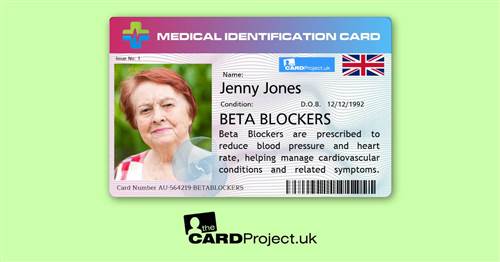
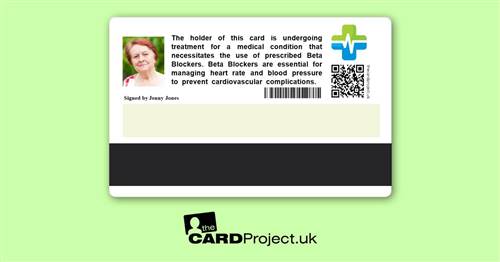
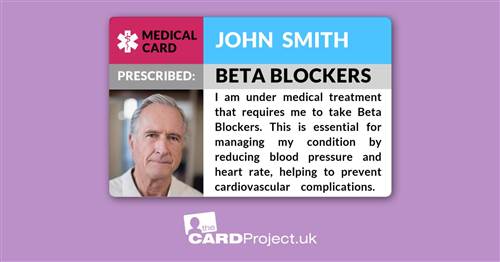
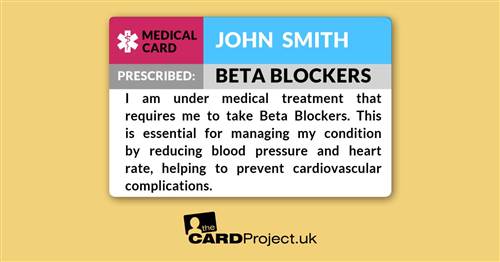
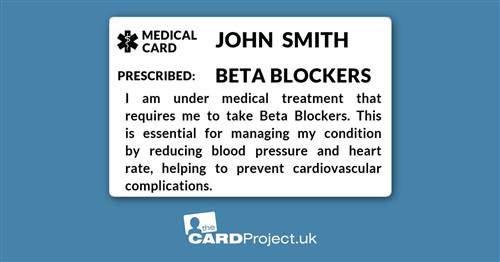
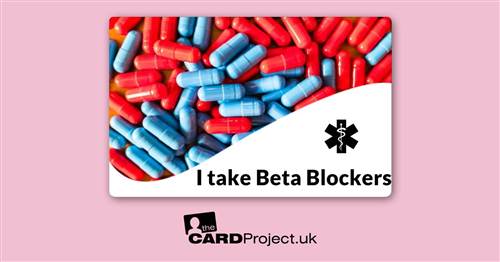
Beta Blockers: Managing Your Medication and Staying Safe25 February 2026 Understanding your Beta Blocker journeyIf you’ve recently been prescribed a beta blocker, you might be feeling a mix of relief and uncertainty. Whether it’s to help manage your blood pressure, steady an irregular heartbeat, or even to help with the physical symptoms of anxiety, these medications are a very common and well-established part of healthcare in the UK. At their simplest, beta blockers help your heart find a calmer rhythm. By gently blocking the effects of adrenaline, they allow your heart to beat more slowly and with less pressure. It’s a bit like taking the foot off the accelerator in a car—it doesn’t stop the journey, it just makes the ride a lot smoother and safer for the engine. However, because these medications change how your heart responds to stress and exercise, they aren’t just "set and forget" pills. They actually change your resting heart rate and how your body reacts in an emergency. Because of this, many people choose to carry a Beta Blocker Medicine ID card as part of their daily routine. The reason for this is simple: if you were ever in an accident or felt unwell and couldn't speak for yourself, a paramedic might see your slowed heart rate and worry that you are in shock. A card tells them immediately that your heart rate is supposed to be that way because of your medication. It’s about making sure you get the right care, even when you aren’t the one explaining things. In this guide, we’ll walk through everything you need to know about your medication, how to manage the transition, and how a simple ID card can provide the safety net you and your family deserve. Why Beta Blockers are prescribed (The "how" and "why" behind your dose)It helps to understand exactly what the tablet is doing once you swallow it. Your body has tiny "receivers" called beta-receptors. Usually, when you are stressed or moving around, your body sends out adrenaline to "plug into" these receivers, telling your heart to beat faster and harder. Beta blockers act like a protective cap over those receivers. They block the adrenaline from getting in, which keeps your heart rate steady and your blood pressure down. Doctors in the UK prescribe them for several important reasons:
Living well with your medication (Daily tips and side effects)Starting any new medication is a significant adjustment, and it is perfectly normal to feel a bit apprehensive about how it might change your daily life. While you might be focused on the medical benefits for your heart or blood pressure, you also have to live with the tablet every day. For most people, the first few weeks are a period of "finding your feet." You are learning how your body reacts when you’re walking the dog, doing the shopping, or simply getting out of bed in the morning. The good news is that beta blockers are very well-tolerated by the majority of people in the UK. Once that initial adjustment period passes, you’ll likely find that the medication becomes a quiet, background part of your routine that doesn't stop you from doing the things you love—it just helps you do them more safely. Dealing with common side effectsIt is helpful to remember that most side effects aren’t a sign that the medicine isn't agreeing with you; rather, they are usually a sign that the tablets are doing exactly what they were prescribed to do. Because the medication is working to settle your heart rate and ease your blood pressure, your whole system is essentially shifting into a lower gear. During those first few weeks, your body has to recalibrate to this "slower pace." While your heart is benefiting from the rest, other parts of your body—like your muscles or your circulation—might take a little longer to catch up. Understanding why these feelings happen can make them much easier to manage while you wait for things to settle down.
Practical daily tips
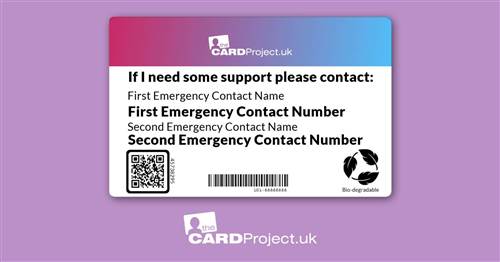
Specialist Information GuidesWe know that everyone’s health journey is a bit different. To help you find the specific answers you need, we are putting together a collection of more detailed guides. These will help you understand how your beta blockers might affect other parts of your life or other health conditions you might have. Understanding Beta Blockers: How They Affect the Heart and Circulation - Ever wondered what's actually happening when that little pill hits your system? We’ve broken down how beta blockers step in to shield your heart from stress and why that slower, steadier pulse is the best thing for your long-term health. Common Side Effects and Managing Daily Life on Beta Blockers - Adjusting to beta blockers is a journey of finding your "new normal." This guide pulls back the curtain on why you might feel cooler or dream in "Technicolor," offering practical, expert tips to stay comfortable while your medication does the vital work of shielding your heart. Exercise and Physical Activity While Taking Beta Blockers - Think you have to hang up your trainers just because you're on a beta blocker? Think again. This guide explains how to recalibrate your workout to match your "governed" heart rate, helping you stay fit, strong, and active without overstretching your heart’s new safety limits. A Guide to Using Over-the-Counter Meds, Supplements, and Alcohol with Beta Blockers - Taking a beta blocker changes how your body reacts to everything from Ibuprofen to your morning coffee. This guide breaks down the essential "Dos and Don'ts" of drug and diet interactions, explaining the mechanics of how to keep your heart's protection solid while navigating everyday life. Mental Well-being: Do Beta Blockers Cause Depression or Just "Medication Fatigue"? - If you feel like a "ghost" of your former self since starting heart medication, it isn't necessarily in your head—it’s in your chemistry. We break down the simple steps to stop your pills from "muting" your emotions and stealing your sleep, so you can protect your heart without losing your personality. Beta Blockers and the Social Balance: The real impact of Alcohol and Caffeine - Taking beta blockers doesn't mean your social life has to end, but it does mean the "house rules" have changed. This guide explores how alcohol and caffeine fight with your medication, and gives you a practical plan to enjoy a night out without the dizzy spells or the 3:00 AM heart thumps. The role of a Medicine ID card (Why being prepared matters)When you are taking a beta blocker, your body’s "normal" resting state changes. For example, if you were involved in an accident or suddenly felt unwell, a paramedic might take your pulse and find it is 50 beats per minute. Usually, a heart rate that low is a major "red flag" for medical staff, potentially suggesting shock or a serious heart problem. However, for you, that slower rate is simply a sign that your medication is doing exactly what it was prescribed to do. This is where a Medicine ID card becomes such a helpful part of your daily life. It acts as your voice when you might not be able to speak for yourself, making sure that anyone treating you has the right context immediately. Our cards provide the essential facts that medical teams need:
What to do in an emergency (Clear steps for peace of mind)While beta blockers are very safe and millions of people in the UK take them without any issues, it is always sensible to know what the "red flags" are. Being prepared isn't about worrying; it’s about knowing exactly what to do so you can stay in control.
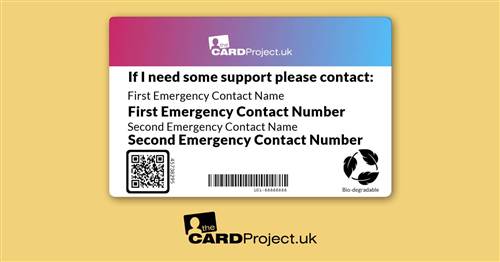
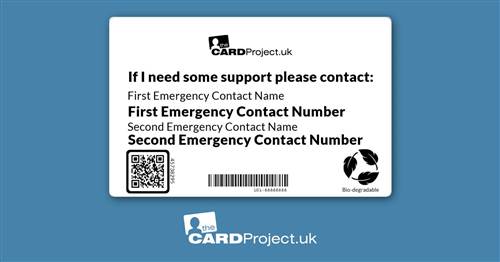
Why your Medical ID card is the first step:In a high-pressure situation, it can be hard to remember the names of your medications or explain your medical history to a paramedic. This is where your ID card does the heavy lifting for you. If you start to feel unwell, the very first thing you should do—or ask a bystander to do—is make your Medical ID card visible. When the ambulance arrives, showing them the card immediately tells the paramedics that you are on a beta blocker. This is vital because it changes how they treat you. It saves them time by explaining your low pulse right away, and it ensures they don't give you any emergency medicines that might react badly with the beta blockers already in your system. It’s the fastest way to get the right care. Choosing the right Medical Alert Card (How we can help you)We want to ensure that you feel confident and safe whenever you leave the house. While some people try to carry a handwritten note in their wallet, these can easily become torn, lost, or unreadable if they get wet. Our Medical Alert Cards are designed to be a permanent and reliable solution. Because everyone’s needs are different, we offer a range of options to suit you. You can choose between a personalised card, which can include your name and a clear photo for easy identification, or a non-personalised card that simply focuses on your medication and emergency contact details. Whichever version you choose, you can be sure of the same high standard: Built to Last: Every card is the size of a standard credit card and made from durable, biodegradable plastic. They are designed to live in your wallet or behind a clear phone case, so they are always with you when you need them most. Clear and Professional: We use bold, easy-to-read text and standard medical terms that any NHS doctor, nurse, or paramedic will recognise instantly. This removes any guesswork during a medical emergency. Fast UK Service: We are based right here in the UK and understand that once you’ve decided to carry a card, you want it as soon as possible. That is why we aim to print and dispatch all orders within 24 hours. Choosing a card is a simple, practical step that makes a world of difference to your safety. It ensures that the care you receive is as informed as possible, giving you and your family the peace of mind you deserve.
Your 3-Step Safety ChecklistTransitioning to life with beta blockers is much easier when you take a few proactive steps. We recommend following this simple checklist to ensure you are managing your medication as safely as possible: Get to know your "New Normal" pulse: Because your medication is designed to slow your heart rate, your pulse will likely be lower than it was before. Take your pulse while resting at different times of the day for the first week. Knowing that your "normal" is now, for example, 55 beats per minute helps you stay calm and gives you a clear baseline to share with your GP during your check-ups. Have a quick chat with your local Pharmacist: Your pharmacist is an excellent, free resource for anyone on long-term medication. Drop in and ask them to check if your beta blockers react with any vitamins, supplements, or over-the-counter cold and flu remedies you usually keep in the cupboard. It only takes a minute, but it ensures you aren't accidentally taking anything that could interfere with your treatment. Secure your Medical ID The most important safety step is ensuring that your medical status is visible when you can't speak for yourself. Whether you are out for a walk, driving, or travelling, having a clear Medical ID card in your wallet or phone case provides an immediate safety net. It ensures that any medical professional treating you in an emergency knows exactly why your heart rate is lower, allowing them to give you the correct care without delay. Frequently Asked QuestionsCan I still have a glass of wine or a beer?In most cases, a small amount of alcohol is fine, but you should be careful. Alcohol can make the "dizzy" side effect of beta blockers worse. It’s best to wait until you see how the medicine affects you before having a drink, and always stick to the recommended UK limits. Will I have to take these for the rest of my life?This depends entirely on why they were prescribed. If it’s for high blood pressure, you might take them long-term. If it was for a temporary heart issue or anxiety, your doctor might eventually taper you off them. Your GP will usually review this with you every year. Can I take them on an empty stomach?Most beta blockers can be taken with or without food. However, taking them with your breakfast can be a good way to remember to take them at the same time every day. If you find they make you feel a bit sick, taking them with food usually helps. What should I do if I miss a tablet?Don't panic. If you remember within a few hours, take it. If it’s nearly time for your next dose, just skip the one you missed and carry on as normal. You should never take two tablets at once to "catch up," as this could make your heart rate or blood pressure drop too low. Why do I get weird dreams now?Some types of beta blockers can affect your sleep or give you very vivid dreams. This is quite common and isn't usually anything to worry about. If it’s stopping you from getting a good night's rest, mention it to your GP, as they might be able to switch you to a different type that doesn't affect your sleep as much.
© 2024 The Card Project Uk Ltd
VAT: 453 2087 06
|