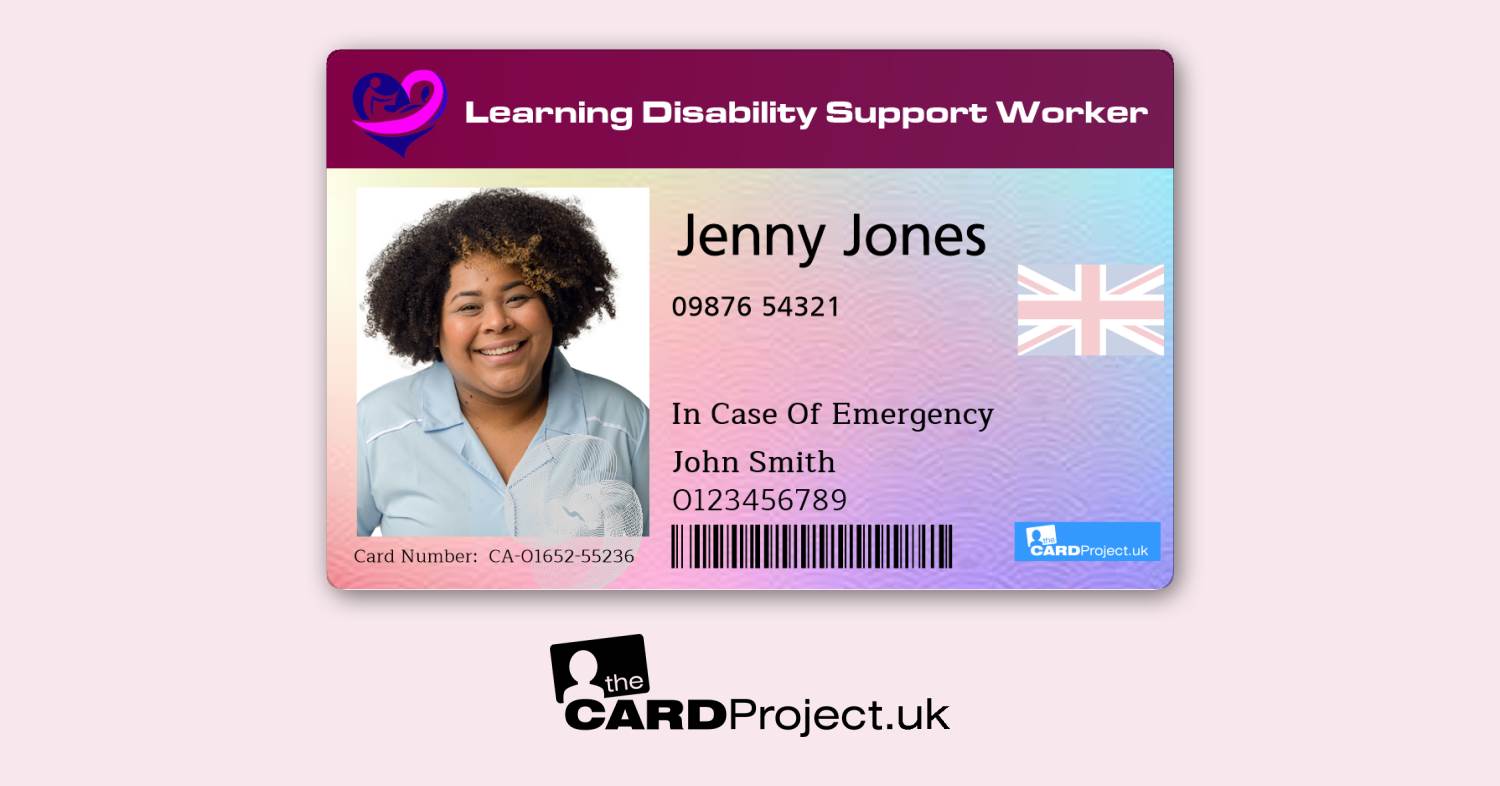
Care ID Cards for Carers and Care Workers in the UK
Understanding the Importance of Care ID Cards for Carers and Care Workers
In today’s health and social care sector, the role of carers and care workers is more critical than ever. These are the people who provide essential support to those who need it, whether due to age, illness, or disability. They work in residential homes, in the community, and within families. In this landscape, a simple tool like a Care ID Card becomes incredibly important, serving as a clear and immediate way to verify a person's identity and their role as a carer.
To truly grasp their significance, it helps to understand the two main groups of people this involves. First, there are the professional care workers, who are trained and employed to support individuals in their own homes or in care settings. Second, there is the vast, often invisible army of unpaid carers—family members, friends, and young people—who look after a loved one day in and day out. For both groups, an ID card serves a purpose, though the challenges it helps overcome can be slightly different.
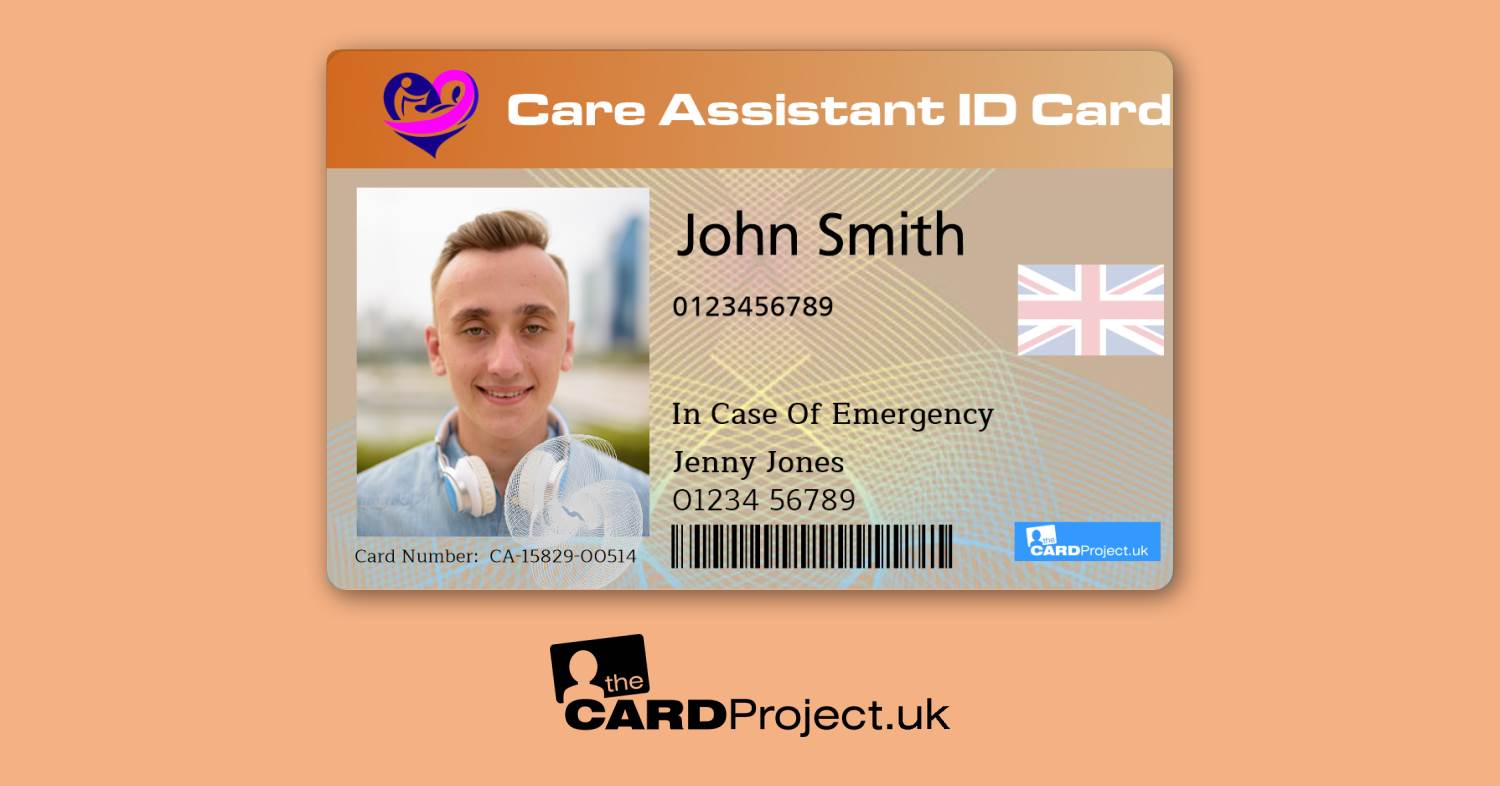
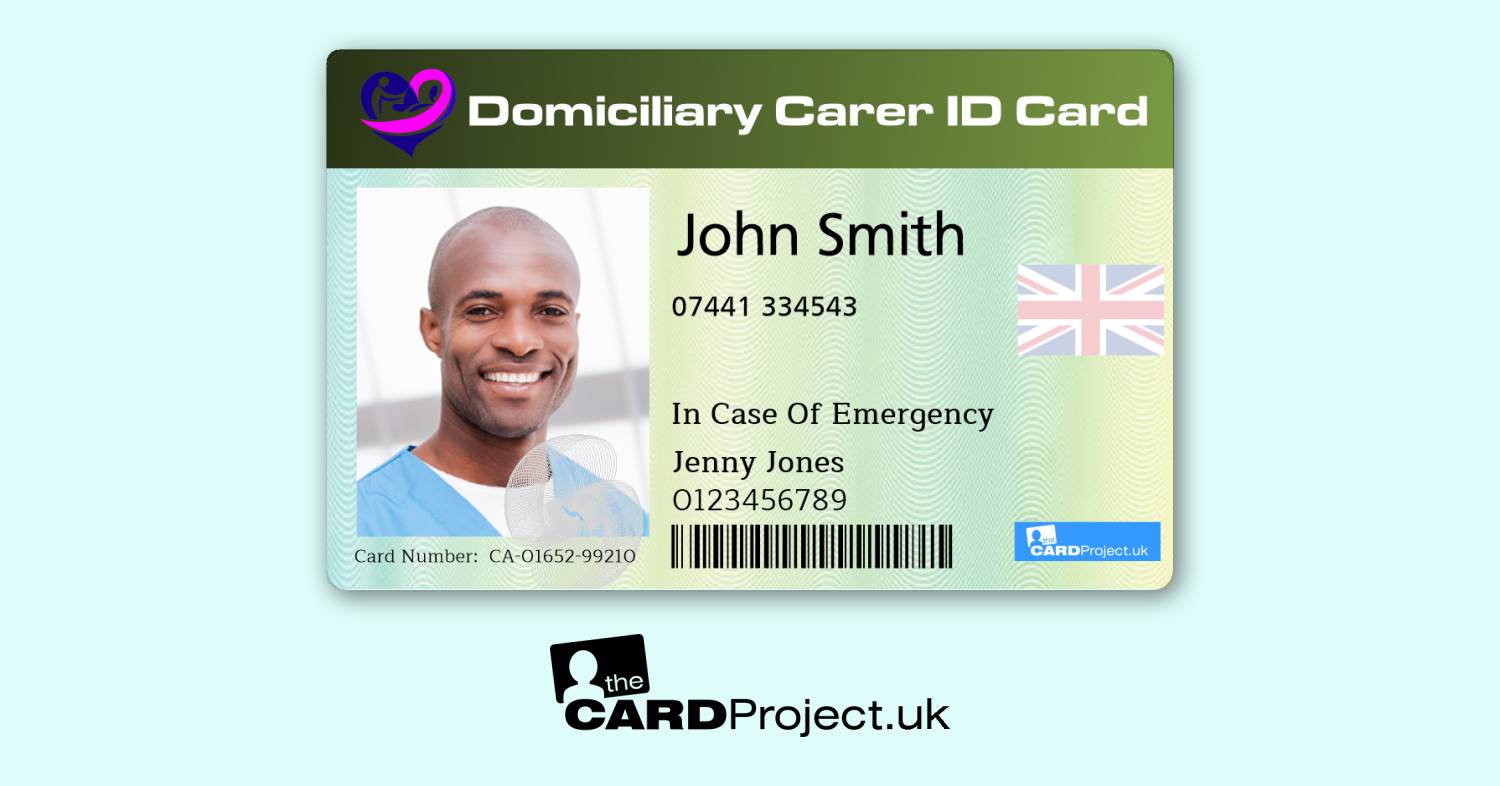
For a professional care worker visiting someone at home, an official ID card is the first step in establishing trust. It offers immediate reassurance to a potentially vulnerable person and their family that the individual at their door is a legitimate professional from a recognised organisation. It confirms they are who they say they are and that they have a right to be there. In a practical sense, it’s a key to the door, allowing them to carry out their duties safely and efficiently.
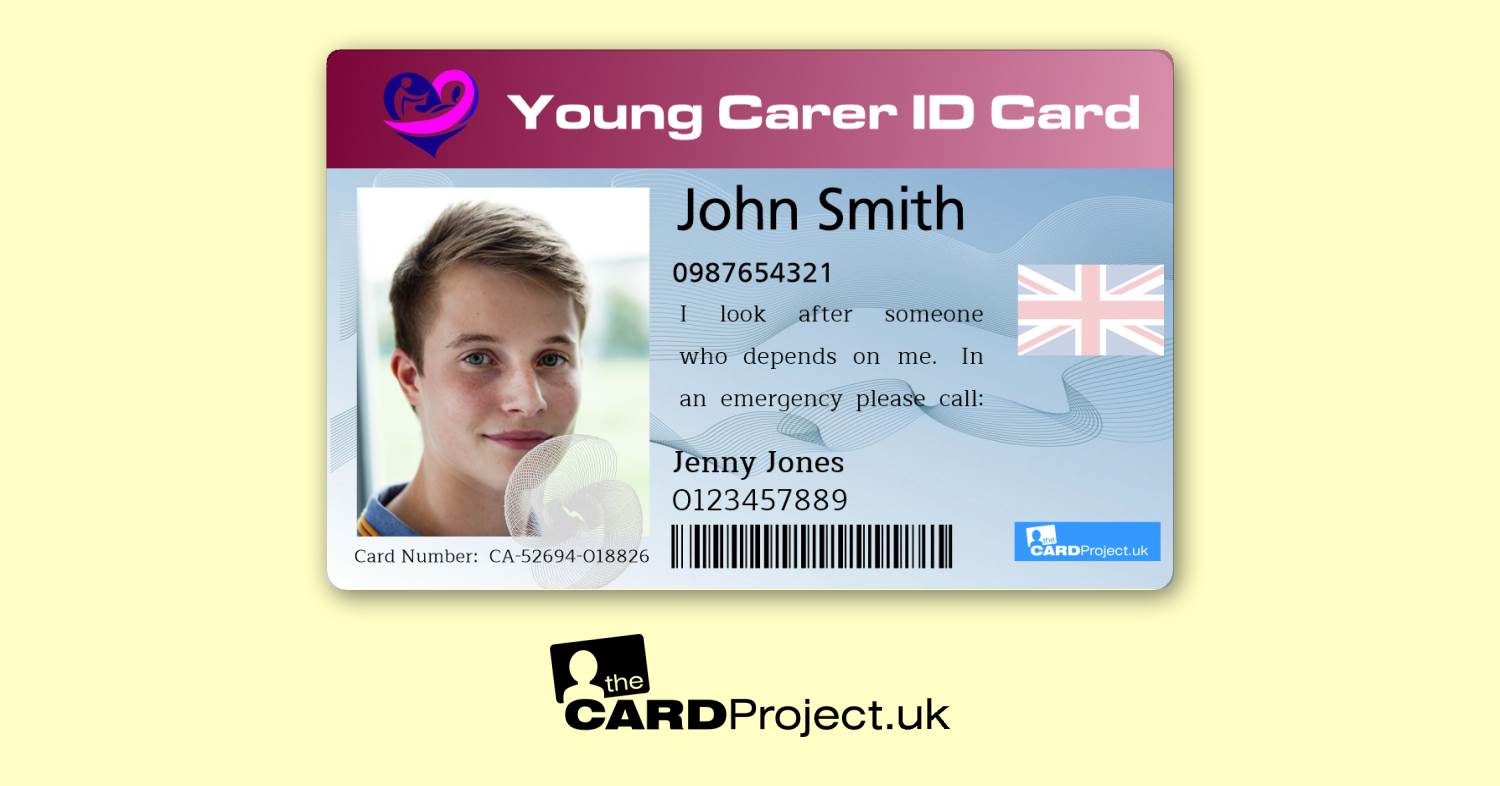
For an unpaid carer, including a young carer, an ID card plays a different but equally vital role. It provides formal recognition of their caring responsibilities in situations where they might otherwise be overlooked or not taken seriously. Imagine a teenager needing to collect a prescription for a parent, or needing to discuss a medical appointment on their behalf. An ID card can quickly and clearly communicate their status to pharmacists, GPs, or hospital staff, giving them the legitimacy they need to advocate effectively for the person they care for. It helps to cut through potential barriers and saves them from having to repeatedly explain a personal and often stressful situation to strangers.
Ultimately, a Care ID Card is more than just a piece of plastic with a name and photo. It is a tool of recognition, safety, and empowerment. It helps make interactions with health and social care services smoother, reduces stress for both the carer and the person they support, and validates the essential role that millions of people play in our communities every single day.
What is a Carer?
A carer is someone who, without being paid, provides essential help and support to a family member or friend. The person they look after would find it difficult to manage without this help because of an illness, a disability, a mental health condition, or an addiction. The term 'carer' can sometimes be confusing. It doesn't just mean someone who cares about another person; it describes the active and often demanding role of providing practical and emotional support.
Carers are the invisible glue holding families and communities together. They are not volunteers in the traditional sense, and they didn't apply for a job. They are parents, partners, children, and friends who have stepped into the role because someone they love needs them. The help they provide can range from helping with washing and dressing, cooking meals, and managing medication, to providing constant emotional support, managing finances, and acting as an advocate during medical appointments. It is a role that often goes unrecognised, performed quietly behind closed doors.
The Importance of Care ID Cards for Carers
For unpaid carers, including young carers, having a formal ID card can be incredibly helpful. It provides a simple way to confirm their role in a variety of situations, reducing stress and breaking down barriers.
-
It provides official recognition and legitimacy. When a carer needs to speak to professionals like doctors, pharmacists, or social workers on behalf of the person they care for, an ID card can make the process much smoother. It quickly confirms their role, giving them the credibility needed to discuss sensitive information or make important arrangements. For a young carer, this is particularly important, as it helps adults take them seriously and understand their position.
-
It acts as a safety net in an emergency. If a carer were to have an accident or suddenly become ill, an ID card can alert emergency services to the fact that someone at home is vulnerable and relies on them for support. Many cards include space for an emergency contact number, ensuring that an alternative plan can be put in place quickly so that the person being cared for isn't left without help.
-
It can simplify access to support and community spaces. Many venues such as museums, cinemas, and leisure centres offer concessions or free entry for a carer who is accompanying a person with a disability. An ID card is a discreet and straightforward way to prove eligibility without needing to have a long and potentially intrusive conversation about personal circumstances.
-
It helps validate their role. The role of a carer can be isolating and is often invisible to the outside world. Having a formal ID card can provide a sense of validation. It is a small but powerful acknowledgement of the huge contribution they make, and a reminder that they are part of a wider community of carers who share similar experiences.
What is a Young Carer?
A young carer is a child or teenager under the age of 18 who helps to look after a relative who has a long-term illness, a disability, a mental health condition, or an issue with substance misuse. They are not simply children who help out with chores; they carry a level of responsibility that is far beyond their years. The person they care for might be a parent, a sibling, or even a grandparent who lives with them.
The tasks they take on are often things most adults would manage. This can include practical jobs like cooking, cleaning, and shopping, as well as personal care like helping someone to get washed and dressed. Many also provide crucial emotional support, becoming a source of comfort and stability for the person they look after. These significant responsibilities are carried out alongside the normal pressures of childhood, such as attending school and doing homework. This can have a profound impact on their own life, affecting their education, their health, and their chance to simply be a child.
The Role of Care ID Cards for Young Carers
For a young carer, an ID card is more than just a piece of plastic; it is a key that can unlock understanding and support from the adult world.
-
It offers them vital recognition for their responsibilities. So much of what a young carer does happens behind closed doors, unseen and unacknowledged. An ID card is a formal, visible way of saying "I am a carer." This can be empowering, helping them to feel more confident and less invisible. It validates their role and the important contribution they make to their family.
-
It can significantly improve communication with schools and healthcare professionals. A young carer might be late for school because of a difficult morning at home, or too tired to concentrate in class. Showing a card to a teacher can provide instant context, helping the school to understand their situation and offer the right support without the young person having to explain their personal circumstances over and over again. Similarly, when dealing with doctors or pharmacists, the card confirms their role, ensuring that they are taken seriously when asking questions or collecting medication for the person they care for.
Defining Care Workers, Care Assistants, and Support Workers
While the term 'carer' is often used for family and friends providing unpaid support, there is a whole professional sector of people who are employed to provide care. These roles, such as care worker, care assistant, and support worker, are the backbone of our formal health and social care system. Although the job titles are sometimes used interchangeably, they can have slightly different focuses.
A care worker or care assistant is usually focused on providing direct personal care. They work on the front line, helping people with the essential activities of daily life. This could be in a residential care home or, very often, in a person's own home. Their day-to-day work is incredibly varied and hands-on. It involves helping people to get washed and dressed, preparing meals, administering medication, and assisting with mobility. Just as importantly, they provide companionship and emotional support, often forming strong bonds with the people they look after.
A support worker often has a role that is focused on enabling independence. Their goal is to empower people to live the fullest life they possibly can. They might work with individuals who have learning disabilities, mental health conditions, or physical disabilities. Rather than doing tasks for someone, a support worker will often do tasks with them. This could mean helping someone learn to budget and go shopping, supporting them to attend a college course or a social club, or assisting them in finding employment. Their work is about building skills, confidence, and connection to the community.
Why Care ID Cards are Crucial for Professional Carers
For anyone working in these professional caring roles, an official ID card is not just a formality; it is an essential tool of the trade.
-
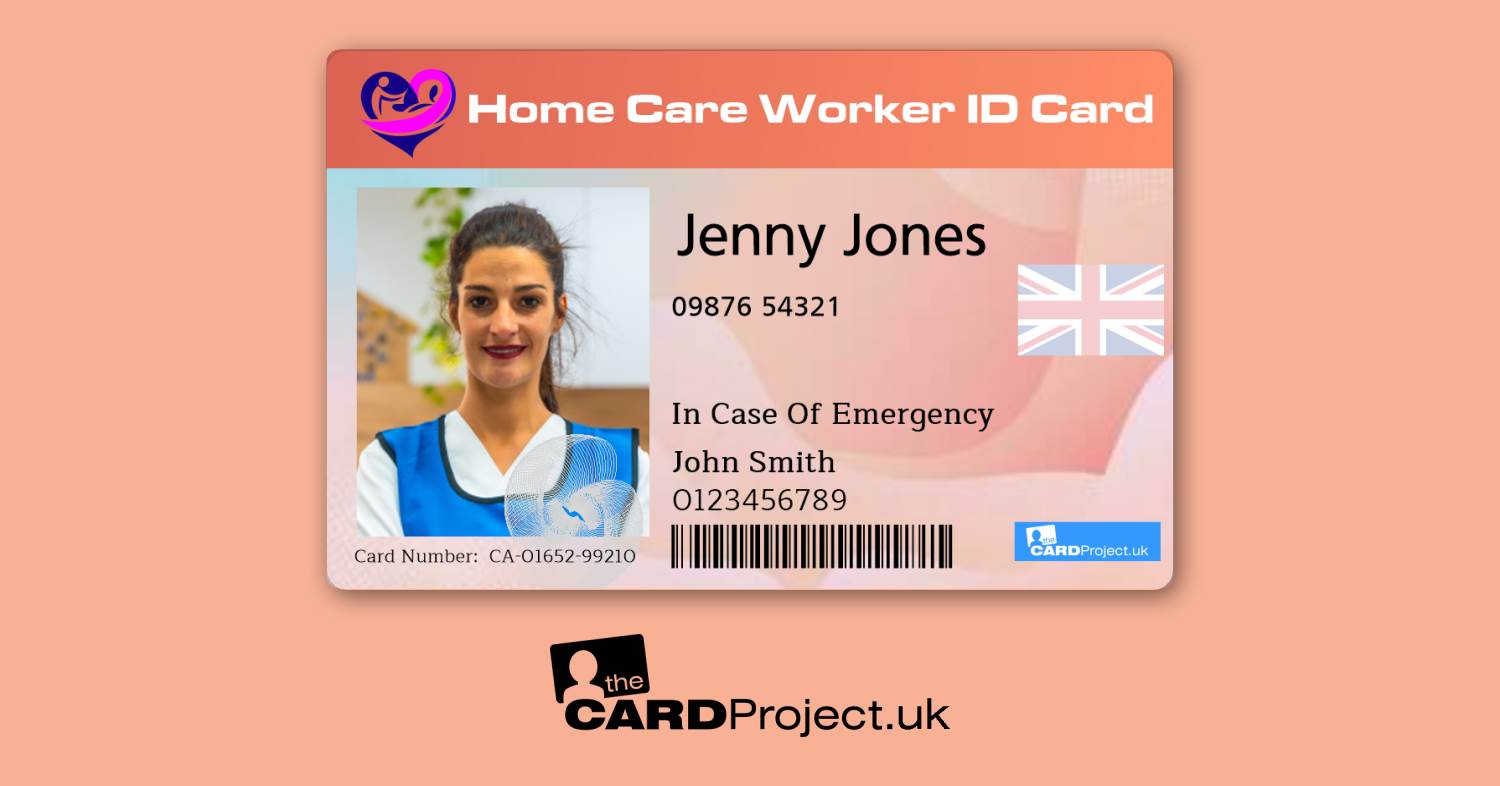
It verifies their professional status and builds immediate trust. When a care worker arrives at a client's home for the first time, they are a stranger. An ID card, usually showing their photo, name, and the organisation they work for, provides instant reassurance. It proves they are a legitimate professional, which is crucial for the safety and peace of mind of the vulnerable person they are there to support, as well as their family.
-
It ensures they can access the places they need to be. A professional's work isn't always confined to one room. They may need access to secure residential buildings, specific wards in a hospital, or other restricted areas to do their job properly. An ID card acts as a key, allowing them to move through different environments smoothly and without challenge, ensuring they can get to their client without delay.
-
It serves as official identification when providing support. A care professional often has to interact with other services on behalf of their client. This could be collecting a prescription from a pharmacy, speaking to a GP's receptionist to book an appointment, or liaising with a social worker. In all these situations, an ID card confirms their authority to act on their client's behalf, making these interactions quicker and more efficient, and ensuring the person they support gets the seamless care they need.
Carer and Care Worker Cards by The Card Project UK
Whether you’re a professional care worker, a family member looking after a loved one, or a young person helping out at home, your role is important. In all of these situations, there are times when you need to quickly show who you are and what you do. It could be at a hospital, a doctor's surgery, or at school.
An ID card is simply a tool to make these moments easier. It helps confirm your role without you needing to go into a long, personal explanation every time. It’s a straightforward way to show that you are a carer, which can help make conversations with professionals a lot simpler.
The cards are designed to be practical and useful in your day-to-day life. Here at The Card Project UK, we also think it’s important to be mindful of our environmental impact, which is why we make our cards from biodegradable materials.
Your work as a carer, whether it's your job or your family role, makes a huge difference to someone's life. An ID card is just a small thing that can help support you while you do it.
If you think having a card might make things a bit easier for you, you can find the ones we make for carers, young carers, and care workers at The Card Project UK.
© 2024 The Card Project Uk Ltd
VAT: 453 2087 06
|