|
Care Worker ID Cards
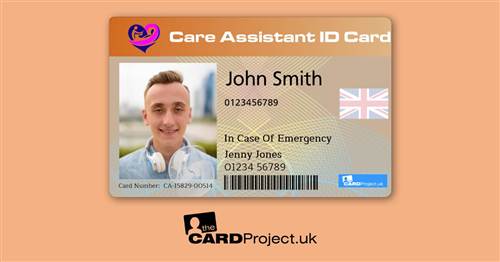
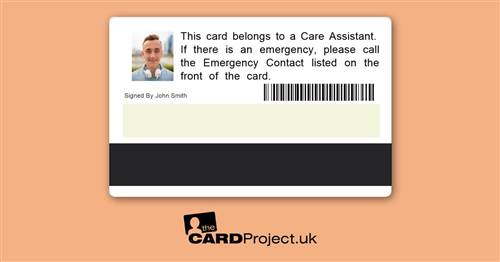
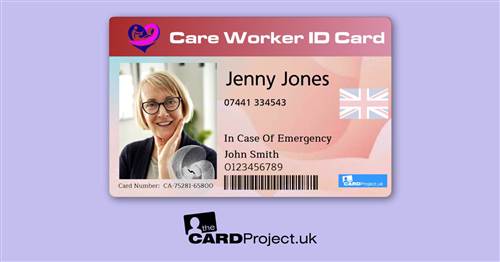
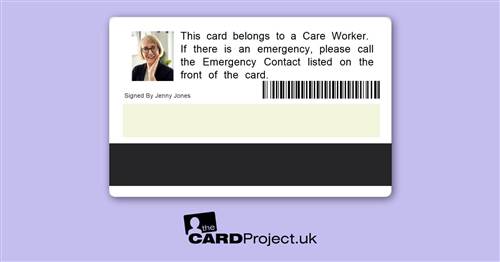
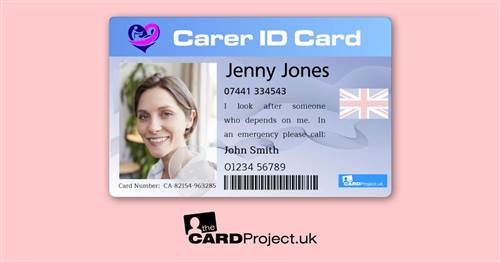
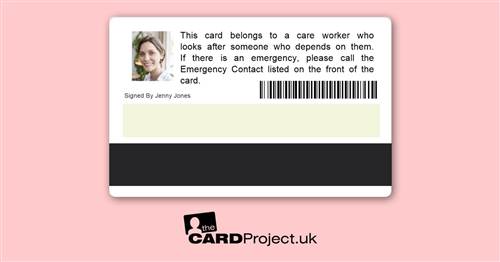
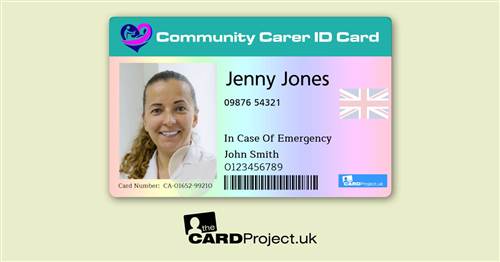
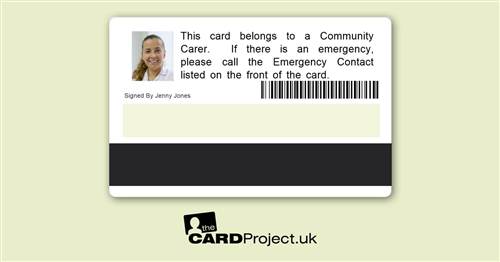
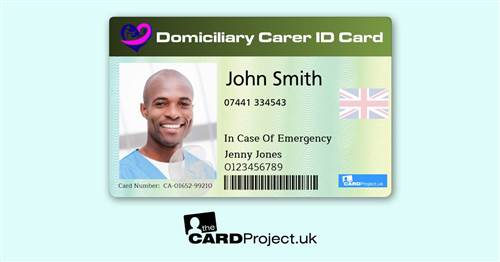
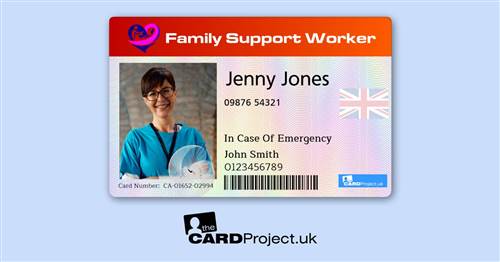
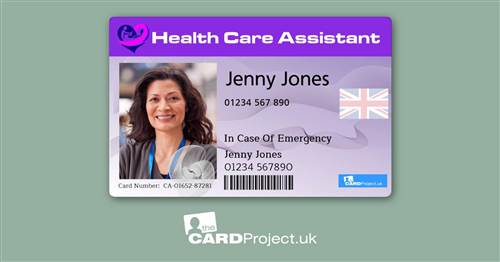
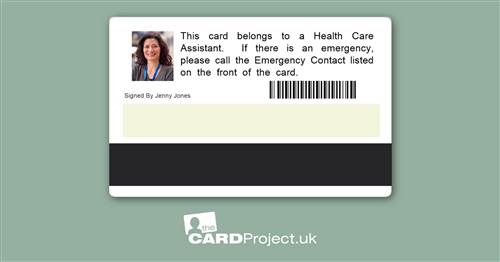
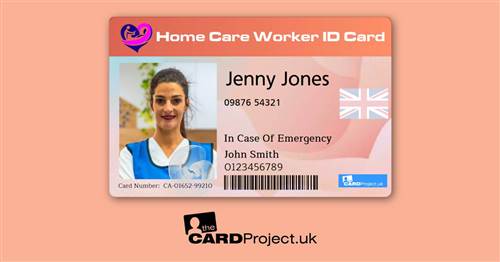
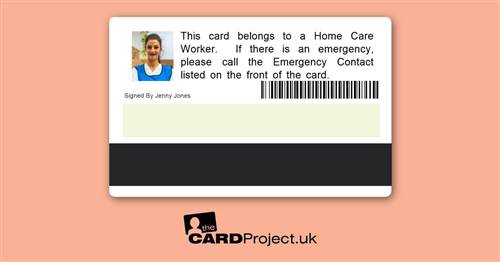
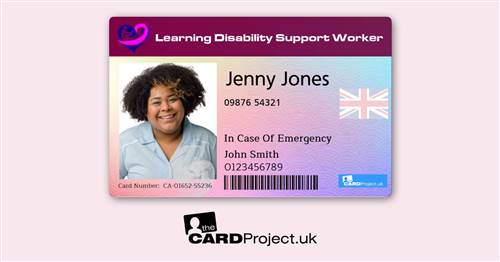
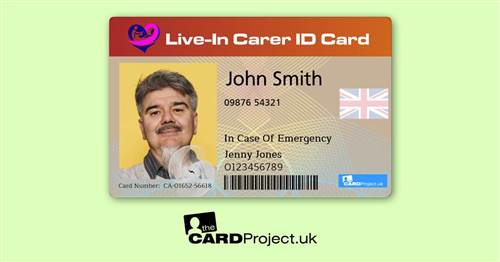
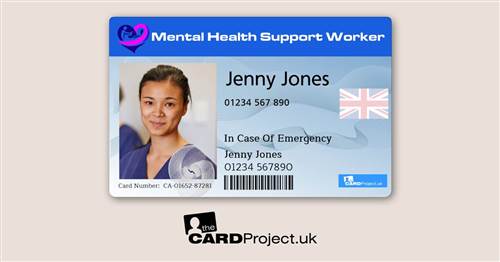
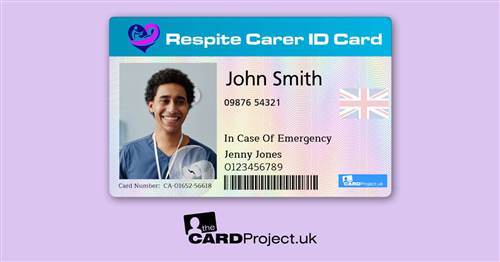
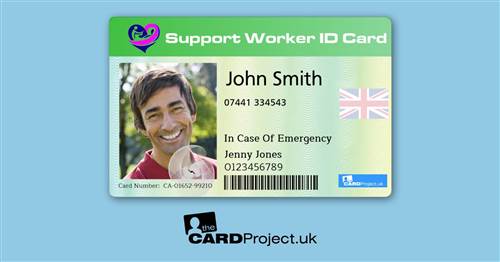
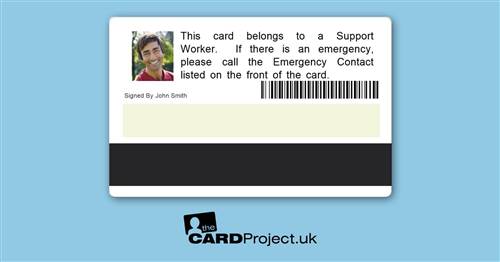
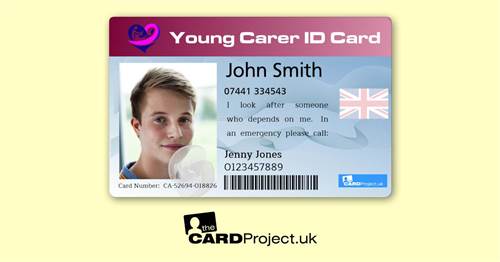
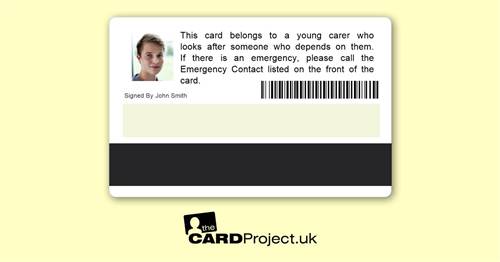
Care Worker ID Cards: A Practical Guide to Identification, Safety, and TrustWorking in care is a role built on personal connection. Whether you’re a professional support worker, a domiciliary carer visiting someone in their own home, or a family member looking after a loved one, your day is defined by the responsibility you have for someone else's well-being. Often, the hardest part of the job isn't the care itself—it’s the moments in between. It’s being recognized for the role you’re doing when you’re standing at a front door, checking in at a hospital, or picking up a prescription. A clear, reliable ID card is a simple tool that helps with those moments. It isn’t just a bit of plastic; it’s a way to show who you are, build trust quickly, and make sure there's a plan in place if something goes wrong. In this guide, we’ll look at how identification fits into the modern care landscape and how a simple card can make your daily life a little bit easier. Why a Physical ID Card Still Matters in 2026We live in an increasingly digital world, and you might have a "digital ID" on your phone. However, in the care sector, physical cards remain an essential tool for a few very practical reasons. Building Trust at the DoorWhen you arrive at a client’s home, that first moment at the door is everything. For home carers or those working alone, showing a photo ID immediately removes doubt. It tells the person you're visiting—and their neighbours—exactly who you are and why you're there. We’ve specifically designed our cards to be Dementia-Friendly. This means using high-contrast colours and bold, clean fonts. If you are caring for someone with visual impairments or cognitive challenges, a clear ID card helps them identify you without the stress of having to squint at a screen or a poorly printed badge. The Backup That Doesn't Need a BatteryTechnology is great until it isn't. If you’re working in a rural area with no signal, or if you’ve been on a long shift and your phone battery dies, a digital ID is useless. A physical card is a vital fail-safe. It’s always there on your lanyard or in your pocket, ready to work even when your phone won't. Helping Unpaid and Family Carers Feel SeenIf you’re looking after a family member, you often have to advocate for them at GP surgeries or pharmacies. It can be exhausting having to explain your role over and over again. Having a formal ID card is a quiet, professional way to say, "I am the person responsible for this care." It helps you get taken seriously without having to share your whole life story with a stranger at a desk. Identification for Every Care RoleThe care world is broad, and the way you identify yourself should reflect the specific work you do. We provide cards for a wide range of roles to make sure your title is accurate and clear:
For Managers: Safety and Quality StandardsIf you’re running a care service or a care home, you know that identification is about more than just a name tag—it’s part of your commitment to safety. Meeting CQC ExpectationsWhen inspectors look at how "Safe" and "Well-Led" your service is, they want to see that you’ve thought about safeguarding. Making sure every staff member has a verified, clear photo ID is a simple, effective way to show you’ve got those bases covered. It protects your staff, but more importantly, it protects the vulnerable people in your care by ensuring they always know exactly who is entering their space. Handling Data ResponsiblyWe know that when you send us photos and staff details, you’re trusting us with sensitive information. We take that seriously.
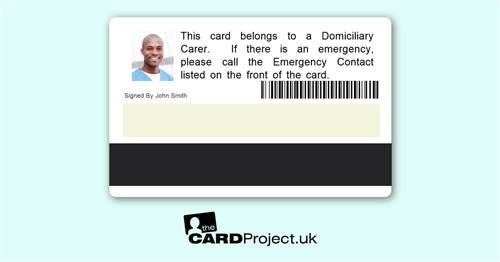
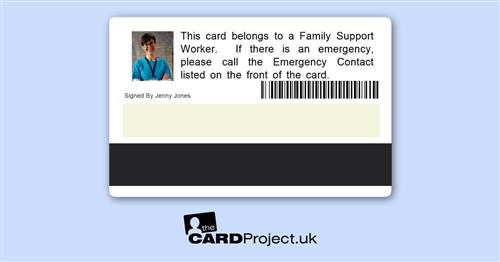
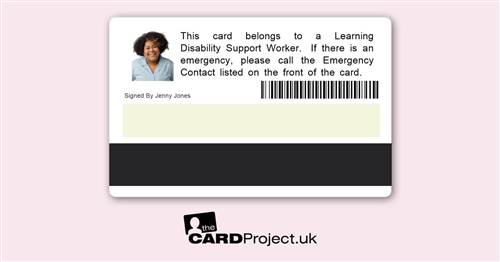
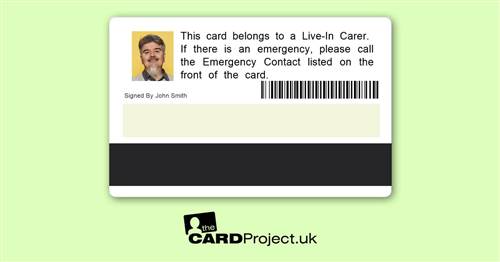
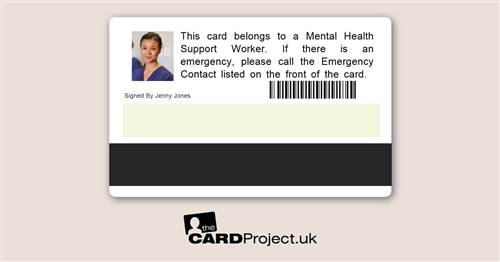
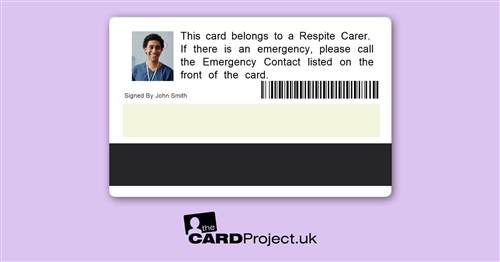
What’s Included on the Card?Every Care ID card we make is double-sided and designed for clarity. We use a sturdy, biodegradable plastic that’s the same size as a standard credit card (86mm x 54mm CR80 Standard), so it fits into any standard lanyard or wallet. On the front:
On the back:
Because we use high-definition thermal printing, the details won't smudge or fade easily, even if the card is handled every single day. Custom Branding for TeamsIf you’re looking to get cards for a whole team, we can make them look consistent with your organization’s branding. We can add your logo and colours to a bespoke layout. Once you're happy with the design, we set up a private area on our website for you. This makes it incredibly easy to log in and order a single card whenever a new staff member joins, without having to start the design process all over again. Frequently Asked QuestionsAre these cards accepted by the NHS?While we aren't an official NHS body, our cards follow the "clear-type" and high-contrast standards often expected in clinical settings. They are widely used by carers to identify themselves at hospitals and GP surgeries across the UK. Can I get a card if I’m an unpaid carer?Yes. You don't need a payroll number to be a carer. We believe that family members providing care deserve the same level of identification and emergency backup as professional staff. Is the plastic environmentally friendly?Yes. We use a biodegradable plastic that is just as tough as standard PVC but will break down much more quickly once it eventually ends up in a landfill. What if I need to change my emergency contact?Because the details are printed directly onto the card for security, you would need to order a replacement card if your details change. This ensures the information on the back is always clear and hasn't been scribbled over. How to Get Your ID CardWe’ve tried to make the process as straightforward as possible. You pick the card that fits your role, upload your photo, and fill in your emergency details. Everything is printed and shipped directly from us in the UK. Explore the range above and the pick the card that works for you. Professional Resources: Supporting Your Career in CareIdentification is just one part of being a professional carer. To support our community, we are building a library of Expert Information Guides designed to help you navigate the complexities of the UK care sector in 2026. Whether you are an individual carer looking to upskill or a manager staying on top of the latest CQC changes, our upcoming resources will cover:
Why we provide these: We believe that better-informed carers provide better care. Our guides are researched to ensure they reflect the most current UK legislation and clinical standards.
© 2024 The Card Project Uk Ltd
VAT: 453 2087 06
|