|
Penicillin Allergy Medical Cards
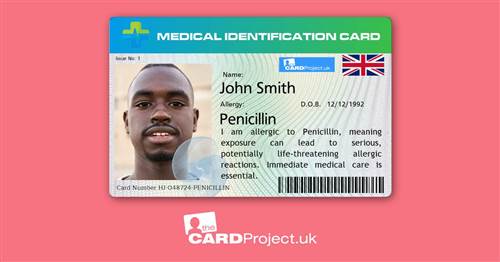
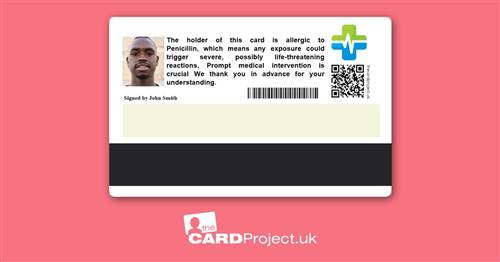
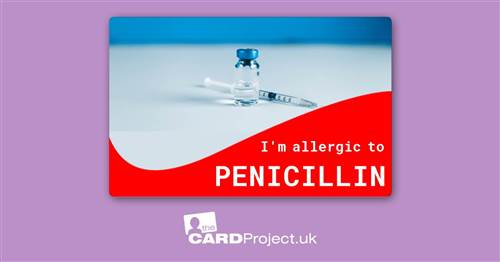
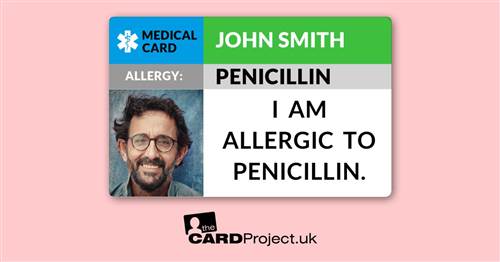
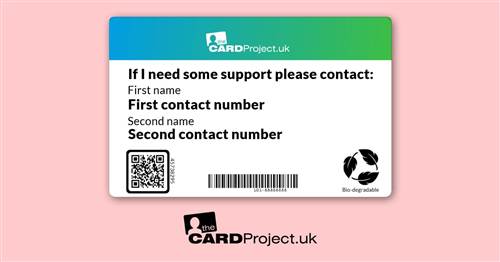
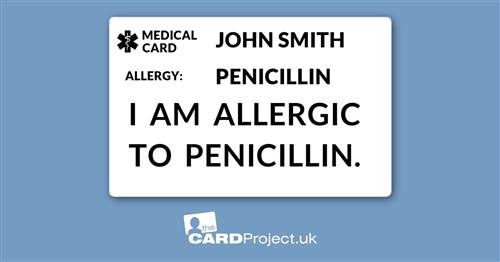
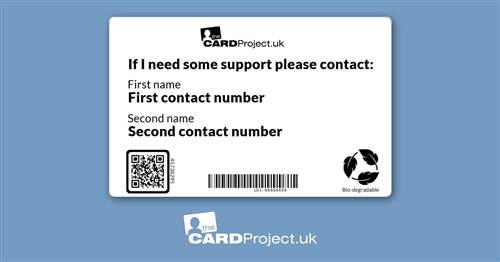
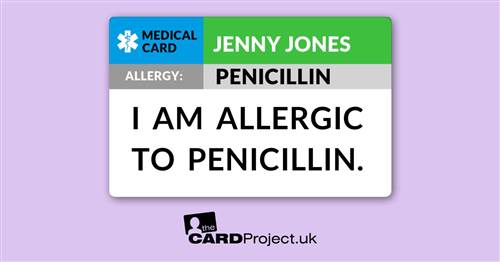
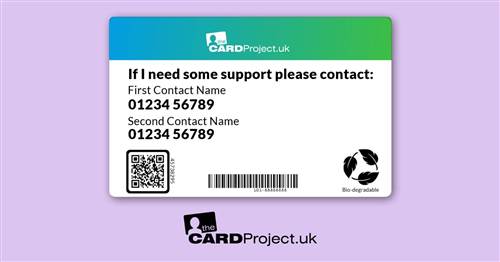
Penicillin Allergy: The Complete Safety and Management ResourceIf you live with a penicillin allergy, you are managing one of the most common—but often most misunderstood—medical labels in the world. Whether you were diagnosed following a reaction as a child or developed a sensitivity later in life, this diagnosis changes how you interact with every level of the healthcare system. Staying safe isn't just about avoiding a single pill; it’s about a comprehensive approach to communication, awareness, and preparation. This guide is designed to help you navigate those complexities and ensure that your health needs are never overlooked, even in situations where you cannot speak for yourself. The Reality of Living with a Drug AllergyPenicillin is a "first-line" antibiotic, meaning it is the preferred choice for doctors treating everything from simple ear infections to life-threatening pneumonia. Because it is so ubiquitous, having an allergy means you are constantly navigating a world where the standard treatment is unsafe for you. Why Communication is Your Primary Safety ToolIn a modern medical environment, a lot is expected of the patient. You are often the only constant link between your GP, your dentist, your local pharmacist, and any specialists you might see. While electronic records have improved, they are not a perfect safety net. Data can be entered incorrectly, systems can fail to sync, and in an emergency, those records may not be accessible at all. This is why physical identification is more than just a convenience—it is a critical safety backup. The Role of a Penicillin Medicine Alert CardWe provide durable, plastic Penicillin Alert Cards designed to bridge the communication gap. Unlike a phone that can run out of battery or a digital record that requires a login, a physical card is an "always-on" alert.
[Explore our range of Penicillin Alert Cards] Understanding the "Penicillin Family"One of the most dangerous misconceptions is that penicillin is just one drug. In reality, it is a large family of related antibiotics. Many patients are accidentally exposed because they don't recognize that a prescribed medication belongs to this group. Common Names and "Hidden" PenicillinsIf you see any of the following names on a prescription or a medication bottle, you must stop and alert your healthcare provider immediately:
The Problem with Brand NamesPharmaceutical companies often use brand names that sound nothing like "penicillin." This is why carrying a list of your allergies, or a card that clearly states your condition, is so important. When a doctor writes a script, they might use a name like Amoxil or Principen. Without a clear alert, a pharmacist or nurse might not realize the connection until it is too late. Navigating Specific Medical ScenariosManaging your allergy requires different strategies depending on where you are and who is treating you. 1. At the DentistDentists are among the highest prescribers of antibiotics in primary care. Because many dental infections are caused by bacteria that penicillin is specifically designed to kill, it is the "default" for many practitioners. The Practical Step: Don't wait for the dentist to ask. Place your medical alert card on the equipment tray or desk as soon as you sit in the chair. This ensures the allergy is top-of-mind while they are planning your treatment. 2. Planned Surgery and Hospital StaysIf you are going into the hospital for a procedure, you will likely be given "prophylactic" antibiotics to prevent post-operative infections. These are often administered via IV while you are being prepared for surgery. The Practical Step: Mention your allergy during your pre-operative assessment, to the anesthesiologist, and to the ward nurse. Keeping your medical card clipped to your intake paperwork or visible on your bedside table provides an extra layer of visual verification for the rotating staff. 3. The Pharmacy CheckYour pharmacist is your final line of defense. When picking up any new medication—even if it isn't for an infection—get into the habit of asking: "Is this safe to take with my penicillin allergy?" Cross-Reactivity: Understanding CephalosporinsIf you are allergic to penicillin, you may have been told to also avoid a group of antibiotics called Cephalosporins (common names include Keflex, Ceftin, and Rocephin). These drugs are "cousins" to penicillin. In the past, it was thought that up to 10% of people with a penicillin allergy would also react to cephalosporins. Modern medical research has shown that the actual risk is much lower—closer to 1% or 3%. However, "low risk" is not "no risk." This is a nuance you should discuss specifically with your GP or an allergist. They can determine if you are a candidate for these medications or if you should avoid them entirely. Your medical card can be customized to include "Avoid Cephalosporins" if your doctor deems it necessary. Can You Outgrow a Penicillin Allergy?This is perhaps the most important development in drug allergy management in recent years. Medical data now shows that up to 80% of people who had a penicillin allergy as a child may no longer be allergic as adults. Why the "Label" MattersBeing incorrectly labeled as "allergic" can actually be harmful to your health. If a doctor can't give you penicillin, they have to use "second-line" antibiotics. These are often:
The "De-labeling" ProcessIf it has been more than 10 years since your last reaction, or if you only remember having a mild rash as a child, talk to your GP about de-labeling.
If you pass these tests, the allergy can be removed from your record, giving you access to the most effective treatments for the rest of your life. Safety for Children and FamiliesFor parents of a child with a penicillin allergy, the primary challenge is ensuring that safety information travels with the child when you aren't there.
Information Guides: Penicillin Management LibraryTo help you manage your allergy with confidence, we are developing a series of detailed information guides. These resources will provide in-depth advice on specific topics relevant to penicillin-allergic patients. This section will be updated as new guides are published. Penicillin Allergy Symptoms: The Definitive Guide to Allergy vs. Side Effects - While 10% of people report a penicillin allergy, 90% are actually mislabeled. This guide reveals the critical biological signs of a true allergy and explains why your "expired" childhood diagnosis could be a hidden risk to your long-term health. UK Guide to Medicine Allergies: Penicillin, Aspirin, Ibuprofen, and Antibiotics - From debunking common penicillin myths to navigating the tricky cross-reactivity of everyday painkillers, this guide decodes the UK's most frequent medication hypersensitivities to help patients distinguish between minor side effects and life-threatening allergic reactions. Quality and Durability You Can Depend OnA medical alert is only useful if it is readable. We manufacture our cards to the same rigorous standards as a standard credit card.
We believe that staying safe should be simple. A penicillin alert card is a small, practical tool that provides a massive amount of security for you and your family.
© 2024 The Card Project Uk Ltd
VAT: 453 2087 06
|