Why Carry a Medical ID Card?
If you live with a long-term health condition, you know how most days just feel like normal life. You manage things in the background, and everything runs smoothly more often than not. But there are those times when something unexpected happens—a sudden episode, a flare-up, or even something unrelated like a fall—and suddenly someone else has to step in to help you. In those moments, you might not be able to explain your situation clearly, or at all. That's where a medical ID card can make a genuine difference.
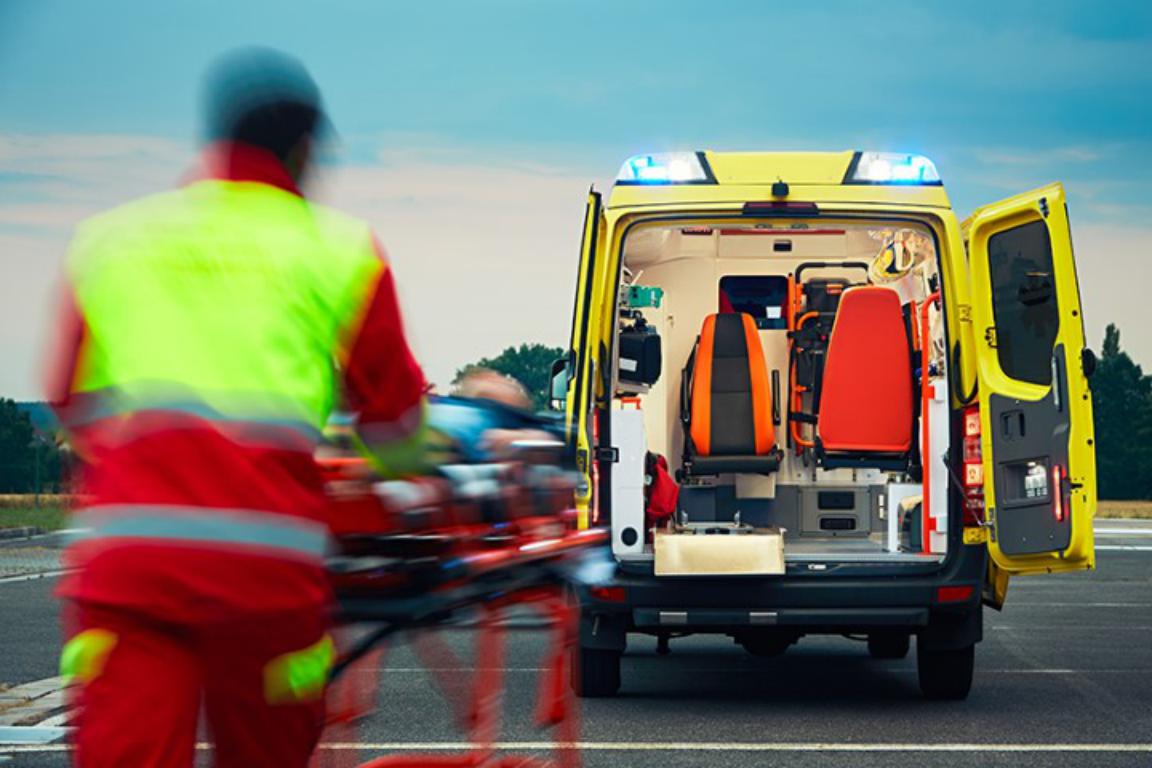
A medical ID card is simply a small card that fits in your wallet. It carries the key details about your health: your main condition, any allergies, the medications you take, and emergency contacts. Paramedics and other emergency responders in the UK are trained to check wallets for exactly this kind of information. Having it there means they can get the important facts quickly, without having to guess or wait for you to explain.
The real benefit comes from how it helps others support you properly. It reduces delays, prevents mistakes, and often leads to better outcomes. Many people who carry one say it's not about expecting trouble every day—it's about having that quiet reassurance that if trouble does come, the basics are already taken care of.
This guide looks at the common ways carrying a medical ID card helps in real life. We'll go through different situations where people find it useful, drawing from the kinds of experiences shared in health communities and supported by advice from organisations like the NHS and MedicAlert.
When Communication Is Hard
One of the most common reasons people choose to carry a medical ID card is because their condition can sometimes make talking difficult.
Examples of situations where speech can become difficult
-
Severe allergic reactions are a clear example. Anaphylaxis can cause throat swelling within minutes, making speech impossible just when you need to warn people about your allergy or tell them where your adrenaline auto-injector is.
-
A very bad migraine can leave you in so much pain that forming sentences feels impossible.
-
Low blood sugar from diabetes can cause confusion or slurred speech that makes you hard to understand.
-
A stroke-like episode from another condition might do the same.
In all these cases, the people around you—whether strangers, colleagues, or family—need to know what's happening quickly. Without clear information, they might not recognise the problem or might try the wrong kind of help. A medical ID card changes that by giving them the essentials immediately.
Many who live with these kinds of sudden episodes say carrying a card takes away some of the background anxiety about being out alone. If something happens on public transport, while shopping, or when travelling away from home, the card speaks for you. It helps bystanders or first responders understand the situation faster and pass on accurate details when ambulance crews arrive.
Over the years, people have shared how this small step has made them feel more confident going about their daily lives.
When Your Condition Isn't Obvious
Not every health condition shows on the outside, and that can create its own challenges.
Examples of hidden or fluctuating conditions
-
Conditions like chronic fatigue syndrome, fibromyalgia, lupus, or multiple sclerosis often fluctuate. You might look and act completely fine for hours or days, then suddenly feel exhausted or in pain.
-
Mental health conditions, anxiety disorders, PTSD, or sensory processing differences can be just as hidden.
Because nothing looks "wrong," other people sometimes don't realise you need support. They might question why you're sitting down, leaving early, or seeming distant. In medical settings, it can mean doctors asking the same questions repeatedly or not fully understanding your history.
A medical ID card helps by providing that missing context without you having to find the energy to explain everything each time. It quietly confirms your situation and guides people towards better understanding.
This becomes especially useful in everyday places. At work, it can help colleagues or managers grasp why you sometimes need adjustments. In social settings or public spaces, it reduces the need for long conversations when you're already struggling.
Many people notice that over time, this cuts down on the mental and emotional drain of constantly having to justify or describe their condition. It lets them save energy for the things that matter more.
In Emergencies
When a real emergency happens, speed and accuracy matter more than anything.
First responders arrive and have to assess the situation fast. They work with what they see and what they're told. If they don't know your medical background, symptoms can easily be misinterpreted.
Common misinterpretations that a card can help avoid
-
Confusion or unresponsiveness from low blood sugar has sometimes been mistaken for intoxication or other issues.
-
A seizure might look alarming to someone who doesn't know it's part of your epilepsy.
-
A collapse from a heart-related condition or postural problem can lead to assumptions that delay the right care.
A medical ID card sits in your wallet ready to give them the key facts from the moment they start helping. It helps teams recognise what's actually happening and begin appropriate treatment sooner.
In busy A&E departments, where staff see hundreds of patients, having your details upfront can prevent mix-ups with medications or allergies. It also means family or doctors get contacted quickly.
Health organisations have pointed out for years that quick access to accurate medical information like this can improve outcomes in emergencies. People living with conditions that carry higher risks often describe the card as an important safety layer.
For rarer conditions, the help can be even more significant. Standard training covers common emergencies well, but less familiar ones can leave gaps. Conditions requiring very specific immediate steps benefit greatly from having clear information available right away.
Neurological and Cognitive Conditions
Conditions that affect the brain, thinking, or communication can create unique challenges in daily interactions and during unexpected situations. These are often referred to as invisible or hidden disabilities because symptoms may not be immediately obvious to others.
Examples of such conditions include:
-
Dementia or Alzheimer's disease, where individuals may experience momentary confusion, forgetting important personal details, recent events, or medications.
-
Parkinson's disease, which can cause slowed speech (dysarthria), reduced facial expressions, tremors, or bradykinesia (slowed movement), sometimes leading others to misinterpret these as disinterest, intoxication, or uncooperativeness.
-
Autism spectrum conditions, ADHD, stroke, or traumatic brain injury, which can affect information processing, sensory sensitivities, or executive function, making it difficult to respond quickly to questions—particularly in stressful, fast-paced, or noisy environments.
In public settings, during police encounters, or in emergencies, these symptoms might appear as confusion, hesitation, non-verbal responses, or apparent lack of cooperation. This can unfortunately result in misunderstandings, heightened responses from staff, security personnel, or emergency responders, and unnecessary escalation.
A medical ID card provides straightforward, immediate guidance to those around you. It briefly outlines the condition and recommends supportive approaches, such as speaking clearly and slowly, minimising background noise, using simple language, allowing additional processing time, or offering written communication options. Feedback from many individuals living with these conditions and their carers highlights how this simple tool promotes greater patience and understanding, helping to de-escalate situations and prevent misjudgements. It often empowers people to participate more confidently in community activities, travel, or social outings, with reduced fear of being misunderstood.
Neurological and Cognitive Conditions
Conditions that affect the brain, thinking, or communication can create real challenges in everyday interactions and unexpected situations. These are often called invisible or hidden disabilities, as the symptoms aren’t always obvious to others, even though they can make it harder to process information, communicate clearly, or respond quickly.
Common examples include:
-
Dementia or Alzheimer’s disease, where someone might suddenly struggle to remember personal details, recent conversations, or their medications.
-
Parkinson’s disease, which can slow down speech, reduce facial expressions, cause tremors, or make movements stiff and deliberate—sometimes leading others to wrongly assume the person is uninterested, intoxicated, or unwilling to cooperate.
-
Autism spectrum conditions, ADHD, stroke-related aphasia, or traumatic brain injury, which can affect how quickly information is processed, heighten sensory sensitivities, or make it difficult to follow questions, especially in stressful, noisy, or unfamiliar settings.
In public places, during security checks, police stops, or emergencies, these signs can come across as confusion, hesitation, or lack of cooperation. Unfortunately, this can lead to misunderstandings, unhelpful reactions from staff, security, or responders, and sometimes unnecessary escalation.
A medical ID card gives people nearby clear, immediate guidance in those moments. Many individuals and their carers say it helps encourage more patient and understanding responses, reduces the risk of situations getting worse, and prevents misjudgements. It can make a big difference in giving people the confidence to go out, travel, work, or socialise, knowing there’s less chance of being misunderstood.
For Seizures and Similar Episodes
Seizures come in many different forms, and most don’t look like the dramatic convulsions people often imagine. Understanding the variety is important for knowing how to respond safely.
Examples include:
-
Tonic-clonic seizures (formerly called grand mal), with stiffening of muscles followed by rhythmic jerking, possible loss of awareness, and sometimes tongue-biting or incontinence, often followed by confusion.
-
Absence seizures (petit mal), brief moments of staring or unresponsiveness that can look like daydreaming, particularly common in children.
-
Atonic seizures or “drop attacks,” where muscles suddenly go limp, causing the person to collapse.
-
Focal seizures, which might involve odd sensations, repetitive movements, or changes in awareness without full loss of consciousness.
-
Dissociative or non-epileptic seizures, often linked to stress or psychological factors, which can look very similar to epileptic ones but have different causes.
When someone sees a seizure, they often react out of fear and try to help in ways that can unintentionally cause harm—such as holding the person down, putting something in their mouth, or moving them roughly.
A medical ID card provides straightforward first-aid guidance right when it’s needed. People who experience seizures regularly often say it helps turn worried or panicked reactions into calmer, safer ones, making public episodes less distressing for everyone and supporting a smoother recovery.
For Severe Allergies, Food, and Gut Conditions
Some conditions demand strict avoidance of certain triggers, where even tiny exposure can lead to serious, sometimes life-threatening, consequences—either immediately or over time.
Examples include:
-
Severe allergies to peanuts, tree nuts, shellfish, insect stings, latex, or specific medications, which can trigger anaphylaxis—a rapid reaction affecting breathing, blood pressure, and the whole body.
-
Coeliac disease or inflammatory bowel conditions like Crohn’s disease or ulcerative colitis, where contact with gluten or other triggers causes lasting damage, severe pain, diarrhoea, or prolonged flare-ups that can lead to malnutrition or hospital stays.
-
Other severe gut-related issues, such as eosinophilic disorders or mast cell conditions, where triggers bring on intense, debilitating symptoms.
In restaurants, at events, on planes, in schools, workplaces, or even hospitals, staff or others might not fully realise how serious and strict the requirements are, raising the risk of accidental exposure through cross-contamination or oversight.
A medical ID card acts as a clear, visible alert at critical times, especially when someone might not be able to speak up effectively. Parents, adults living alone, and frequent travellers often find it offers valuable extra protection and peace of mind in situations where mistakes could have big consequences.
For Chronic Pain and Variable Mobility
Many conditions cause symptoms that fluctuate a lot—pain, fatigue, or mobility can be manageable one day and overwhelming the next, affected by things like activity, weather, or stress.
Common examples include:
-
Ehlers-Danlos syndromes or hypermobility disorders, with unstable joints, frequent dislocations, and varying levels of pain and tiredness.
-
Different forms of arthritis, such as rheumatoid or osteoarthritis, bringing unpredictable inflammation, swelling, and stiffness.
-
Myalgic encephalomyelitis/chronic fatigue syndrome (ME/CFS), fibromyalgia, lupus, or multiple sclerosis, where energy and physical ability can change dramatically, sometimes with severe post-exertional crashes.
Because these conditions are usually invisible, someone might look completely fine one moment and need help the next, which can lead to doubt or reluctance when they ask for support.
This inconsistency often makes simple things—like requesting a seat on public transport, priority in a queue, or assistance in a shop—feel awkward or met with scepticism.
A medical ID card helps by briefly explaining the fluctuating nature of the condition. Many people say it makes those requests easier for others to accept, leads to fewer challenging encounters, and takes
In Everyday Situations
A medical ID card isn’t just useful in big emergencies—it can help with the smaller, repeated moments that add up over time.
Examples include:
-
Handling a panic attack, acute anxiety, PTSD flashback, or dissociative episode in a crowded or busy place, where a quick signal for space or calm support can make a difference.
-
Dealing with sensory overload from autism, migraine, tinnitus, or post-concussion issues, needing a quieter spot, lower lighting, or a break from strong smells or noise.
-
Going through airport security or other screenings when carrying medical devices or managing hidden conditions.
-
Routine healthcare visits—GP appointments, dental check-ups, blood tests, or therapy sessions—where it can reduce the need to keep repeating complex medical histories or requirements.
Many people carry one mainly for these everyday situations, as it saves energy, cuts down on constant explanation, and offers quiet reassurance. Those who live alone, travel frequently, or have busy lives often find it especially helpful.
It's Your Choice
In the end, whether to carry a medical ID card is entirely your choice and what works best for your life. Some people get one and rarely need it, keeping it as a just-in-case backup. Others find it useful more often. There’s no right or wrong—it’s about what gives you peace of mind.
At The Card Project UK, we design and print medical ID cards for people with all sorts of conditions. They're made to fit neatly in your wallet and hold the details that matter. If this guide has made you think a card could be useful for you or someone you care about, we’d be happy to help. Visit our website to explore your options and get started.
© 2024 The Card Project Uk Ltd
VAT: 453 2087 06
|