The Ultimate Guide to Realistic Prop ID Cards for Film, TV, Theatre, and Children's Fancy Dress
Props are often the little things that pull everything together. A good one can make a scene feel real in an indie film, help an actor settle into their role on stage, or turn a child's costume into something they get properly excited about. Realistic-looking ID cards are one of those props that work in all sorts of situations – whether it's a police warrant card, a hospital badge, or a firefighter's ID.
This guide is for anyone in the UK who works with props or costumes: indie filmmakers and TV crews on tight budgets, theatre groups from professional companies to amateur dramatics, stage schools, drama teachers, and parents sorting out fancy dress for parties, World Book Day, Halloween, or just everyday play. We'll go through why these props are so useful, how people actually use them in different settings, plenty of practical examples, and the important stuff like staying on the right side of UK rules.
Contents
People have been using ID-style props for years because they're small, light, and get the message across quickly. In a film close-up, flashing a badge tells the audience who the character is without needing extra lines. On stage, the audience can spot it from the back row. For kids, clipping on a badge suddenly makes them feel like a proper doctor or police officer when they're playing.
We've put this together from talking to people who do this day-to-day – prop makers, directors, theatre technicians, teachers, and parents. It's all based on what actually works in real productions and playtime, not just theory. Whether you're shooting a short film in a rented flat, putting on a school play, or helping your child dress up as an astronaut or paramedic, there's something here that'll help make it look and feel more believable.
How Prop ID Cards Bring Stories to Life
ID cards might look like a small addition, but they do a lot of heavy lifting when it comes to making a character feel real. They're small enough to slip into a pocket, light enough that no one notices they're carrying one, and they get the point across straight away – this person is a police officer, a doctor, a journalist, whatever the story needs.
In film or TV, a quick flash of a badge can replace a whole line of dialogue. The camera catches it in a close-up, the audience understands the authority or the job, and the scene moves on without feeling clunky. Directors we've heard from say it saves time on set and helps keep the pace tight, especially in indie projects where every minute counts.
On stage it's even more useful. From the back of the auditorium, costumes and big gestures do most of the work, but a clear ID badge clipped to a belt or hanging on a lanyard tells the audience who this character is meant to be, even if they're sitting far away. Theatre technicians often mention how it helps with quick costume changes too – just clip it on and you're done.
For children's fancy dress and playtime, it's all about that moment when the child suddenly feels properly "official". A little one wearing a firefighter helmet and holding a toy hose is cute, but add a realistic-looking ID badge and they stand a bit taller, give orders to their teddies, and get lost in the game for longer. Parents tell us it turns "playing dress-up" into proper imaginative stories – setting up a hospital in the living room, directing traffic with toys, or going on secret missions.
These props work well across so many different themes:
-
Emergency services: police officers, paramedics, firefighters – always popular
-
Medical roles: doctors, nurses, vets
-
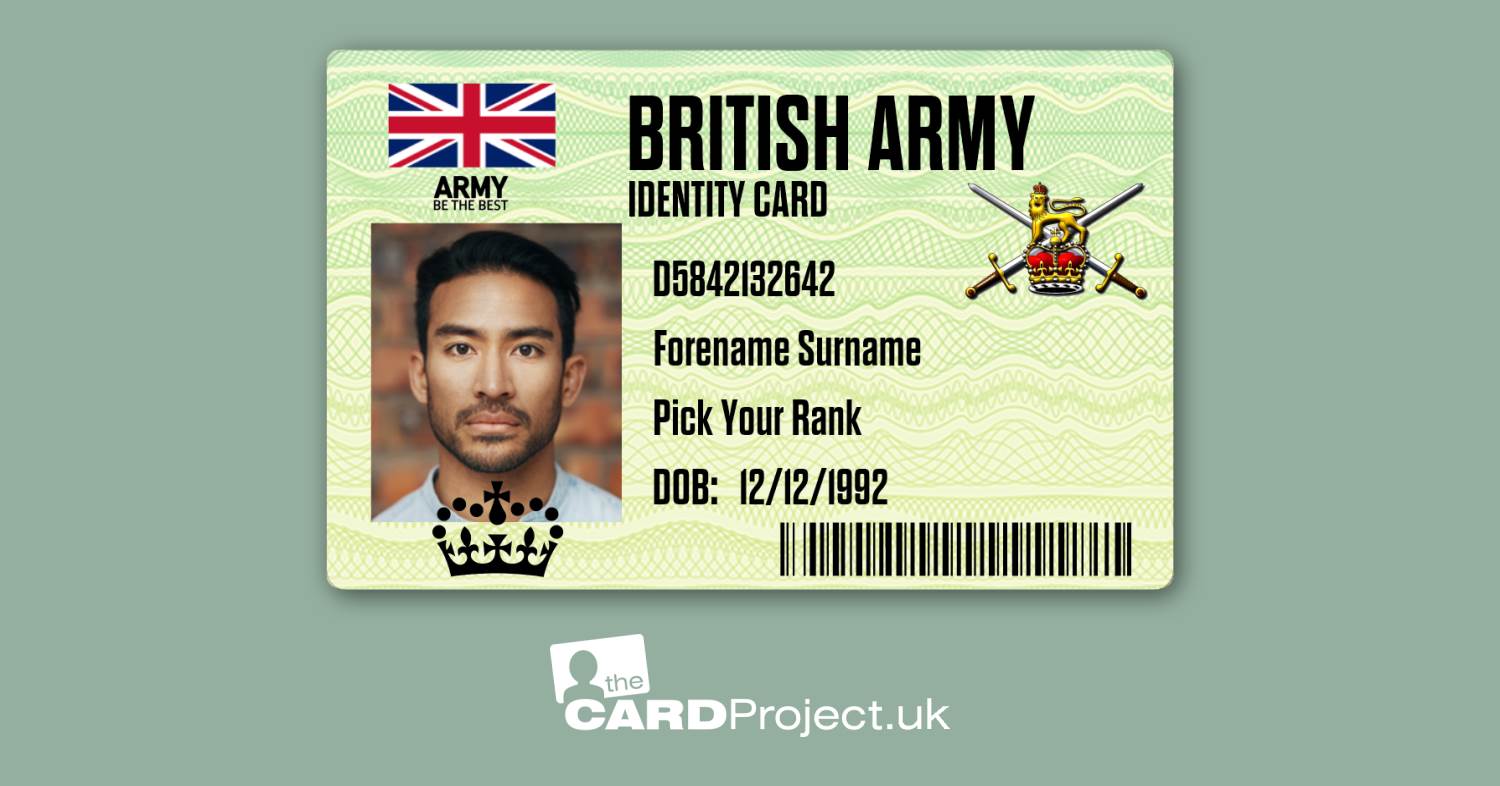
Authority figures: secret agents, military personnel, security guards
-
Transport: pilots, train drivers, even astronaut IDs
-
Everyday jobs: press passes for journalists, student cards, work IDs
-
Fun extras: driving licences for older kids playing "grown-up", or membership cards for imaginary clubs
People keep coming back to them because they're genuinely low-cost compared to bigger props, yet they make a big difference to how believable everything looks. You can personalise them easily – add a name, a photo, a made-up number – so they fit the exact character or child. When you're finished, they store flat in a drawer or envelope, ready for the next production or party.
We've heard from amateur theatre groups who reuse the same set of badges show after show, from film students who rely on them for short projects, and from parents who say their kids still pull out the old doctor badge months after World Book Day. They're one of those simple things that just works, no matter the scale of what you're doing.
Prop ID Cards in Indie Film and TV Production
Indie filmmakers in the UK usually have to make every pound count. Big props can eat up the budget quickly, but something like an ID card gives a lot of bang for very little money. It's small, easy to handle on set, and in a close-up it can make a character feel properly established without needing extra explanation.
A lot of indie shorts and low-budget features rely on these for quick character shorthand. You see a badge flash, and suddenly the actor isn't just someone in a suit – they're a detective with authority, or a paramedic who knows what they're doing.
Some common ways people use them:
-
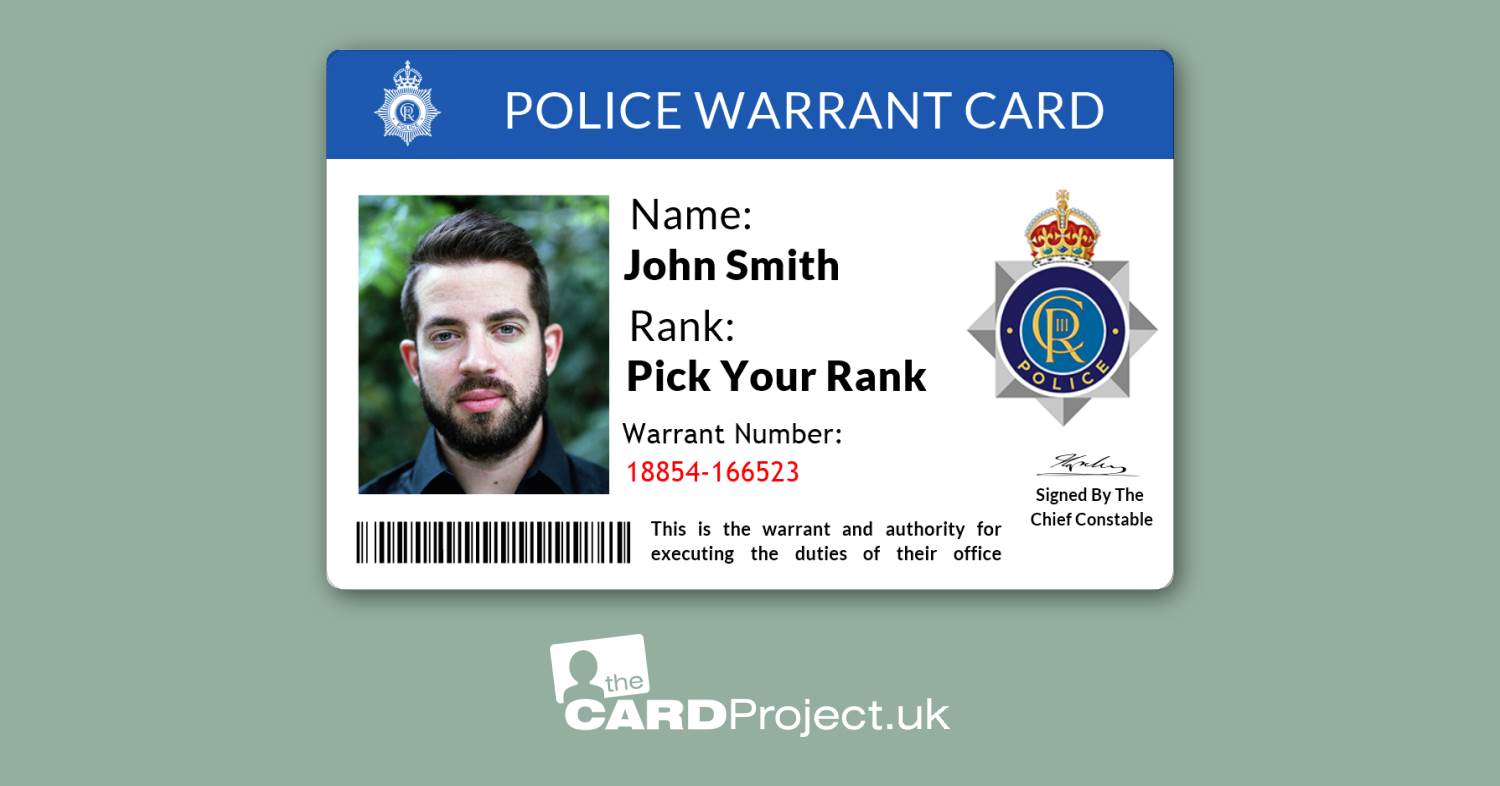
Police or detective stories: A warrant card pulled out during an interrogation scene – it adds tension straight away.
-
Medical scenes: Hospital ID badges for doctors or nurses, especially handy in handheld shots or dialogue-heavy moments.
-
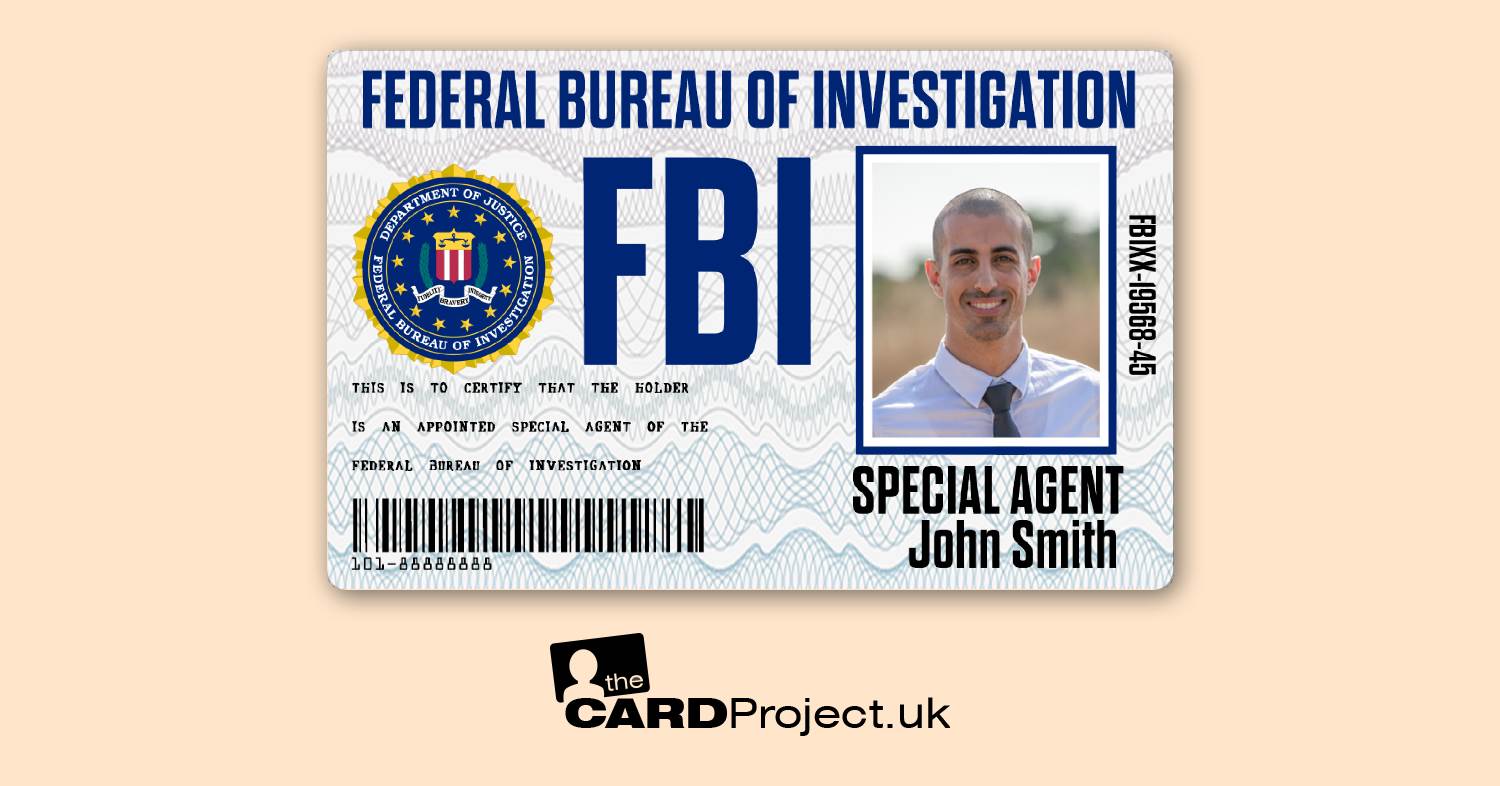
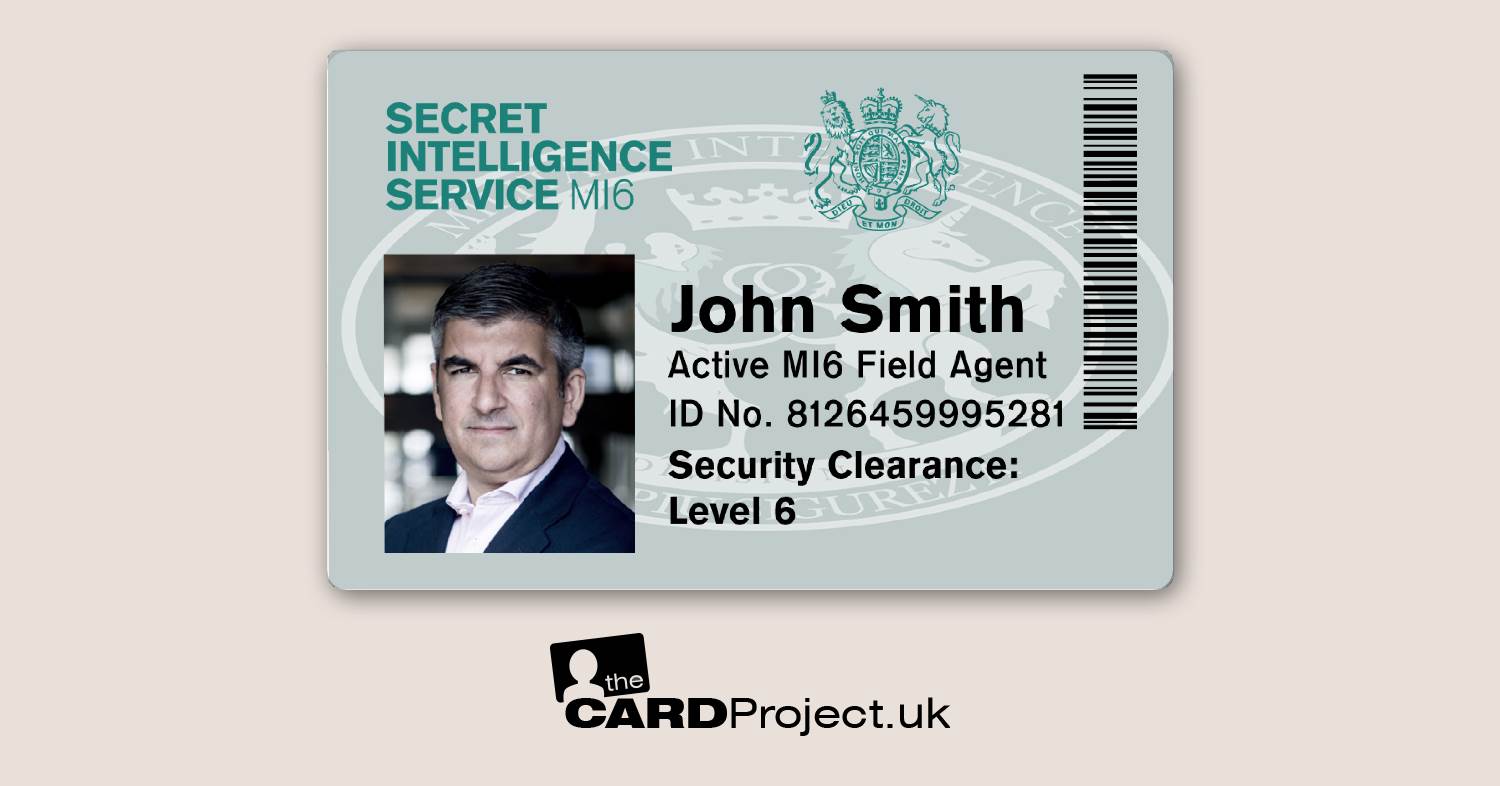
Spy or thriller plots: Fake MI6, FBI, or CIA credentials that the character flashes to get past security.
-
Sci-fi or dystopian: Security passes or access cards for restricted areas.
-
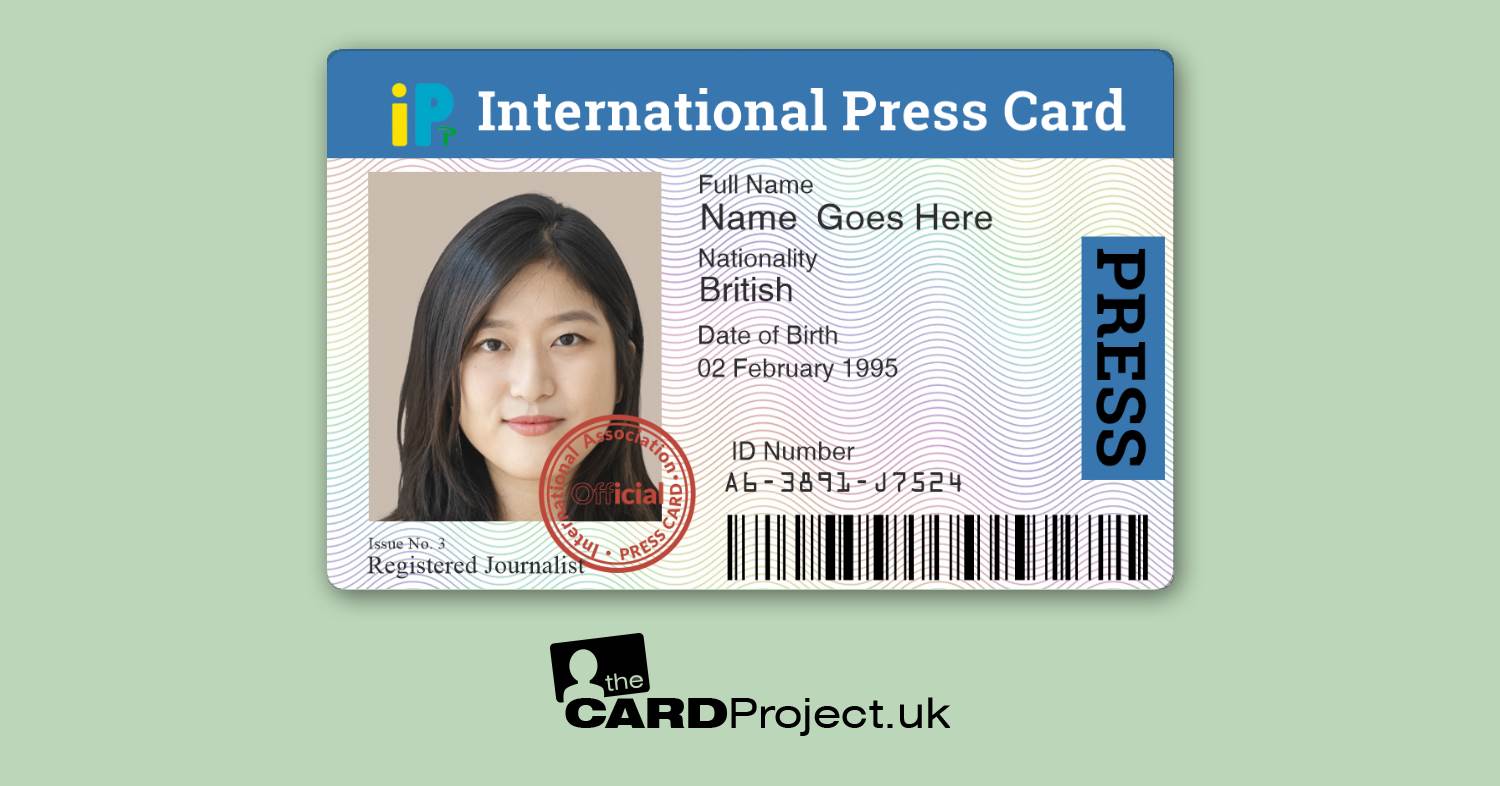
Everyday dramas: Press passes for journalists chasing a story, or work IDs for office-based scenes.
We've heard from directors who shot student films or crowdfunded projects that these little details help sell the world they're building, especially when locations are basic or borrowed.
A few practical tips that come up a lot in indie circles:
-
Go through your script early and mark every spot where an ID might show up. Note what needs to be readable – the character's name, job title, photo, maybe a fake number or expiry date.
-
Stick to durable plastic rather than paper – it feels right when handled, survives multiple takes, and looks better under lights.
-
Always keep details fictional. Change logos slightly, use made-up department names, or add "Drama Use Only" in small print – it avoids any headaches later.
-
If time is short, ready-made novelty cards you can personalise save hours compared to designing from scratch. Many crews need things fast because shoot dates move.
-
Double-sided printing makes a difference on camera – one side with the photo and details, the other with extra info or a barcode that catches the light.
-
Lighting matters too: matte finishes stop unwanted glare, while a slight gloss can look more like the real thing in certain shots.
UK prop makers often say keep it simple overall – save the complicated builds (like weapons or furniture) for things that absolutely need it, and use plastic cards for anything ID-related. If you're new to making props, places like City Lit in London run short courses on basic prop construction, and ScreenSkills offers traineeships that cover practical skills for film and TV.
More crews are going for biodegradable plastic options now. They hold up just as well during a shoot but break down afterwards, which fits with the push for greener productions – especially if you're applying for funding that looks at environmental impact.
In the end, these cards help indie projects punch above their weight. A £10 prop can make a scene feel like it cost thousands more, and that's exactly what most small productions need.
Prop ID Cards in Theatre Productions
Theatre props have to do a few specific jobs: they need to be visible from the back of the stalls, tough enough to survive being handled eight shows a week, and quick to attach or remove during fast costume changes. ID cards tick all those boxes. Clip one to a lanyard or belt, and it's there when needed, gone when it's not.
In a lot of productions, the badge does some quiet storytelling. The audience spots it from rows away and immediately clocks the character's job or status, without the actor having to spell it out.
Here are some ways theatres use them:
-
Modern plays: Press passes for journalists in newsroom scenes or political dramas – think David Hare or James Graham shows.
-
Crime or courtroom pieces: Police warrant cards or solicitor IDs that get flashed during tense moments.
-
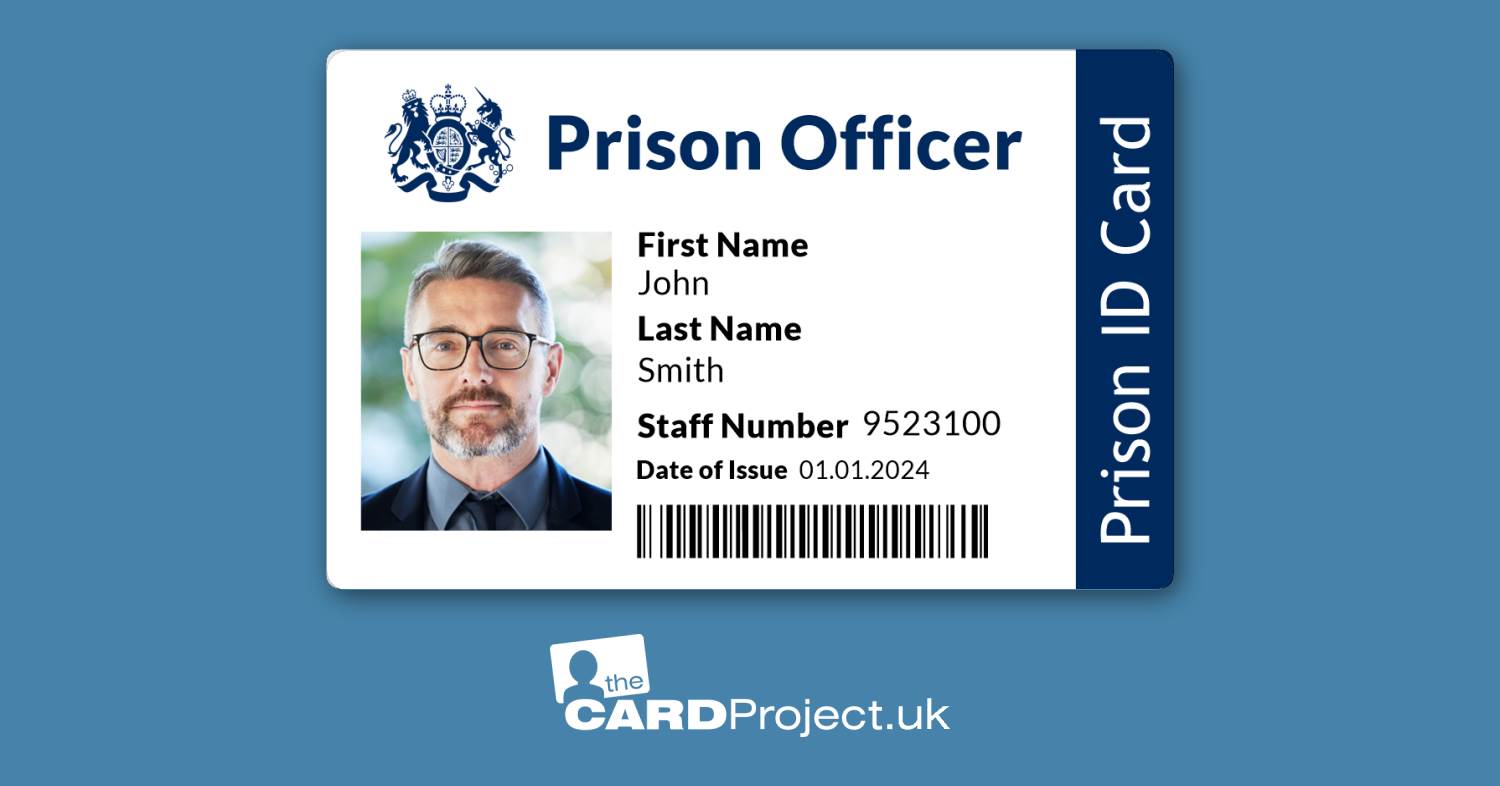
Uniform-heavy shows: Prison officer badges in plays like Someone Who'll Watch Over Me, or military IDs in war dramas.
-
Period pieces: Customs officer or government stamps for historical settings.
-
Comedies and pantomimes: Over-the-top versions, maybe a ridiculously fancy "Royal Inspector" card for a villain, played for laughs.
-
Musicals: Security passes in shows set in offices or airports, like Come From Away or Made in Dagenham.
Prop masters and stage managers tell us they love how reusable these cards are. A well-made set can move from one production to another with just a quick change of name or photo. Bigger companies often have a stock box of generic badges – police, medical, press – that get pulled out whenever needed. Smaller venues or touring shows sometimes borrow from other theatres or hire from prop houses to keep costs down.
Continuity is a big thing in theatre. Once you've established what the badge looks like in scene one, it has to be exactly the same every single night. Actors can get flustered if something changes mid-run, so having sturdy cards that don't bend or fade matters.
For amateur dramatics groups, fringe venues, and stage schools, custom novelty cards are a lifesaver. You can get them personalised with the actor's actual name (or character name), a photo taken in costume, and the right title or department. They're made from durable plastic that stands up to being clipped on and off repeatedly, and they store flat in a folder between shows.
We've heard from am-dram directors who say adding proper-looking IDs turned a basic uniform into something the audience took seriously. One group doing a production of An Inspector Calls made simple detective cards for the inspector – nothing fancy, but it helped the whole thing feel sharper from the outset.
If you're putting on a show with any kind of authority figure or profession, even a small badge can save you from bigger, more expensive props. And because they're light, they don't add weight to costumes that are already heavy with layers or quick-change velcro.
All in all, they're one of those backstage staples that don't get much attention, but everyone notices when they're missing.
Prop ID Cards for Kids' Fancy Dress and Parties
Kids absolutely love dressing up. It doesn't matter if it's a birthday party, World Book Day at school, Halloween, or just a rainy afternoon at home – give them a costume and they're off in their own world. Emergency services and medical themes never go out of fashion: police officers, firefighters, doctors, nurses. They're easy to put together and kids feel like proper heroes wearing them.
Adding a realistic-looking ID card takes it up a level. Suddenly it's not just a hat or a coat – the child has official credentials. They stand straighter, speak in a more serious voice, and the game lasts longer because it feels real to them.
Here are some straightforward ways parents and carers use them:
-
Firefighter parties: A red outfit from the charity shop, a plastic helmet, and clip on a firefighter ID badge. The kids line up to "put out fires" with water pistols and take turns being in charge.
-
Doctor or nurse play: White coat or scrubs, toy stethoscope round the neck, and a hospital badge on a lanyard. Perfect for setting up a teddy bear clinic in the living room.
-
Police officer themes: Dark trousers, a blue top, maybe a toy handcuff keyring, and a warrant card they can pull out of a pocket to "arrest" siblings or friends who are being villains.
-
Paramedic crews: Hi-vis jackets and a paramedic ID – great for racing around on scooters responding to emergencies.
-
Group parties: Mixed emergency services where each child has a different badge – one police, one fire, one ambulance – so they can work as a team.
World Book Day is when these really shine. You can match the badge to the character:
-
A detective badge for Sherlock Holmes, Nancy Drew, or Tintin.
-
Pilot ID for Biggles or Amelia Earhart adventures.
-
Press pass for a young reporter from a Roald Dahl story.
-
Explorer or astronaut card for characters going on journeys.
Other ideas that crop up a lot:
-
Student cards for Harry Potter wizards heading to Hogwarts.
-
Driving licences for older kids who love pretending to drive (especially with cardboard cars).
-
Membership cards for imaginary clubs or secret agents.
When it comes to safety, it's common sense stuff. Go for lightweight plastic with rounded edges – nothing sharp or small parts that could come off. The cards we make here at The Card Project UK are credit-card sized, double-sided on biodegradable plastic, and designed specifically for this kind of play.
Parents often tell us they pick up most of the outfit second-hand or from supermarkets, then add a couple of accessories like a badge to finish it off. It's cheap and quick. And because things like World Book Day or parties can creep up on you, having a UK-based option with quick dispatch makes a difference when you're sorting it last-minute.
We've heard from quite a few families who say the ID badge is the bit their child keeps long after the event – it ends up in a dressing-up box and gets used for months of everyday play. One mum mentioned her son still uses his old paramedic card when he's lining up his toy cars into an ambulance convoy.
At the end of the day, it's about giving kids that little boost of imagination. A simple card helps them step properly into the role, and that's when the best games start.
Safety and Legal Considerations in the UK
When you're using prop ID cards – whether on a film set, in a theatre rehearsal, or for children's play – it's worth taking a moment to think about safety and the legal side of things. Most of it is common sense, but getting it right keeps everyone out of trouble.
Safety First
This is especially important with children. Kids get excited and can be rough with props, so the materials matter:
-
Go for lightweight, flexible plastic with rounded corners – nothing rigid or sharp that could cause injury if they're running around.
-
Avoid small detachable parts like pins or clips that little ones might pull off and swallow.
-
Lanyards are handy, but make sure they're breakaway ones (the type that snap open if pulled hard) to prevent any risk around the neck.
-
Always supervise younger children during play, just as you would with any toy.
The cards we make here at The Card Project UK use biodegradable plastic that's sturdy enough for handling but soft-edged and safe for all ages. For adults on stage or set, it's more about durability – a card that won't crack or splinter if dropped – but the same principles apply.
Legal Side in the UK
The main law people worry about is the Identity Documents Act 2010, which makes it an offence to possess or make false identity documents with intent to deceive. But novelty props are completely different:
-
As long as the cards are sold and used as props for entertainment, film, theatre, or fancy dress – and not to try to pass yourself off as a real police officer, doctor, etc. – you're fine.
-
Reputable sellers (including us) always include clear disclaimers that they're for novelty use only and not official documents.
-
We mark them subtly as fiction, and we use designs that aren't exact copies of real UK IDs – slight changes to layout, logos, or wording keep everything on the safe side.
In practice, thousands of these props are used every year in schools, amateur theatres, and kids' parties without any issues.
A few situations where people sometimes get asked questions:
-
School events or World Book Day: Teachers or organisers might check very realistic-looking items. Just explain it's a novelty prop for dress-up – most are happy once they understand.
-
Public events or filming in public places: If you're shooting outside, members of the public or security might glance at props. Keeping them clearly fictional (made-up department names, for example) avoids confusion.
-
Taking them through airports or to official buildings: Best to leave prop IDs at home – even novelty ones can raise eyebrows at security checkpoints.
Film and theatre productions tend to be straightforward because everything is obviously make-believe. Professional companies often have the cards made with completely invented organisations or slightly altered designs anyway.
If you're ever unsure, the key is intent. These are entertainment items, and as long as they're treated that way, UK law is clear that they're perfectly legal to own and use. It's always better to err on the side of caution – choose props that look good but aren't identical to real documents, supervise kids, and keep the play pretend. That way everyone can enjoy them without any worries.
Frequently Asked Questions About Novelty ID Cards and Prop Badges
Here are some common questions people ask about novelty ID cards, prop badges, replica credentials, fake IDs for costumes, and similar items used in film, TV, theatre, cosplay, and fancy dress. We've based the answers on what often comes up in UK searches and discussions.
Are novelty ID cards legal to own and use in the UK?
Yes, as long as they're treated as entertainment items for films, plays, or costumes. Under the Identity Documents Act 2010, they're fine if you don't use them to deceive anyone or pretend they're official. Most come with disclaimers stating they're for prop or fun use only, and designs avoid exact copies of real documents.
Can children use realistic-looking costume badges for fancy dress or World Book Day?
Definitely. They're popular for kids dressing up as police officers, firefighters, doctors, or pilots at events like Halloween, parties, or school days. Just explain to teachers or organisers that it's a novelty prop if they ask – schools often check realistic items. Stick to safe, lightweight options with no sharp bits for younger children.
Can replica ID badges be used in professional film or theatre productions?
Yes, they're a staple in pro setups. Filmmakers and theatre companies often use them for things like police warrants, hospital badges, press passes, or military IDs to add quick realism without big costs. They're especially handy in indie films or stage shows where props need to be visible and durable.
Do fake prop badges fade or get damaged easily?
Not usually, if they're well-made from plastic. They handle being clipped to lanyards or pockets without issues, but like any prop, keep them away from direct sun or heat to avoid fading. A simple sleeve or box for storage keeps them looking good for multiple uses.
Can I use novelty badges for amateur theatre or school plays?
One of the most common ways people use them. Am-dram groups, fringe festivals, and school productions rely on them because they're cheap, easy to reuse, and help the audience spot character roles from afar – like a journalist's press pass or a guard's badge.
What are costume ID cards used for in cosplay?
Cosplayers love them to complete outfits, like adding an MI6 badge for a spy character or a pilot's licence for an aviator look. They bring authenticity to conventions, photoshoots, or roleplay without needing complex builds, and they're lightweight enough to wear all day.
Is it legal to make your own replica ID props at home?
As long as it's for fun, props, or costumes and not to mislead anyone, yes. Use templates or DIY methods with cardstock or plastic, but keep designs fictional – change logos or add "prop only" notes to stay clear of UK laws on false documents.
Are fake credentials okay for public events or filming?
Generally yes, for things like street theatre or outdoor shoots, but be mindful. If it's very realistic, security or passers-by might question it, so carry disclaimers and explain it's a prop. For public filming, fictional designs help avoid mix-ups.
Are prop badges allowed at comic conventions or events?
Most UK comic cons, like MCM London, London Film and Comic Con, or smaller regional events, allow prop badges as part of cosplay. They're seen as standard accessories for characters like agents, superheroes with SHIELD badges, or Starfleet officers. Convention rules usually focus more on weapons or large props – small badges are rarely an issue. It's always worth checking the specific event's cosplay guidelines beforehand, just in case they have notes on realistic-looking items, and be ready to explain it's a prop if staff ask.
What other props pair well with novelty ID badges for costumes?
They work great with lanyards, uniforms, or accessories like toy stethoscopes for doctors, helmets for firefighters, or notebooks for journalists. In film or cosplay, adding wallets, holsters, or keyrings makes the whole setup feel more complete.
How realistic should costume badges be for stage use?
Realistic enough to read from the audience but not so much that they cause confusion off-stage. Theatre folks often go for bold text and colours that pop under lights, with durable clips for quick changes between scenes.
Where to Find Prop ID Cards
If you've read through the guide and decide you need some prop ID cards for your next project, party, or play, then have a look at what we do here at The Card Project UK.
We design and print a range of personalised novelty cards for exactly these kinds of things – police warrant cards, paramedic or firefighter badges, doctor and nurse IDs, military styles, pilot cards, agent credentials, and more. They're double-sided on biodegradable plastic, standard credit-card size (86mm x 54mm), and you can add your own photo, name, title, or other details.
Dispatch is quick, usually within 24 hours, so it's handy for those last-minute needs. All of them are marked clearly for cosplay, film, theatre, fancy dress, or gifts, with disclaimers that they're not official and kept fictional.
You can browse the full selection, see examples, and pick what you need on our dedicated Cosplay Category page
We hope this whole guide has given you plenty of ideas and practical advice for making your next project, play, or party that bit more believable and fun. Enjoy bringing those characters to life!
© 2024 The Card Project Uk Ltd
VAT: 453 2087 06
|