How Medical Awareness Cards Can Save Your Life by The Card Project UK
Table of Contents
If you've got a health condition that could suddenly make you unwell or unable to explain what's wrong, you might worry about getting the right help quickly.
Medical awareness cards are there for exactly those moments. They're small cards you keep in your wallet with key details about your health. In an emergency, they let paramedics or doctors know what they need to do straight away, which can prevent things getting worse or even save your life.
Many parents think about this as soon as their child is diagnosed with something serious. Adults who live alone or have hidden conditions often feel the same. The fear isn’t about day-to-day life—it’s about that one unexpected moment when everything depends on strangers understanding your situation fast.
These cards are straightforward to carry and don’t need any technology. There’s no battery to go flat, no phone signal required—just clear information that speaks for you when you can’t.
This guide focuses on how having that information ready can change the outcome in real emergencies. We’ll look at common conditions where quick knowledge makes the biggest difference, using everyday examples parents and individuals often face. The aim is to help you see whether it could be useful for you or your family, and to give practical steps if you decide it is.
What Are Medical Awareness Cards?
To be basic - a medical awareness card is a small, wallet-sized card that lists the most important details about your health or your child’s health. It’s there for situations where you suddenly can’t speak or explain what’s wrong—perhaps during a severe allergic reaction, a seizure, a collapse, or after an accident.
These cards go by different names: medical alert cards, medical ID cards, or emergency information cards. Whatever you call them, the purpose is the same. They’re usually made from durable plastic or thick card so they stand up to daily wear and tear, and the writing is clear, bold, and large enough to read quickly, even under pressure.
Why the Design Matters
The way the card looks and feels isn’t accidental. Everything about it is meant to help in a real emergency:
-
It fits neatly into a standard wallet or purse slot, just like a bank card, so it’s always with you without taking up extra space.
-
Many have a bright heading or symbol on the front, such as “Medical Information” or “See Inside for Emergency Details,” so it catches the eye when someone opens a wallet in a hurry.
-
The back (or both sides) contains short, straightforward points covering your conditions, allergies, medications, and who to contact—nothing long or complicated.
How Emergency Services Use Them
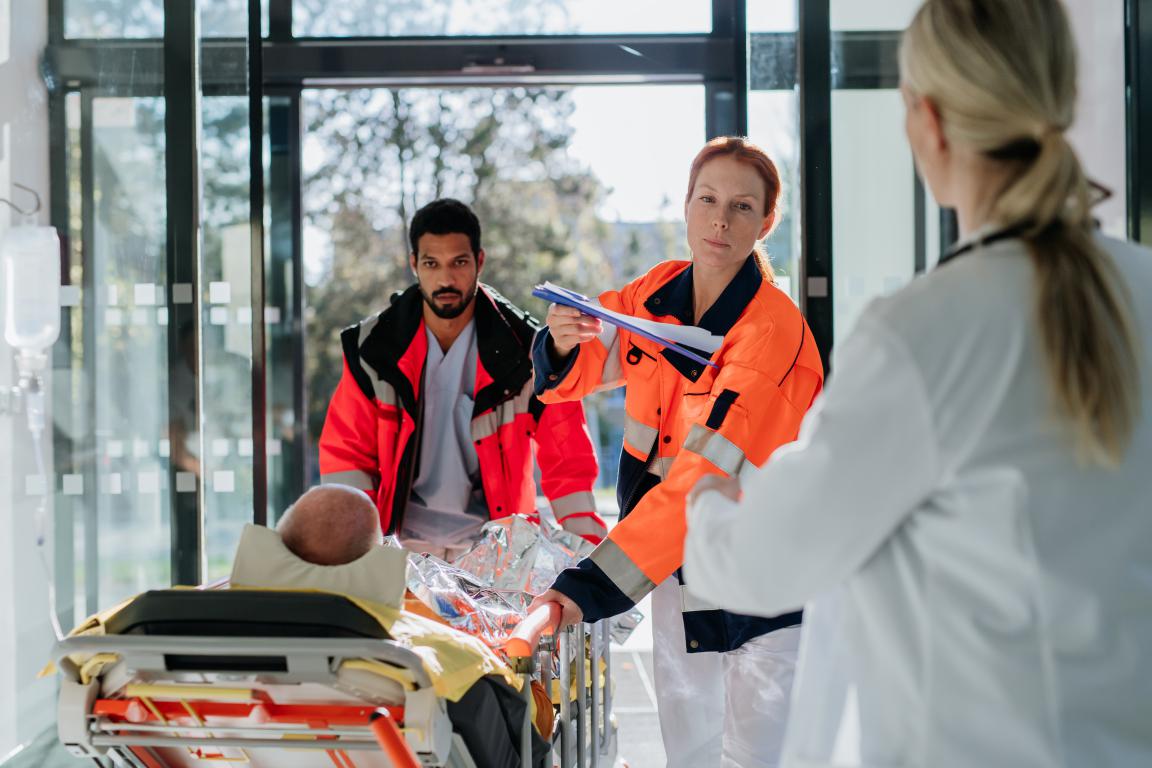
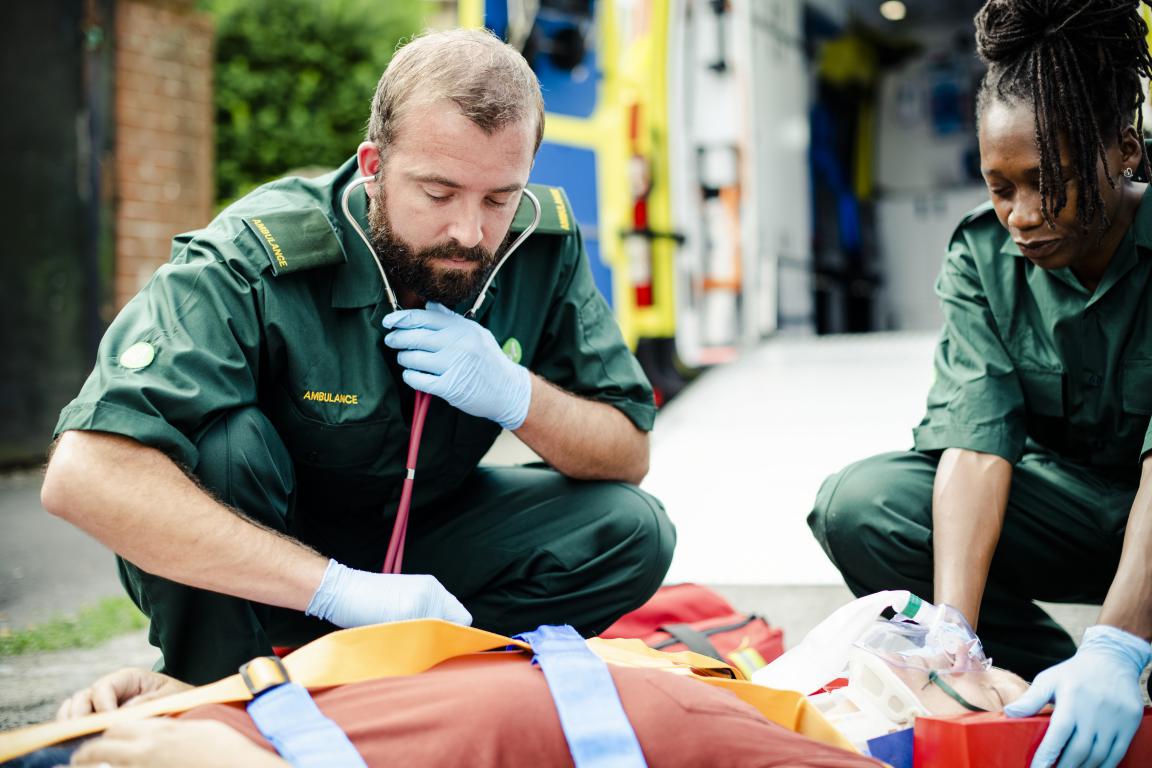
Paramedics, ambulance crews, and A&E staff in the UK are trained to look for exactly this kind of information as part of their standard checks. When they arrive at a scene or receive a patient, one of the first things they do is search for identification and any medical clues.
If someone is unconscious, confused, or too young to explain, the crew won’t have to guess about hidden risks. The card gives them an immediate overview, helping them choose the safest next steps.
In a busy accident and emergency department, staff can see the card as soon as the patient arrives. This means doctors get vital background faster, especially outside normal GP hours or away from home.
Even police or fire service personnel at an incident might spot the card while helping and pass the details straight to the medical team.
These cards are a simple, low-tech solution that doesn’t rely on phones, apps, or internet signal. They’ve been recommended for years by patient groups, charities, and health organisations across the UK because they bridge that critical gap when communication isn’t possible.
In short, the card quietly carries your voice wherever you go, ready to speak up at the exact moment you need it most.
Why Do They Matter in an Emergency?
When you call 999, the ambulance crew needs to understand what’s going on as quickly as possible. They have to make fast decisions about treatment while the clock is ticking. If the person they’re helping is unconscious, confused, too young to explain, or simply in too much distress to talk clearly, vital pieces of information can be missing right at the start.
That gap can lead to serious problems. Paramedics might give a medication that triggers an allergy, overlook a condition that changes how they should act, or waste precious minutes trying to work things out. A medical awareness card removes some of that uncertainty by putting the key details straight into their hands.
Real Risks When Information Is Missing
Emergencies are unpredictable, and responders can’t always get a full history quickly. Here are some common ways lack of information can affect care:
-
Allergies are one of the biggest concerns. A severe reaction to something like penicillin, nuts, or latex could worsen dramatically if the wrong drug or item is used. The card flags the allergy upfront, so the crew can choose safe alternatives immediately.
-
Certain conditions need specific handling from the outset. For example, if someone has a bleeding disorder or is on blood-thinning medication, procedures like inserting a drip have to be done carefully. Without knowing, the team might unknowingly increase the risk of complications.
-
Symptoms can overlap and mislead. A sudden collapse might look like a stroke, heart problem, or low blood sugar, but the correct treatment differs greatly for each. Knowing the underlying condition helps paramedics narrow it down faster and start the most appropriate care.
Once the patient reaches A&E, the card keeps helping. Hospital staff often see people outside normal GP hours or far from home, when electronic records might not be instantly available. Having a clear summary means doctors can make safer decisions without unnecessary delays.
How Quick Information Changes Outcomes
UK patient safety reports and ambulance service reviews have highlighted real cases where missing details caused harm—sometimes avoidable harm. In contrast, there are many examples where a simple card has guided the crew correctly from the first moments.
-
In time-critical situations like suspected stroke or heart attack, every minute affects recovery chances. Knowing about existing medication or devices (such as a pacemaker) lets staff tailor their approach straight away.
-
For children or vulnerable adults, the card often becomes their only voice at the scene. Parents frequently say it reduces their worry, knowing that even if they’re not there, the important facts travel with their child.
-
Even in less dramatic call-outs, such as a fall or sudden confusion in an older person, the card helps distinguish between a new problem and a flare-up of a known condition.
Many people who carry one notice a difference in how they feel day-to-day. The anxiety of “what if something happens when I’m alone?” eases a little. It’s not about expecting the worst—it’s about having a quiet backup that lets emergency teams do their job better if the worst does arrive.
In short, these cards turn seconds into safer care and help prevent small oversights becoming big problems.
How Cards Help with Severe Allergies
A severe allergic reaction—known as anaphylaxis—can start within minutes of exposure to a trigger. Symptoms come on quickly: swelling in the throat, difficulty breathing, a sudden drop in blood pressure, or even collapse. In the worst cases, the person might not be able to speak, explain what’s happening, or say where their adrenaline auto-injector is kept.
That’s when every second counts. Paramedics arriving at the scene need to recognise anaphylaxis straight away, avoid anything that could make it worse, and give the right emergency treatment without delay.
Why the Card Makes a Critical Difference
When someone is struggling to breathe or has already lost consciousness, responders can’t ask questions. A medical awareness card steps in to provide the answers they need most:
-
Lists specific allergies, such as peanuts, tree nuts, bee stings, or certain medications. This stops the crew from accidentally using a trigger—for example, giving a drug containing an allergen while trying to help.
-
Notes the presence of an adrenaline auto-injector (like an EpiPen or Jext) and where it’s usually kept, such as in a bag or pocket. Paramedics are trained to use these devices, and knowing one is available means they can administer it immediately if needed.
-
Includes short instructions, such as “Suspected anaphylaxis—give adrenaline now” or “Call 999 and state severe allergy.” This prompts the crew to follow the standard UK anaphylaxis protocol without hesitation.
What Happens in Real Emergencies
There are many documented cases across the UK where a card has helped turn a frightening situation around quickly:
-
A child at school has a reaction after accidentally eating something with nuts. Teachers or first aiders find the card in the child’s bag or wallet, confirm the allergy, and give the auto-injector while waiting for the ambulance. The clear information reassures everyone and speeds up the correct response.
-
An adult collapses in a restaurant or on public transport after an insect sting. Bystanders or paramedics check the wallet, see the allergy warning, and prioritise adrenaline and urgent transfer to hospital. Without the card, symptoms might initially be mistaken for something else, like a heart problem.
-
In hospital, the card continues to guide staff. A&E teams need to know about the allergy when planning further treatment, such as which antibiotics or contrast dyes are safe to use later.
Without that immediate information, there can be vital delays. Responders might spend time trying to work out why the person is deteriorating, or they might hesitate before giving adrenaline because they’re unsure of the cause. UK guidelines from the Resuscitation Council and NICE stress that adrenaline should be given as soon as anaphylaxis is suspected—having the allergy confirmed on a card removes doubt and supports faster action.
Parents of children with severe allergies often say the card brings real peace of mind. It travels with their child to school, parties, or sports events, making sure that even if the parent isn’t there, the crucial details are. Adults with allergies feel the same reassurance when they’re out alone or travelling.
In short, for anyone at risk of anaphylaxis, the card helps ensure the reaction is recognised and treated as quickly and correctly as possible—directly improving the chances of a full recovery.
How Medical Cards Help with Adrenal Conditions and Steroid Dependency
Some people take steroid tablets or injections every day to manage conditions like Addison’s disease or problems with the pituitary gland. These medicines replace hormones the body should make itself but can’t. After a while, the body gets used to relying on the daily dose, and its own natural backup system shuts down.
If something stressful happens—like a bad infection, a fall, or surgery—the body normally releases extra hormones to help cope. For someone on long-term steroids, that doesn’t happen automatically. They need a much higher dose quickly. If they don’t get it, they can go into what’s called an adrenal crisis: blood pressure drops dangerously low, they feel extremely weak, sick, and confused, and things can get very serious fast.
The fix is simple—an injection of hydrocortisone—but only if the medical team knows there’s a risk.
How the Card Helps in Real Situations
When someone is rushed to hospital feeling dreadful, or after an accident, they might not be able to explain their medication. Family might not be there either. The symptoms of an adrenal crisis can look a lot like other emergencies, so it’s easy to miss:
-
Clearly highlights steroid dependency: The card stands out and spells out that the person needs extra steroids if they’re ill or injured. Versions exist for adults and children to make this warning easy to spot.
-
Provides straightforward instructions: Paramedics or doctors are prompted to give hydrocortisone immediately if a crisis is possible. This follows national guidelines, so no one has to wait for test results or GP notes.
-
Gives reassurance to parents and carers: Parents of children on steroid replacement often keep the card in their child’s school bag or wallet. It ensures the crucial information travels with the child, providing comfort if the child collapses or is badly hurt.
Why the Card Was Brought In
Patient safety reports showed that some people on long-term steroids became seriously unwell—or worse—because hospital staff didn’t realise they needed extra cover. These cases led to a national patient safety alert in 2020. You can read the official alert here: NHS Steroid Emergency Card Safety Alert
Since then, doctors and nurses report that the card has made a real difference. When it’s present, the risk is spotted early, and the correct treatment starts promptly. It turns what could be a hidden danger into something straightforward to manage.
Many parents and adults who carry the card say it takes away a big worry. They know that if the worst happens, the people helping them will have the one crucial piece of information they need.
In short, for anyone who depends on daily steroids, the card helps make sure an adrenal crisis is prevented or caught quickly—often making all the difference to the outcome.
How Cards Help with Rare or Complex Conditions
Rare or complex conditions aren’t something most hospital staff see every day. Things like Ehlers-Danlos syndrome, mitochondrial disorders, spinal muscular atrophy, mast cell activation syndrome, or porphyria can all affect how the body responds to illness, injury, or standard treatments. When someone with one of these conditions ends up in A&E—maybe with an infection, a bad flare-up, or after a fall—doctors and nurses might not immediately know the safest way forward. Some routine procedures or medicines that are fine for most people could actually cause harm.
That’s where a medical awareness card can bridge the gap. Many patient support groups and charities create condition-specific cards that summarise the key points: what the condition involves, common complications, and important do’s and don’ts for emergency care.
How the Card Provides Quick Guidance
In a busy emergency department, time and clear information are everything. The person might be too unwell to explain things fully, and family might not be there right away:
-
Highlights hidden risks that aren’t obvious, such as fragile blood vessels, unusual reactions to anaesthetics, specific breathing needs, or medications that must be avoided.
-
Includes specialist guidance, for example the safest way to position someone during recovery, which pain relief is best, or how to manage a sudden attack.
-
Lists emergency contacts for specialist teams so local staff can get expert advice quickly if needed.
A Real-Life Example
One person with spinal muscular atrophy (SMA) type 2 shared her experience of being admitted to hospital with pneumonia and breathing difficulties. The medical team initially didn’t fully understand how her muscle weakness affected the type of respiratory support she could safely have. Once she showed them her alert card, which explained the condition and the correct approach for infections, she received the right care promptly. She later said she believes the outcome could have been very different without it. You can read her full story here: Muscular Dystrophy UK – Alert Card Story
Similar stories come up for other rare conditions. Patient groups often hear how these cards have helped prevent wrong assumptions in A&E, guided safer treatment during surgery or infections, and given families extra reassurance.
Parents of children with rare diagnoses often feel a bit less anxious knowing the card travels everywhere—in a school bag, wallet, or coat pocket. Adults living independently say the same: it’s a quiet way to make sure their complex needs aren’t overlooked if something unexpected happens.
In short, for less common or complicated conditions, the card acts as an instant expert summary. It helps non-specialist staff provide safer, more targeted care from the moment they see it—often making a big difference when every minute matters.
How Cards Help with Diabetes and Blood Sugar Emergencies
Diabetes can cause blood sugar levels to swing in ways that suddenly make someone very unwell. The most common emergency is when blood sugar drops too low—a hypo, or hypoglycaemia. It can happen quickly, especially for people on insulin or certain tablets, and it might cause shaking, confusion, slurred speech, fits, or unconsciousness.
In those moments, the person often can’t explain what’s wrong. Paramedics or bystanders seeing someone behaving oddly or collapsed might first think of a stroke, intoxication, or a heart problem. That confusion can delay the simple fix—giving sugar.
High blood sugar can also lead to emergencies, like diabetic ketoacidosis (DKA), where the body becomes acidic and dehydrated. This builds more slowly but still needs urgent hospital care.
How the Card Helps Responders Act Fast
A medical awareness card gives paramedics the vital clue they need right from the start:
-
Clearly states diabetes type and treatment: Notes whether the person takes insulin or other blood-sugar-lowering medication, prompting crews to check blood glucose levels immediately with a finger-prick test.
-
Provides quick instructions: Examples include “If low blood sugar suspected, give glucose gel, sugary drink, or glucagon injection” or notes where hypo treatments are usually kept. This guides safe, rapid action to raise sugar levels.
-
Flags high blood sugar risks: Alerts staff to the possibility of DKA so they can watch for deep rapid breathing, vomiting, or fruity breath and start fluids and insulin treatment sooner.
Why It Matters in Real Situations
Diabetes UK and NHS guidelines strongly recommend carrying medical identification for these scenarios. Paramedics are trained to check wallets and bags, and finding the card often changes how they handle the call:
-
When someone collapses alone at home, work, or in public, the card helps crews recognise a severe hypo immediately, give glucose on the spot, and stabilise the person before hospital transport.
-
Parents of children with type 1 diabetes often feel reassured on school trips or sleepovers, knowing teachers or paramedics can act promptly if a child suddenly becomes unwell.
-
In hospital, the card continues to help A&E teams decide on the right tests and treatment without guessing.
Many people with diabetes find the card reduces anxiety about sudden hypoglycaemic episodes when no familiar person is nearby. It doesn’t prevent blood sugar problems, but it ensures help arrives faster and more accurately.
In short, for anyone whose diabetes can lead to sudden low or dangerously high blood sugar, the card helps emergency teams get straight to the correct care—often turning a frightening situation around much more quickly.
How Cards Help with Epilepsy and Seizures
Epilepsy means the brain can sometimes have sudden bursts of electrical activity, leading to a seizure. Seizures look different for different people: some involve shaking and collapsing (tonic-clonic), others might cause staring blankly, strange sensations, or brief loss of awareness. After a seizure, the person often feels confused, tired, or sleepy for a while and might not be able to explain what’s just happened.
When a seizure happens in public, bystanders or paramedics arriving on the scene don’t know if this is a one-off event, a known condition, or something else entirely—like a faint, stroke, or heart issue. That uncertainty can make people nervous about what to do, or lead to extra tests and treatments that aren’t really needed.
How the Card Helps Everyone Involved
A medical awareness card gives clear, simple information at exactly the moment it’s needed most:
-
Clearly states epilepsy diagnosis: Shows “I have epilepsy” and can describe the usual type of seizures, reassuring responders that it’s likely a known pattern rather than a brand-new emergency.
-
Provides basic first-aid steps: Instructions like protect the head, don’t restrain the person, time the seizure, and place them in the recovery position. It can also note when to call 999, for example if the seizure lasts longer than 5 minutes or one follows another.
-
Lists emergency contacts: Family or carers can be reached quickly for further guidance, such as rescue medication or usual recovery time.
Why It Makes a Real Difference
UK epilepsy charities such as Epilepsy Action and the Epilepsy Society strongly recommend carrying some form of identification. Paramedics are trained to check wallets and bags, and finding the card often changes how they manage the situation:
-
In public places, the card helps crews understand the person’s usual seizure pattern, provide the right after-care, and sometimes avoid unnecessary hospital visits.
-
Parents of children with epilepsy find it comforting for school outings, sports days, or sleepovers—knowing that teachers, coaches, or strangers can follow simple, safe steps.
-
Adults who live or go out alone feel reassured that a seizure won’t be unnoticed or misunderstood.
People with epilepsy often report that the card increases confidence in daily life. It won’t stop seizures, but it ensures bystanders and professionals know how to help properly and safely.
In short, for anyone living with epilepsy, the card turns a potentially frightening and confusing moment into something more manageable—helping keep the person safe and speeding up their recovery.
The Life-Saving Power of a Simple Card
Medical awareness cards are straightforward, but they can play a crucial role when an emergency strikes. Throughout this guide, we’ve seen how they help in different situations—from making sure a severe allergy is spotted quickly, to prompting the right steroid dose in a crisis, to explaining diabetes, epilepsy, or a rare condition so treatment starts on the correct path.
In each case, the card does one simple job: it gives paramedics, doctors, and nurses the key details they need at the exact moment they need them. Real-life examples and patient safety reports show time and again that having this information to hand can prevent mistakes, speed up the right care, and sometimes make all the difference to the outcome.
If you or your child has a health condition that could affect how emergencies are handled—whether it’s common like diabetes or less common like a rare genetic disorder—it’s worth considering a card. Have a chat with your GP, specialist, or a relevant patient support group. They can advise on what details to include and where to get a suitable one.
It really is a small, low-effort step: a card that fits in a wallet and travels everywhere you go. Yet when seconds matter most, it can quietly speak up for you or your loved one and help guide the people trying to help.
Taking a few minutes to sort one out could bring real peace of mind—and that’s something no one can put a price on.
Updated: 02 January 2026
© 2024 The Card Project Uk Ltd
VAT: 453 2087 06
|