Starting Warfarin: What to Expect in Your First Week
Published 26 June 2026
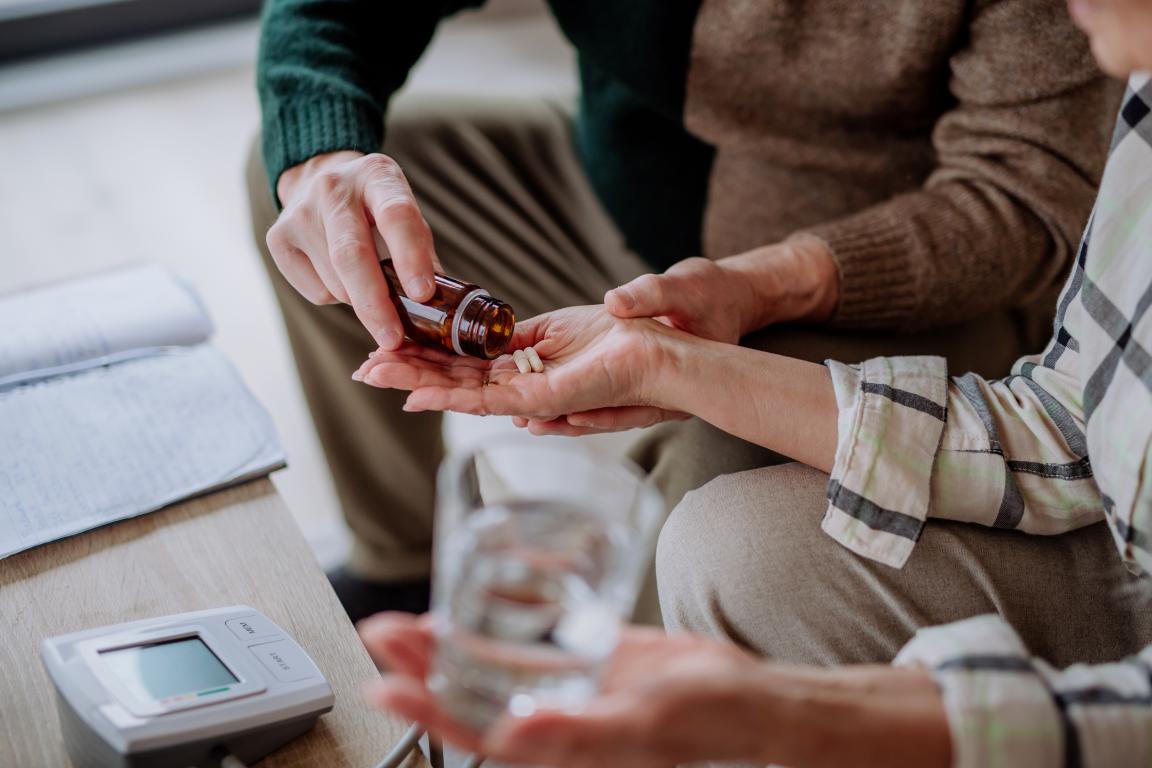
Holding a new prescription bottle in your hand can bring up a mix of emotions. You might feel a sense of relief that you are taking steps to protect your health, but it is completely normal to feel a little anxious too. Warfarin is a highly effective, incredibly well-studied medication, but because it deals with how your blood clots, it comes with a lot of scary-sounding warnings.
If you are feeling overwhelmed right now, take a deep breath. The goal of this first week is not to become a medical expert overnight. It is simply about finding a comfortable rhythm, understanding how this medication works with your body, and realizing that you can still live a full, happy life while taking it. Let’s walk through exactly what you can expect during your first seven days.
Day 1: Taking That First Pill and Busting the Biggest Myth
When you swallow your very first dose of Warfarin, nothing dramatic is going to happen immediately. You won't feel any different, and your body will go about its day just like it always does.
This is the perfect moment to clear up the single biggest misunderstanding about this medication. People almost always refer to Warfarin as a "blood thinner." This term paints a scary picture of your blood turning into water, flowing too fast, or leaking out of your blood vessels at the slightest touch.
Fortunately, that is not how it works at all. Warfarin does not actually thin your blood. The physical consistency, thickness, and flow of your blood remain exactly the same. Instead, Warfarin gently slows down the chemical process your body uses to create blood clots.
Think of your body’s clotting system like a team of rapid-response construction workers. If you get a cut, they rush to the scene and quickly build a temporary wall (a clot) to stop the leak. For various health reasons, your doctor has decided that your "workers" are a little too eager, which could lead to a clot forming where it shouldn't—like in your legs or lungs. Warfarin simply tells those workers to take their time. They can still build the wall if you get a cut, but they won't build unnecessary walls inside your blood vessels.
Your task for Day 1:
Decide on a specific time of day to take your pill and stick to it. Most people find that evening is best, as it aligns well with any blood test results you might get during the day. Tie this pill-taking to an existing habit, like brushing your teeth before bed or sitting down for dinner, to help you remember.
What if you forget a dose?
In this first week, establishing a new routine takes time, and it is easy to slip up. Keep this simple rule of thumb in mind: if you miss a dose, take it as soon as you remember that same day. If you don't realize it until the next day, skip the missed dose entirely and take your normal dose at your regular time. Never take a double dose to catch up, and make sure to jot down any missed doses in a diary or app so you can let your clinic know at your next check-in.
Days 2 to 4: The Balancing Act and Your First Blood Test
By the second or third day, the Warfarin is starting to build up in your system. Because everyone’s liver processes medication at a slightly different speed, there is no single "one-size-fits-all" dose. Finding your perfect dose is a highly personalized process.
This is why you will have your first blood test during these middle days of your first week. This test measures your INR, which stands for International Normalized Ratio. While the name sounds complicated, the concept is very simple.
Imagine your blood's ability to clot is on a scale:
-
A low number (like 1.0): This is the normal state for someone not taking Warfarin. Clots form very quickly.
-
A high number (like 5.0): The blood takes a very long time to clot, which increases the risk of bleeding.
-
The target zone (usually between 2.0 and 3.0): This is the sweet spot. It is slow enough to prevent dangerous clots from forming, but fast enough to protect you if you scrape your knee.
Your first few blood tests are simply a way for your healthcare provider to see where your body naturally sits on this scale. If your number is too low, they will gently increase your dose. If it is too high, they will lower it.
It is incredibly common for your dose to change several times during this first week. Do not view this as a sign that something is wrong or that your body is rejecting the medication. It is just like tuning an old-fashioned radio dial—you have to turn it back and forth a few times before the station comes in crystal clear.
Days 5 to 7: Setting Up Your Daily Success Habits
As you reach the end of your first week, you will start to realize that taking Warfarin doesn't require you to change who you are. It just requires a little bit of mindfulness. By now, you should start integrating a few simple habits into your daily life.
The Truth About Green Vegetables
You may have heard a rumor that you can never eat broccoli, spinach, or salad again. This is one of the most frustrating myths about Warfarin, and it is entirely untrue.
Green vegetables are packed with Vitamin K, which is the natural ingredient your liver uses to help your blood clot. Because Vitamin K works in the opposite direction of Warfarin, a sudden massive surge of it can temporarily make your medication less effective.
However, the key word here is sudden. You do not need to avoid green vegetables. You just need to keep your intake consistent. If you normally eat a small side salad every other day, keep doing exactly that. If you love broccoli, enjoy it in moderation. The only thing you want to avoid during this first week (and in the future) is making drastic changes. Don't go on a sudden raw spinach juice cleanse, and don't suddenly cut out all vegetables completely. Keep it steady, and the medication will adjust to you.
A Note on Alcohol
While we will explore lifestyle habits in more detail later, your first week is entirely about stabilization. Alcohol has a massive, immediate impact on how your liver processes Warfarin. Acute drinking—such as having a couple of beers or glasses of wine on the weekend—can cause your INR to spike dramatically, raising your risk of bleeding. During this initial stabilization week, it is highly recommended to keep your alcohol intake minimal and entirely consistent, or avoid it altogether while your body finds its baseline.
Watching Your Medicine Cabinet
During this first week, you might get a mild headache or a muscle ache and instinctively reach for the pain relief bottle you’ve used for years. This is a moment to pause.
Common pain relievers like ibuprofen, naproxen, and aspirin can irritate your stomach lining and, when combined with Warfarin, increase your risk of bleeding. For everyday aches and pains, paracetamol (acetaminophen) is generally the safest choice for occasional aches, as it doesn't irritate the stomach like ibuprofen. However, taking it regularly or in high doses for several days in a row can still affect your Warfarin levels, so keep your doctor in the loop and always double-check with your pharmacist before taking any new over-the-counter medicine, cold remedy, or herbal supplement.
Navigating Daily Life Without Bubble Wrap
You do not need to spend your life hiding away to avoid bumps and scrapes. You can still garden, walk the dog, cook, and enjoy your normal activities.
However, making a few small, effortless adjustments during your first week can prevent minor annoyances:
-
Switch to a soft-bristled toothbrush: This prevents your gums from getting irritated or bleeding while you brush.
-
Consider an electric razor: If you shave your face or legs, an electric razor drastically reduces the chance of those annoying little nicks and cuts.
-
Wear gloves when gardening: This simple step protects your hands from thorns, sharp twigs, and splinters.
Red Flag Symptoms: When to Call for Help
While the goal of taking Warfarin is to live your life normally and safely, you and your loved ones must know what to watch out for. Because your blood takes longer to clot, you need to recognize the early warning signs of bleeding so you can seek medical attention promptly.
Please contact your doctor or visit the nearest emergency room immediately if you experience any of the following:
-
Unusual or heavy bruising that appears without any known injury.
-
Nosebleeds that take longer than 10 to 15 minutes to stop.
-
Blood in your urine (which may look pink, red, or smoky) or blood in your stool (which can look bright red or present as dark, sticky, tar-like stools).
-
Coughing up blood or vomiting material that looks like dark coffee grounds.
-
A sudden, severe headache or unusual dizziness and weakness, which can sometimes signal internal bleeding.
Think of this list not as something to fear, but as your ultimate safety net. Knowing these signs allows you to act with absolute certainty instead of second-guessing yourself.
A Note for Family and Friends: How You Can Help
If you are reading this because someone you love has just started Warfarin, your support is incredibly valuable. The transition can feel lonely or stressful for them, and having an ally makes a world of difference.
The best thing you can do during this first week is to help establish a calm, organized routine without becoming overbearing.
-
Be the memory backup: Offer to help set a daily phone alarm for their medication time, or help them set up a simple pill organizer.
-
Keep meals balanced: If you do the cooking, don't banish green vegetables from the kitchen. Simply cook the balanced, delicious meals you always have, keeping the vegetable portions consistent.
-
Provide emotional reassurance: Remind them that the frequent doctor visits and dose changes this week are a normal, healthy part of the setup process, not a sign of failure.
Looking Ahead: You’ve Got This
By the time you reach the end of day seven, the hardest part of the learning curve is already behind you. You have taken your doses, navigated your first blood check, and started to build the simple habits that will keep you safe.
Warfarin is not a shadow over your lifestyle; it is a quiet partner working in the background to keep you healthy, active, and present for the people who care about you. Take it one day at a time, be patient with the dose adjustments, and remember that with each passing day, this new routine will start to feel just as natural as brushing your teeth.
More Reading To Help You With Warfarin
Blood Thinner or Anticoagulant: Why Does My Medicine Have Two Names? Ever wondered if your doctor and pharmacist are speaking different languages when talking about your heart meds? Here is the simple story behind "blood thinners" versus "anticoagulants.
Demystifying the INR Test: Mastering Your Warfarin Numbers - Why does a tiny drop of blood hold so much power over your daily routine? Learn exactly what those fluctuating numbers mean for your health, and how keeping them in your target zone protects you without taking over your life.
The Warfarin Diet Myth: Why You Don't Have to Skip the Salad - You might have heard that green vegetables are completely off-limits now, but that is a mistake. Find out how the simple secret of food consistency lets you enjoy your favorite meals while keeping your medication working perfectly.
Safety Note: Because Warfarin affects how your body heals, healthcare professionals highly recommend carrying emergency identification. View our Warfarin Medical Cards.
Medical Disclaimer: The information provided in this article is intended for general informational and educational purposes only. It is not a substitute for professional medical advice, diagnosis, or treatment. Never disregard professional medical advice or delay seeking it because of something you have read on this website.