Understanding Our Blood Group O Cards and Their Importance in Health and Emergency Situations
Understanding Blood Group O: Significance, Characteristics, and Why It Matters
Blood Group O is the most common blood type found worldwide, but just because it's common doesn't mean it's not special. In fact, it has one of the most critical and life-saving roles in all of medicine.
Many people don't fully understand what their blood type means, but if you are part of the O group, knowing its unique characteristics is hugely important. This knowledge can have major implications for your own health, your ability to donate, and how you prepare for medical emergencies. This article will break down exactly what makes Group O so vital and why those who have it are so important in saving lives.
What Makes Blood Group O Unique?
The Universal Donor – Explained
Blood Group O earns its famous nickname, "The Universal Donor," because of what is missing from the surface of its red blood cells.
Remember that a person's blood type is determined by tiny markers called antigens. People with Type A have the 'A' antigen, and people with Type B have the 'B' antigen.
The critical difference for Group O is that its red blood cells carry no A and no B antigens. They are completely blank, or 'neutral,' when it comes to those markers.
This blank slate is why O blood can be given to anyone. When a doctor transfuses red blood cells, they are worried about the recipient's antibodies attacking the donor's cells. Since O blood cells have no markers for the recipient's body to attack, they can safely be given to a person of any blood type (A, B, AB, or O).
The Two Sides of Group O
While all Group O blood is incredibly valuable, it’s the Rh factor (the plus or minus sign) that defines its two main roles in donation:
-
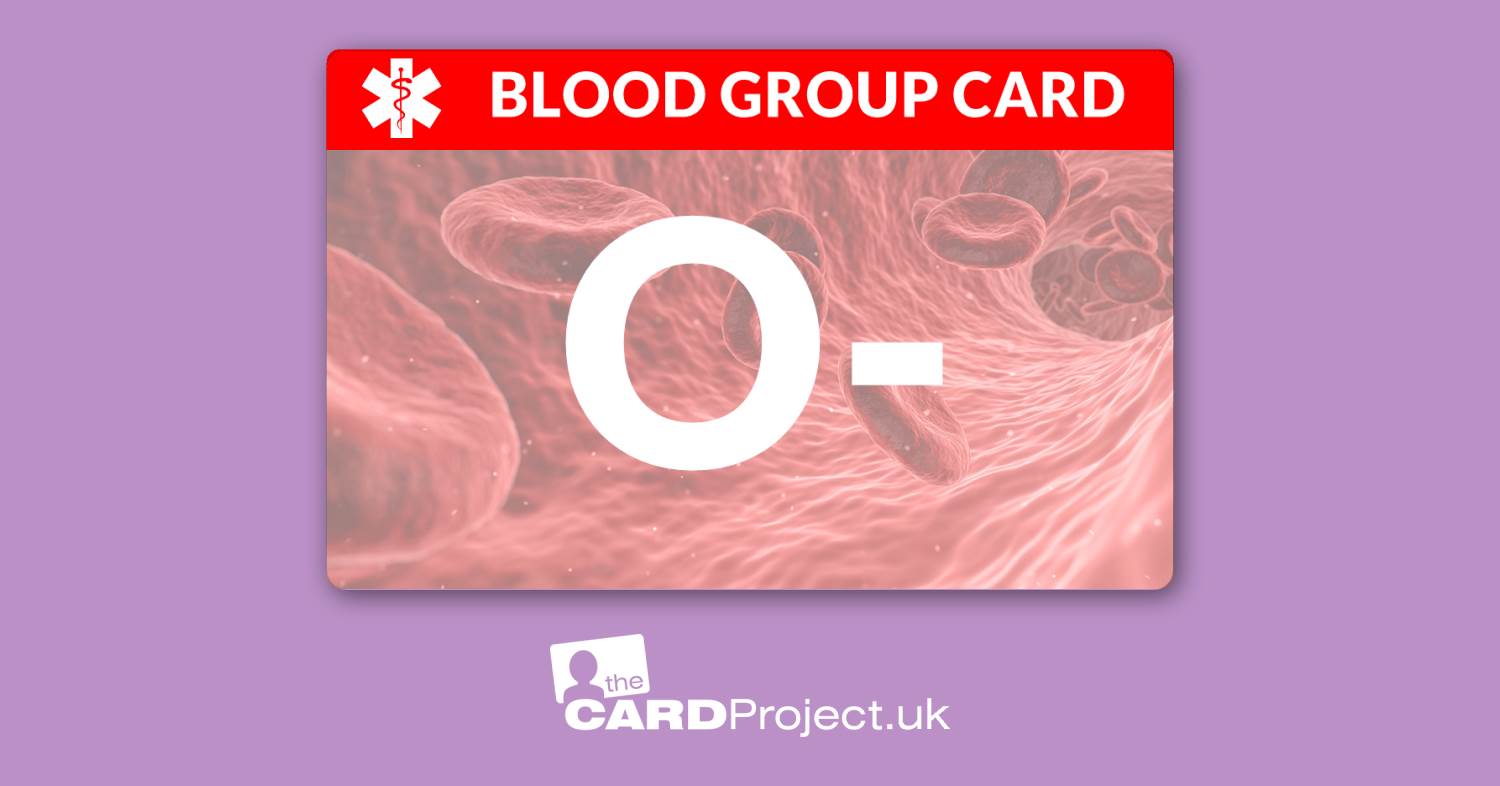
O Negative (O-): The True Universal Donor. This is the rarest form of Group O. Because it lacks the Rh factor along with the A and B antigens, O- is the safest blood to use in any life-or-death emergency. It is the blood doctors reach for when they have literally no time to check a patient's blood type.
-
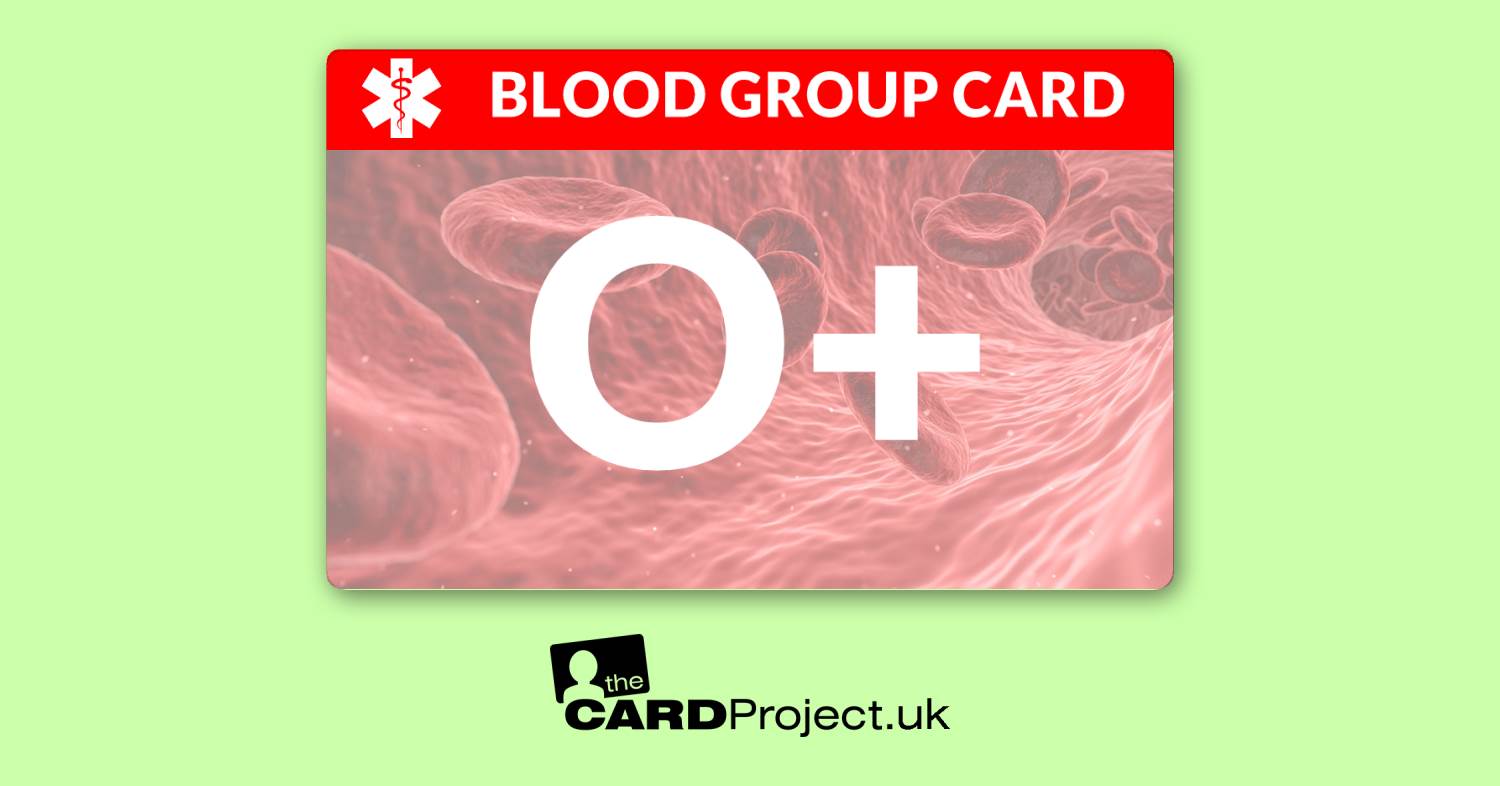
O Positive (O+): The Most Common, Most Needed. This is the most frequently occurring blood type globally. While O+ red cells can be given to all positive blood types (A+, B+, AB+, O+), they cannot be given to negative blood types. Because O+ is so common, the overall volume needed by hospitals to treat the vast majority of patients is huge, making O+ donors the backbone of the entire blood supply.
Health Implications
It might surprise you, but medical research suggests that your blood type—even Group O—can play a small role in your overall health profile and how susceptible you are to certain conditions.
It is absolutely crucial to remember that these are simply general findings from large studies. Your lifestyle, family history, and environment are still the biggest factors in your health, and having a specific blood type does not make you immune or automatically sick.
What Research Suggests for Group O
For individuals with Group O blood, some studies have noted a few interesting patterns:
-
Heart and Cancer Risk: Some research suggests that people with Group O may have a slightly reduced risk of developing certain health issues, such as coronary heart disease and pancreatic cancer, compared to those with other blood types.
-
Stomach and Ulcers: On the flip side, Group O blood has been linked to a higher risk of developing peptic ulcers and may make people slightly more susceptible to specific bacterial infections, like cholera, due to the way that bacteria interacts with the blood’s makeup.
-
Other Conditions: Because you lack the A and B antigens, your body may react differently to various diseases. Some initial studies have explored whether this absence might offer a tiny degree of protection against more severe outcomes from certain viruses, but this is an area where research is still ongoing and far from conclusive.
The main takeaway here is simply this: Your blood type is one small piece of your health puzzle. It is interesting to know, but it should never replace healthy habits, regular check-ups, and a focus on wellness.
The Importance of Blood Donation
If you have Group O blood, you have one of the most powerful and generous gifts you can give: a lifeline for the emergency room.
O Negative: The True Emergency Donor
If you are O Negative (O-), you are the rarest and most critical type of universal donor. Your red blood cells can be safely given to anyone on the planet. This makes your blood the go-to resource in any life-or-death situation where doctors have no time to check a patient's blood type, such as:
-
Major Trauma: Accident victims and people with severe blood loss.
-
Military and Disaster Relief: In situations where rapid aid is the difference between life and death.
-
Newborns and Mothers: It is often the safest blood to use for transfusions in infants and is critical for women during complicated pregnancies.
Because O- is so rare and the demand is so constant, every single donation is a direct, life-saving contribution.
O Positive: The Unsung Backbone
If you are O Positive (O+), you are the most common blood type, and your role is equally essential. While your blood can only be given to other positive patients (A+, B+, AB+, O+), this group makes up about 75% of the population.
-
High Volume Needed: Because so many people have a positive blood type, O+ is needed in massive quantities every single day for scheduled surgeries, chronic illnesses, and ongoing cancer treatments.
-
The Go-To Supply: O+ is the most frequently requested blood type, meaning O+ donors are the absolute backbone of the entire blood supply.
For all Group O individuals, becoming a regular blood donor is one of the most impactful and direct ways to support your community and health care systems worldwide. Your donation ensures that every hospital has the supply it needs to treat the most common patient, and especially the patient who is minutes away from running out of time.
Blood Group O and Emergency Situations
When disaster strikes or an accident happens, having immediate knowledge of your blood type can be incredibly important.
While hospital staff always follow strict testing protocols before a transfusion, knowing your blood group upfront helps medical teams make quicker, more informed decisions in those first critical moments.
The O Negative Advantage
For individuals who are O Negative, this knowledge is particularly vital:
-
Saving Time: You know that your blood is the 'universal donor' for red cells. While that's great for giving, it also means if you're ever the patient, the medical team knows they can immediately rule out one massive challenge: worrying about a reaction to a foreign blood type.
-
Rapid Care: In a field setting, on the way to the hospital, or in a chaotic trauma bay, telling a paramedic or doctor you are O- can confirm a necessary transfusion route very quickly, speeding up the process of getting you the care you need.
The General Value of Knowing Your Type
This awareness isn't just for O- people, though. Knowing your blood type is simply a smart piece of personal information to have, especially if you:
-
Are Travelling: If you are outside of your home country or in an area with limited medical resources, carrying your blood type information can significantly streamline your care in a crisis.
-
Have Medical Conditions: It’s a foundational piece of information that any doctor will need, and having it clearly on hand removes a step in the process during an emergency.
In short, carrying your blood group information isn't about skipping the hospital's tests; it's about providing a clear, vital piece of your health profile when you might be unable to communicate it yourself.
Blood Group O Cards by The Card Project UK
If you are one of the critical universal donors, whether you are O Positive (O+) or O Negative (O-), carrying that information with you is a smart, proactive choice.
At The Card Project UK, we make simple, professional ID cards for all blood types, including a dedicated card for O+ and a dedicated card for O-. These cards are designed to be a personal, practical tool to speak for you in those critical moments when you can't speak for yourself.
Why Carry an O+ or O- Card?
Our credit card-sized cards are made from durable, biodegradable plastic, so they slip easily into your wallet and are ready whenever you need them. They serve two essential purposes:
-
Clarity in an Emergency: In an accident or sudden medical event, every second counts. If you are unconscious or confused, a card clearly stating your exact blood type (especially the highly sought-after O- type) gives first responders and medical teams a piece of vital information immediately, helping to guide their initial care decisions.
-
Peace of Mind: You know your blood type is a core piece of your health profile. Carrying it with you, clearly printed and easily visible, gives you peace of mind that you've done what you can to streamline your care if an emergency ever happens.
Whether you are O+ (the backbone of the blood supply) or O- (the true universal lifeline), your blood group matters immensely. Getting your Blood Group O card today is a small action that shows a big commitment to your own safety and the ease of the medical professionals who might one day care for you.
© 2024 The Card Project Uk Ltd
VAT: 453 2087 06
|