|
Blood Thinners
A Simple Guide to Life on Blood ThinnersIf you have recently been told by your doctor or a specialist that you need to start taking blood thinners, it is perfectly normal to feel a bit apprehensive. You might have questions about what you can eat, whether you can still enjoy your hobbies, or what happens if you have a bump or a scrape. Blood thinners—which your medical team might also refer to as anticoagulants—are some of the most important medicines prescribed in the UK today. They are true lifesavers. Their job is simple but vital: they stop your blood from clotting too easily, which prevents serious problems like strokes or heart attacks. While taking them requires a few small changes to your daily routine, most people find they can carry on with their lives much as they did before. This guide is designed to help you understand your medicine, how to stay safe at home, and why carrying a medical ID is such a sensible step for your peace of mind. What Exactly Are Blood Thinners?To understand why you need this medicine, it helps to know what happens inside your body. Your blood has a natural ability to stick together—or "clot"—to stop you from bleeding if you cut yourself. This is usually a very good thing. However, sometimes the blood can get a bit too "sticky" inside your veins or arteries, forming a clot where it isn’t wanted. If that clot travels to your brain, it causes a stroke. If it goes to your lungs, it causes a pulmonary embolism. Blood thinners don't actually make your blood "thinner" or more watery. Instead, they just slow down the chemical process that causes those clots to form. Think of it like slowing down a fast-moving queue; the blood still gets where it needs to go, but it just doesn't bunch up and cause a blockage. There are two main types of blood thinners you might be prescribed:
Why Has My Doctor Prescribed a Blood Thinner?Doctors don't prescribe these medicines lightly. If you’ve been given a prescription, it’s because your medical team has decided that the benefit of preventing a clot is much higher than the risk of any side effects. The most common reason for people in the UK to take blood thinners is a condition called Atrial Fibrillation (AFib). This is an irregular heartbeat that can cause blood to pool in the heart. When blood pools, it likes to clot. A blood thinner keeps that blood moving smoothly. Other common reasons include:
Regardless of the reason, the goal is the same: to give you a "safety net" that protects your circulation. Daily Life: Eating, Drinking, and Enjoying YourselfOne of the biggest worries people have is that they will have to stop eating their favourite foods. The good news is that for most people, you don't need to change much at all. Food and Your MedicineIf you are taking one of the newer blood thinners like Apixaban, you can usually eat whatever you like. However, if you are on Warfarin, you need to be a bit more consistent with foods high in Vitamin K. This includes leafy greens like spinach, kale, and broccoli. You don't have to stop eating them—they are very healthy! You just need to eat roughly the same amount each week so your medicine can be balanced correctly. Can I Still Have a Drink?Many people enjoy a glass of wine or a beer in the evening. In most cases, a small, sensible amount of alcohol is fine. However, it’s best to avoid "binge drinking" or having a lot in one go. Alcohol can affect how your liver processes your blood thinners, and it also makes you more likely to have a fall. If you aren't sure, it’s always worth a quick chat with your GP. Staying ActiveExercise is brilliant for your heart and your circulation. Walking, swimming, and even gentle cycling are all excellent. The only things to be careful with are "contact" activities where you might get a hard knock or a fall—such as certain types of football or high-impact aerobics. If you enjoy gardening, just remember to wear sturdy gloves to prevent nicks and scratches from thorns. Safety at Home: Preventing Bumps and BruisesBecause your blood doesn't clot as quickly as it used to, you might notice that you bruise a bit more easily or that a small cut takes a few minutes longer to stop bleeding. This is normal, but there are simple things you can do to make life easier. In the BathroomSwitching to a soft-bristle toothbrush is a great idea. It’s much gentler on your gums and prevents that annoying bit of bleeding when you brush. If you shave, you might find that an electric razor is safer than a traditional blade, as it's much less likely to cause a nick. Around the HouseFalls are the biggest concern for anyone on blood thinners. Taking a few minutes to "trip-proof" your home can make a massive difference:
What to Watch Out For: When to Call the DoctorWhile blood thinners are very safe, it is important to be a bit more "body-aware." Most of the time, any bleeding you have will be minor and easy to manage. Minor IssuesIf you have a small cut, just apply firm, steady pressure with a clean cloth for about ten minutes. Don't keep lifting it to check—just hold it firm. You might also notice the occasional nosebleed or a bit of blood when you brush your teeth. Usually, these aren't a worry, but if they happen often, mention them to your nurse or GP. When to Seek Urgent HelpThere are some signs that mean your blood might be a bit too "thin" and you need a check-up. You should call your doctor or 111 if you notice:
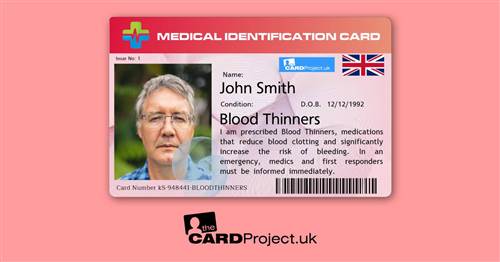
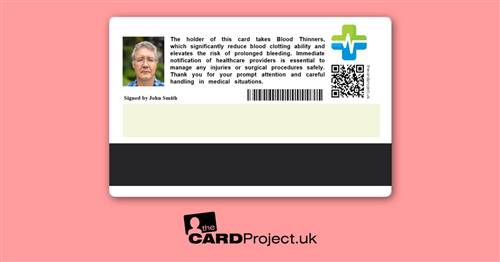
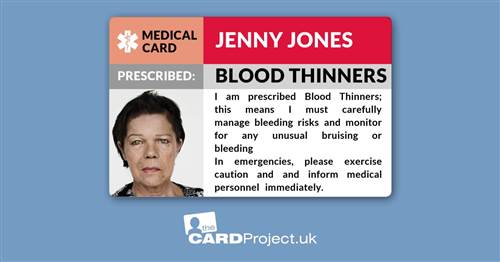
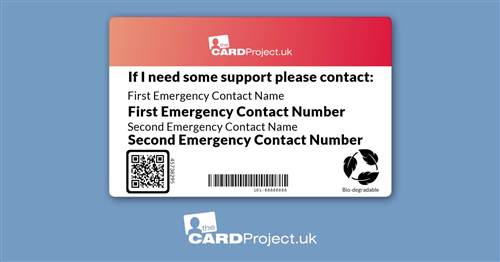
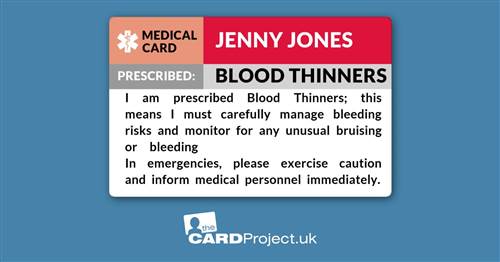
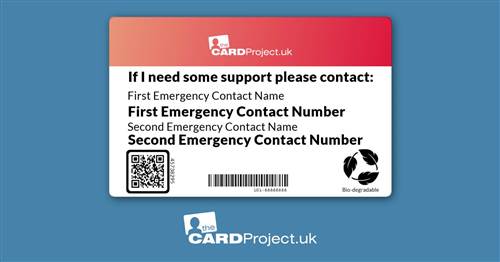
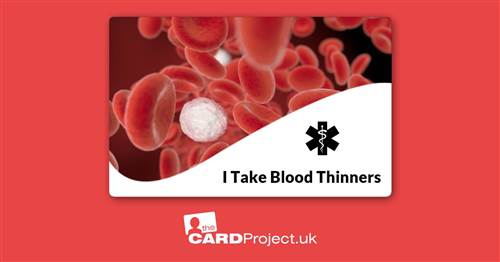
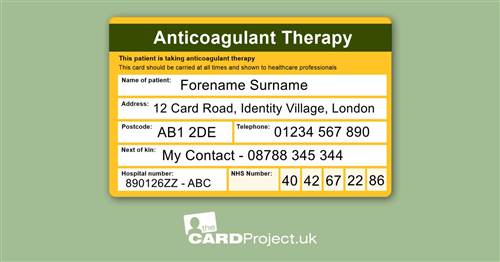
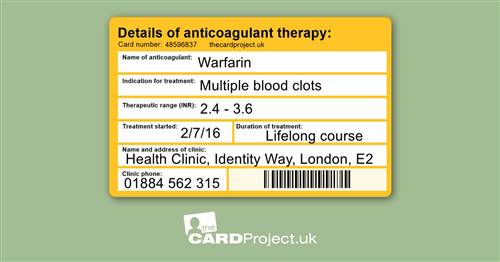
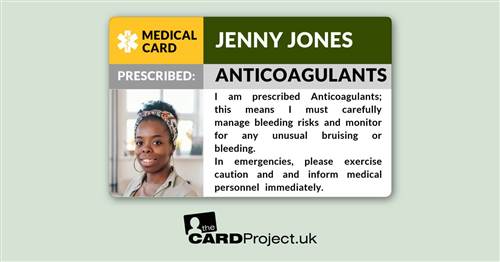
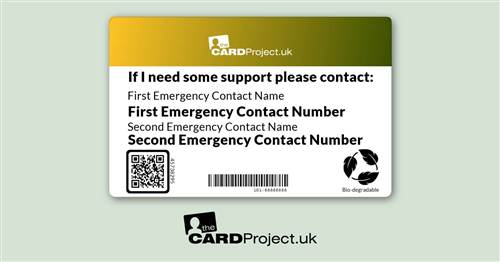
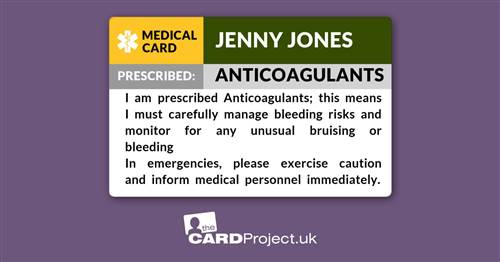
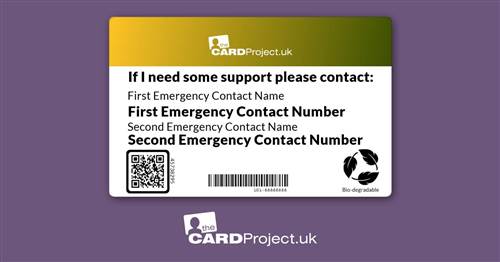
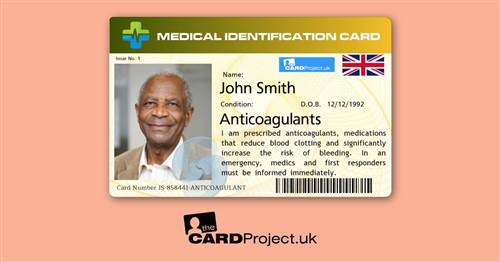
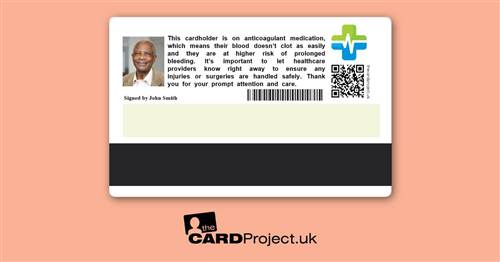
Important Note: If you have a significant fall or a hard blow to the head, you should always get checked out at A&E, even if you feel fine. Because you are on a blood thinner, doctors like to be 100% sure there is no internal bruising that you can't see. The Role of Your Blood Thinner Medical IDImagine for a second that you are out for a walk or at the shops and you have a sudden fall or a dizzy spell. If you are unable to speak for yourself, how will the paramedics or the hospital staff know that you take blood thinners? This is where a medical ID card becomes your "silent spokesman." Why a Physical Card is BestIn today’s world, many people think, "Oh, I have that info on my phone." While that’s a good start, phones can break during a fall, or they can be locked with a password that a paramedic can't get through. A physical card kept in your wallet, purse, or even tucked behind your phone case is the first thing a trained first responder will look for. It’s simple, it doesn't need a battery, and it gives them the facts in seconds. In the UK, our paramedics are trained to look for these IDs during what they call the "primary survey"—the very first check they do to keep you safe. Choosing the Right Card for YouAt The Card Project UK, we understand the importance of this lifeline, which is why we offer a range of blood thinner medical cards designed to suit every need and preference. We believe that everyone should have access to the type of security they feel most comfortable with. Our cards are designed to be as practical as possible. They are the exact same size as a standard credit card, so they fit seamlessly into your wallet or purse. We also care about the world we live in, so every card is made from high-quality biodegradable plastic. Depending on what you feel is best for you, we have several options:
The most important thing is that the card clearly states you are on a blood thinner. This allows doctors to make informed decisions quickly, such as prioritising scans or using specific reversal treatments if they are needed. Having this card in your pocket gives you a huge boost in confidence, knowing that your safety is never left to chance. Taking Other Medicines and SupplementsMany of us take a few different pills, perhaps for blood pressure or cholesterol. Generally, blood thinners play nicely with these. However, there are a few "common" medicines that don't mix well. PainkillersThe biggest one to watch out for is Ibuprofen (and other "NSAIDs" like Naproxen). These can irritate your stomach lining, and when combined with a blood thinner, they can increase your risk of a stomach bleed. If you have a headache or a bit of a backache, Paracetamol is usually the much safer choice. Herbal RemediesIt is always a good idea to check with your pharmacist before starting any herbal supplements. Things like St John’s Wort, high-dose Garlic supplements, or Ginkgo Biloba can sometimes interfere with how your blood thinner works. Your pharmacist is a wealth of knowledge and is usually very happy to give you a quick "yes" or "no" on whether a supplement is safe for you. Travelling and HolidaysThere is no reason at all to stop travelling just because you are on a blood thinner. Whether it’s a weekend in the Cotswolds or a flight to see family abroad, a little bit of planning goes a long way. Packing Your PillsAlways make sure you have enough medicine to last your whole trip, plus a few extra days just in case of travel delays. If you are flying, keep your blood thinners in your hand luggage. Suitcases in the hold can sometimes go missing or get very cold, which might affect the tablets. On the FlightLong journeys can increase the risk of clots for everyone. Because you are already taking a blood thinner, you have an extra layer of protection! However, it is still a good idea to drink plenty of water and move your ankles and legs around regularly while you are sitting down. Travel InsuranceWhen you book your travel insurance, make sure you tell them you are on blood thinners. It might add a very small amount to the cost, but it ensures you are fully covered if you need any medical help while you are away. Your medical ID card is also brilliant for travel, as it uses medical names that doctors in other countries will immediately recognise. Dental Appointments and Minor ProceduresIt’s important to tell your dentist that you are taking a blood thinner. In the past, dentists used to tell people to stop their medicine before a filling or an extraction. Nowadays, the advice has changed. Most dentists prefer you to stay on your blood thinner because it’s safer for your heart. They are very skilled at using special sponges or a couple of tiny stitches to make sure any bleeding in your mouth stops quickly. Never stop taking your medicine before a dental visit or a minor operation unless your doctor or the surgeon has given you a clear, written plan to do so. The Emotional Side: Feeling Confident AgainIt is very common to feel a bit "fragile" when you first start on these medicines. You might find yourself being overly cautious or worrying about every little bruise. Please know that this feeling usually fades as the weeks go by. The best way to overcome that worry is through knowledge and preparation. By understanding your medicine, making your home a bit safer, and carrying a medical ID card, you are taking charge of your health. You aren't just "someone on blood thinners"—you are someone who is proactively protecting their future. Many people find that talking to others in the same boat helps. There are wonderful UK charities like the AF Association or Thrombosis UK that have lots of friendly advice and stories from people who have been exactly where you are now. A Quick Checklist for SuccessTo wrap things up, here are the most practical steps you can take to live safely with blood thinners:
Looking AheadMedical science is moving fast. In 2026, we have more options for blood thinners than ever before, with medicines that are easier to take and safer than those we had twenty years ago. The future is all about making these treatments fit into your life, rather than you having to change your life for the medicine. By taking these simple precautions and staying informed, you can enjoy your retirement, your hobbies, and your family time with the peace of mind that you are well-protected. Blood thinners are a remarkable tool of modern medicine, and with a bit of common sense and a handy medical ID, you can live a full, active, and worry-free life.
© 2024 The Card Project Uk Ltd
VAT: 453 2087 06
|