|
ADHD Awareness Cards
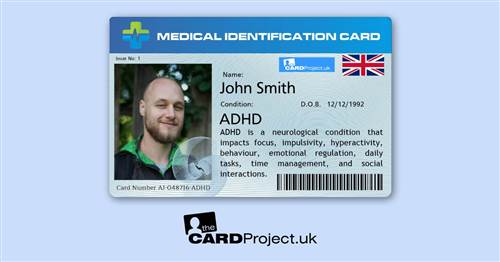
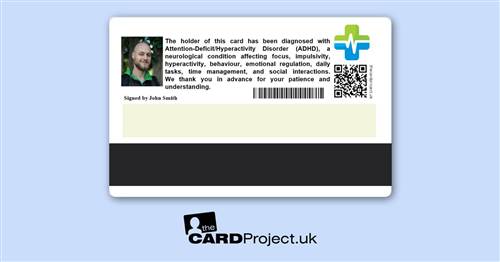
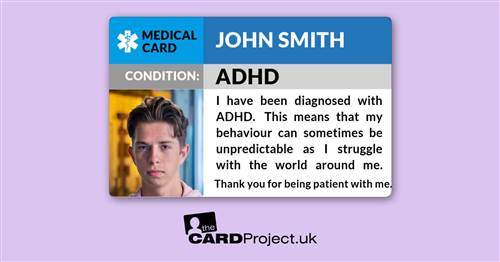
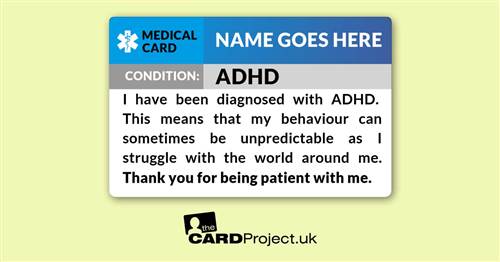
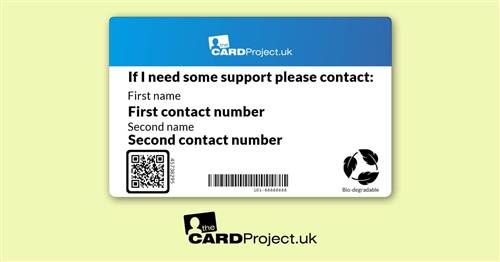
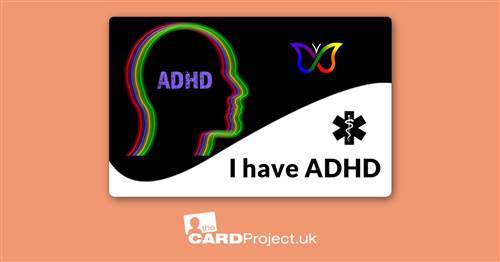
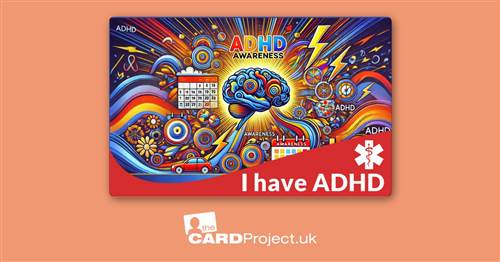
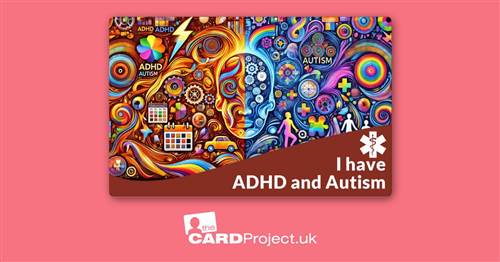
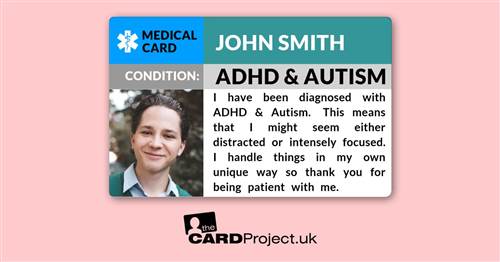
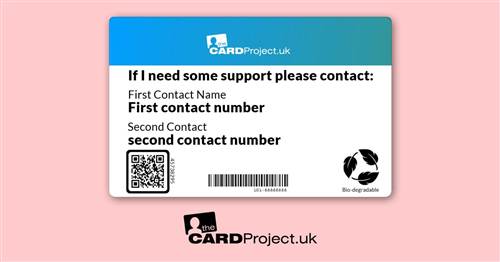
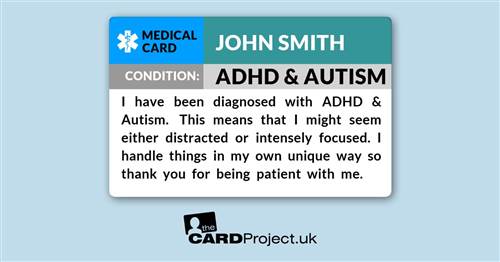
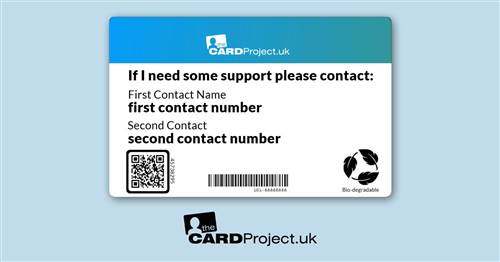
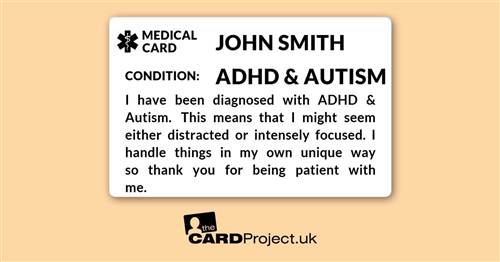
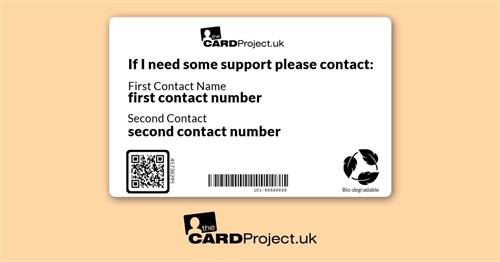
ADHD Medical IDs: A Practical Guide to Emergency SafetyPublished: April 21, 2026 In the ADHD community, the conversation is often dominated by "hacks." We talk about how to remember our keys, how to stay focused at work, and how to manage a cluttered home. But we rarely talk about the moment the "hacks" fail and the stakes shift from productivity to survival. Living with ADHD in a world that wasn't built for you is a constant exercise in translation. You are constantly translating your internal experience into a language that neurotypical people—and especially emergency responders—can understand. In a crisis, that ability to translate often vanishes. This is where the "burden of preparedness" becomes most palpable. Having to carry a card to explain your brain to a stranger is, frankly, exhausting. It is one more thing to remember in a life already full of things you're trying not to forget. But when you are in an emergency, this small tool becomes your most powerful advocate. This guide isn't about productivity; it’s about safety, cardiac risk, and the "invisible" hazards that make an ADHD Medical ID a life-saving necessity. The invisible risk of a brain that moves too fastWe often treat ADHD impulsivity as a social quirk—interrupting a conversation or making a snap purchase. In emergency medicine, we see impulsivity as a physical hazard. It is a statistical reality that individuals with ADHD are significantly more likely to be involved in serious accidents. This isn't because you are "clumsy" or "careless." It is because your brain’s prefrontal cortex operates with a different latency. When you are driving, navigating a busy street, or even just hiking, your brain requires a high level of stimulation to stay alert. When that stimulation drops, "inattentional blindness" sets in. You might miss the siren, the brake lights, or the changing signal. Conversely, when a snap decision is required, an impulsive drive might lead you to swerve into a greater danger rather than braking. If you are found unconscious or in shock, paramedics don't know your "baseline." They don't know that your fidgeting or lack of eye contact isn't a sign of a brain bleed, but simply your natural state. A medical ID provides that context immediately, ensuring the "Golden Hour" of your care isn't wasted on misdiagnoses. The hidden danger of stimulants and emergency adrenalineThis is the most critical medical reason for carrying an ID, and yet it is rarely discussed outside of trauma wards. If you take medication for ADHD—medications like Vyvanse, Ritalin, or Concerta—you are carrying a Central Nervous System (CNS) stimulant in your bloodstream. In a severe accident or a life-threatening allergic reaction, the first thing a medic might reach for is Epinephrine (Adrenaline). It is the gold standard for restarting a heart or opening an airway. However, for a patient on CNS stimulants, Adrenaline is a double-edged sword. Both substances stimulate the sympathetic nervous system. When they meet, they can create a "synergistic effect" where your heart rate and blood pressure don't just rise—they spike to dangerous levels. Without an ID to warn them, an ER team might administer a standard dose of Adrenaline, unintentionally triggering a Hypertensive Crisis. This is a medical emergency that can lead to a stroke or heart failure. When a medic knows you are on stimulants, they can adjust their strategy, choosing alternative medications or monitoring your vitals with the extreme precision you need. Speaking when the words won't come: Shutdowns and MeltdownsEmergencies are loud, bright, and chaotic—the exact environment that triggers sensory overload. In these moments, your ability to speak or follow complex commands can simply shut down. The silent risk of the shutdownA shutdown is an internal collapse. You might become non-verbal, your face might go "flat," and you may appear to be ignoring direct commands from a police officer or an EMT. To a first responder, this looks like "non-compliance" or drug intoxication. In a law enforcement context, this misunderstanding can lead to an escalation of force. An ID card that explains you may become non-verbal in a crisis shifts their perspective from "this person is resisting" to "this person is overwhelmed." The perceived threat of the meltdownA meltdown is an involuntary external explosion of sensory energy. It can look like flailing, shouting, or an intense need to move. To a responder, this looks like aggression. If they attempt to physically restrain you, it often intensifies the meltdown, leading to a dangerous cycle of physical struggle. Having a card that asks for calm tones and minimal restraint can literally save you from being tackled or tased during a moment of neurological vulnerability. The "Second-Hit" and the ADHD brainBecause of the higher risk of accidents, the ADHD population is over-represented in concussion clinics. There is a complex relationship between ADHD and head trauma. The symptoms of a mild Traumatic Brain Injury (TBI)—irritability, forgetfulness, and difficulty concentrating—are identical to the baseline symptoms of ADHD. If a doctor doesn't know you have ADHD, they might miss the signs of a concussion because they assume your "scattered" behavior is just your personality. Or, they might clear you for work or sports before your brain has actually healed, putting you at risk for the "Second-Hit" phenomenon, which can cause permanent cognitive damage. An ID ensures your recovery is measured against a realistic baseline. Finding the right card for youWe know that explaining what's happening when you're already overwhelmed is nearly impossible. That’s why we’ve designed a range of ADHD medical and awareness cards to help bridge that gap, reducing the pressure to find the right words when you need them most. Personalised ID Cards (with your details)These cards are designed for official identification and emergency safety, ensuring your critical details are visible even when you can't speak.
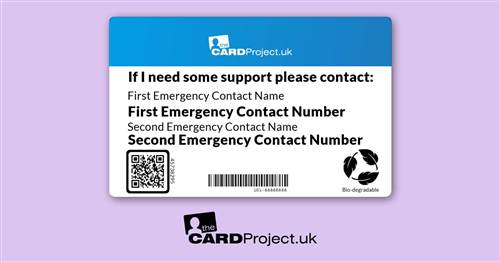
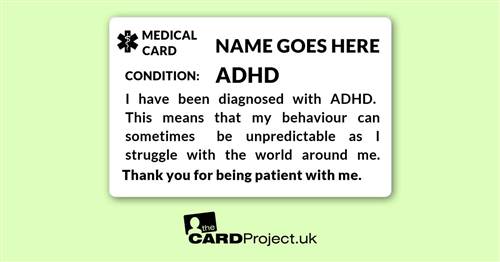
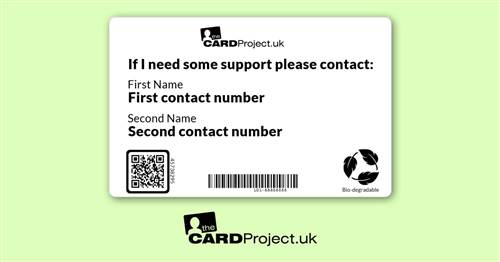
Simple Awareness Cards (no personal details)Sometimes you just need to signal that you need a little more space or patience without sharing your full medical history.
Learning more about the ADHD experienceA medical ID is a tool for crisis, but navigating daily life with ADHD requires a deeper understanding of how your brain works in the UK today. To help you navigate everything from the classroom to the airport, we have put together several in-depth information guides:
Looking out for your future selfIt feels fundamentally unfair that we have to be the ones to prepare for everyone else’s potential misunderstanding. It is an "ADHD tax" on our safety. But carrying a card isn't about admitting a weakness; it is about securing your power. By choosing a card today, you are performing an act of self-care for your future self—the version of you that might be in shock, or non-verbal, or scared. You are making sure that even when you can't speak, you are protected. You are ensuring that your heart, your brain, and your dignity are held in the hands of people who have the full story, even in the middle of the fog. Safety Note: This guide is for informational purposes and focuses on the intersection of ADHD and emergency medicine. It is not a substitute for professional medical advice. Always consult with your GP or specialist about your specific symptoms and how to stay safe in an emergency.
© 2024 The Card Project Uk Ltd
VAT: 453 2087 06
|