|
ARFID Medical Cards
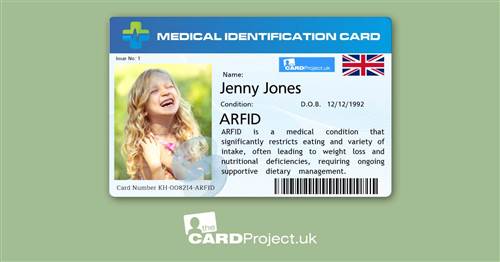

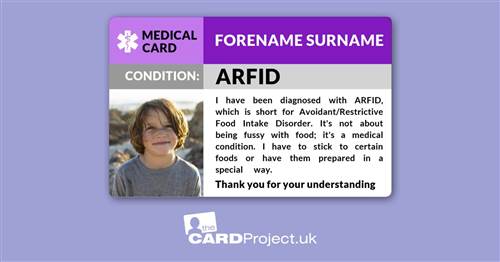

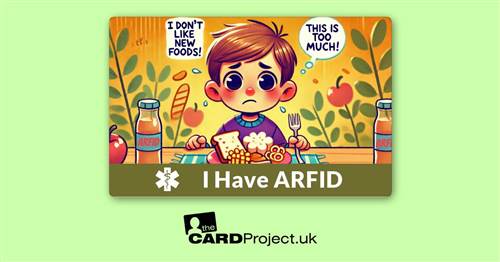
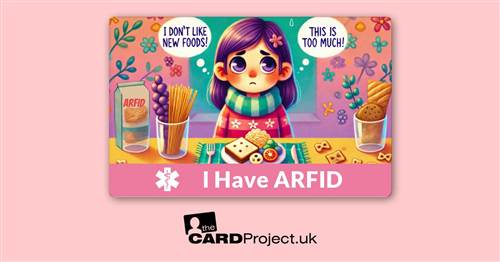
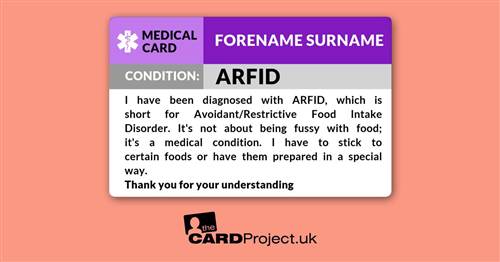

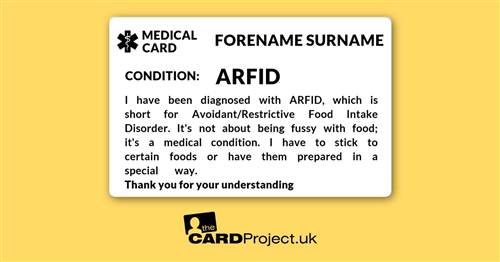


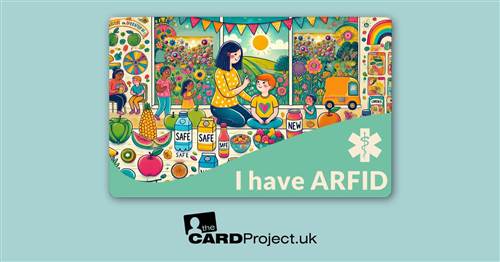
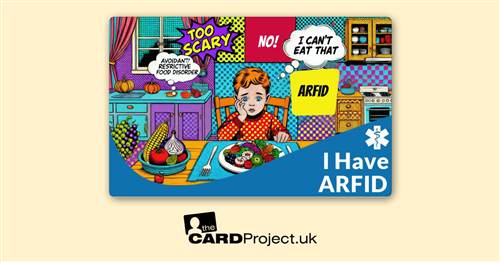
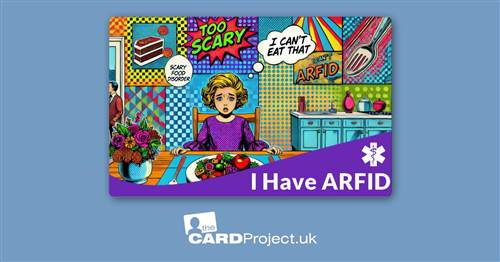
ARFID and How Our Medical Cards and Awareness Cards Can HelpAvoidant/Restrictive Food Intake Disorder (ARFID) is a serious condition that affects the way people eat. It is not the same as being a fussy eater or avoiding certain foods by choice. People with ARFID struggle with eating due to sensory sensitivities, fear of choking, or an overall lack of interest in food. This can cause nutritional problems and impact daily life. We provide a range of ARFID Medical Cards and Awareness Cards designed to make life easier for those living with this condition. Our cards help explain dietary needs in restaurants, social situations, and medical emergencies without the stress of repeated explanations. Whether carrying a personalised medical card with emergency contacts or a non-personalised awareness card, having one of our cards on hand makes communication simpler. What Is ARFID?ARFID is an eating disorder that causes people to avoid or restrict certain foods. Unlike other eating disorders, it is not linked to body image concerns. People with ARFID may struggle to eat due to:
These issues can make it difficult to get enough nutrition, leading to weight loss, fatigue, and other health concerns. Many people with ARFID rely on a very limited diet, which can cause social difficulties and make it hard to eat outside the home. Who Is More Likely to Have ARFID?ARFID is most commonly diagnosed in children, but it can affect people of all ages. Some children go through phases of picky eating, but for those with ARFID, these habits do not improve with time. The condition can continue into adulthood, affecting diet, social interactions, and overall health. Certain groups are more likely to develop ARFID, including:
Many people with ARFID struggle in social situations involving food. Eating at school, work events, or family gatherings can be stressful. This is why our ARFID Medical Cards and Awareness Cards are useful—they allow people to inform others about their condition without needing to explain it verbally. Recognising the Symptoms of ARFIDARFID affects everyone differently, but some of the most common symptoms include:
For some, these symptoms are mild and manageable. For others, ARFID can lead to severe nutritional deficiencies and the need for medical intervention. How ARFID Is TreatedThere is no single treatment for ARFID, as each case is different. However, support is available through a combination of medical and psychological approaches. Some common treatments include:
Overcoming ARFID takes time, patience, and understanding. Carrying one of our ARFID Medical Cards or Awareness Cards can make the process easier by ensuring those around you understand your dietary needs. Living with ARFID and How Our Cards Can HelpPeople with ARFID face many challenges, from finding food they can eat to dealing with social situations where meals are involved. Whether at school, work, or a family event, pressure from others to "just try" new foods can be frustrating. Many people with ARFID feel misunderstood, which can lead to anxiety around meal times. Our ARFID Medical Cards and Awareness Cards provide an easy way to explain the condition. Whether dining out, travelling, or in a medical emergency, our cards help communicate dietary needs without the stress of constant explanations. Why Carry One of Our ARFID Medical Cards or Awareness Cards?Carrying one of our ARFID Medical Cards or Awareness Cards has many benefits:
Many people with ARFID find that carrying one of our cards makes day-to-day life easier. Our range includes personalised medical cards with emergency contacts and non-personalised awareness cards, so there is an option to suit everyone’s needs. Find the Right ARFID Medical Card or Awareness Card for YouOur ARFID Medical Cards and Awareness Cards provide an easy way to explain the condition in everyday situations. View our full range today and choose the one that suits you best.
Helpful Guides: Understanding ARFIDLiving with ARFID—or supporting a child who has it—can be a lot to handle. To help make things a bit clearer, we’ve put together a series of practical guides filled with straightforward information and honest advice. Whether you are looking for ways to make mealtimes calmer at home, tips for school, or just want to understand the condition better, these articles are here to help. You'll find real-life strategies and support to help your family find a path that works for you. ARFID A Parents Guide - If you’re stuck in a cycle of mealtime battles and feel like you’re running out of ideas, we’ve been there too. This guide is a helping hand from parents who understand the worry, with honest advice and simple tips to help your child feel safe around food again. Understanding ARFID Symptoms Differences and Treatment Strategies - This guide clears up the confusion around ARFID, explaining why it’s so much more than just being "fussy." It’s a straightforward look at the signs to watch for and the different ways to get support, helping you understand how to move forward without the extra stress. A Life With ARFID What You Need To Know - When you're dealing with ARFID, everything from a quick snack to a dinner out can feel like a mountain to climb. We’ve put this guide together to help you handle the daily stress, find the right support, and make mealtimes feel a bit safer—whether you’re looking for yourself or trying to help someone you love. Can ARFID Be Cured? If you're worried about your child's restricted eating, this guide explores whether ARFID is a permanent challenge or something that can be overcome. It offers an honest, practical look at how children build confidence with food and what real progress looks like for a family. ARFID and sensory triggers beyond taste - When a meal is rejected before it even reaches the table, the culprit is often the room rather than the recipe. This guide helps you spot the hidden sensory triggers in your home and shows you how to dial down the "noise" so your child can finally focus on eating. ARFID: It’s Not Just for Kids - Forget everything you’ve been told about being a "fussy eater." This is a survival manual for the adults who have been left to figure out their sensory and neurological food battles in a world that thinks ARFID is just for kids.
© 2024 The Card Project Uk Ltd
VAT: 453 2087 06
|