|
ICE Photo ID Double Sided Cards
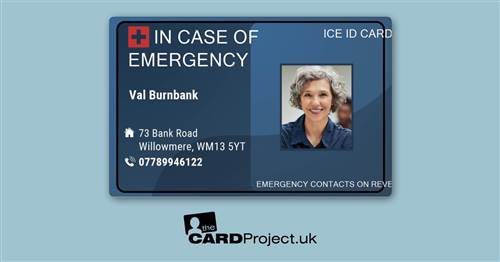
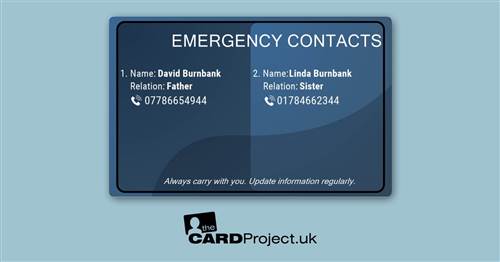
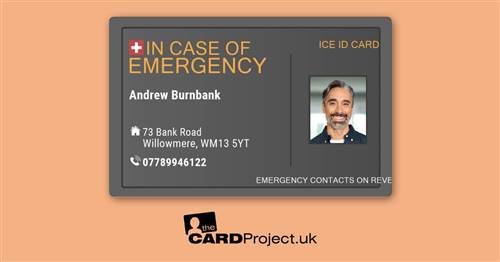

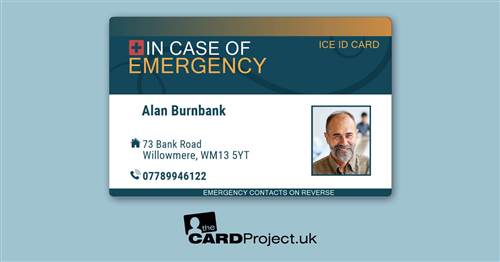
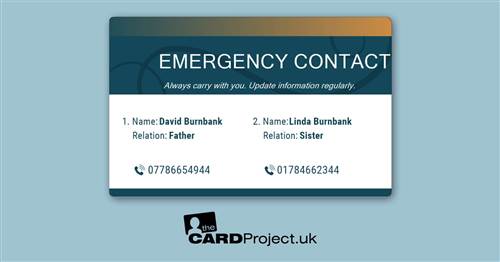

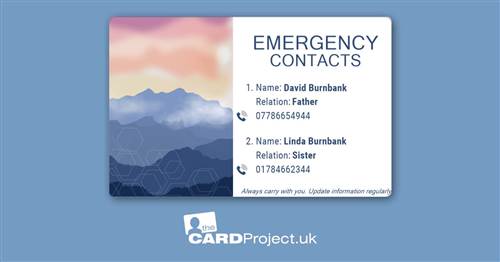
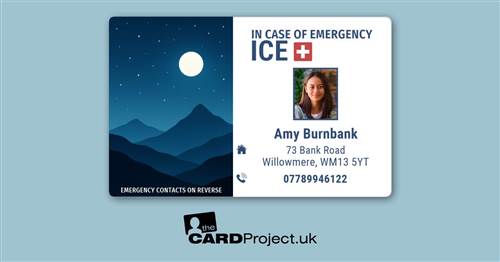
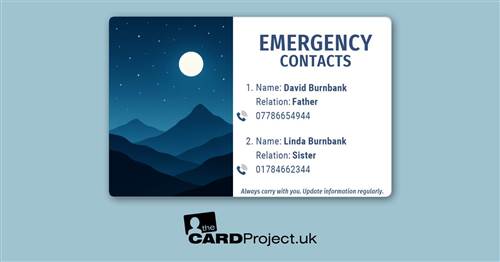
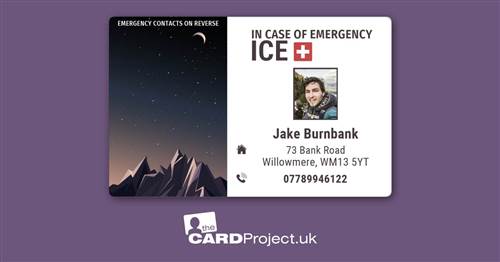
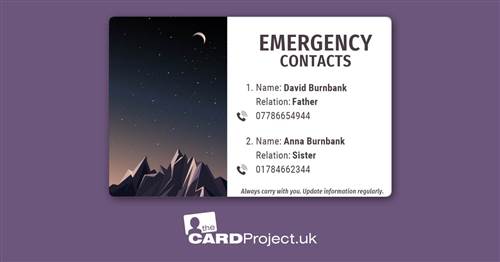

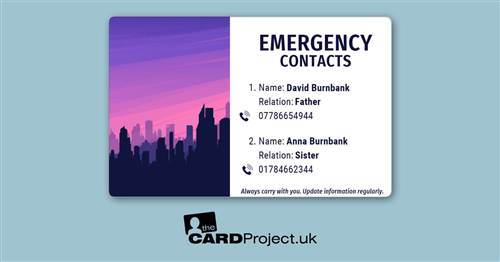
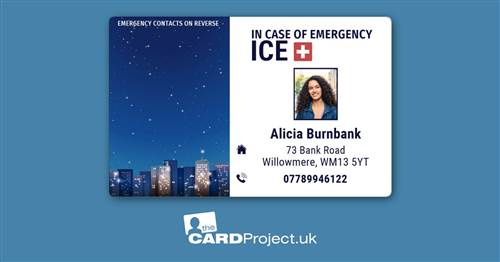

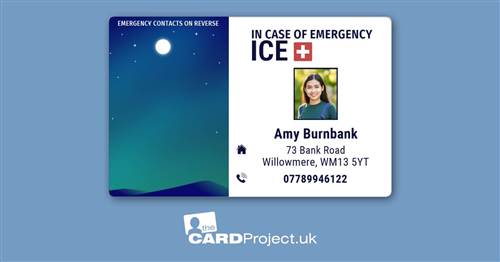
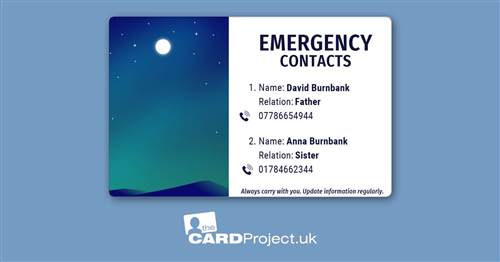
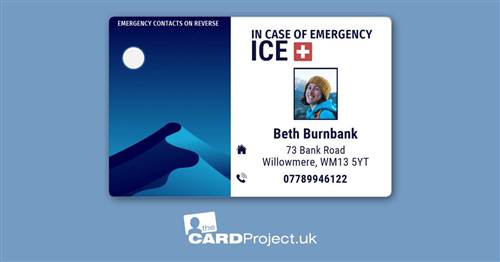
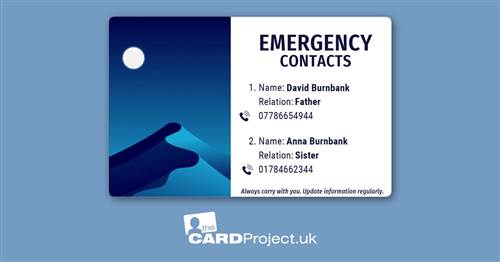



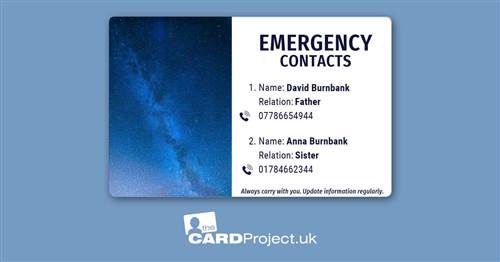

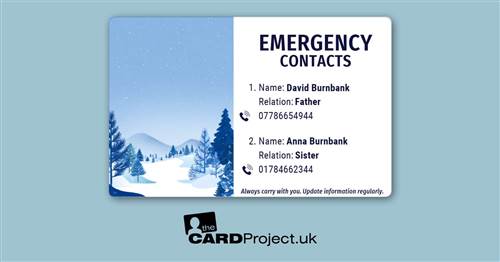
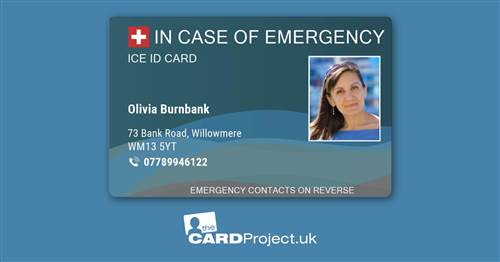
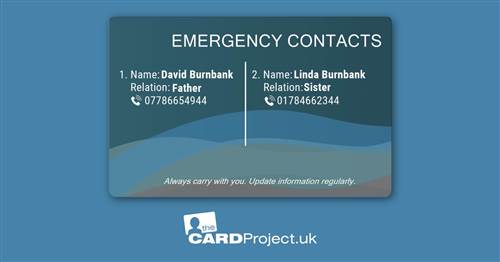
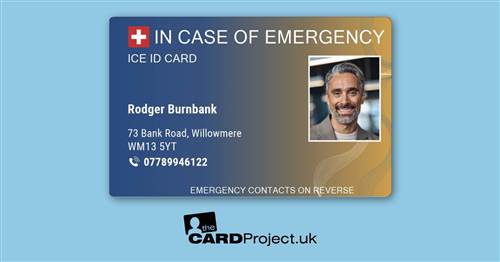
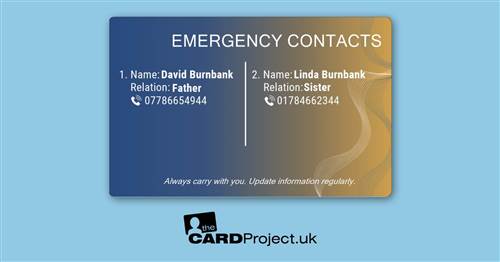
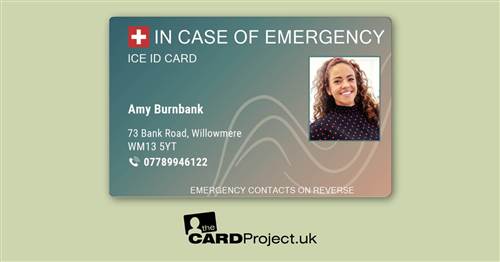
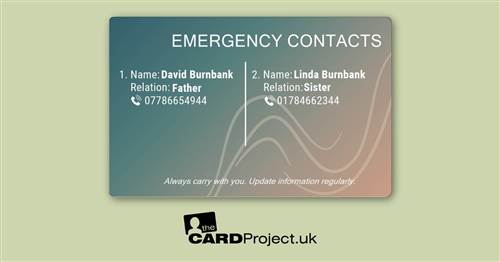
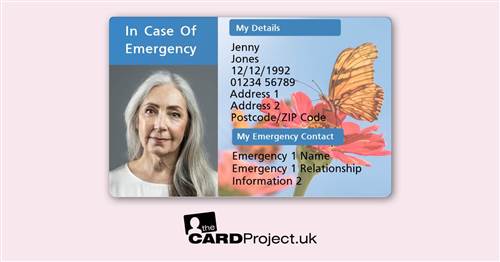
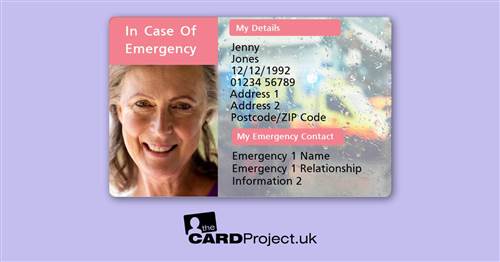
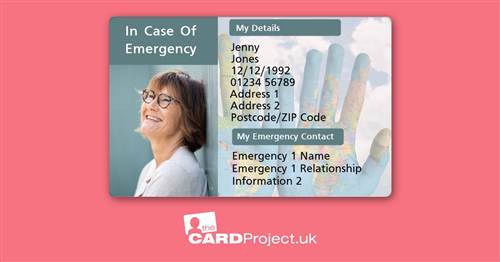
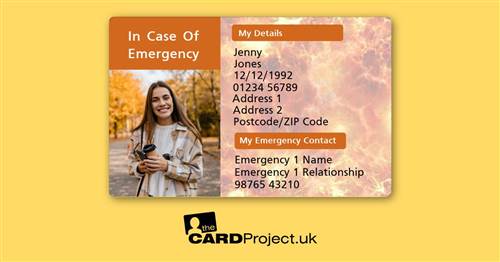
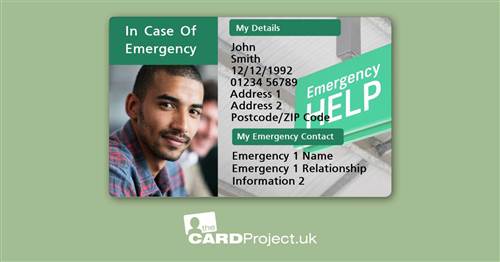
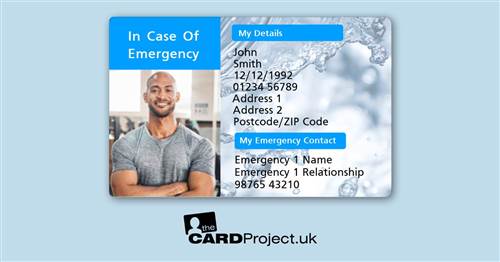
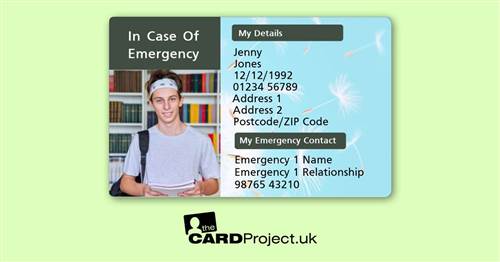
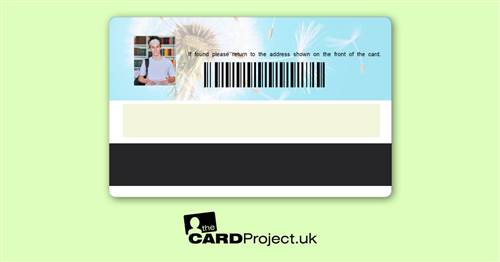
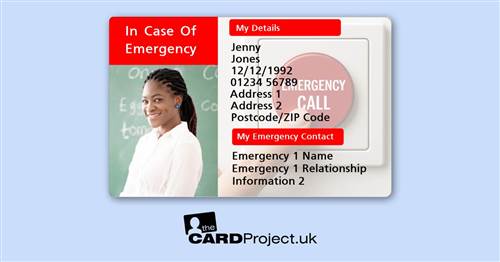
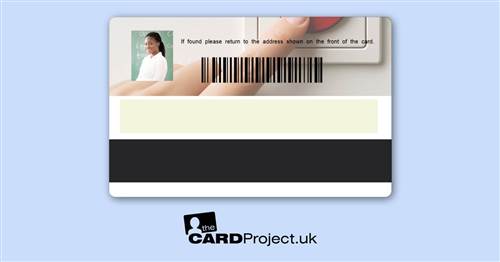

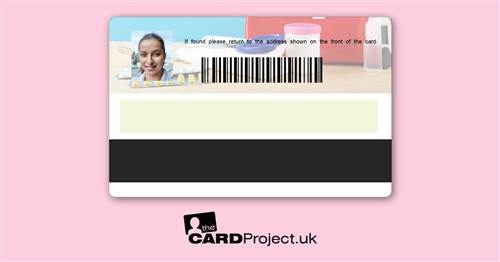
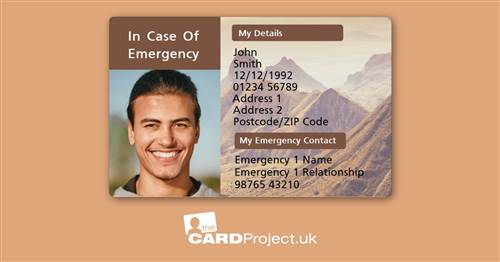
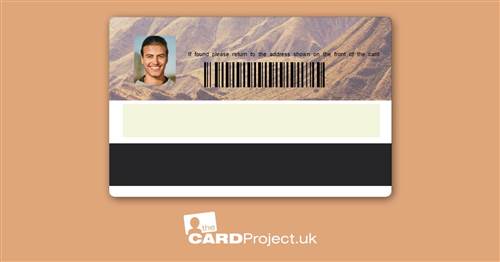
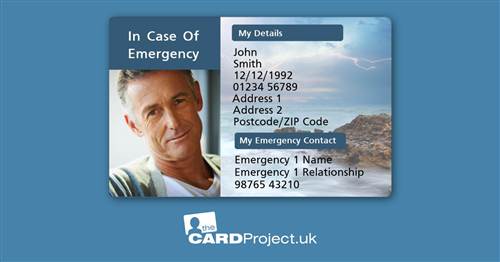
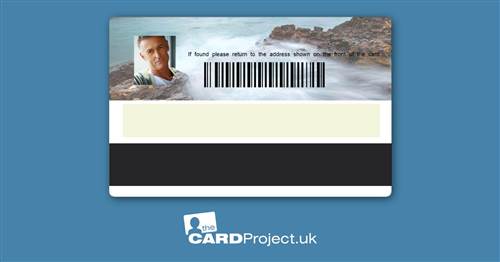
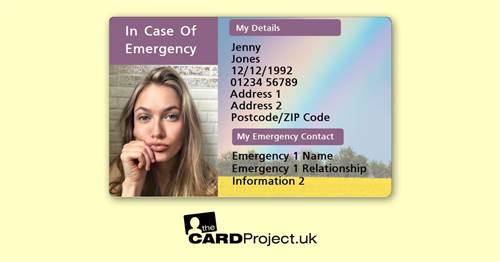
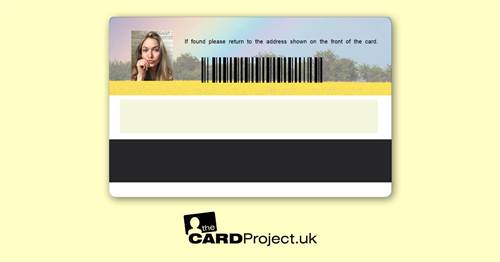
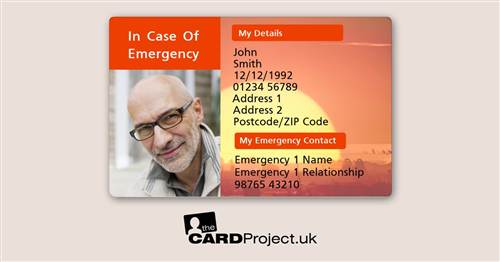
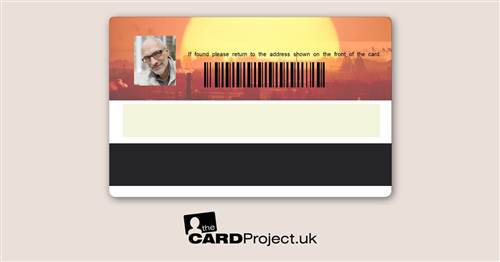
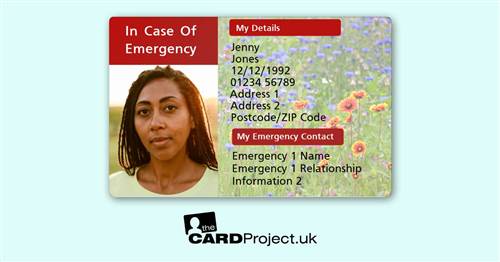
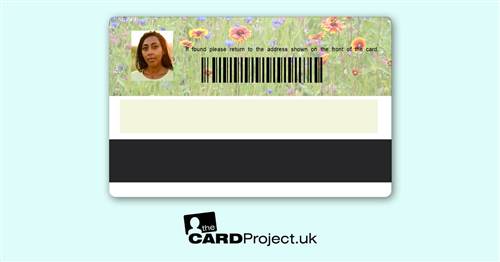
ICE Photo ID Cards: Your In Case of Emergency Solution for Quick Identification and ContactMost people carry a phone and a wallet every day, but if you're in a situation where you can't speak — maybe after an accident, if you're unwell, confused, or injured — none of that helps without the right information being immediately available. That's where ICE comes in. ICE stands for In Case of Emergency, and it's a straightforward way to make sure first responders or anyone helping you can get the details they need quickly. Our ICE photo ID cards are built for exactly that reason. They're the same size as a credit card, made from biodegradable plastic, and designed to fit easily in your wallet or purse. The key feature is the photo on the front — it helps confirm you're the person the card belongs to, which gives confidence to whoever finds it, whether that's a member of the public or emergency services. These cards aren't just for people with medical conditions; they're useful for anyone who wants a simple backup. What Does ICE Mean and Where Did It Come From?ICE stands for In Case of Emergency. The whole idea started back in the mid-2000s in the UK with a paramedic called Bob Brotchie, who worked for the East of England Ambulance Service. He'd been to a lot of accidents and medical calls where people couldn't speak or tell anyone who to contact. Phones were often the only thing on them with useful info, but contacts were listed as "Mum" or "Dad" — nothing obvious for a stranger to spot quickly. Plus, many phones were locked or tricky to get into under pressure. Vodafone had done some research showing that fewer than 25% of people carried any emergency contact details at all. That pushed Brotchie to come up with something simple: save your main emergency contact in your phone under "ICE" (like "ICE Mum" or "ICE Partner"), so responders could find it fast and consistently. The campaign properly launched in May 2005, with support from Vodafone and his ambulance service. Then, just a couple of months later, the 7 July 2005 London bombings happened. A lot of people were hurt and couldn't communicate, and it was hard to reach families quickly — especially with phone networks jammed. Brotchie went on BBC Radio 4's Today programme right after to talk about it, and the idea spread much faster from there. Over the years, as phones got smarter with lock screens and passcodes, the phone-only version became less reliable on its own. That's when physical things like wallet cards started to catch on as a straightforward backup — always there, no battery or unlock needed. Why Carry a Physical ICE Card in 2026?Even with smartphones everywhere in 2026, a physical card still has clear advantages. Phones can lock with passcodes, Face ID, or fingerprints — if you're unconscious or too confused to unlock it, responders might not get in easily. Batteries die, especially after a fall or accident, or the phone gets damaged and won't turn on. In busy emergencies, searching a locked or broken phone takes time that could be better spent on care. First responders in the UK are used to checking wallets and purses for ID, contacts, or medical notes — it's part of their routine when someone can't speak. A card is always there, no signal or power needed, and it's quick to read at a glance. It doesn't replace phone features (many Android and iOS devices now have emergency info on the lock screen or in settings), but it works alongside them as a reliable backup. For example, if you're out walking, cycling, or just on a train and something happens, the card gives instant details — your name, a photo to match you to, and who to call — without waiting for tech to cooperate. It's simple, low-tech, and dependable when the unexpected hits.
UK-Specific Considerations for ICE CardsIn the UK, there's no official law or NHS requirement saying you must carry an ICE card or any specific emergency info. Paramedics and first responders follow standard assessment protocols: they focus first on immediate care (airway, breathing, circulation), then look for clues about who you are and who to contact if you're unable to speak. From what ambulance services and paramedics share (including discussions from UK responders), they often check wallets, purses, or pockets for ID, contacts, or medical notes during or after the initial assessment — especially in situations like road accidents or when no family is around. Phones get checked too (for medical ID features or contacts), but a locked screen, dead battery, or damage can make that tricky. There aren't big regional differences in how this works across England, Scotland, Wales, or Northern Ireland — the core approach is the same, as ambulance trusts follow national guidelines. Some services, like the North West Ambulance Service, even provide free printable ICE card templates to encourage people to carry basic details. The point is simple: a clear, physical card in your wallet gives reliable info right where responders are likely to look, helping speed things up without relying on tech. ICE Photo ID Cards vs Other Emergency Identification OptionsThere are different ways to carry emergency info. Here's how photo ID cards compare:
Photo ID cards sit in the middle: instant access like a bracelet, but with more room for details like a photo, contacts, and address, and no tech barriers. What Information Should You Include on an ICE Card?Keep it simple and clear — too much text can make it harder to read quickly. The essentials are:
Other helpful additions, if relevant:
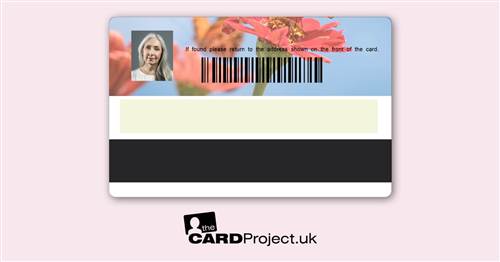
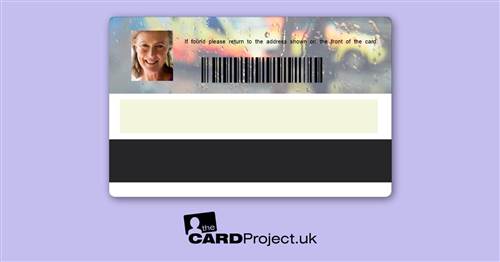
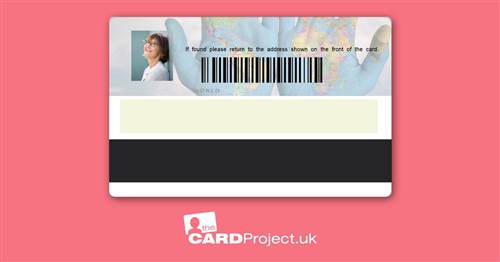
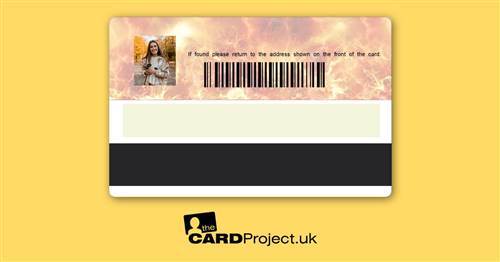
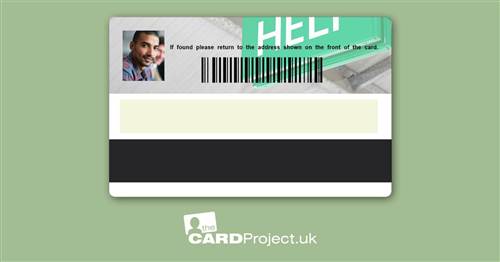
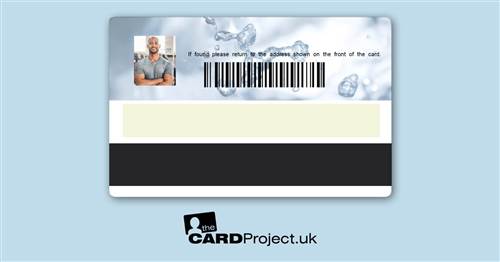
In the UK, there's no official legal requirement for what goes on an ICE card — the goal is speed and accuracy so help can start without delay. Focus on the basics that would be most useful in the first few minutes. Our Double-Sided ICE Photo ID Cards ExplainedOur double-sided range gives you options depending on what you need. Each card is different but they all have important information such as: your photo, name, date of birth, address, phone number, and emergency contact details (name, number, relationship). On the back, some versions include a magnetic strip and signature strip (priced at £10.99 each), while others are standard double-sided without those features (£7.99 each). Single-Sided ICE Photo ID Cards for SimplicityIf you prefer something straightforward, our single-sided cards start from £6.99 each. They have all the same details on the front — photo, name, date of birth, address, phone, emergency contact — but the back is blank. No extra features, just clean and easy to read. Who Can Benefit from Carrying an ICE Photo ID Card?These cards are for everyone, not just people with specific health needs. Everyday situations where they help include:
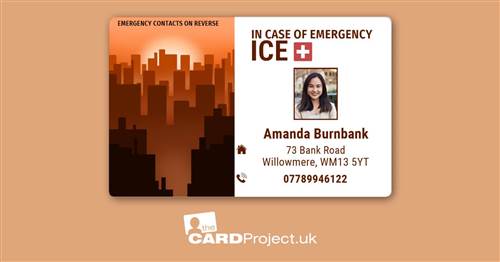
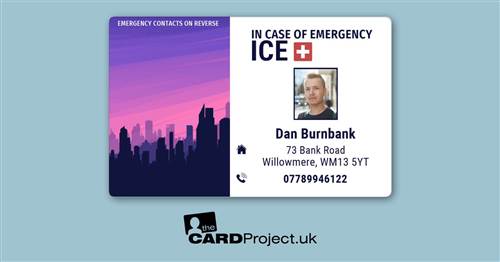
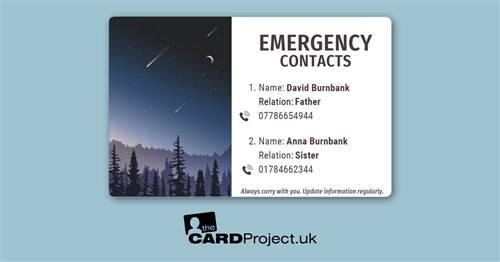
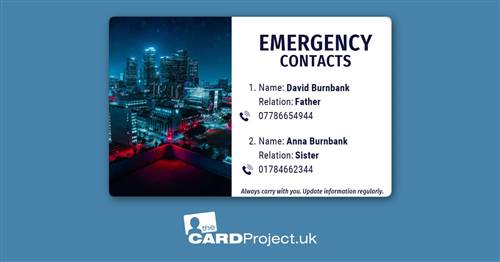
You don't need a diagnosis to carry one. It's just practical preparation. Peace of Mind: How ICE Photo ID Cards Help in Real SituationsIf something happens and you can't explain who you are, the card provides clear information right away. Emergency services can contact your loved ones faster, which reduces delays in treatment or decision-making. A photo builds trust quickly, and having an address and contacts avoids fumbling through a locked phone. It's about making things easier for the people trying to help you. Our Growing Range of Designs and Quality FeaturesWe keep adding designs — from classic and clean to brighter, more colourful options that suit different ages and styles. All layouts keep text clear and easy to read at a glance. Every card is printed on biodegradable plastic to a high standard, so it holds up well in daily use. Whether you choose single-sided for simplicity or double-sided for extra features, the quality is consistent. Our Guides: Get Even More From Your ICE CardWe know an ICE card is only as good as how well it fits your actual life. That’s why we’re building a small collection of straightforward, practical guides — to help you adapt and use your ICE card in the ways that matter most to you, whether you’re looking after kids, staying active outdoors, or just wanting reliable backup when phones and tech let you down. ICE Cards for Specific Groups: Children, Elderly, and Active Lifestyles - What if your child gets separated in a crowd, an elderly relative has a fall alone, or you crash while cycling far from home? This guide shows exactly how to adapt an ICE card to fit these real-life risks — with practical details, photo tips, and simple advice to make sure the right help arrives fast. Common Myths and Misconceptions About ICE Cards - With smartphones and smartwatches everywhere in 2026, it’s easy to think ICE cards are old news. This guide tackles the biggest myths that stop people from carrying one, shows why a simple physical card can still be a real lifesaver when tech fails, and walks you through easy, practical steps to make one that actually gives you peace of mind. ICE Cards for Chronic Medical Conditions or Daily Health Needs - If you live with a chronic condition like diabetes, epilepsy, heart disease or severe allergies, a simple physical ICE card can give UK paramedics the vital details they need in seconds – helping prevent mistakes and ensuring faster, safer care when you can’t speak. This guide shows you exactly what to include, how to make it clear and reliable, and why it’s still one of the most dependable tools you can carry. We’ll keep adding more guides as we go, covering different situations and needs that come up for real people. If there’s something specific you’d like us to cover — travel, medical conditions, outdoor adventures, or anything else — please do tell us. We’d love to make these guides as useful as possible for you. Ready to Get Your ICE Photo ID Card?If this sounds like something that would give you peace of mind, take a look through our range. Choose a design that fits your style, upload your photo and details, and order — it's quick and super straightforward. It's a small thing that could make a big difference when it matters. View the full range of our double sided ICE cards at the top of the page to get started.
Frequently Asked Questions
Can I make a homemade ICE card, and does it work just as well?Yes, lots of people do. You can download free printable templates from some UK ambulance services or cycling groups, fill in your details by hand, print it on card stock, and laminate it (your local library or post office can often help with that). It works perfectly as long as the info is clear, up-to-date, and easy to read — first responders just need the essentials. A homemade one is free and easy to replace if details change, though photo versions add that quick visual match for extra confidence.
How do I make sure my ICE card lasts and stays readable over time?Use permanent ink or a fine-tip pen that won’t smudge, and store it in a protective sleeve or wallet slot to avoid wear from daily use. Laminate if it’s paper-based. Check it yearly (or after changes like a new address) to keep everything current — faded or outdated text can slow things down. Our biodegradable plastic cards are designed to hold up well without extra effort.
Is an ICE card helpful for outdoor activities like walking, cycling, or running?Definitely — these are times when accidents can happen away from home or without family nearby. A card in your wallet (or attached visibly to gear) gives quick details to helpers or responders, speeding up contact with loved ones or getting the right care. For example, if you’re on a solo walk and fall, or cycling and crash, it’s low-tech and always there.
Will carrying an ICE card help when travelling abroad?Yes, it can be really useful. If something happens while you’re overseas — an accident, illness, or confusion — first responders or hospital staff in most countries check wallets and purses for ID, contacts, or medical details as part of their routine, similar to the UK. Your card provides instant info: a photo to confirm who you are, your name, emergency contacts (who can be called from anywhere), and any key medical notes.
Should I include blood type or other details like that?Only if it’s relevant and known accurately — blood type isn’t always critical in the first moments (they test anyway), so stick to high-priority things like severe allergies or conditions that affect immediate treatment. Too much detail can clutter it; keep it focused for quick reading.
© 2024 The Card Project Uk Ltd
VAT: 453 2087 06
|