|
Kids Neurodivergent Cards
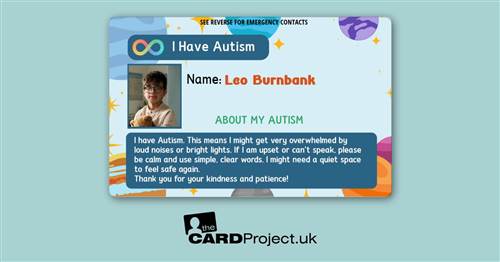
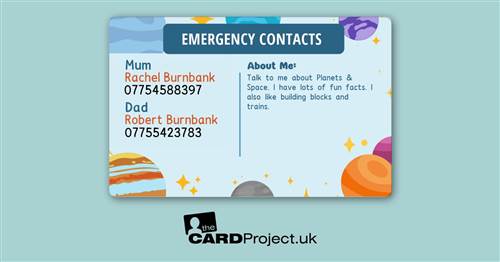
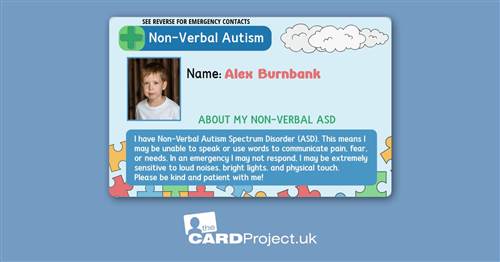
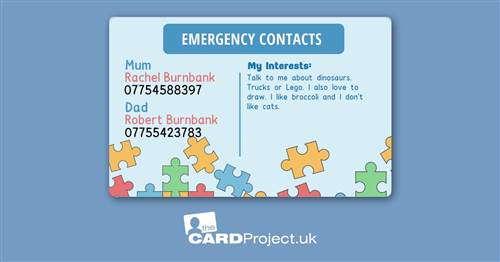
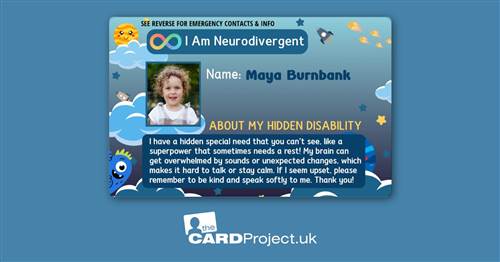
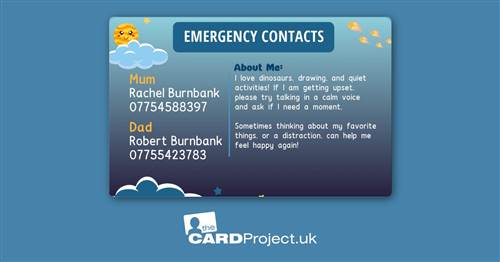
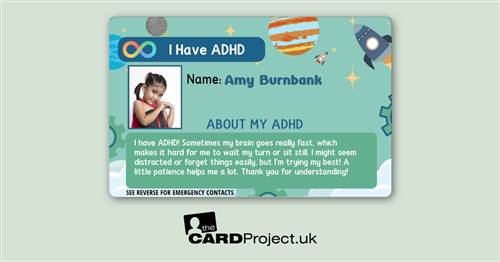
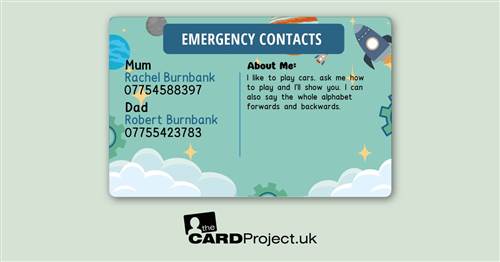
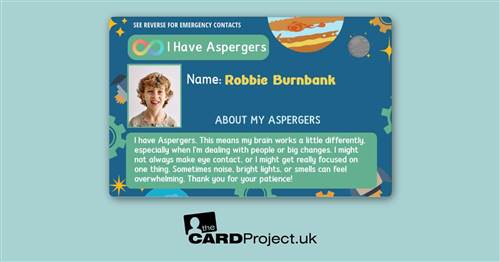
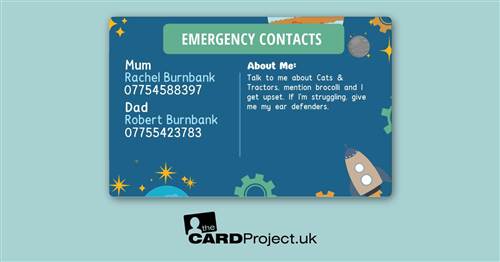

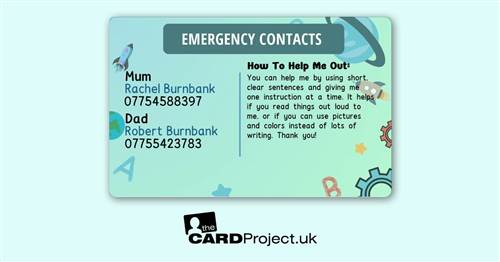
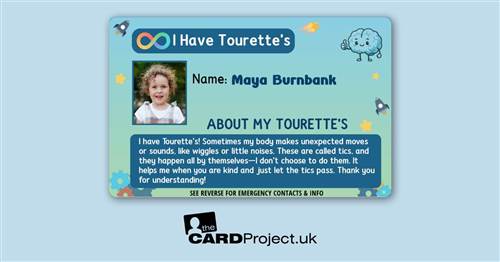
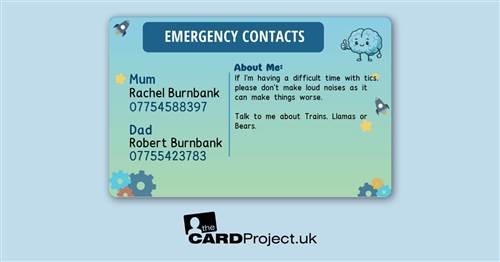

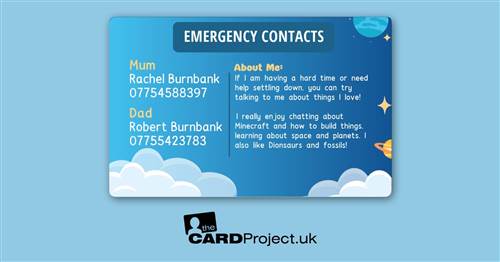

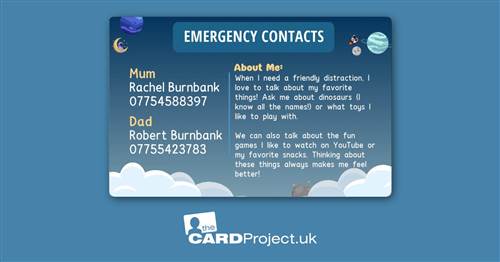


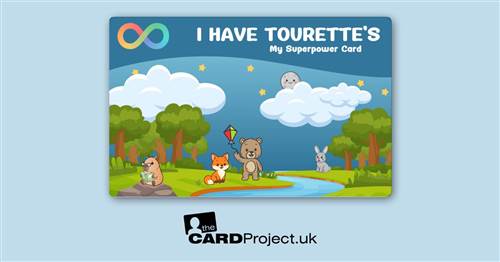
Kids Neurodivergent Cards: Personalised Health Alert Cards for ChildrenLast updated: January 18, 2026 If you’re a parent or carer of a child with autism, ADHD, anxiety, dyslexia, Tourette’s, epilepsy, sensory processing differences, or other forms of neurodivergence, you know how quickly everyday situations can become overwhelming when others don’t understand their needs. Kids neurodivergent cards provide a simple, reliable way to share key information at a glance. These small, durable, wallet-sized cards are made from biodegradable plastic and fit in a pocket, lanyard, or school bag. Parents, teachers, carers, first responders—and even children themselves—can see exactly what helps, what to avoid, and who to contact in seconds. From school mornings to family outings, these cards help reduce misunderstandings, keep children safe, and give families a little extra peace of mind. And with prices starting at just £4.99, they’re an easy choice for every family. Table of Contents
Why parents and carers rely on kids neurodivergent cards every dayLife with a neurodivergent child is beautiful, loud, funny, and sometimes exhausting. The hardest moments are usually the ones where someone else is looking after them and doesn’t have the full story.
These cards are sometimes called autism alert cards for kids, ADHD cards for children, or emergency info cards. Whatever the name, they help communicate essential details in seconds. Parents tell us the biggest weight off their shoulders is no longer having to repeat the same explanation to every new adult who comes into their child’s life.
How children use the cards when they feel overwhelmedMedical and Awareness cards are not just for grown-ups. As soon as a child is old enough to carry one, it becomes their own voice when words feel too big or disappear completely.
In all these moments – with unfamiliar adults or in new situations – the card speaks for the child when they can’t find the words themselves. Parents tell us it’s a game-changer for building confidence and preventing escalation. Step-by-Step: Teaching Your Child to Use Their Card ConfidentlyOnce you’ve got the card, the next step is helping your child feel comfortable using it – it’s all about making it feel like a positive tool rather than something scary or medical. Start young if possible, but these tips work for kids of all ages, adapting as they grow.
According to guidelines from the National Autistic Society, building habits like this early can boost self-advocacy skills, helping kids navigate school and social settings more confidently. Remember, patience is key; some kids might take weeks or months to feel ready, and that’s okay. The exact ordering process – step by stepWe deliberately made this as simple and fast as possible because you have enough on your plate.
No proofs to approve, no documents to send us, no chance of us changing anything. What you see on screen is what arrives in the post – usually within a few days. Why families choose The Card Project UK
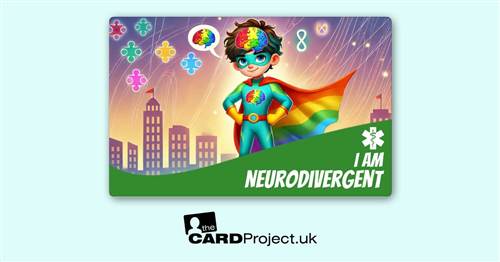
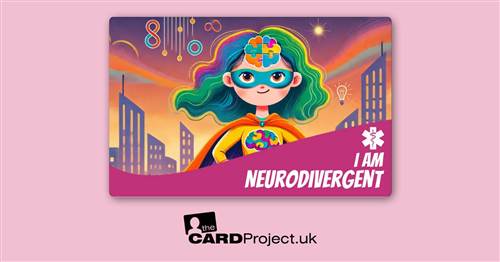
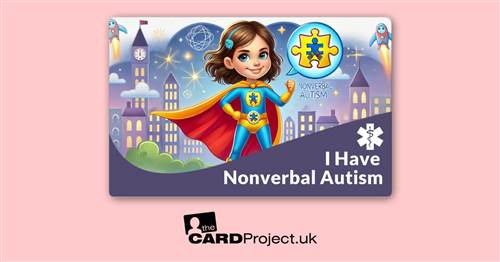
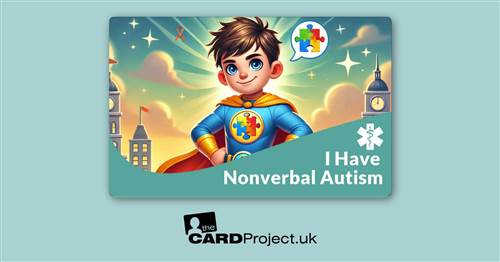
Our current designsOur current designs come in two straightforward options that lots of families find really helpful, depending on what feels right for your child and your situation. We have personalised cards at £7.99 each. These are made just for your little one – you can add their name, a photo if you like, their specific needs, what really helps them in tricky moments, things to avoid, and your emergency contacts. It’s like giving them a tiny, super-clear voice that speaks for them when things get overwhelming or when they're with someone new. Parents often tell us how much calmer outings, school days, or even emergencies feel because the right information is right there, no long explanations needed. It helps build your child's confidence too – they can hand it over themselves when words are hard to find, and suddenly the adult gets it straight away. Then there are our non-personalised cards at £4.99 each. These are ready-to-go with bright, positive designs (think friendly superheroes and gentle neurodiversity symbols) that simply let people know your child is neurodivergent or has a specific way their brain works, like being nonverbal. They're perfect if you'd rather not share personal details, or if you want something your child can carry and feel proud of without it feeling too specific. They're discreet, colourful, and child-friendly, so they don't scream "medical alert" – most kids just see them as their special card that helps grown-ups understand them quickly. Whichever you go for, the whole point is to make those everyday moments a bit easier and safer – whether it's a new teacher, a busy park, or a family day out. Having something tangible that communicates needs in seconds can take so much pressure off you as a parent, and give your child that extra layer of support when they need it most. It's one of those small things that ends up making a surprisingly big difference. Our layouts are fixed and we only use the preset designs you see above. If you’re after something a bit more tailored for your child, we do offer a custom design service. Drop us an email at theteam@thecardproject.uk – we’ll talk through what you need and see how we can help. Why More UK Families Are Turning to Tools Like Alert Cards in 2026As awareness of neurodivergence grows, more UK families are seeking practical tools to support their children in daily life. Rising rates of neurodivergence, combined with long NHS waits for assessments and support, are driving this trend.
Numbers are rising due to better awareness, straining services.
A medical or awareness card can provide immediate understanding and reassurance, helping families feel safer and supported while they wait for formal assessments. Check our References and Sources section for links if you want to read and learn more about these stats. Preparing for Common Situations: Checklists and TipsPrep reduces overwhelm for neurodivergent kids—use parent insights and National Autistic Society guidance. School Transitions Checklist
Public Places (Shops/Parks) Tips
Family Outings/Holidays Checklist
Medical Settings (GP/Hospital) Tips
These create a safety net for stress-free moments. Maintaining and Updating Your Child's Card Over TimeAs your child grows, their needs might shift, so keeping the card current ensures it stays useful. Aim to review it every six months or at key milestones like starting a new school year, changing medications, or developing new coping strategies.
Neurodivergent Information guidesWe’ve created a set of practical guides based on the questions parents ask us most often. They cover using the cards at school, teaching your child to hand the card over when overwhelmed, travelling with a neurodivergent child, and so much more. We understand how hard it can all be and we're here to help. Why a Medical Awareness Card Can Help Neurodivergent Children: A Parents Guide - Ever wish people just understood what your child needs without you having to explain it all over again? This guide shares how thousands of UK families use a simple medical awareness card to cut down on stress, misunderstandings and exhaustion in everyday life. What You Need To Know About Being Neurodivergent - This guide isn’t just for children. It’s written for all ages and offers a clear, thoughtful look at the beauty of being neurodivergent, making it especially helpful for parents. Well worth a read. How to Support a Child Who Becomes Overwhelmed in Public Places - Does your child get upset, shut down or have meltdowns when you’re out in shops, parks or busy places? This guide shows you exactly how to spot the early warning signs, prepare properly before you leave the house, keep things calm when it’s all getting too much, and teach your child simple tricks to settle themselves. Real tips that actually work for autistic, ADHD and sensory-sensitive kids. Understanding Autism Spectrum Disorder (ASD): A Guide for Parents in the UK - This guide for UK parents covers Autism Spectrum Disorder (ASD), from spotting early signs in toddlers to managing long NHS waiting times for diagnosis. It explains why diagnoses are on the rise, clears up common myths, highlights the benefits of early intervention, and offers practical steps, resources, and reassurance. Updated with 2026 statistics, it’s aimed at helping families stay informed, supported, and confident in taking timely action. A Simple Guide to Tourettes: What to Know - This guide covers Tourette syndrome, from recognising early tics in children to navigating NHS diagnosis and support. It explains what causes tics, why many children see symptoms improve significantly over time, clears up myths (like the idea that swearing is common), and shares practical strategies for home, school, and daily life. With UK-focused resources, treatment options, and reassurance throughout, it’s designed to help families feel informed, supported, and confident. Updated for 2026. Is Your Child Masking at School? What to Do When They Seem Fine There But Struggle at Home: Many parents see their child manage school days without issue, only to face meltdowns, shutdowns or extreme fatigue once home. This guide explains masking in children, why it happens, how to spot it and steps you can take to help your child feel safe being themselves. Frequently asked questions
Will an autism alert card help if my child wanders?Yes — the cards help adults understand your child’s needs quickly, so they can respond calmly and appropriately if your child becomes overwhelmed or moves away. They provide clear guidance on your child’s neurodivergent needs to support safety and understanding.
How do I teach my child to show their card when they feel overwhelmed?Start with simple, playful practice at home. For example, “When you feel wobbly, show your card to tell someone how to help.” Encourage them to try it in low-pressure situations first, like during a game or story time, so it becomes a natural habit. Most children quickly understand how it works and enjoy having a clear way to communicate.
Are kids neurodivergent cards useful in school?Yes. Many parents give one card to the class teacher and another to the SENCO or support staff. It reduces the need to explain the same details repeatedly to supply teachers or new staff, and helps with smooth transitions between classes or activities. It’s a simple tool for consistent understanding across the school day.
Do I need proof of a medical diagnosis to order a card?Absolutely not. We know life with a neurodivergent child is busy enough without extra hoops to jump through. You don’t need to provide any medical proof or documents. These cards are simply a way to share your child’s needs and make everyday situations easier, without adding extra stress for you or your child.
Do the cards look too medical or stand out too much?No. They’re designed to be colourful yet discreet and were designed for children, not adults. Most children see them as “my special card” rather than a medical tool. They fit easily into a pocket, wallet, or lanyard, so they’re practical for everyday use without drawing unnecessary attention.
What if my child loses their card?It’s easy to replace. If you create an account when you order then your card is saved, so you can reorder the same card without having to personalise it all over again. You can even make changes if you like. Many families keep one card at home and one in the school bag, so a backup is always on hand, reducing stress if one goes missing.Ready to choose and order your card?Setting up a kids neurodivergent card takes just a few minutes and can make a huge difference to everyday life – whether that’s calmer school mornings, fewer meltdowns on outings, or simply knowing your child has a way to be understood when words are hard. Browse the designs above, pick the one that feels right, fill in the fields, see your card live on screen, and know it will arrive on your doormat in just a few days. If you’re unsure which design to go for or just want a quick chat, drop us an email at theteam@thecardproject.uk – we reply the same day and we’re genuinely here to help. References And Sources(Last checked/updated: January 18, 2026 – these descriptions reference the most recent available official reports and pages as of this date)
These sources back the key statistics and guidelines mentioned throughout the page. All data is drawn from official UK health and charity organisations for accuracy and reliability. Disclaimer: These Kids Neurodivergent Cards are a practical communication tool designed to help share a child's needs quickly and clearly in everyday situations. They are not a substitute for professional medical advice, diagnosis, treatment, or emergency care. Always consult qualified healthcare professionals for medical concerns, and use these cards alongside any existing support plans (e.g., EHCPs). The information provided is for informational purposes only and based on general guidance from reputable organisations.
© 2024 The Card Project Uk Ltd
VAT: 453 2087 06
|