|
Autism Awareness Cards
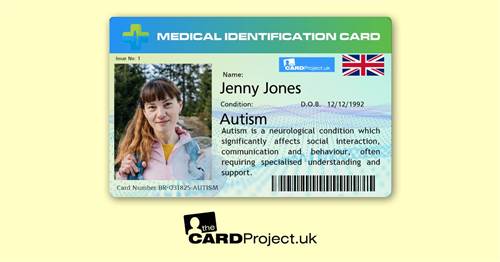
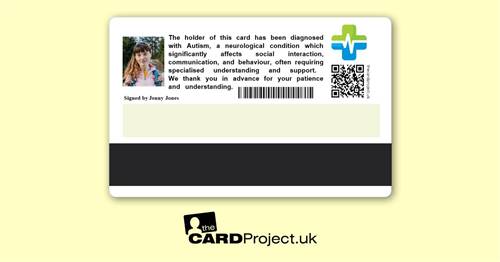

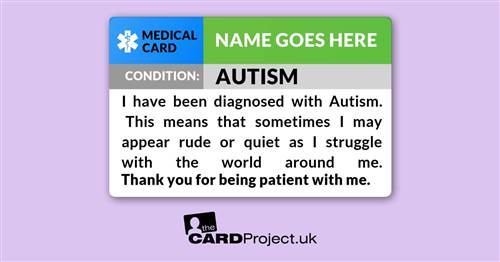
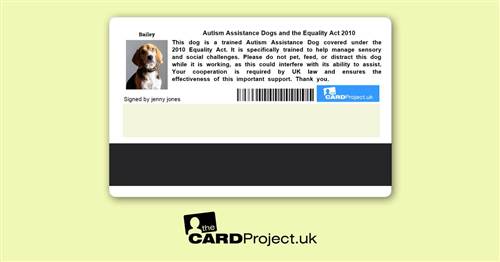
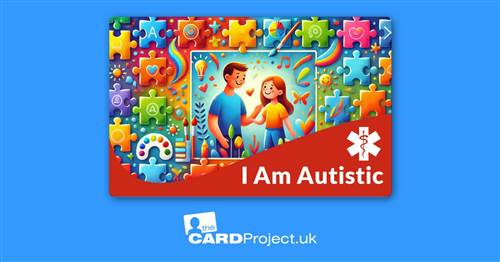
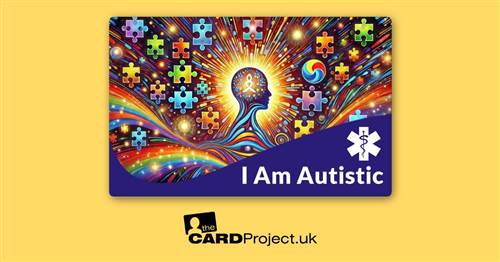
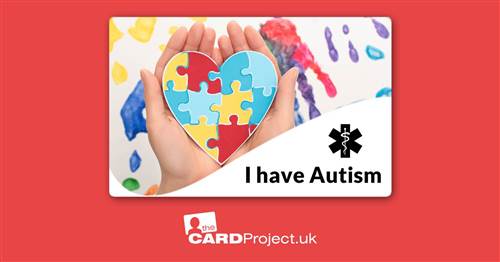
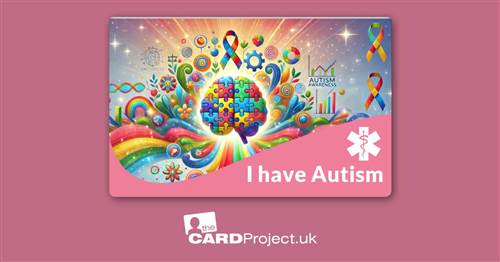
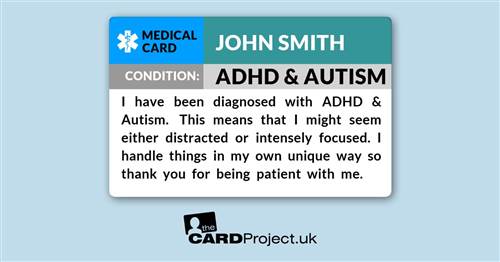
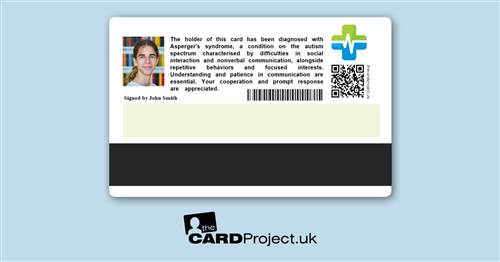
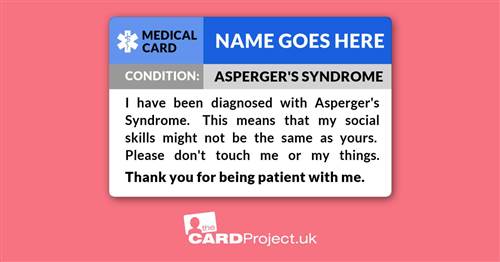
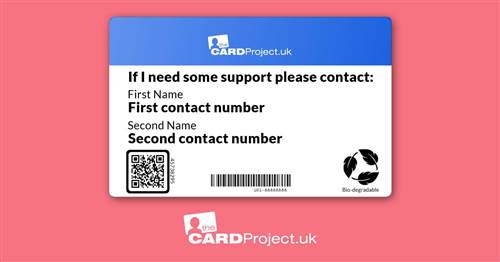
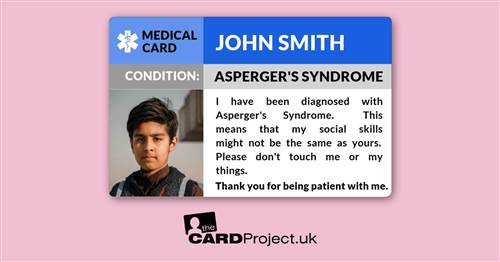
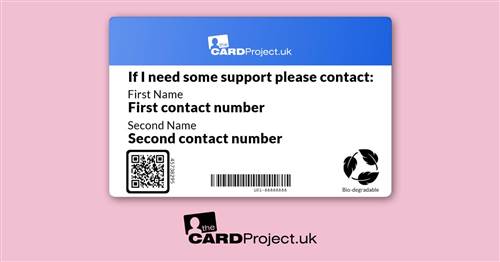
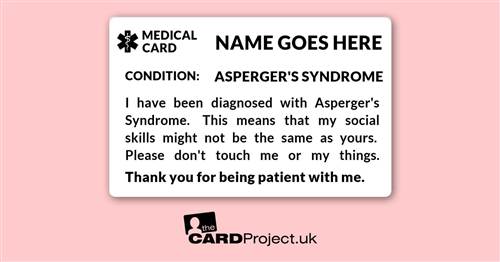
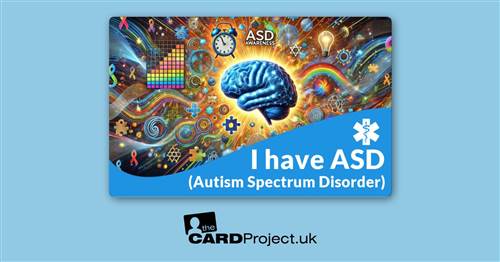
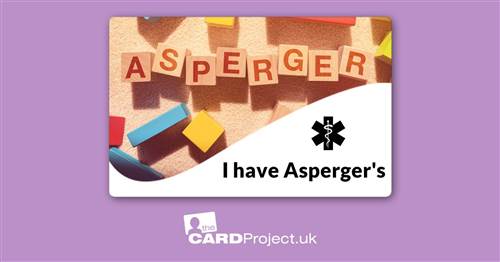
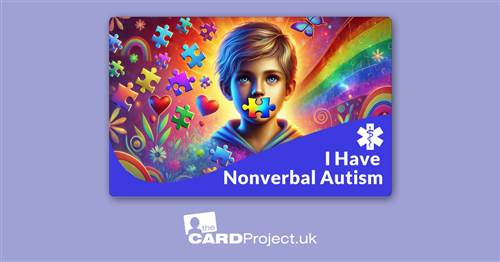
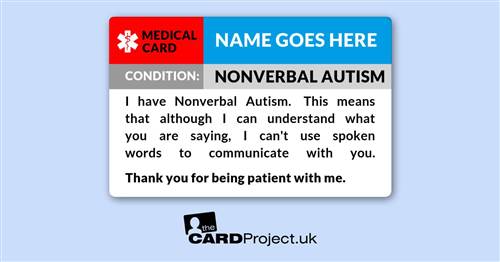
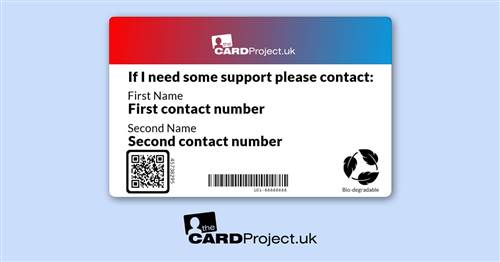
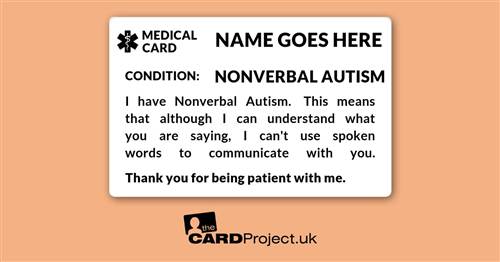
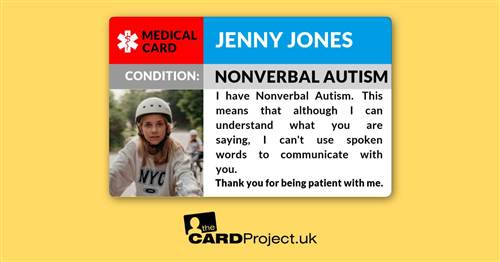
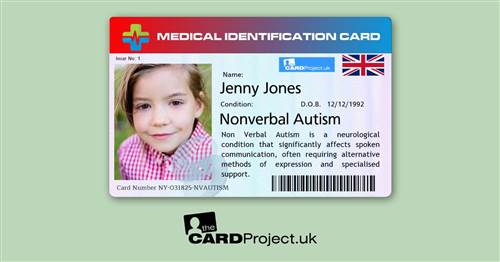
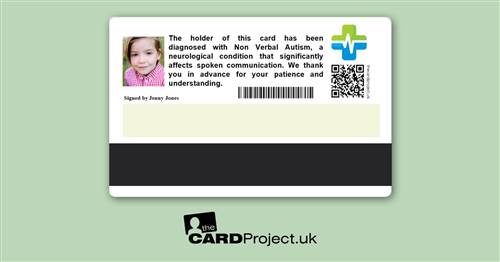
Autism ID Cards: The Complete UK Guide to Communication and SafetyLast Updated: 4th February 2026 Daily life in the UK is loud and often chaotic. For many autistic people, sensory overload isn’t just a nuisance—it’s physically draining. When your brain is working overtime to process background noise or bright lights, the ability to speak often shuts down. This is situational mutism. It isn’t a choice; it’s a biological response to being overwhelmed. At The Card Project UK, we make credit-card-sized IDs that do the talking when you can’t. We’re based in the UK and we know that a simple card can stop a misunderstanding before it turns into a confrontation. ContentsWhy a physical card makes a differenceIt might seem old-fashioned to carry a plastic card when everyone has a phone, but phones are unreliable in a crisis. If you’re having a meltdown or a shutdown, the last thing you want to do is fiddle with a lock screen, find an app, or worry about your battery dying. A physical card is immediate. You can keep it in a lanyard or a pocket and just hand it over. Because autism is a hidden disability, people who don't know you will expect you to act "typically." If you don’t answer a question or if you look distressed, they might think you’re being difficult. A card gives them the facts immediately: you’re autistic, you need a moment, and here’s how they can help. Using your autism card in UK public spacesUK Retail and SupermarketsSupermarkets are difficult environments. Between the constant beeping of the checkouts and the bright overhead lighting, it’s easy to hit a limit. Most UK supermarkets have "quiet hours," but they aren't always at convenient times. If you need to leave your shopping and get out of the store quickly, or if you’re struggling with a self-checkout machine, showing your card to a staff member explains the situation without you needing to speak. It lets them know you aren’t being "suspicious" or rude—you just need a bit of space or a faster way out. Public TransportPublic transport in the UK is rarely straightforward. Cancellations, platform changes, and crowded buses are part of the deal. If a train is cancelled and you’re struggling to process the new instructions being shouted over a tannoy, you can show your card to a member of staff. It tells them that you process information differently. Instead of giving you a long-winded explanation, they are more likely to give you clear, written directions or show you exactly where you need to go. It also helps if you’re using priority seating; a card can stop awkward questions from people who don't think you "look" like you need the seat. Interactions with emergency servicesThis is the most important reason to carry a card. UK police and paramedics are getting better at understanding neurodiversity, but in a high-pressure situation, mistakes still happen. The PoliceIf you’re in a state of shutdown and can’t make eye contact or follow instructions quickly, an officer might think you’re being non-compliant. A card that says "I am Autistic" changes their approach immediately. It moves the interaction from a potential confrontation to a welfare check. ParamedicsIf you’re injured or in shock, you might not be able to explain your sensory needs. A card can tell a paramedic if you have a high pain threshold (common in autism) or if being touched by a stranger will make your distress worse. It ensures they treat you in a way that doesn't add to the trauma. Understanding the Legal Context in the UKIn the UK, the Equality Act 2010 is the law that protects autistic people from being treated unfairly. Under this act, autism is recognised as a disability, which means businesses, employers, and service providers have a legal "duty" to make reasonable adjustments. While our cards aren't government-issued (the UK doesn't actually have a single "official" government disability ID), they act as a formal notification. The moment you show your card to a service provider—like a GP receptionist or a shop manager—they are legally on notice that you have a disability. What "Reasonable Adjustments" actually look like:
Carrying the card means you don't have to cite the Equality Act or get into a debate. You're just providing the information they need to follow the law. Dealing with Hidden Disability SkepticismThe hardest part of a hidden disability is that people often judge what they can’t see. If you aren't using a wheelchair or a white cane, some people—including staff in shops or passengers on trains—might assume you’re just being "difficult" or "rude." This is where a professional, plastic ID card makes a difference. It’s a physical object that carries a level of authority. It signals that your diagnosis is documented and your needs are legitimate. How to handle skepticism:
For many people, the card is a "confidence booster" in their pocket. Knowing you have a way to shut down a confrontation before it starts makes it much easier to leave the house. Supporting Autistic Students in EducationSchools and colleges are noisy, crowded, and run on very tight schedules. For an autistic student, a single "bad" sensory experience in a corridor can ruin the whole day. It’s often impossible for every teacher, supply tutor, or lunchtime supervisor to know every student's specific needs. An ID card gives the student a way to speak up for themselves without having to say a word in front of their peers. Practical uses for students:
Autism in the UK WorkplaceNavigating the world of work is another area where a communication tool is invaluable. From the high-pressure environment of a job interview to the daily social nuances of an office or a site, being autistic in the workplace often requires a lot of "masking"—trying to appear neurotypical to fit in. This is exhausting and often leads to burnout. While you might have already told HR about your diagnosis, your day-to-day colleagues or a new supervisor might not be aware. An ID card is a practical tool for these ground-level interactions. Using your card at work:
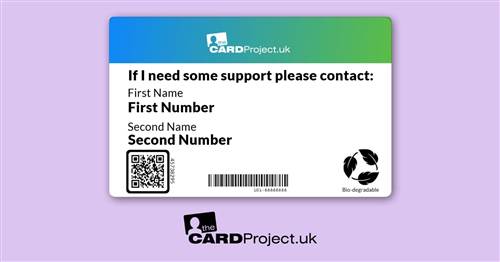
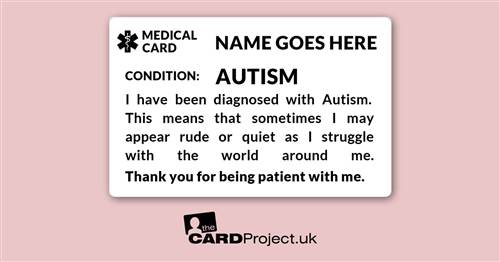
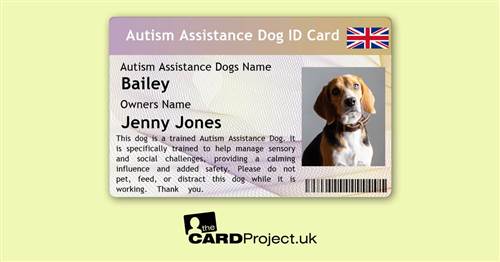
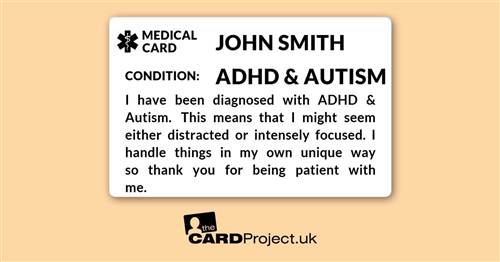
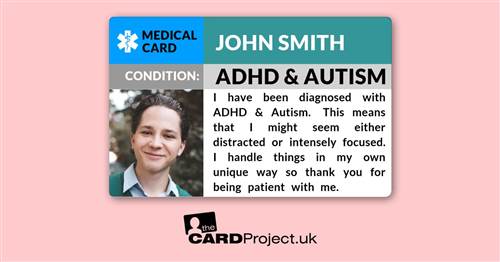
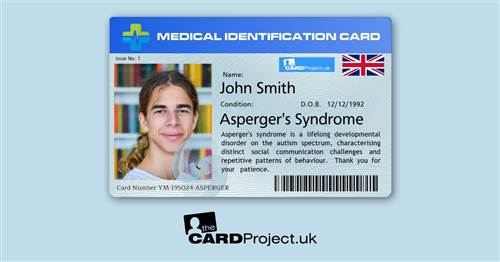
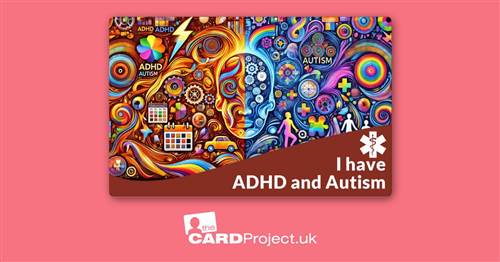
How to personalise your card for maximum impactEvery autistic person has different needs, which is why we offer a variety of card designs rather than a "one size fits all" approach. When choosing which card is right for you, think about the specific information that will be most helpful to you in a difficult moment. Choosing the right layout:
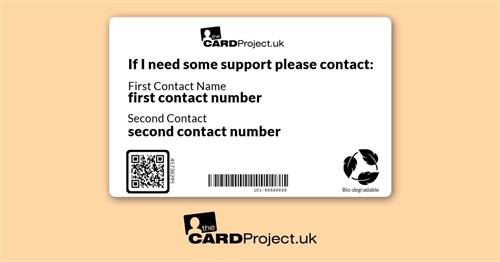
By selecting the card from our range that best matches your daily experience, you’re making sure you have the right tool in your pocket before you even leave the house. Autism Card specifications, pricing, and UK deliveryWe make these cards to be used every day. They are printed in our UK office on durable, biodegradable plastic. They are exactly the same size and thickness as a bank card, so they fit in your wallet or a standard lanyard holder without snapping.
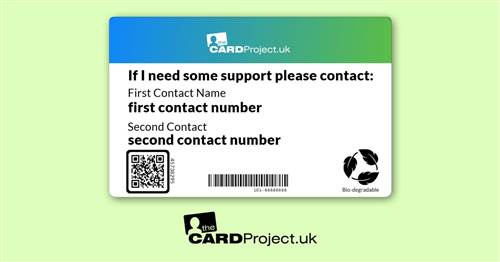
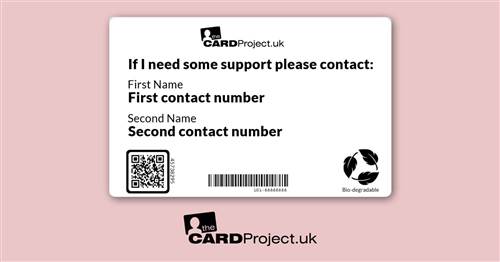
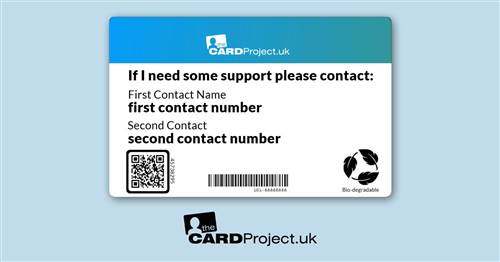
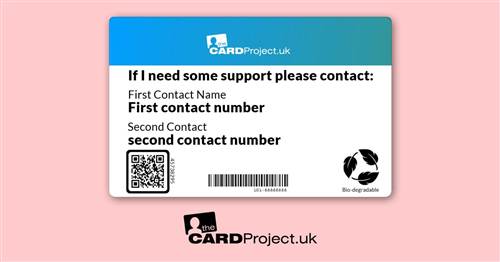
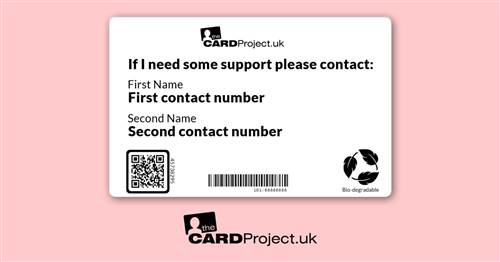
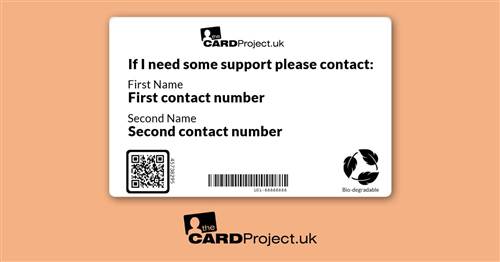
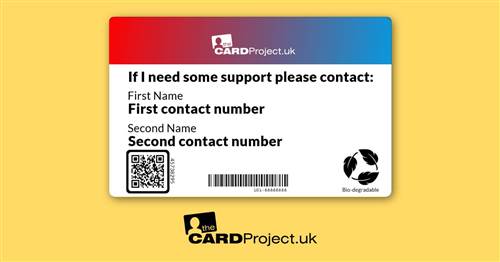
Frequently Asked QuestionsWhat is "Situational Mutism" and how does the card help?It isn't that you won't speak; it's that your brain cannot speak because it is overloaded. In the UK, people often assume silence is a sign of being rude or guilty of something. Handing over a card explains that your silence is part of being autistic. It takes the pressure off you to find words when your brain isn't producing them. What should I do if someone ignores my card?If someone ignores the card, it is usually because they don't understand what it is or they are overwhelmed themselves. In that moment, don't stay and try to argue. Your priority is your own safety and getting some space to breathe. If the situation happened with a staff member at a business, you can always choose to send an email or make a report later when you are feeling calmer, but at the time, the card is simply there to try and make a hard moment a bit easier. Can I include more than one emergency contact?Yes, and we strongly recommend doing so. Our double-sided cards are designed with enough space to feature two separate phone numbers. In a crisis, the person helping you might only try calling once; if your primary contact is at work, driving, or has their phone on silent, having a second "backup" number can be the difference between getting help quickly and being left alone. This is particularly vital for parents of autistic children or for adults who travel independently but may need support if their routine is suddenly disrupted. Is an autism ID card a legal requirement?No, there is no law in the UK that says you must carry identification. However, the Equality Act 2010 is a powerful piece of legislation that requires businesses, shops, and service providers to make "reasonable adjustments" for disabled people. The challenge is that they cannot help you if they don't know you have a disability. The main reason people use them isn't because they have to, but because it's often easier to show a card than it is to try and explain everything out loud when you're stressed. It's a way to get the point across quickly. Is the card official?There is no "official" or government-issued autism card in the UK. Our cards are used by people to show police, paramedics, or transport staff that they are autistic, but you shouldn't assume that every person you meet will have seen one before. However, they work because they are clear and easy to read, providing information that the other person might not know in a stressful moment. Our Information Guides for AutismWe want to help with the parts of life that a card alone can't fix. Based on what we’ve learned from our customers over the years, we’ve put together these guides to help with some of the more exhausting parts of being autistic. The Autistic Hangover: Dealing with the physical and mental crash after a busy day Many autistic people find that a social event or a trip to a busy place leads to a total exhaustion the following day. This guide explains why this happens and offers practical advice on how to manage the recovery period without feeling guilty about needing the downtime. Sensory Auditing: You don't just experience sensory overload in public. Often, your own home is full of small irritations—like the texture of a certain fabric or the sound of a specific appliance—that keep your stress levels high. This guide is about identifying those hidden drains and making your environment work for you. Autistic Inertia: Ever found yourself staring at a simple task for hours, wanting to move but feeling physically unable to start? This is Autistic Inertia—a neurological "gear-shift" issue, not a lack of willpower. This guide explores why your brain gets paralyzed by transitions and provides the low-friction strategies you need to break the cycle and get moving again. Medical Emergencies and Sensory Needs - A hospital visit is stressful enough without the sensory overload and "autopilot" medical care. This guide looks at how to keep your voice heard when you're at your most vulnerable, ensuring the people trying to help don't accidentally make things worse.
© 2024 The Card Project Uk Ltd
VAT: 453 2087 06
|