|
Kids Medical Alert Cards

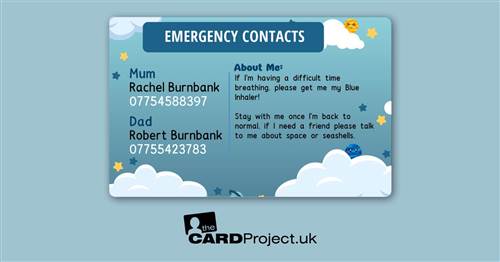

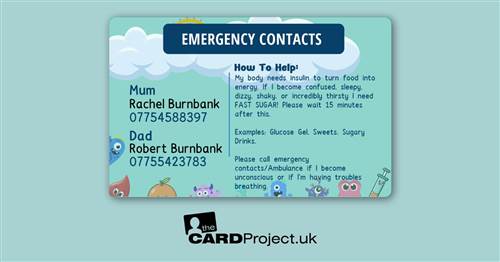

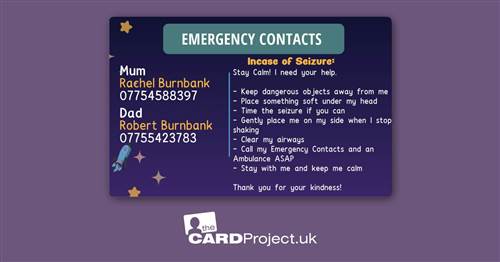


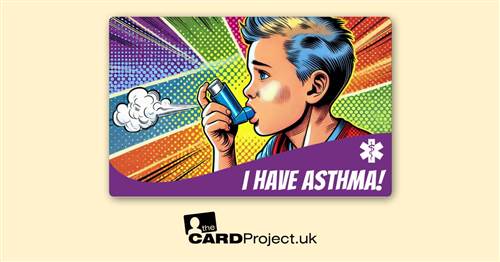
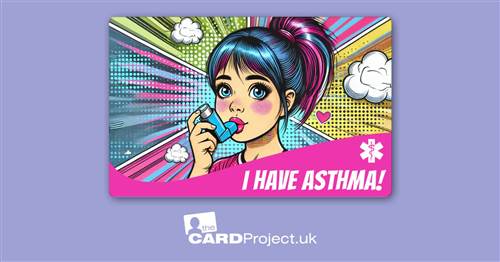
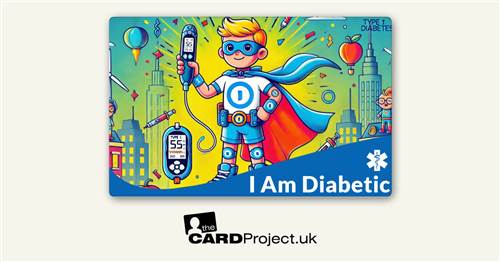
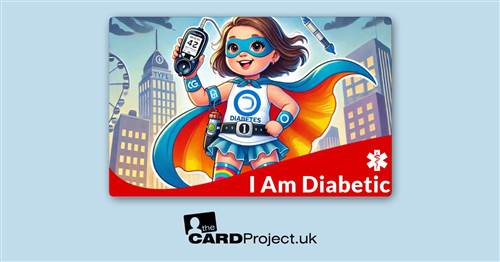
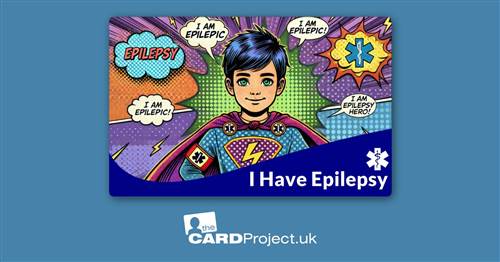
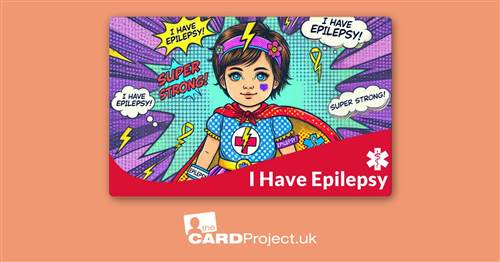
Kids Medical Alert Cards: The Complete Parent Guide(Updated 19 January 2026) When your child has a condition like asthma, diabetes, or epilepsy, you’re always quietly keeping an eye out. It’s that quick double-check before they head off to a party, or the moment you wonder if someone else knows what to do if things flare up. Kids’ medical alert cards are one of those small, simple things that can lighten the load just a bit. They’re tough little cards that fit in a pocket or bag, with the must-know details: the condition, any medications, allergies, and who to call. That way, a teacher, babysitter, coach, other parent, or even paramedics can get the right information fast when you’re not around. These cards aren’t meant to take the place of chats with school staff, your GP, or a proper healthcare plan—they’re just a reliable backup that sits nicely alongside bracelets, apps, or school records. We’ve been making them for UK families since 2011, and the thing parents mention most is how much calmer they feel knowing someone can glance at the card and know exactly what to do—whether it’s helping with an inhaler or recognising the signs of a seizure. In an emergency, paramedics always look for medical ID first. Having the info clear and easy to read can make a real difference in those critical moments. Our cards are made from strong, biodegradable plastic that’s water-resistant (handy for inevitable spills), won’t bend easily in a bag or pocket, and stays light enough for kids to carry without noticing. We’ve designed them with clear, bold text and cheerful colours so they feel positive and kid-friendly—not medical or scary. Lots of children come to see theirs as a sort of “helper” card rather than something that makes them different. This guide is designed to give you clear, no-nonsense information about why these cards help, how they fit into everyday family life, and practical tips based on NHS advice, charity guidance, and what other parents have found really useful. No complicated medical terms—just straightforward info for busy mums and dads who want to feel prepared. Table of Contents
Why medical alert cards have become a go-to choice for so many familiesIn 2026, life with kids feels busier than ever—schools are packed, after-school clubs and activities are non-stop, staff come and go more often, and there's a real push to help children with hidden conditions like asthma, diabetes or epilepsy get out there and live life to the full. The NHS guidance on supporting pupils with medical conditions stresses how important it is for teachers, carers and other adults to have quick, clear access to the key info—especially when not everyone will know a child's full healthcare plan inside out. That's where medical alert cards come in so handy. They're small, portable, always on the child (or in their bag), and give the essentials straight away—no digging through paperwork or hoping someone remembers the details. Major UK charities back this up too: Asthma + Lung UK, Diabetes UK and Epilepsy Action all recommend some form of medical ID as part of staying safe. They point out how it can lead to faster, better help in a crisis.
For asthma, where an attack can come on quickly during PE, cold weather or just running around, a card that lists common triggers and clear steps for using an inhaler can be a real lifesaver. From chatting with parents over the years, the biggest draw is how straightforward they are: no batteries to charge, no apps or subscriptions to keep up with—just a solid little card that slots into everyday life without any fuss. As parents juggle more and more (the famous "mental load"), these cards take away some of that constant need to explain everything from scratch to every new person. They're also a nice, low-key way to help your child start understanding and owning their condition as they get older—without it feeling heavy or overwhelming. How the cards help in real everyday and emergency situationsParents often tell us how these cards make a difference in those little moments that crop up—like when a child with asthma starts wheezing during PE or playtime. A teacher or carer can quickly check the card for simple steps, such as using the reliever inhaler and when to call for more help, keeping things calm while they contact you or 999. For diabetes, it's handy if a child feels off at a playdate or club; the adult looking after them can spot signs of a low (like shakiness) from the card, know to offer a quick sugary snack, and have your details to hand. With epilepsy, during something routine like a family outing, the card reminds others of basics—like timing the seizure, clearing space around them, and not putting anything in their mouth—plus when to ring an ambulance, based on NHS and Epilepsy Action advice. From what we hear in parent forums, reviews, and chats with charities, these quick references help turn potentially worrying situations into straightforward ones, with the right info at everyone's fingertips. Paramedics are trained to look for medical IDs early on (in bags, pockets, or wallets), and clear details can help them respond more effectively, as per NHS emergency guidance. In daily life, they cut down on repeating the same explanations to supply teachers, club leaders, or sitters—especially useful for school runs, after-school activities, or trips out. For older kids, many families find the cards encourage a bit of independence, like showing it to a teacher before sports or chatting about it with friends—building those self-advocacy skills that groups like Young Epilepsy recommend. Overall, they're a simple layer in your family's safety setup, working alongside apps for monitoring, bracelets for easy spotting, or school plans—helping everyone focus more on the everyday fun and less on the worries. Personalised or non-personalised – which option suits your child bestIt really comes down to what feels right for your family: how much detail you want to share, your child's specific needs, and how comfortable you are with including personal info.
Both types use ready-made, child-friendly designs so you can order quickly and know it'll be accurate and easy to read. If your child's situation is really unique and neither quite fits, we also offer a full custom design service—just drop us an email at theteam@thecardproject.uk and we'll chat it through. Lots of UK parents weigh up the balance between "enough info to help quickly" and "not sharing more than necessary"—both options work well as part of the bigger safety picture, alongside school plans or bracelets. Whichever you pick, it's about what gives you that bit of extra peace of mind. What information to include (and what to leave off for privacy)The trick is to give enough detail for someone to help quickly in an emergency, but nothing that could be misused if the card ever gets lost. Most parents include:
Most parents leave off:
Lots of families go with first name only (no surname) – it’s plenty for a teacher or paramedic to use when talking to your child, and keeps things private if the bag ends up on a bus or playground. Practical ways children carry and get used to their cardBecause the cards are small, rigid, lightweight and fully waterproof, kids forget they’re even there once it becomes habit. The most popular spots are:
Tips that actually work to help them accept it:
How cards work alongside school, clubs, playdates and travelUK schools take supporting children with medical conditions seriously—under statutory guidance from the Department for Education, schools must have arrangements in place so pupils can access education safely, including having up-to-date info from parents about any needs. Many schools welcome extra tools like medical alert cards as a helpful addition: staff can quickly check the card for key details (like inhaler steps or hypo actions) if something happens during the day, especially when a supply teacher is covering or during busy times like PE. It complements the school's individual healthcare plan (IHP) or asthma/diabetes action plan—think of it as an always-on-the-child backup that doesn't replace formal records but makes info instantly accessible without needing to pull up files.
These cards fit nicely into the bigger picture—they work alongside other things like medical alert bracelets (for quick visibility), apps for tracking levels or symptoms, or the school's formal healthcare plan. Together, they create practical layers of support, so you can feel more prepared without overcomplicating things. It's all about making everyday situations (and the occasional unexpected one) a bit smoother for everyone involved. Our card materials and design – built for kids and the planetWe’ve thought carefully about what makes a medical alert card actually work for real families, so every one is made from a tough, biodegradable plastic that’s designed to stand up to the everyday chaos of kids’ lives.
And because we produce everything right here in the UK, we can keep things local, reduce unnecessary shipping miles, and get cards to you quickly. It’s a small thing, but it feels right for supporting UK families and the planet at the same time. The ordering process – quick, clear and no surprisesWe’ve made it as easy as possible so you can get your child’s card sorted without any issues—everything’s done online in a few minutes, and you’re in full control from start to finish. Here’s how it works:
No paperwork or verification needed – you control the content. Why families keep coming back to usWe've been helping UK families with kids' medical alert cards since 2011, and the reason so many parents return (and recommend us to others) boils down to a few things that really matter when you're dealing with everyday worries about your child's safety.
It's these little things that add up: reliability, thoughtfulness, and no-nonsense service that fits busy family life. Many parents start with one card, then come back for siblings, updates as kids grow, or extras for different bags. It's nice to hear when they say it gives them that bit of extra confidence year after year. Our practical information guides for parents and carersWe've written these short guides because we know how much there is to worry about as a parent – and how hard it can be to find clear, sensible advice without wading through pages of medical jargon. They're just straightforward help on the things that come up all the time, pulled together from NHS guidance, charity advice, and what actually works for other families.
Ready to take the next step?By now you've seen how a well-made medical alert card quietly slots into family life: a reliable backup for schools, clubs, playdates, travel, and those unexpected moments, without adding complexity or compromising privacy. It's not about replacing the plans you already have in place—it's about adding one more layer of protection that works when it counts. If it feels like the right small addition for your family, browse our designs and order when you're ready. Your child's safety is worth the small step.
© 2024 The Card Project Uk Ltd
VAT: 453 2087 06
|